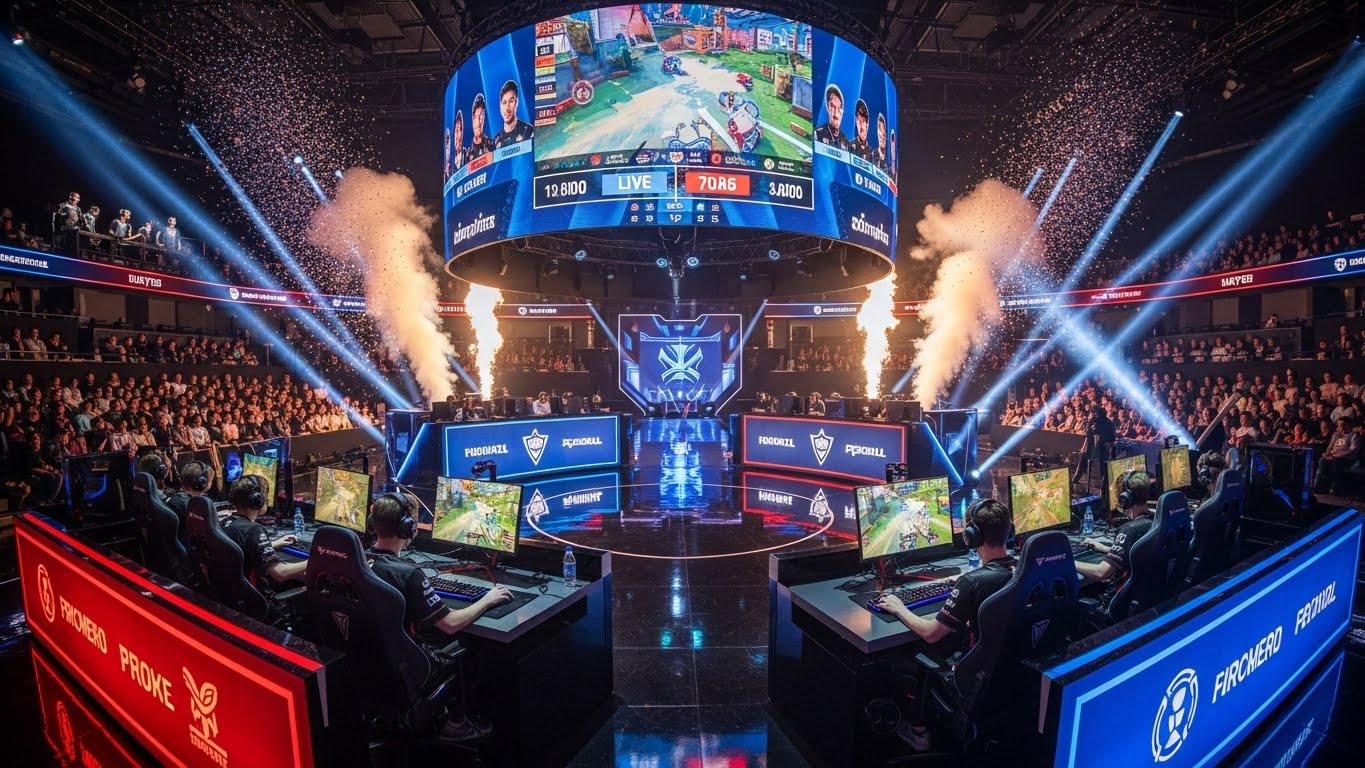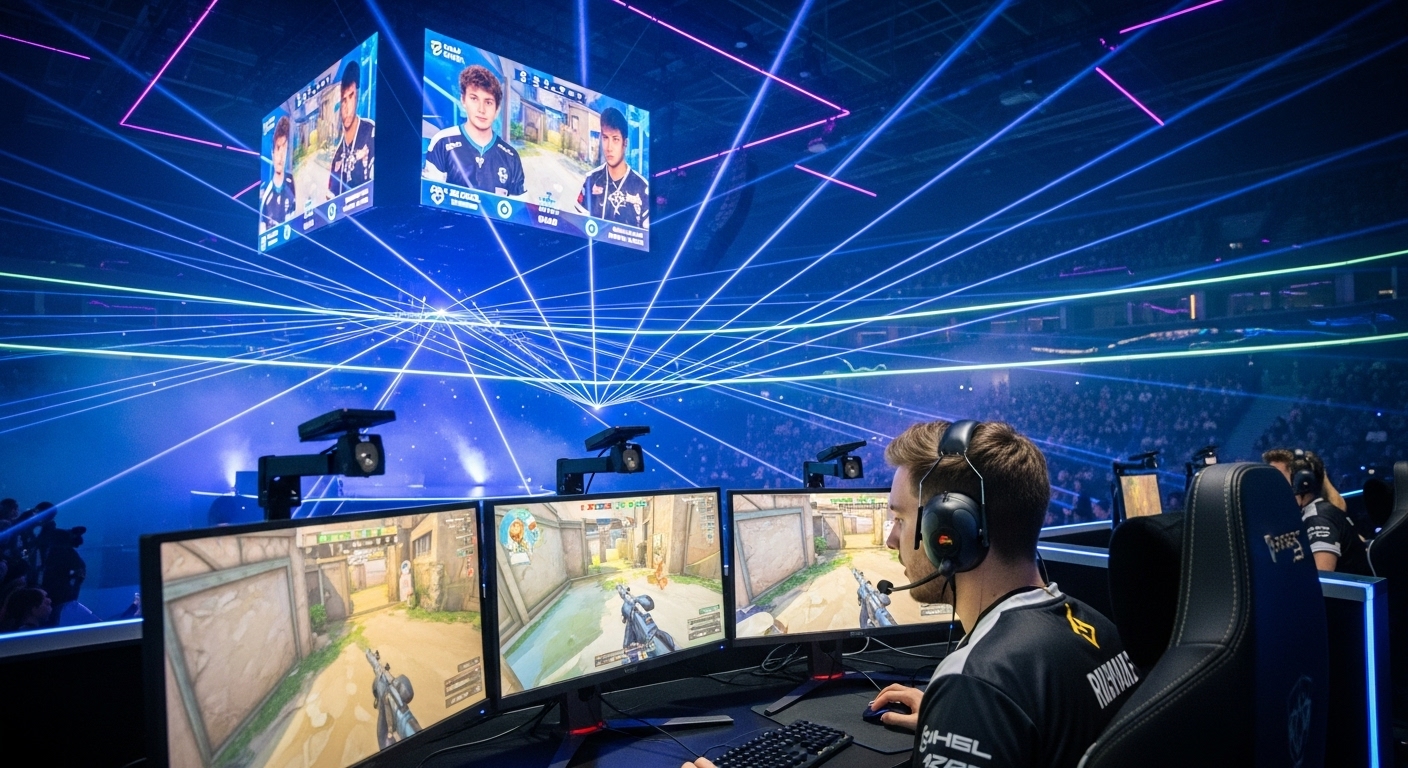





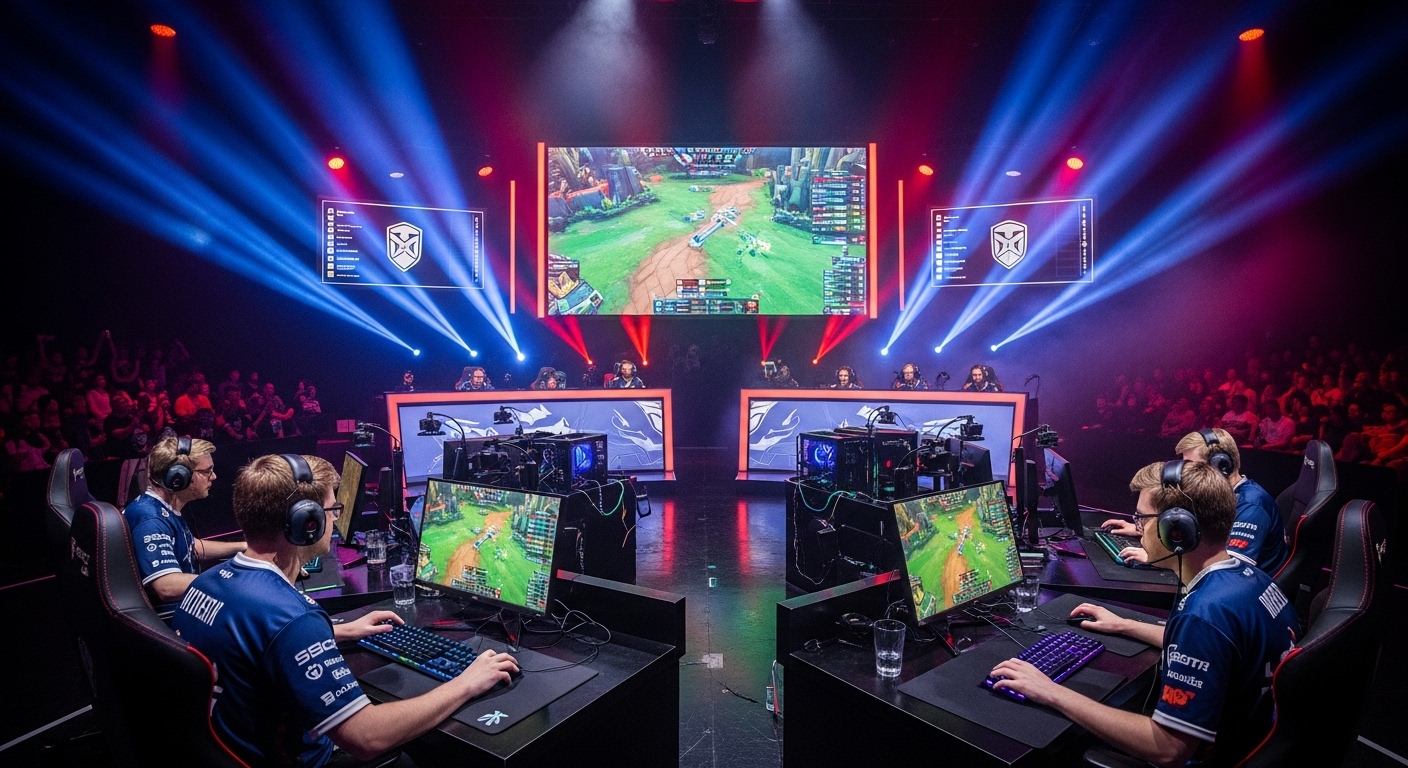
Esports, short for electronic sports, represents one of the most fascinating cultural and technological revolutions of the 21st century. What began as a niche hobby among gaming enthusiasts has transformed into a billion-dollar global industry, commanding the attention of millions of fans, players, investors, and brands. The journey of esports is not just about video games—it’s a story of innovation, community, competition, and the redefinition of entertainment in the digital age.
The Humble Beginnings of Esports
The story of esports starts long before anyone could imagine massive arenas filled with cheering fans watching others play video games. In the 1970s, the idea of organized video game competition was still in its infancy. The first known gaming competition took place in 1972 at Stanford University, where students competed in the game Spacewar. The winner took home a year’s subscription to Rolling Stone magazine—hardly the multimillion-dollar prize pools we see today.
During the 1980s, arcade culture took gaming to new heights. Players would gather at local arcades to set high scores on games like Pac-Man and Donkey Kong. Companies like Atari and Nintendo began organizing competitions, helping to shape gaming into a legitimate competitive pursuit. The Nintendo World Championships in 1990, for instance, marked a key milestone, showing that video gaming could bring people together not just for fun, but for serious competition.
Still, the limitations of technology and communication meant that esports remained largely local or regional. It wasn’t until the internet age that esports found the infrastructure it needed to grow exponentially.
The Internet Era and the Birth of Online Competition
The late 1990s and early 2000s ushered in the golden age of online multiplayer gaming. With faster internet connections and powerful personal computers, players could now compete against others from around the world without leaving their homes. This was the foundation esports needed to evolve from hobby to organized sport.
Games like StarCraft, Quake, and Counter-Strike became household names in competitive circles. StarCraft, particularly in South Korea, took on cultural significance. South Korea’s early investment in broadband infrastructure allowed gaming to flourish, and soon, televised esports matches began airing on national television. Professional gamers became celebrities, and gaming cafes—known as PC bangs—became social hubs for the youth.
Meanwhile, in the West, titles like Quake III Arena and Counter-Strike 1.6 cultivated passionate communities. LAN parties, where players physically connected their computers to compete, became the social backbone of early esports culture. Tournaments like the Cyberathlete Professional League (CPL) and World Cyber Games (WCG) started formalizing competition with prize money, sponsorships, and structured rankings.
The Emergence of Esports as a Professional Industry
As technology improved, so did the structure of esports. By the late 2000s, the concept of professional teams, player contracts, and sponsorships became commonplace. Major game developers began to recognize the marketing power of esports and started investing heavily in competitive scenes around their games.
League of Legends, launched in 2009 by Riot Games, revolutionized the esports ecosystem. Riot built an official professional league system, setting new standards for organization and sustainability. Players signed professional contracts, teams received funding, and fans had access to free, high-quality live streams. The League of Legends World Championship quickly became one of the most-watched events in esports, drawing millions of viewers each year.
Blizzard Entertainment’s StarCraft II and Valve’s Dota 2 also played huge roles in shaping modern esports. Dota 2’s The International tournament, launched in 2011, shocked the world with its million-dollar prize pool, crowdfunded through in-game purchases by fans. This model inspired other developers to directly involve their communities in supporting competitive play.
The Role of Streaming Platforms in the Esports Boom
Perhaps the most transformative development for esports came with the rise of live streaming platforms. Services like Twitch, launched in 2011, democratized content distribution. Suddenly, anyone could broadcast their gameplay to a global audience. This accessibility broke the traditional gatekeeping seen in mainstream sports broadcasting.
Twitch and YouTube Gaming became the virtual arenas where esports thrived. Fans could not only watch professional tournaments but also engage with their favorite players directly through live chat. This created a level of intimacy and community unmatched by traditional sports.
Streaming also opened new career paths. Many players transitioned into full-time streaming careers, while content creators, analysts, and shoutcasters found opportunities to build their own brands within the ecosystem. Esports was no longer confined to tournaments—it became an always-on entertainment experience.
The Globalization of Esports
While early esports was concentrated in regions like South Korea, North America, and Europe, today it is a global phenomenon. Countries across Southeast Asia, China, Latin America, and the Middle East have emerged as major players in the scene.
China’s esports infrastructure, in particular, has grown rapidly. With government recognition and corporate investment, China has built state-of-the-art esports arenas, training facilities, and even dedicated universities for aspiring professionals. Titles like Honor of Kings and PUBG Mobile have turned mobile esports into a dominant force, expanding competitive gaming to millions who may not have access to high-end PCs.
In Europe, traditional sports organizations began investing in esports teams, bridging the gap between old and new sports culture. Football clubs such as Paris Saint-Germain, FC Barcelona, and Manchester City launched esports divisions, signaling mainstream acceptance of gaming as a legitimate form of competition.
The Economics Behind Esports
Behind the flashy tournaments and celebrity players lies a complex and growing business ecosystem. Esports generates revenue from multiple streams—sponsorships, advertising, merchandise, media rights, ticket sales, and in-game purchases.
According to industry analysts, esports revenue has surpassed the billion-dollar mark and continues to climb annually. Brands ranging from tech giants to consumer goods companies have entered the space, recognizing the value of reaching younger, digitally-native audiences.
Esports organizations operate similarly to traditional sports teams, with players, coaches, managers, and even performance analysts. They negotiate sponsorship deals, participate in leagues, and engage fans across social media. Player salaries can range from tens of thousands to millions per year, depending on skill and popularity.
However, like any young industry, esports faces financial volatility. Teams often rely heavily on investor funding, and profitability can vary widely depending on the game and region. Despite these challenges, the momentum shows no signs of slowing down.
Esports in Education and Career Development
As esports matures, it’s finding a place in education and professional development. Universities across North America, Europe, and Asia have started offering esports scholarships, treating gaming prowess with the same respect as athletic ability. Students compete in collegiate leagues, balancing their studies with their competitive ambitions.
Beyond playing, esports education extends into management, broadcasting, event organization, and marketing. Schools are recognizing that the industry requires a wide range of skills—from coding and design to psychology and media production. The inclusion of esports in academic programs reflects its legitimacy as a real career path.
Moreover, esports has been embraced by the younger generation as a gateway to learning teamwork, communication, and problem-solving. The collaborative nature of competitive games fosters strategic thinking, leadership, and adaptability—all valuable traits in the modern workforce.
The Social and Cultural Impact of Esports
Esports is more than competition—it’s a cultural movement. It brings people together from all walks of life, transcending language, nationality, and background. Online communities centered around specific games often function like digital neighborhoods, offering friendship, mentorship, and belonging.
Representation in esports has also evolved. While early esports was dominated by male players, there’s a growing presence of women and nonbinary individuals in both professional and community spaces. Female-led organizations and tournaments are helping to make gaming more inclusive.
Moreover, esports has become a shared experience for families and friends. Parents who once questioned gaming now attend tournaments with their children. The perception of video games has shifted from isolation to connection, from time-wasting to skill-building.
Pop culture has also embraced esports. Movies, television shows, and even fashion have drawn inspiration from gaming aesthetics. Artists collaborate with gaming companies for virtual concerts, while major events feature celebrity appearances, merging entertainment industries in new and exciting ways.
Esports and Technology: A Symbiotic Evolution
Esports and technology have always evolved hand in hand. Advances in hardware, internet infrastructure, and software directly influence the growth of competitive gaming. The push for higher frame rates, faster networks, and better streaming tools has led to innovations that benefit both players and fans.
Virtual reality (VR) and augmented reality (AR) are on the horizon as potential game-changers. While still emerging, these technologies could redefine how audiences experience esports, blending the line between viewer and participant. Imagine a future where fans can “stand” in virtual arenas, watching matches unfold from the front row in real-time.
Artificial intelligence also plays a role, from game balancing and player training to content moderation. AI tools analyze gameplay data, helping teams refine strategies and improve performance. Meanwhile, blockchain technology is being explored for secure transactions, ticketing, and digital ownership of esports assets.
Challenges Facing the Esports Industry
Despite its rapid growth, esports faces a set of challenges that need careful management. One major concern is player health—both physical and mental. Long hours of practice, performance pressure, and constant online scrutiny can lead to burnout. Organizations are now investing in wellness programs, coaching, and sports psychology to ensure longevity for players.
Another issue is the lack of standardization. Unlike traditional sports, esports is fragmented across different games, each controlled by its developer. This creates varying rules, structures, and governance, making it difficult to establish universal systems. However, efforts are underway to create associations that represent players’ rights and promote fair competition.
Integrity is also crucial. Cheating, match-fixing, and doping (yes, even in esports) have surfaced as concerns. The industry is working to implement strict anti-cheat systems, player monitoring, and transparent tournament regulations to maintain credibility.
Additionally, sustainability remains a challenge. While prize pools grab headlines, not every tournament or organization is financially stable. Some teams struggle with revenue generation, and smaller esports scenes often rely heavily on passion rather than profit.
The Future of Esports
Looking ahead, the future of esports appears bright and boundless. With each passing year, new games, technologies, and audiences emerge, expanding the ecosystem. Mobile gaming is expected to dominate in developing regions, providing entry points for millions of new players. Cloud gaming will further break barriers by allowing high-performance gaming on low-cost devices.
Traditional sports and esports are likely to merge more closely. Hybrid events, where athletes and gamers compete in cross-platform experiences, may become common. The International Olympic Committee has already explored esports integration, suggesting that virtual competition could one day sit alongside physical sports on the world stage.
As esports continues to globalize, the emphasis will shift toward sustainability, inclusion, and education. The next generation of players and fans won’t just consume esports—they’ll shape it, creating new formats, genres, and cultural norms.
Conclusion: A New Era of Competition and Connection
Esports has come a long way from its modest beginnings. What was once a pastime in basements and arcades has become a global spectacle commanding the attention of millions. It represents the perfect intersection of technology, creativity, and human ambition.
At its core, esports is about more than winning—it’s about community, innovation, and the shared joy of competition. Whether you’re a player, a fan, or simply curious about the phenomenon, it’s hard to deny the cultural power esports holds today.
The story of esports is far from over. It’s evolving every day, driven by passion, technology, and a generation that sees no boundary between the virtual and the real. The games may change, but the spirit of competition and connection will continue to define this extraordinary new world of sport.