





Introduction: The Birth of a Digital Revolution
Over the past two decades, esports has transformed from a niche hobby into a multi-billion-dollar industry that captivates millions around the globe. Once considered a pastime confined to basement gamers and small online communities, competitive gaming now fills stadiums, dominates streaming platforms, and attracts sponsorship deals comparable to traditional sports. The rise of esports is not merely about playing video games; it is a cultural shift that blends technology, entertainment, and human competition in unprecedented ways. This evolution highlights the power of digital innovation and the influence of passionate communities in shaping modern entertainment.
The Evolution of Esports
Esports has come a long way from its early days of arcade competitions and local tournaments. In the 1980s and 1990s, video game competitions were mostly limited to arcades or college campuses, where players would gather for high-score challenges in games like Pac-Man, Street Fighter, and StarCraft. The internet boom in the early 2000s allowed gamers to connect globally, laying the foundation for online tournaments. With the rise of streaming platforms in the 2010s, competitive gaming became accessible to millions of viewers worldwide. Modern esports leagues, such as those for games like League of Legends, Dota 2, and Counter-Strike, now feature professional players, coaching staff, analysts, and dedicated broadcast teams, mirroring the structure of traditional sports organizations.
The Games That Define Esports
Certain games have become synonymous with esports due to their competitive nature, global appeal, and balanced gameplay. Multiplayer online battle arenas (MOBAs) like League of Legends and Dota 2 are known for their strategic depth and teamwork-oriented gameplay. First-person shooters (FPS) such as Counter-Strike: Global Offensive and Valorant demand precision, quick reflexes, and tactical coordination. Fighting games like Street Fighter and Tekken emphasize individual skill and timing, while battle royale titles such as Fortnite combine strategy, adaptability, and survival instincts. Each game brings a unique competitive ecosystem, attracting distinct fanbases and shaping the careers of professional players.
The Rise of Professional Players
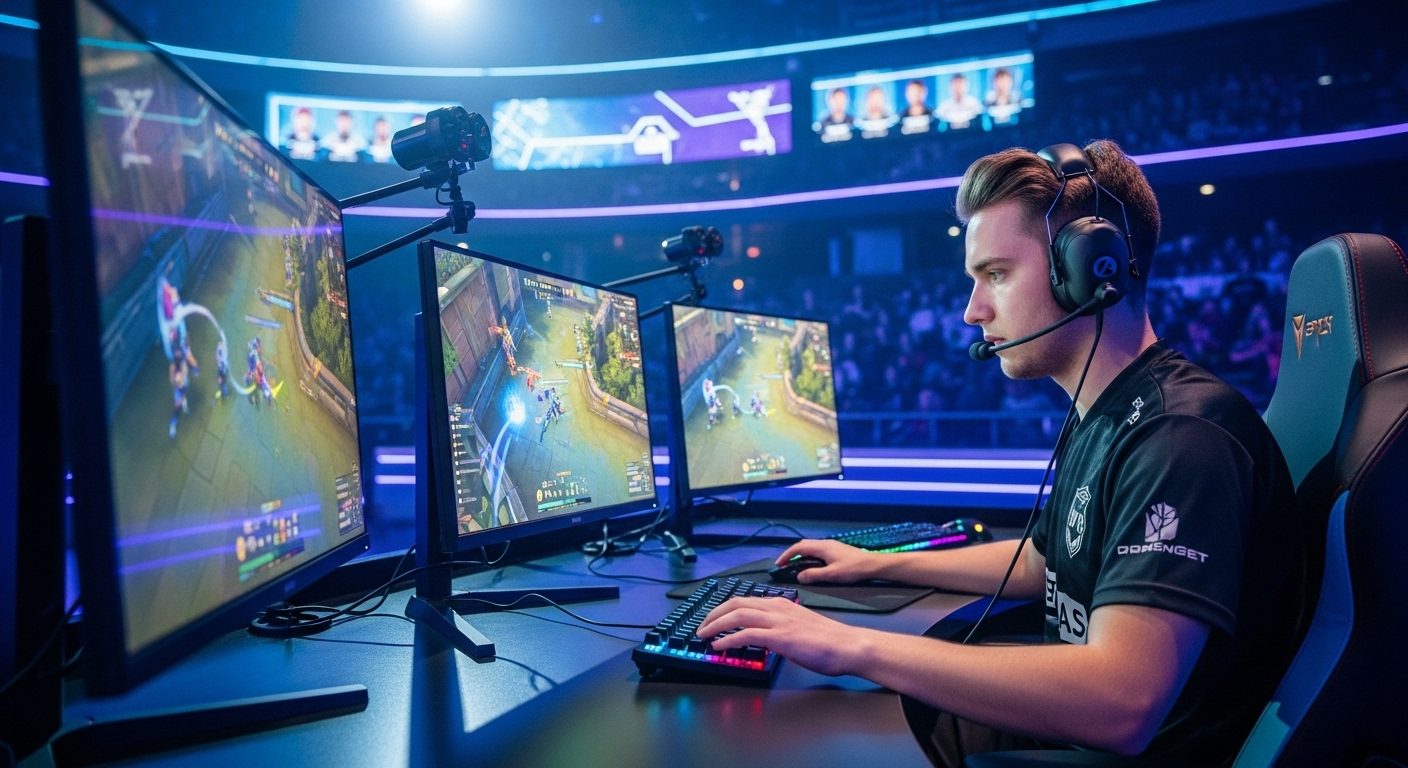
Professional esports players are now recognized as athletes in their own right, dedicating hours of training to perfect their skills. Unlike traditional sports, esports athletes rely heavily on cognitive agility, strategic thinking, and hand-eye coordination. Top-tier players often practice for six to ten hours a day, studying opponents, refining strategies, and maintaining peak mental focus. The industry has also created specialized roles within teams, including captains, shot-callers, analysts, and coaches. With substantial salaries, tournament winnings, and sponsorship deals, professional players can build lucrative careers entirely from competitive gaming, demonstrating that esports has matured into a serious profession.
The Impact of Streaming and Social Media
Streaming platforms like Twitch, YouTube Gaming, and Facebook Gaming have revolutionized how audiences interact with esports. Fans can now watch live tournaments, follow their favorite players, and engage with communities in real-time. Social media platforms amplify this effect, allowing esports personalities to cultivate personal brands, interact with fans, and create additional revenue streams through sponsorships and merchandise. Streaming has also democratized esports content creation, enabling amateur players to showcase their skills, gain recognition, and potentially transition into professional careers. This interconnected ecosystem of players, fans, and content creators has become a defining characteristic of modern esports culture.
Esports Tournaments: The New Arenas
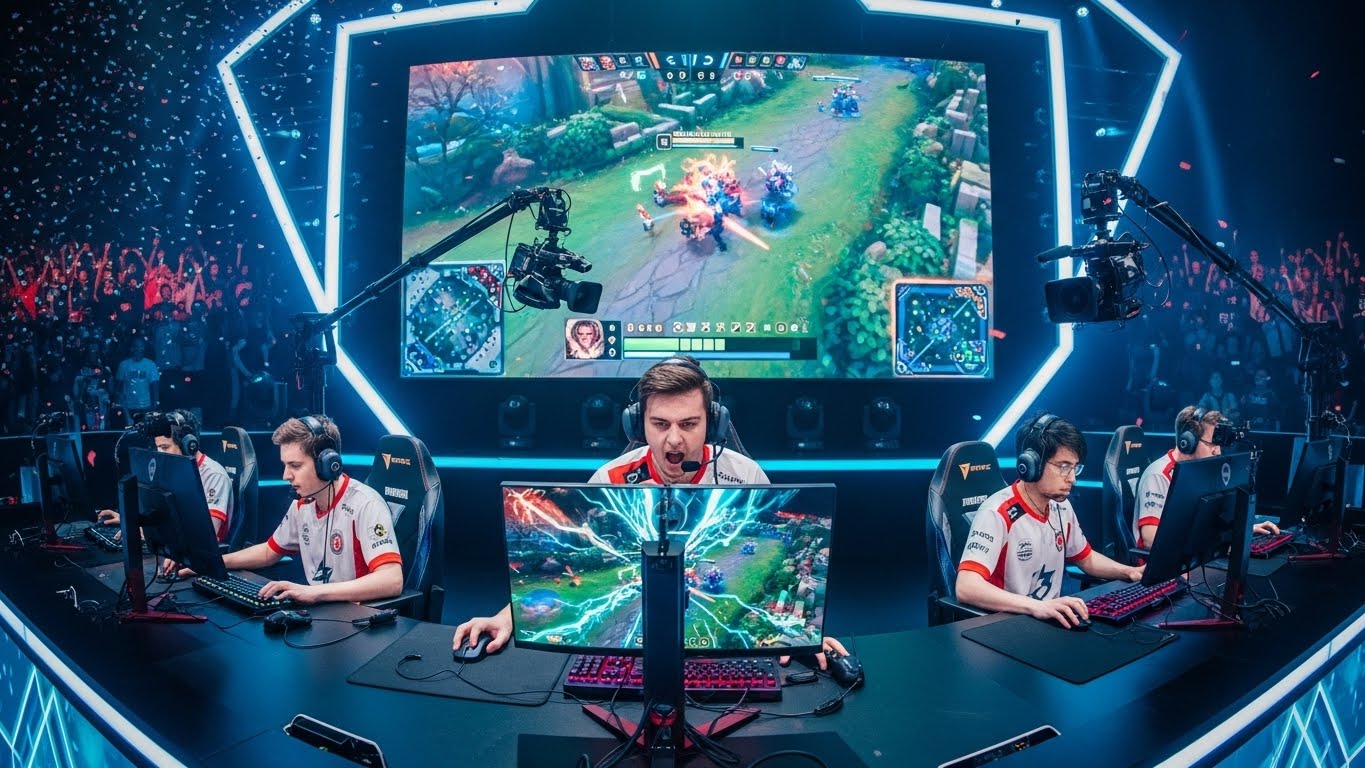
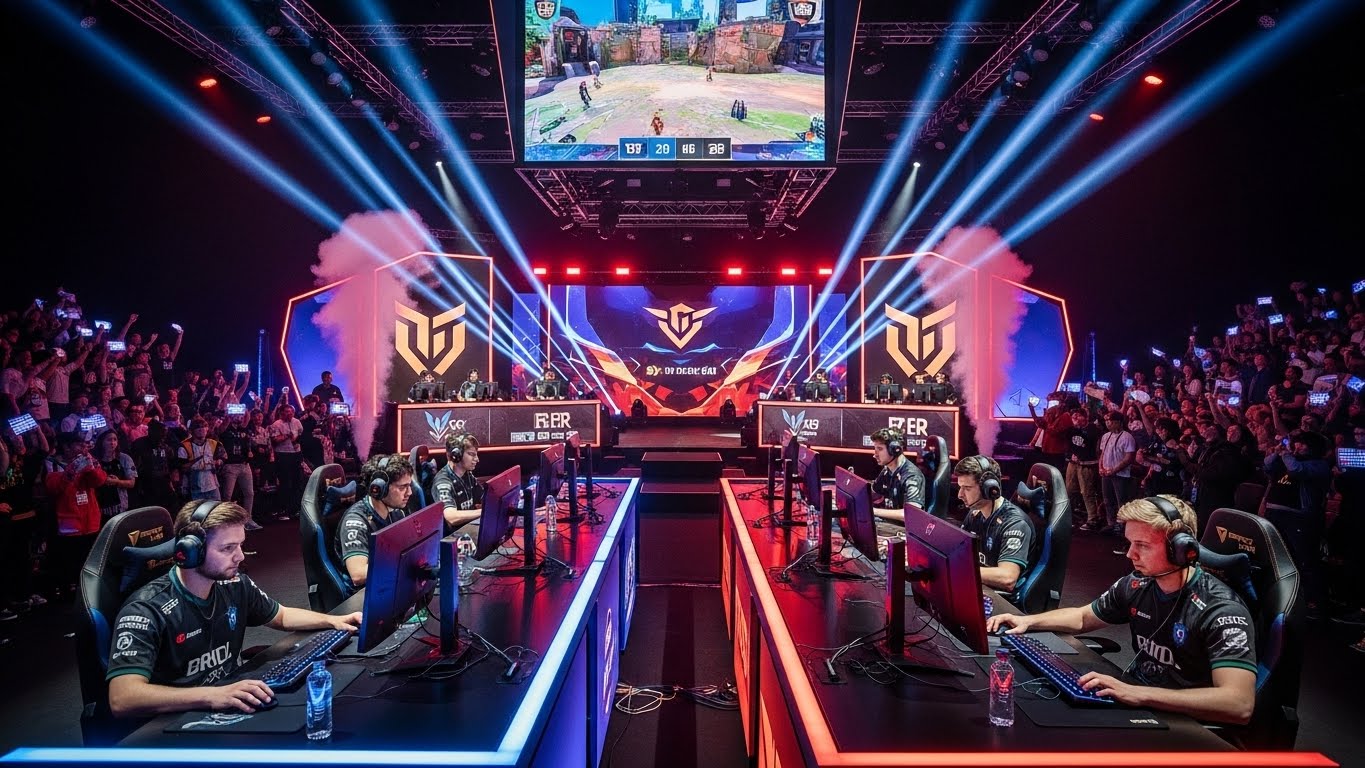
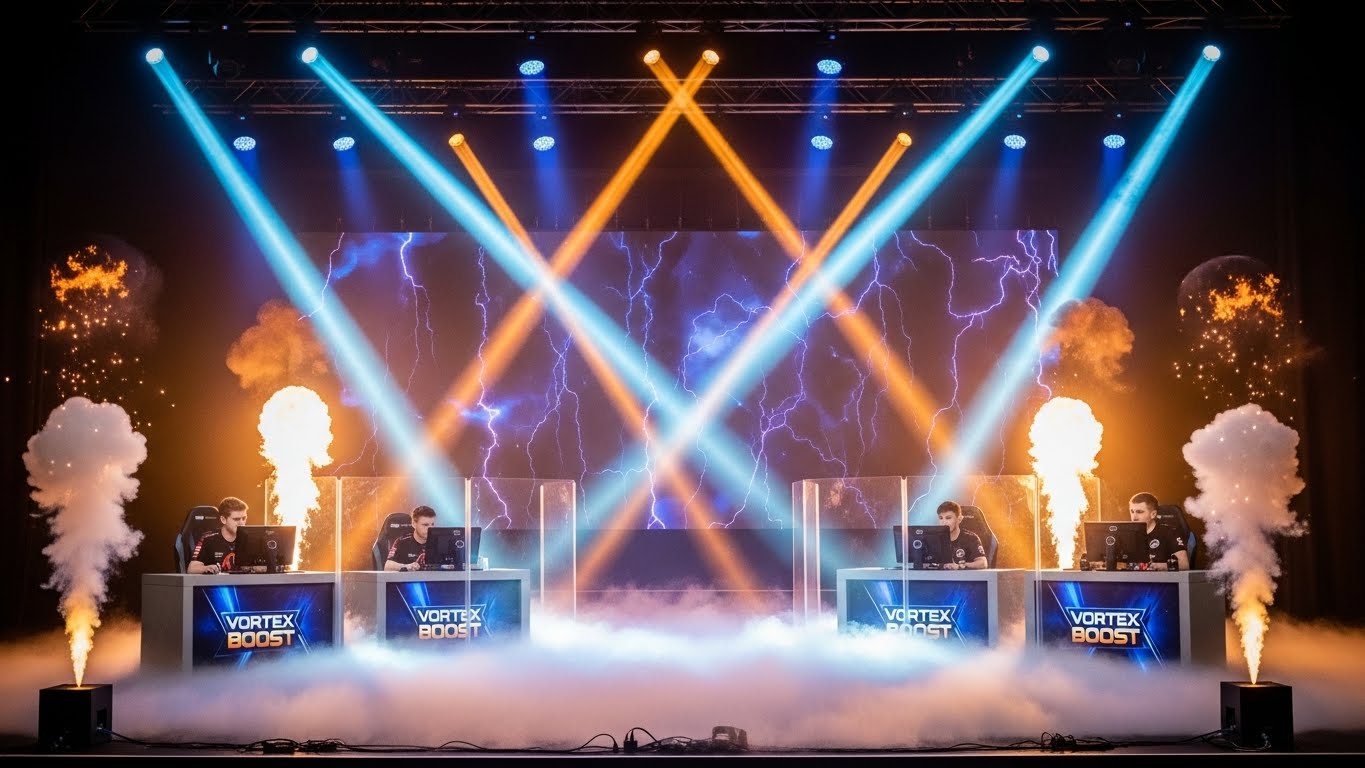
Esports tournaments have grown into massive events that rival traditional sporting championships in scale and spectacle. Competitions like The International for Dota 2 and the League of Legends World Championship draw millions of viewers and offer multi-million-dollar prize pools. Live events take place in arenas with thousands of attendees, featuring professional commentary, stage production, and immersive fan experiences. These tournaments not only test players’ abilities but also serve as a celebration of gaming culture, fostering community, camaraderie, and international competition. The global nature of esports tournaments also promotes cross-cultural exchange, as teams from different countries compete and collaborate on the world stage.
The Role of Sponsorship and Investment
The meteoric rise of esports has attracted significant investment from brands, venture capitalists, and traditional sports organizations. Companies sponsor teams, tournaments, and individual players, seeing esports as a gateway to reach younger, tech-savvy audiences. Major brands from technology, energy drinks, apparel, and entertainment sectors invest heavily in esports marketing, further legitimizing the industry. Additionally, traditional sports franchises have begun acquiring esports teams or establishing their own competitive gaming divisions, signaling the convergence of traditional and digital sports. This influx of capital not only provides financial stability for players and teams but also enables the creation of state-of-the-art training facilities, advanced analytics, and professional management structures.
Challenges Facing the Esports Industry
Despite its rapid growth, esports faces several challenges that could affect its long-term sustainability. One major concern is the physical and mental health of players. Long hours of practice, high stress, and repetitive movements can lead to injuries such as carpal tunnel syndrome and vision problems. Mental health issues, including burnout and anxiety, are also prevalent among professional players. Another challenge is ensuring fair competition, as cheating, hacking, and performance-enhancing software remain threats to the integrity of esports. Additionally, the industry must navigate regulatory frameworks and intellectual property issues, especially as it expands globally. Addressing these challenges is essential for esports to maintain credibility and continue its growth trajectory.
Esports and Education
Interestingly, esports has also begun to intersect with education. Many universities and colleges now offer esports programs, scholarships, and competitive teams. These programs teach not only gameplay skills but also teamwork, leadership, communication, and strategic thinking. Academic institutions are increasingly recognizing esports as a legitimate avenue for career development, offering courses in game design, sports management, and digital media. By integrating esports into educational frameworks, students gain access to professional training, networking opportunities, and potential career pathways within the industry.
The Future of Esports
Looking ahead, esports shows no signs of slowing down. Advances in virtual reality, cloud gaming, and artificial intelligence are likely to shape the next generation of competitive gaming experiences. VR and AR technologies could create more immersive tournaments, while AI-driven analytics may enhance player training and strategy development. The continued globalization of esports will expand its reach to new markets, bringing diverse audiences together and promoting international collaboration. As esports continues to evolve, it may become as mainstream and culturally significant as traditional sports, reshaping entertainment, competition, and digital culture.
Conclusion: A Cultural and Technological Phenomenon
Esports is far more than just a trend; it represents a cultural and technological phenomenon that has redefined competition, entertainment, and community in the digital age. From humble beginnings in arcades to packed stadiums and global streaming audiences, esports has demonstrated the power of passion, technology, and innovation. It offers players opportunities to achieve professional recognition, fans experiences that transcend geographical boundaries, and businesses new ways to engage with audiences. The rise of esports is a testament to how digital media can transform human interaction, challenge traditional notions of sports, and create entirely new forms of cultural expression. As the industry continues to grow and innovate, it is clear that esports has firmly established itself as a permanent fixture in the world of entertainment and competition.