




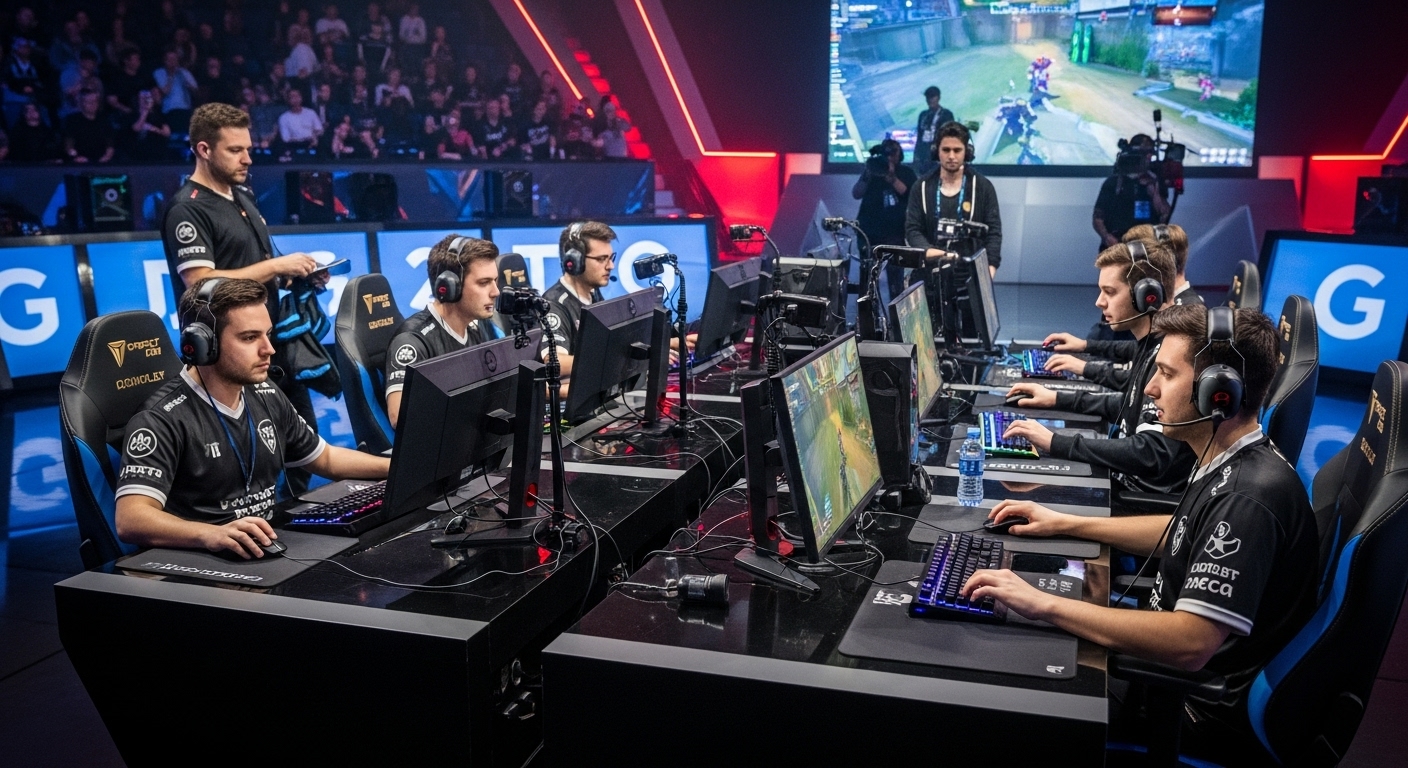
In the past two decades, esports has transformed from a niche hobby into a billion-dollar industry with millions of fans worldwide. Once relegated to basement tournaments and small local gatherings, competitive gaming now commands massive audiences, lucrative sponsorships, and professional athletes who train just like traditional sports players. This blog explores the history, evolution, cultural impact, and future of esports, providing an in-depth look at why it has captured the hearts of millions.
The Early Days of Competitive Gaming
The roots of esports can be traced back to the 1970s and 1980s, when arcade games and early home consoles created a community of players eager to compete. The 1980 arcade classic Space Invaders and the iconic 1980s phenomenon Pac-Man sparked the first wave of competitive gaming. Local arcades often hosted small competitions, with high scores serving as bragging rights among players.
In the 1990s, the rise of home computers and early multiplayer games such as Doom and Quake marked a turning point. Players could now connect over local networks or the early internet to compete, leading to the creation of organized tournaments. These events were often small, informal, and regionally focused, but they laid the foundation for modern esports.
The 1997 Red Annihilation Quake tournament is often regarded as one of the first large-scale esports events. With a grand prize of a Ferrari, it demonstrated that competitive gaming could offer serious rewards and attract media attention. This era showcased the potential of gaming as more than just entertainment—it could become a career for dedicated players.
The Golden Age of Esports
The 2000s and early 2010s are often referred to as the golden age of esports. This period witnessed the emergence of major esports titles, professional leagues, and online streaming platforms that made it easier than ever for fans to follow competitive gaming.
One of the defining moments in this era was the rise of StarCraft: Brood War in South Korea. The game became a cultural phenomenon, with professional teams, televised matches, and fan clubs rivaling those of traditional sports. South Korea’s esports scene became a model for the world, demonstrating how competitive gaming could create a professional ecosystem with salaries, sponsorships, and media coverage.
Simultaneously, games like Counter-Strike, Warcraft III, and later League of Legends built their own competitive communities. Players were no longer anonymous; they became celebrities with fan followings, personalities, and marketable skills. This period also saw the advent of streaming platforms such as Twitch, which allowed fans to watch matches live, interact with players, and become part of a global esports community.
The Role of Technology in Esports Growth
The growth of esports is inseparable from advancements in technology. High-speed internet, powerful gaming PCs, and streaming platforms all contributed to esports’ rise. Online matchmaking systems allowed players to practice and compete globally, while cloud computing enabled larger-scale tournaments without geographical restrictions.
Streaming platforms revolutionized the way fans consume esports content. Unlike traditional sports that rely on television networks, esports thrives online. Viewers can watch professional matches, amateur tournaments, and even casual gameplay from around the world in real time. Social media also amplified player personalities, creating new opportunities for engagement and fan loyalty.
Moreover, innovations in hardware, including high-refresh-rate monitors, gaming peripherals, and VR technology, have pushed the limits of player performance. Today’s esports athletes require precision, speed, and strategy, similar to physical athletes in traditional sports. The line between gaming as a hobby and gaming as a profession has blurred, thanks largely to technological innovation.
Major Esports Titles and Their Impact
Certain games have had a profound impact on the development of esports. Titles like League of Legends, Dota 2, Counter-Strike: Global Offensive, Overwatch, and Fortnite have not only entertained millions but also defined competitive gaming culture.
League of Legends, launched in 2009, introduced a global competitive ecosystem with professional leagues in North America, Europe, Korea, China, and beyond. Its annual World Championship is one of the largest esports events, with prize pools rivaling those of traditional sports tournaments.
Dota 2, another Multiplayer Online Battle Arena (MOBA) game, elevated prize money to unprecedented levels. The annual tournament, The International, has consistently offered multi-million-dollar prize pools funded partially by the game’s community. This model of crowdfunding tournaments showcased the passion and investment of esports fans worldwide.
Counter-Strike: Global Offensive, a first-person shooter, has maintained a steady competitive scene for over a decade. Its tournaments, organized by major esports companies, attract professional teams and fans from every continent. The game’s simplicity, skill-based gameplay, and spectator-friendly format make it a staple of esports culture.
Other games like Overwatch and Fortnite brought esports to new audiences, incorporating fast-paced action, colorful graphics, and cross-platform play. Each title has contributed to the growing legitimacy of esports as both entertainment and a viable career path.
Esports as a Career
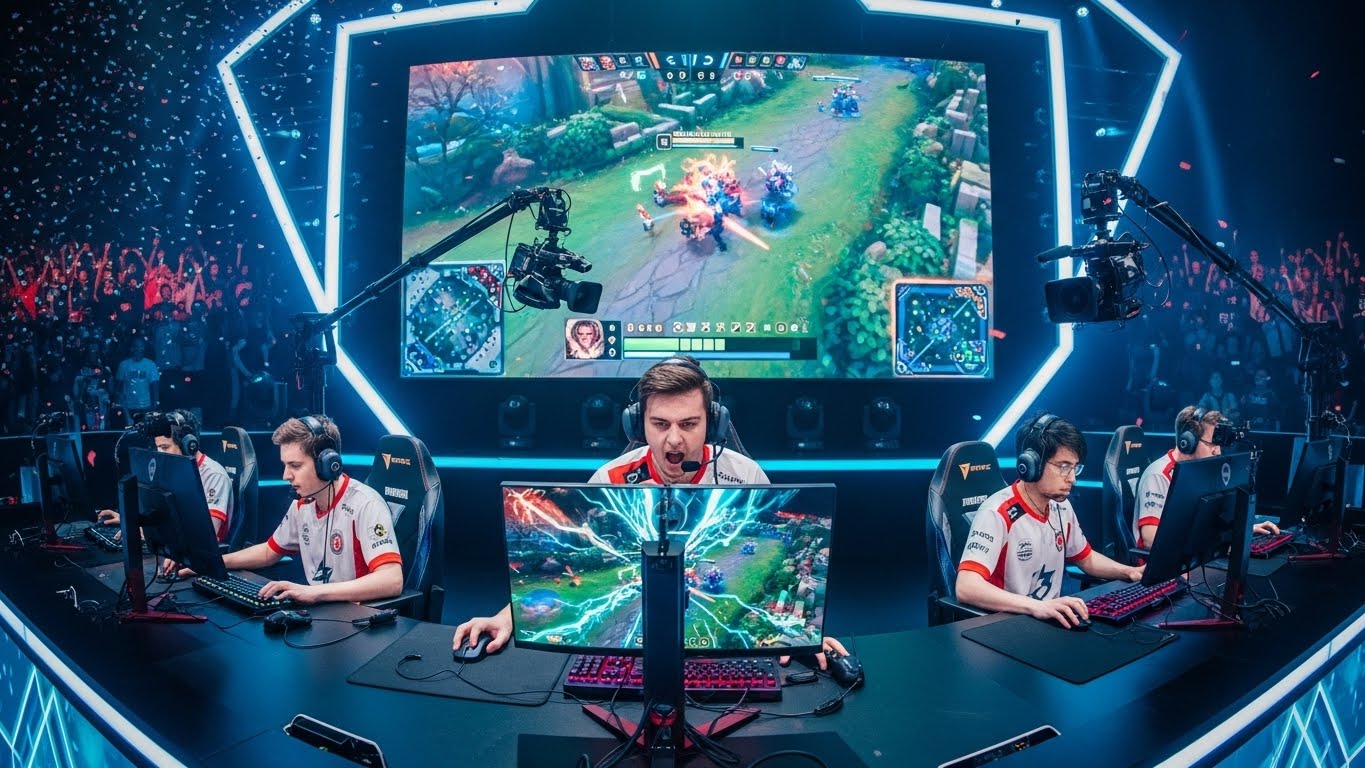
Competitive gaming is no longer just a hobby; it is a legitimate career path for talented players. Professional esports athletes train rigorously, often following schedules similar to those of traditional sports stars. They work with coaches, analysts, nutritionists, and psychologists to optimize performance.
Top esports players can earn substantial incomes through salaries, tournament winnings, and sponsorships. The highest-earning players have made millions annually, comparable to athletes in mainstream sports. Esports teams also generate revenue from merchandise, streaming, and advertising, creating a sustainable ecosystem for the industry.
However, a professional esports career is not without challenges. Intense competition, physical strain, mental stress, and short career spans are common obstacles. Many players transition into coaching, content creation, or management after retiring from competitive play, demonstrating the versatility of opportunities within esports.
The Cultural Impact of Esports
Esports has influenced global culture in multiple ways. It has reshaped entertainment, created new social spaces, and challenged traditional notions of sports. Esports fans are part of vibrant communities, whether online or at live events, where they share strategies, memes, and fandom.
The rise of esports has also impacted media and advertising. Brands targeting younger demographics increasingly sponsor esports events, recognizing the influence of gaming culture. From apparel companies to technology brands, esports offers a platform to reach a highly engaged, global audience.
Additionally, esports has challenged stereotypes about gaming. It is no longer viewed as a solitary activity for teenagers in basements. Today’s esports professionals are skilled athletes, strategists, and public figures who inspire fans worldwide.
Esports and Education
Interestingly, esports has begun to intersect with education. Universities and high schools have started offering esports programs, scholarships, and courses in game design, marketing, and competitive play. These programs teach teamwork, strategic thinking, communication, and digital literacy, skills that are transferable to multiple career paths.
Esports clubs and competitions in schools also provide students with a sense of community and belonging. For many, participation in esports is not just about winning but learning leadership, resilience, and collaboration. As the industry grows, educational programs will play a crucial role in nurturing future talent.
Esports Tournaments and Events
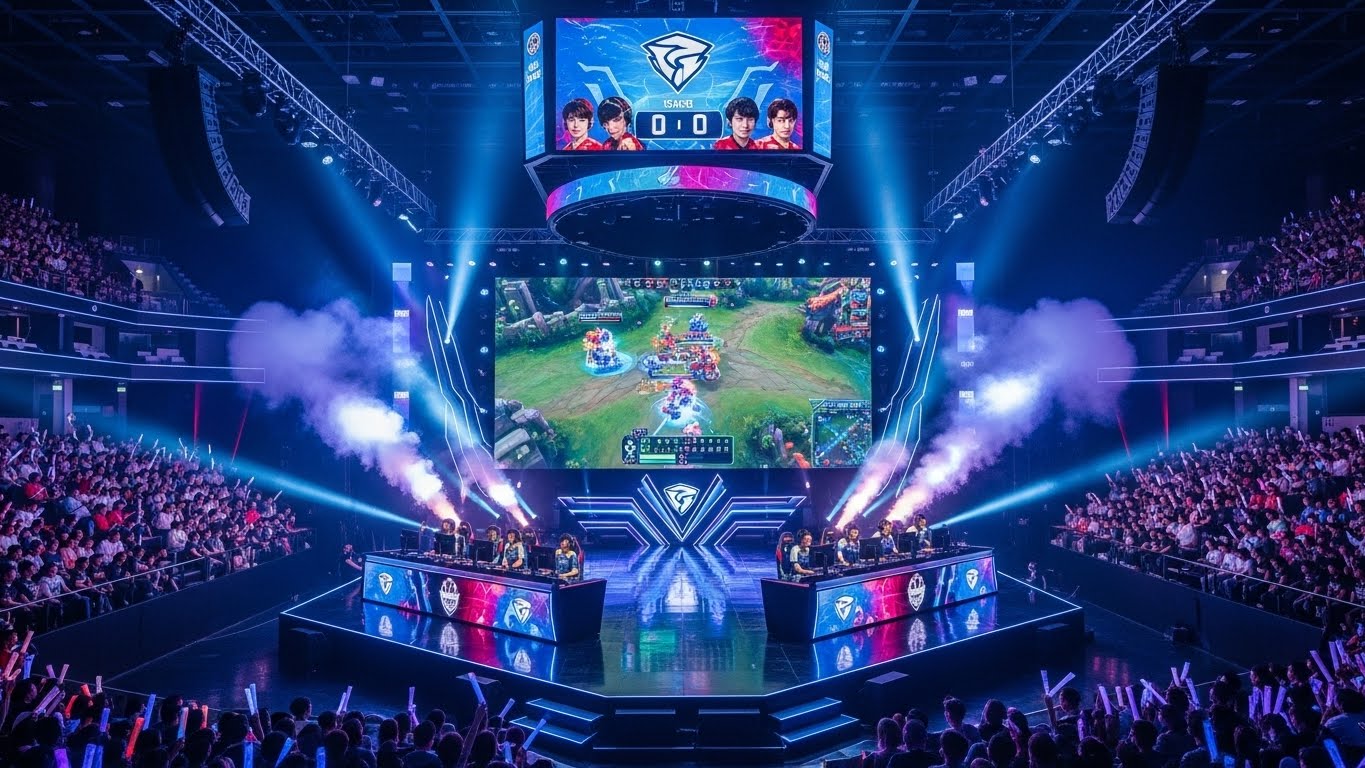
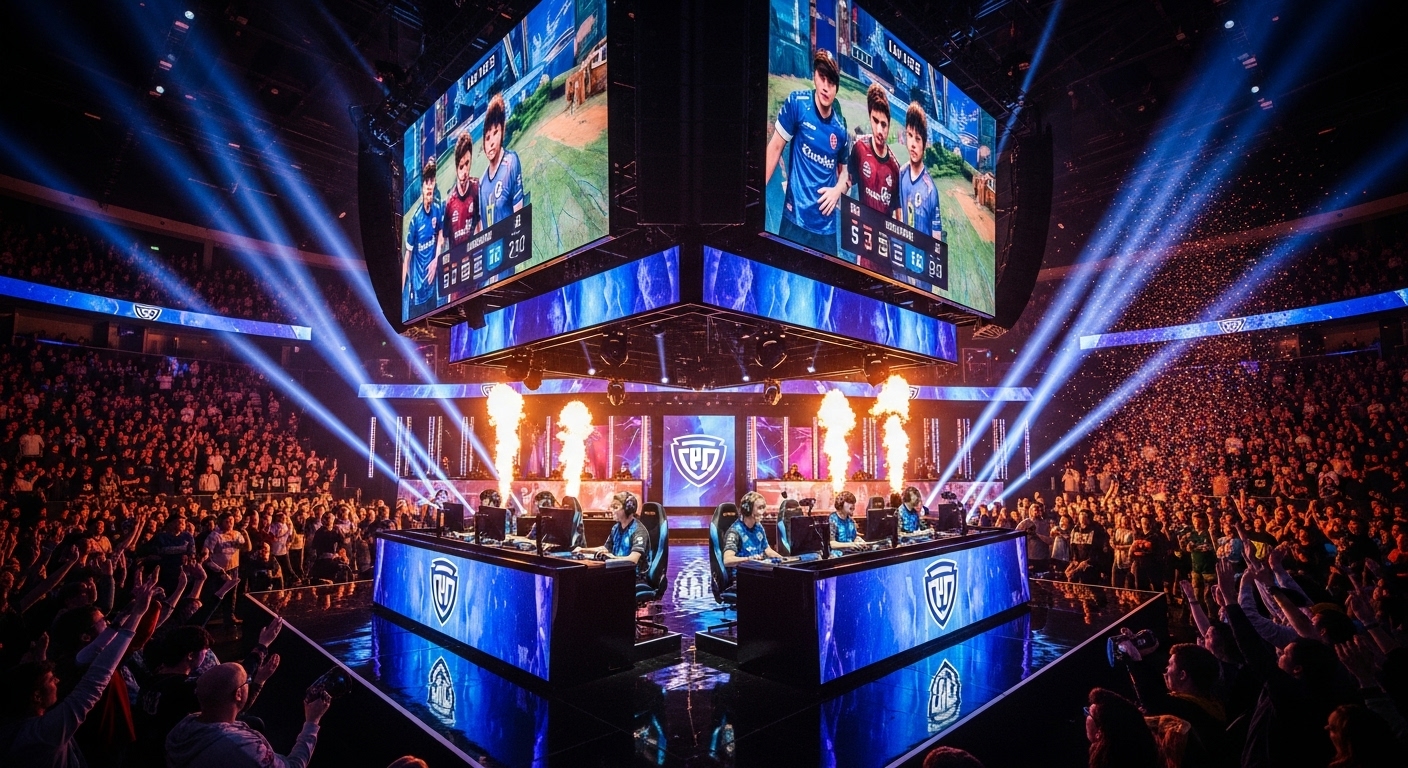
Esports tournaments are some of the most watched and celebrated events in modern entertainment. From massive arenas to online streaming platforms, these competitions draw audiences in the millions. Major events like the League of Legends World Championship, The International, and EVO Championship Series have become global spectacles, complete with opening ceremonies, live music, and interactive fan experiences.
Tournaments serve multiple purposes: they provide players with a platform to showcase skill, offer fans a chance to engage with the community, and attract sponsors and media attention. The production quality of esports events rivals that of traditional sports, with professional commentary, analytical breakdowns, and cinematic broadcasts.
The Future of Esports
The future of esports looks incredibly promising. Emerging technologies such as virtual reality, augmented reality, and AI-driven analytics are likely to transform gameplay and viewing experiences. Esports may also integrate more closely with traditional sports, creating hybrid competitions and cross-industry collaborations.
Global expansion is another key trend. While esports is already popular in Asia, North America, and Europe, regions like South America, Africa, and the Middle East are rapidly developing competitive scenes. As accessibility improves through better internet infrastructure and affordable gaming devices, esports will continue to grow as a truly global phenomenon.
The inclusion of esports in multi-sport events, such as the Asian Games, marks another milestone. While debates continue over whether esports should be considered a “real sport,” its cultural, social, and economic impact is undeniable.
Challenges Facing the Esports Industry
Despite its growth, esports faces several challenges. Issues such as player burnout, mental health, cheating, and the potential for toxic communities require careful management. Regulatory frameworks are still developing, particularly around contracts, prize distribution, and gambling.
Sustainability is another concern. The esports industry must balance profitability with ethical practices and community engagement. As the market matures, professional organizations, governing bodies, and developers will need to establish standards to ensure fair play and long-term viability.
Conclusion
Esports has come a long way from its humble beginnings in arcades and basements. It has grown into a global phenomenon with professional athletes, massive audiences, and a vibrant cultural impact. The industry continues to evolve, fueled by technological advancements, passionate communities, and the growing legitimacy of competitive gaming.
Whether you are a player, fan, or casual observer, esports offers an exciting glimpse into the future of entertainment. It is a world where skill, strategy, and dedication are celebrated, and where the digital arena is as thrilling as any stadium. The rise of esports is more than a trend—it is a testament to the power of gaming to connect, inspire, and entertain millions worldwide.