





Introduction: The Digital Revolution of Competition
In the last two decades, competitive gaming, or esports, has grown from niche hobby into a worldwide cultural and economic powerhouse. What once began as casual multiplayer matches among friends has transformed into professional tournaments with millions of viewers, high-profile sponsorships, and multi-million-dollar prize pools. Esports has redefined what it means to compete, blending technology, strategy, and entertainment into a new form of sport.
Esports is not just about playing games; it is about skill, teamwork, precision, and mental endurance. It offers a platform where anyone with talent and dedication can rise to global recognition. This blog explores the evolution, influence, and future of esports in the modern digital era.
The Birth of Competitive Gaming
Esports’ roots can be traced back to the late 1990s and early 2000s, when multiplayer games like StarCraft, Counter-Strike, and Warcraft III gained widespread popularity. Players began forming teams and competing in local tournaments, often held in gaming cafes or small venues. These early competitions established the foundation for professional gaming as we know it today.
The growth of the internet played a pivotal role in expanding esports. Online connectivity allowed players from different regions to compete in real time, creating larger and more competitive communities. As tournaments gained attention, developers began to support competitive gameplay through organized leagues, balanced game updates, and infrastructure to host global events.
The Professionalization of Esports
One of the key factors in esports’ growth has been its professionalization. Modern esports athletes train rigorously, dedicating several hours a day to improving mechanics, strategy, and teamwork. Top teams employ coaches, analysts, nutritionists, and even psychologists to ensure their players remain at peak performance, similar to traditional sports.
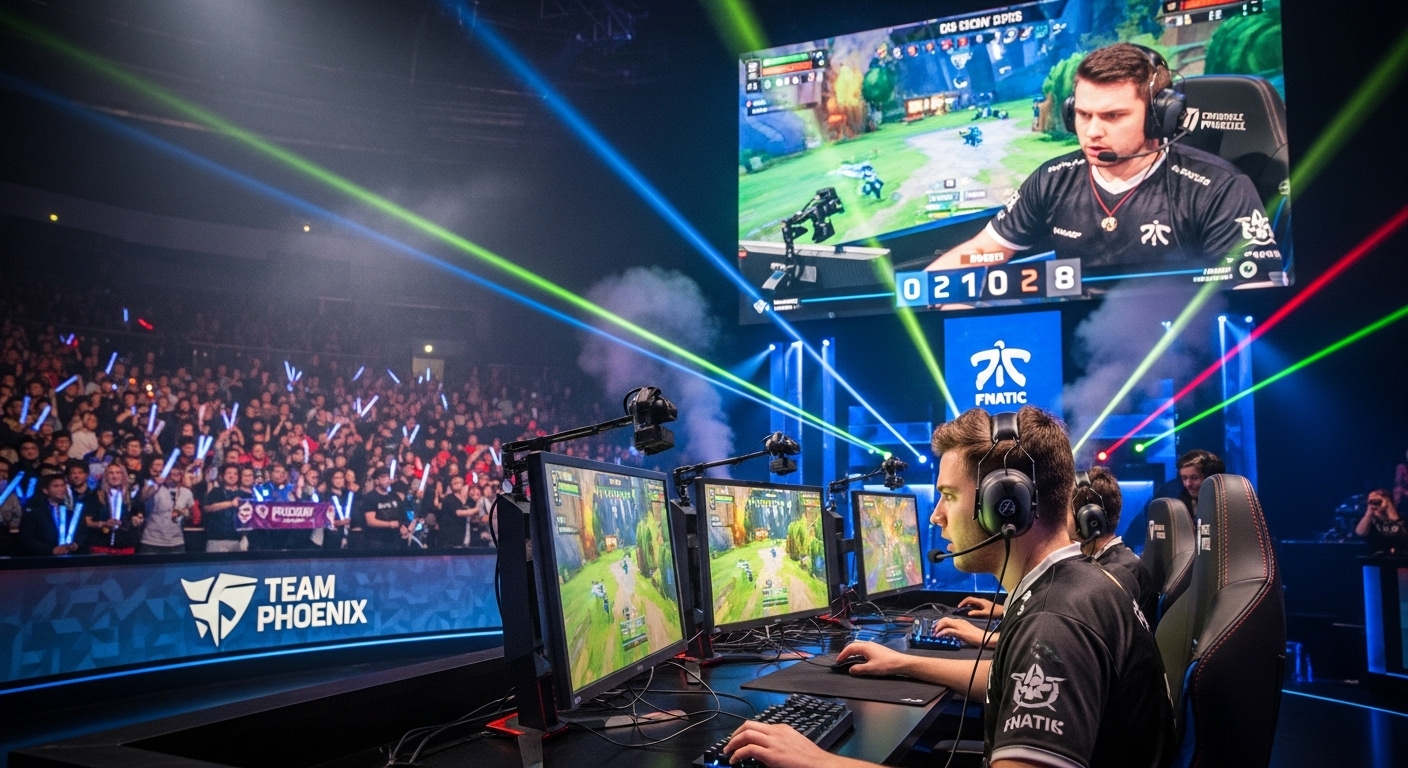
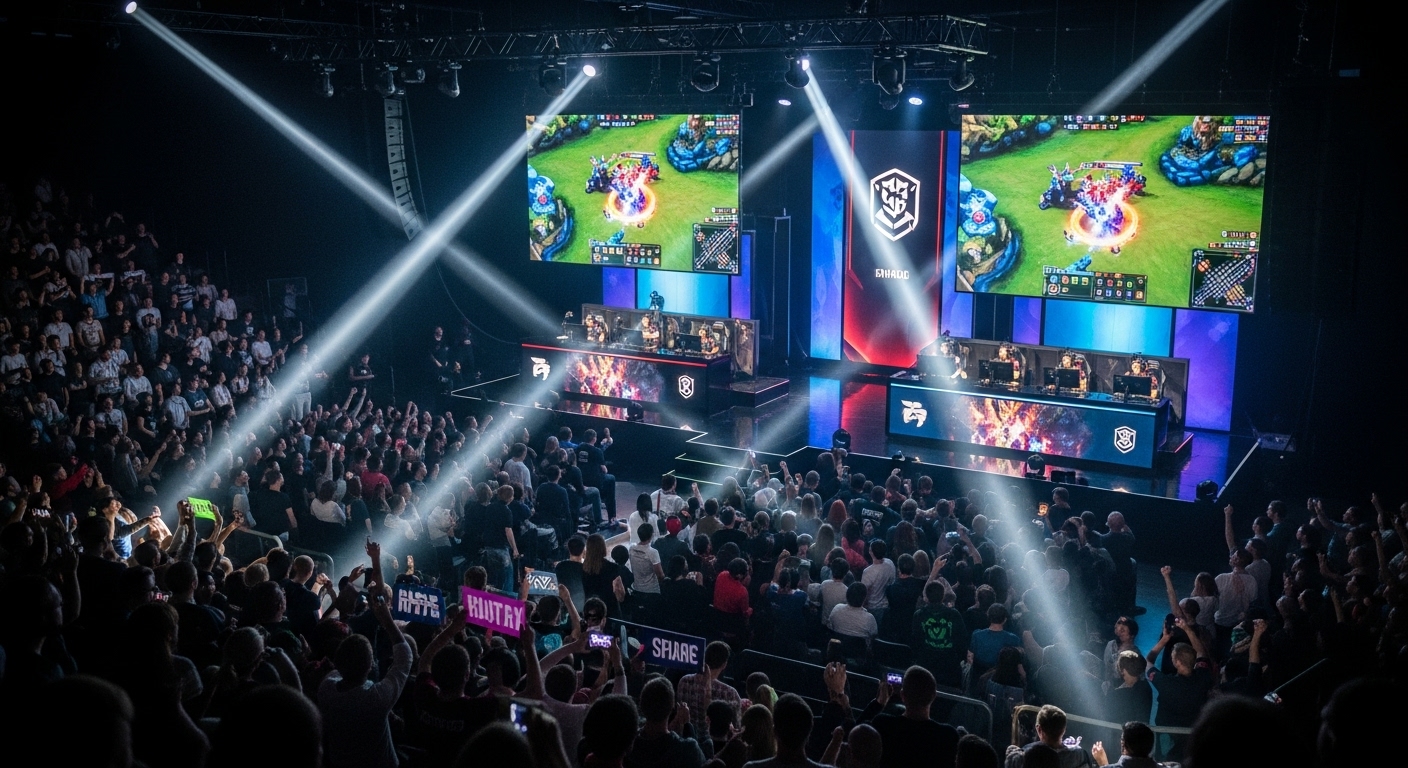
Major tournaments are now held in massive arenas filled with cheering fans, high-tech lighting, and live broadcasting. The prestige of esports has increased so much that players achieve celebrity status, earning significant salaries, endorsements, and fan followings. Franchise-based leagues, organized tournaments, and sponsorships have made competitive gaming a sustainable career option for many.
Popular Esports Games and Their Impact
Esports revolves around specific games, each requiring unique skills and strategies.
League of Legends revolutionized competitive gaming with its team-based strategy and complex gameplay. Its global championships draw millions of viewers and have become cultural events in many countries.
Dota 2 is known for its deep strategic gameplay and massive prize pools, particularly through its annual tournament, The International, which is funded in part by the player community.
Counter-Strike: Global Offensive remains a staple in first-person shooters, emphasizing precision, teamwork, and tactics. Its longevity demonstrates the timeless appeal of competitive shooting games.
Fortnite popularized battle royale esports, combining fast-paced action with creative building mechanics. Its tournaments have introduced a new generation to competitive gaming.
Valorant is a tactical shooter with hero-based abilities, offering strategic depth and requiring both quick reflexes and precise coordination.
These games have helped define the esports ecosystem, creating global communities and fostering competition at both amateur and professional levels.
Esports as a Global Phenomenon
Esports is a worldwide cultural movement that transcends borders, languages, and social backgrounds. Unlike traditional sports, competitive gaming can be accessed by anyone with an internet connection, making it more inclusive and diverse. Countries like South Korea, China, and the United States are esports powerhouses, producing highly skilled teams that dominate international tournaments.
South Korea, in particular, became a pioneer in esports with the popularity of StarCraft, turning players into national celebrities. China’s dominance in games such as Dota 2 and Honor of Kings showcases the country’s investment and massive player base. Meanwhile, the United States and Europe excel in first-person shooters and multiplayer online battle arenas, fostering innovation and high-level competition.
Esports has also penetrated academia, with universities offering scholarships for talented players and creating esports programs within athletic departments. This institutional recognition has helped solidify competitive gaming as a legitimate sport and career path.
The Role of Streaming and Digital Media
Streaming platforms have been instrumental in esports’ explosive growth. Services like Twitch and YouTube allow millions of fans to watch live matches, engage with players, and participate in the community through live chat and donations. Unlike traditional sports, esports thrives in the digital ecosystem, where viewers are active participants rather than passive spectators.
Social media amplifies the reach and cultural impact of esports. Highlights, memes, and viral clips circulate rapidly, drawing attention to both games and players. Teams and players use these platforms to build brands, connect with fans, and promote events, making esports an interactive and engaging experience for audiences worldwide.
Economic Impact and Opportunities
Esports has grown into a multi-billion-dollar industry with diverse revenue streams. Sponsorships, advertising, media rights, merchandise, and event tickets all contribute to its financial success. Top teams and players can earn substantial salaries, with additional income from endorsements and streaming partnerships.
The industry also creates employment opportunities beyond competitive play. Casters, coaches, analysts, event organizers, content creators, and marketers all play vital roles in sustaining and expanding esports. The demand for gaming hardware, software, and streaming equipment continues to grow, highlighting esports’ influence on technology and consumer trends.
Challenges Facing Esports
Despite its rapid growth, esports faces significant challenges. Player burnout is a common issue due to long practice hours and intense competition. Careers in esports tend to be shorter than traditional sports, often peaking in the late teens or early twenties. This raises concerns about long-term well-being and post-competitive opportunities.
Integrity is another concern. Cheating, match-fixing, and unfair play occasionally threaten the industry’s credibility. Unlike traditional sports, esports lacks a centralized governing body, making standardization of rules and player welfare more difficult.
Esports also continues to face skepticism from some audiences who question its legitimacy as a sport. While perception is changing, continuous education, media exposure, and institutional support are essential for broader recognition.
The Future of Esports
The future of esports is bright, driven by technological innovation and increasing global interest. Virtual reality and augmented reality could redefine competitive gaming, creating immersive experiences that combine physical and digital skill. Mobile esports are rapidly growing, particularly in regions where access to PCs and consoles is limited, making competitive gaming more accessible than ever.
Esports is increasingly integrated into mainstream events, including multi-sport competitions and international tournaments. Its influence may expand beyond entertainment into education, health, and technology, offering diverse opportunities for players, creators, and entrepreneurs.
Conclusion: Esports as a Modern Sporting Revolution
Esports represents a digital revolution in competition and entertainment. It combines skill, strategy, and community in ways that resonate globally. For players, it offers a career and a platform for recognition. For fans, it provides excitement, engagement, and community.
As technology continues to evolve and esports gains wider acceptance, it is clear that competitive gaming is more than a trend. It has redefined what it means to compete, entertain, and connect in the digital age. The rise of esports signals a new era where digital arenas hold the same significance as traditional sporting fields, inspiring passion, dedication, and innovation worldwide.