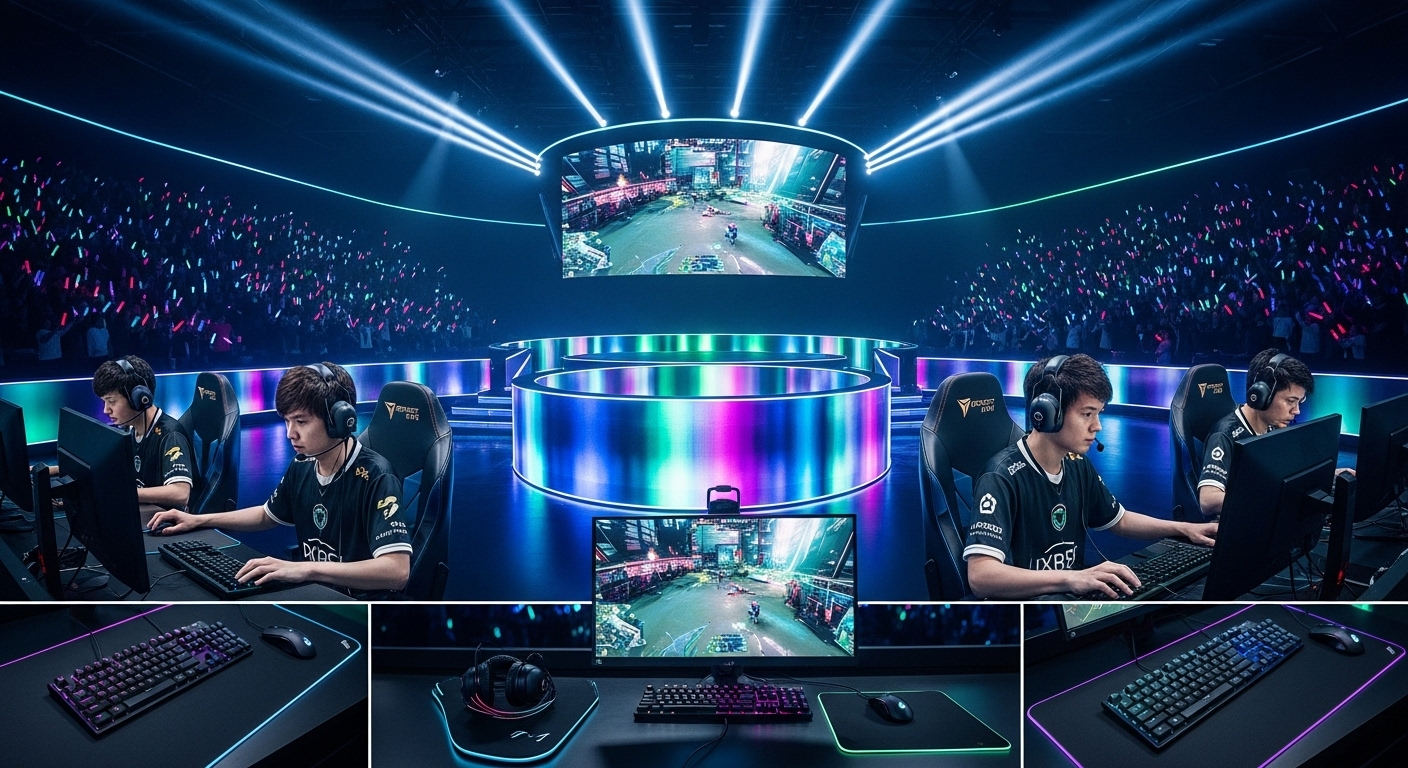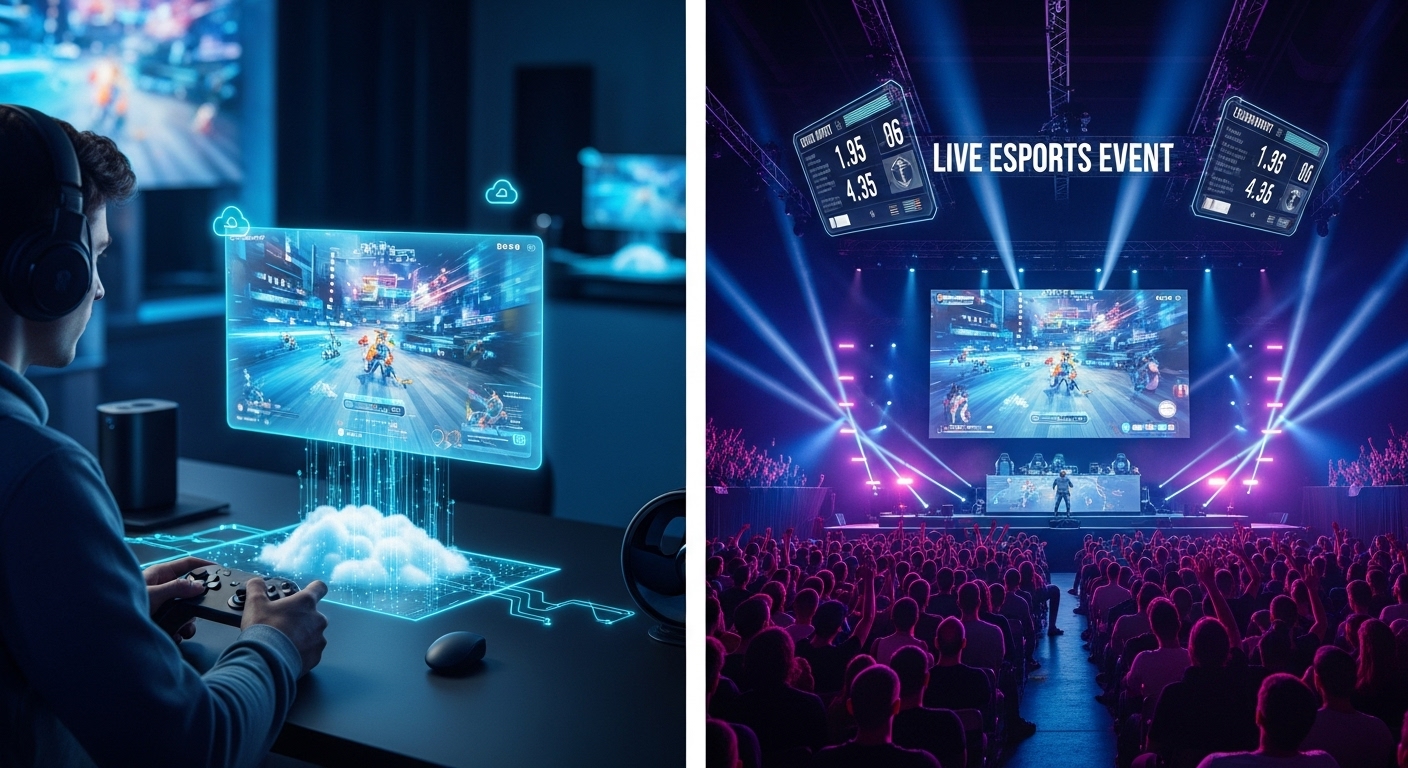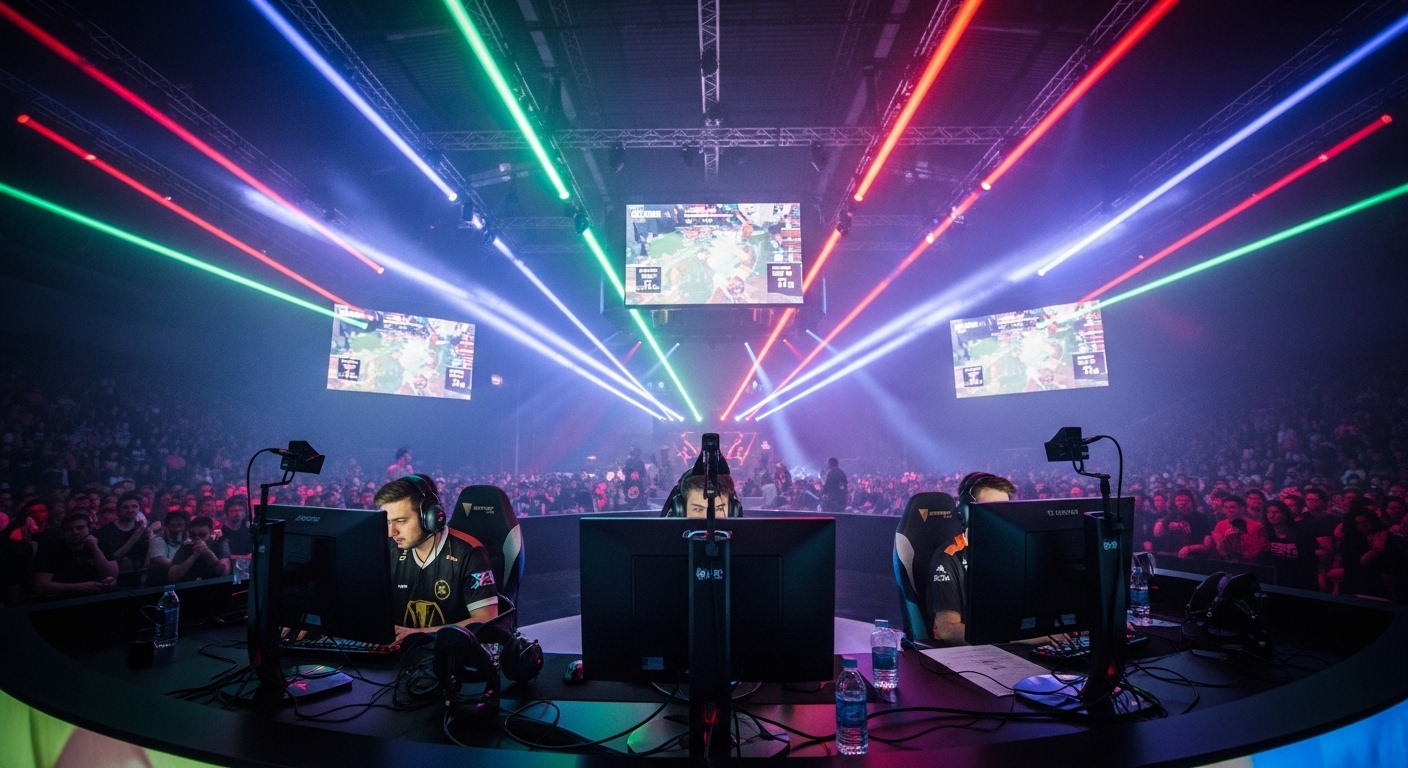





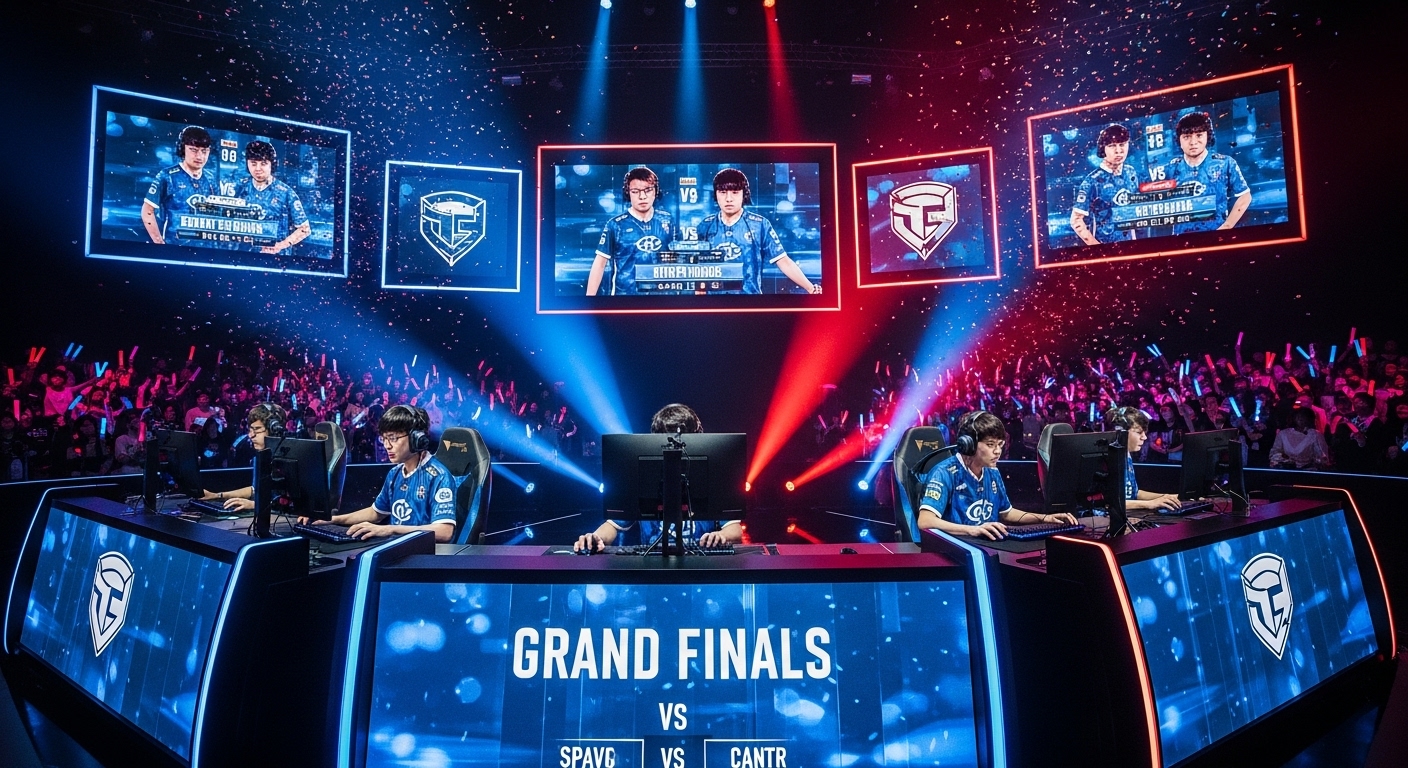
In the past few decades, gaming has gone from a hobby to a global phenomenon, evolving from solitary pastimes in front of a console or PC to a full-fledged industry that rivals traditional sports in terms of audience size, prize money, and cultural impact. One of the driving forces behind this transformation is the meteoric rise of esports, a term that refers to competitive video gaming at a professional level. Esports has become a multi-billion-dollar industry, attracting millions of viewers and players from around the world.
What was once seen as a niche activity has now become a legitimate form of entertainment, with major sponsorships, large-scale tournaments, and an ever-growing community. Esports has successfully bridged the gap between video gaming and traditional sports, becoming a competitive platform that commands respect and attention from mainstream media. This blog post will explore the fascinating growth of esports, its cultural significance, and its impact on the future of digital entertainment.
Understanding Esports: What Is It?
At its core, esports is simply competitive gaming, but it has developed into a multifaceted industry that includes professional leagues, team organizations, sponsorships, live broadcasting, and fan engagement. Esports encompasses a wide range of games, from real-time strategy games like StarCraft II, to first-person shooters like Counter-Strike: Global Offensive (CS:GO), multiplayer online battle arena (MOBA) games such as League of Legends and Dota 2, and even sports simulations like FIFA and NBA 2K.
What sets esports apart from casual gaming is the level of competition. Professional esports players compete in tournaments, which can offer substantial prize money, often in the millions of dollars. These tournaments are broadcasted live, either through dedicated esports streaming platforms like Twitch or through mainstream platforms like YouTube and Facebook Gaming.
Players in the world of esports often represent professional teams or organizations, just like athletes in traditional sports. Teams practice together, strategize, and compete in regular seasons and major championships. Some games even have their own leagues, such as the Overwatch League or the Call of Duty League, with franchised teams similar to those seen in professional sports leagues like the NFL or NBA.
The Growth of Esports: From Niche to Mainstream
While competitive gaming has been around since the 1970s, it wasn’t until the late 2000s and early 2010s that esports truly began to take off. The rise of internet connectivity, faster processors, and online gaming platforms like Steam enabled players from all over the world to connect and compete. The introduction of high-quality live streaming platforms, such as Twitch, provided a space for gamers to share their matches with an audience, turning a once-informal activity into a global spectacle.
The growth of esports has been propelled by several key factors:
1. Technological Advancements
The evolution of gaming hardware and the internet played a critical role in the rise of esports. With the development of faster internet connections, it became easier for players to compete online without lag or interruptions. In parallel, gaming consoles, PCs, and mobile devices have become more powerful, allowing for better graphics, smoother gameplay, and enhanced overall experiences.
2. Live Streaming and Broadcast Platforms
Platforms like Twitch, YouTube Gaming, and Facebook Gaming have democratized esports broadcasting, allowing anyone with an internet connection to stream their gameplay and attract viewers. Twitch, in particular, has become the go-to platform for live streaming, drawing millions of viewers and offering an avenue for gamers to make a living through sponsorships, donations, and ad revenue. These platforms have given rise to gaming influencers and streamers, who have become celebrities in their own right.
3. Professionalization and Infrastructure
Esports has increasingly mirrored traditional sports in terms of structure and organization. Tournaments are now held in massive arenas, attracting tens of thousands of live spectators and millions more watching online. The growth of major leagues and tournaments, such as The International (for Dota 2) and League of Legends World Championship, has added legitimacy and excitement to the scene, with the best players competing for multi-million-dollar prize pools.
Teams, sponsors, and advertisers have embraced esports as a lucrative market. Major corporations like Coca-Cola, Red Bull, and Intel have poured money into esports sponsorships, while professional organizations like Cloud9, Team Liquid, and Fnatic have built up dedicated rosters of top-tier players.
4. The Rise of Social Media
Social media has been another crucial factor in the rise of esports. Platforms like Twitter, Instagram, and Discord have allowed players, teams, and fans to interact in real-time, sharing updates, strategies, and behind-the-scenes content. Esports personalities have built large followings, engaging with fans and creating communities that transcend geographic and cultural boundaries.
The Esports Ecosystem: Players, Teams, and Fans
Esports is not just about the players themselves; it involves a whole ecosystem that includes organizations, sponsors, streamers, and, of course, fans. This ecosystem is what makes esports so unique and sustainable in the long term.
1. Professional Players and Teams
Just like traditional athletes, professional esports players dedicate their lives to honing their skills. They spend hours each day practicing, analyzing gameplay footage, and collaborating with their teams to improve. The level of skill required to succeed in esports is on par with the best athletes in traditional sports, requiring mental sharpness, reflexes, and the ability to perform under pressure.
Esports teams are organizations that recruit top-tier players and manage all aspects of their careers. These teams compete in various leagues and tournaments, with some organizations spanning multiple games. Team Liquid, for instance, has teams in games like Dota 2, CS:GO, and Valorant. These teams are often supported by coaches, analysts, and even psychologists to ensure players perform at their peak.
2. Sponsors and Advertisers
Sponsors are crucial to the financial success of esports. Brands like Red Bull, Adidas, and BMW have partnered with esports organizations, helping to fund events and promote their products to a global audience. Sponsors typically focus on young, tech-savvy audiences who are passionate about gaming and esports. This has led to a new wave of targeted advertising, which blends seamlessly with the esports content.
3. Streaming and Content Creators
The success of esports is inextricably linked to the growth of gaming streamers and content creators. These individuals entertain and engage millions of viewers through platforms like Twitch and YouTube. They often provide live commentary during competitive matches, stream their own gameplay, and even create entertaining videos that showcase gaming culture. Some streamers, like Ninja and Shroud, have become household names, earning lucrative sponsorships and even branching into traditional media.
4. The Fans
Perhaps the most important aspect of the esports ecosystem is its passionate fanbase. Esports fans are deeply committed to their favorite players, teams, and games. They attend live events, cheer for their favorite players, and spend hours watching streams and highlights. The community aspect of esports is a major draw, with fans creating fan art, memes, and forums to discuss their favorite content.
The global reach of esports means that fans can unite across borders to support teams and players from different countries, creating a sense of camaraderie and belonging. Online communities, such as subreddits and Discord servers, allow fans to interact with one another, forming connections that extend beyond the game itself.
The Business of Esports: Money, Sponsorships, and Media Deals
Esports has transformed into a lucrative business in a relatively short period of time. It has attracted investments from venture capitalists, tech giants, and media companies, all eager to cash in on the growing demand for esports content.
1. Revenue Streams
The revenue generated by esports comes from various sources, including tournament prize money, ticket sales, merchandise, media rights, and advertising. Major esports events can attract hundreds of thousands of viewers both in-person and online. For example, The International for Dota 2 has seen prize pools exceeding $30 million, with fans contributing to the prize pool through in-game purchases.
Sponsorships also play a significant role in funding the industry. Major brands see esports as an opportunity to reach a young and engaged audience, and they are willing to pay top dollar for sponsorship deals. Esports teams and event organizers work with sponsors to provide branding opportunities through in-game ads, team jerseys, and even branded content.
2. Media Rights and Broadcast Deals
With the growing popularity of esports, media companies are eager to broadcast major events. The rise of platforms like Twitch, YouTube Gaming, and Facebook Gaming has created new avenues for broadcasting, but traditional media outlets are also jumping on the bandwagon. ESPN, for example, has begun broadcasting esports events, including League of Legends tournaments, to reach a wider audience. Media rights deals for esports tournaments are expected to grow exponentially in the coming years as viewership continues to rise.
3. Esports as a Career Path
As the esports industry grows, so does the potential for individuals to build careers within the ecosystem. Professional players, of course, are at the forefront, but there are also opportunities in coaching, event organization, broadcasting, content creation, and business management. Universities are even offering esports scholarships and degree programs, training the next generation of talent to thrive in the digital arena.
The Future of Esports: What’s Next?
The future of esports is incredibly bright, with a number of trends shaping its growth. Esports is expected to become even more mainstream, with more traditional sports organizations and investors jumping on board. We may see the development of new games that cater specifically to competitive play, as well as innovations in virtual reality (VR) and augmented reality (AR)