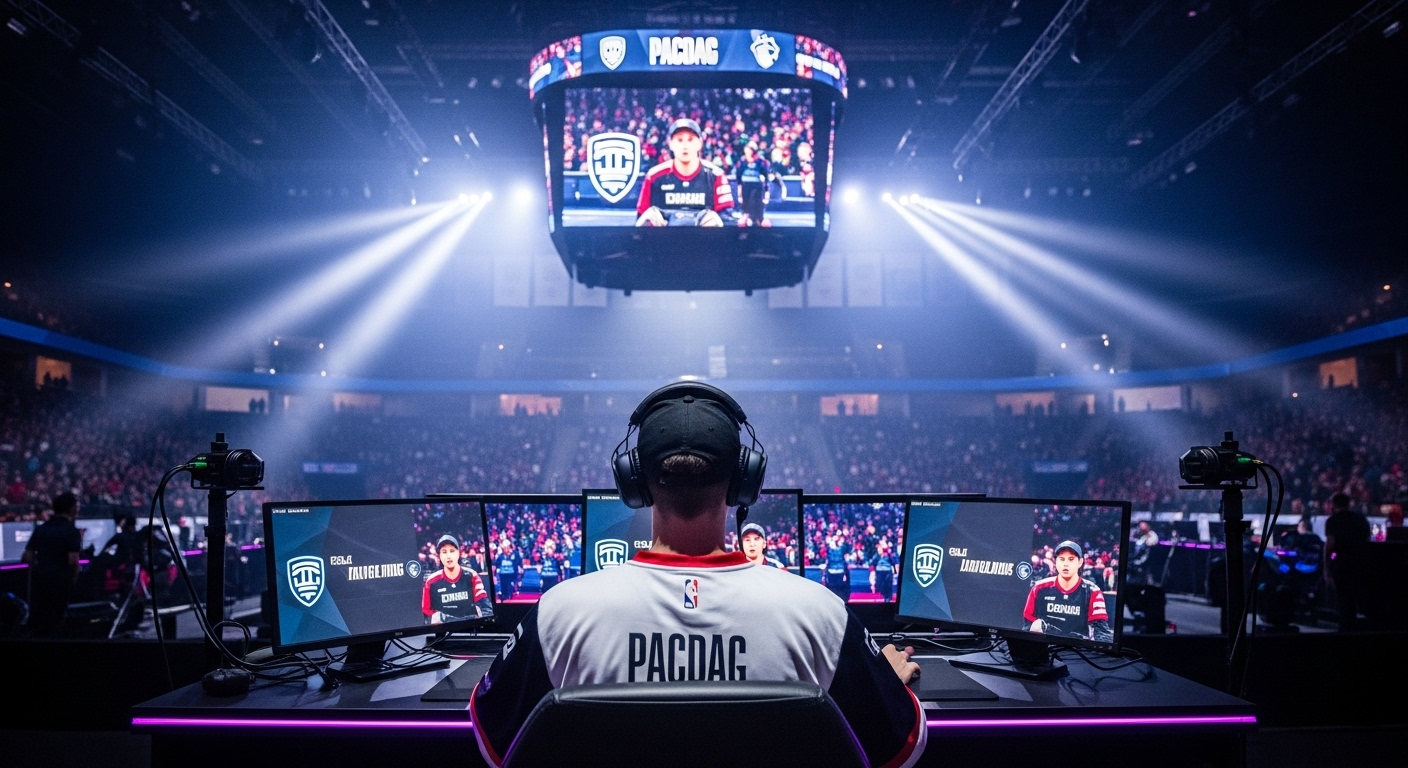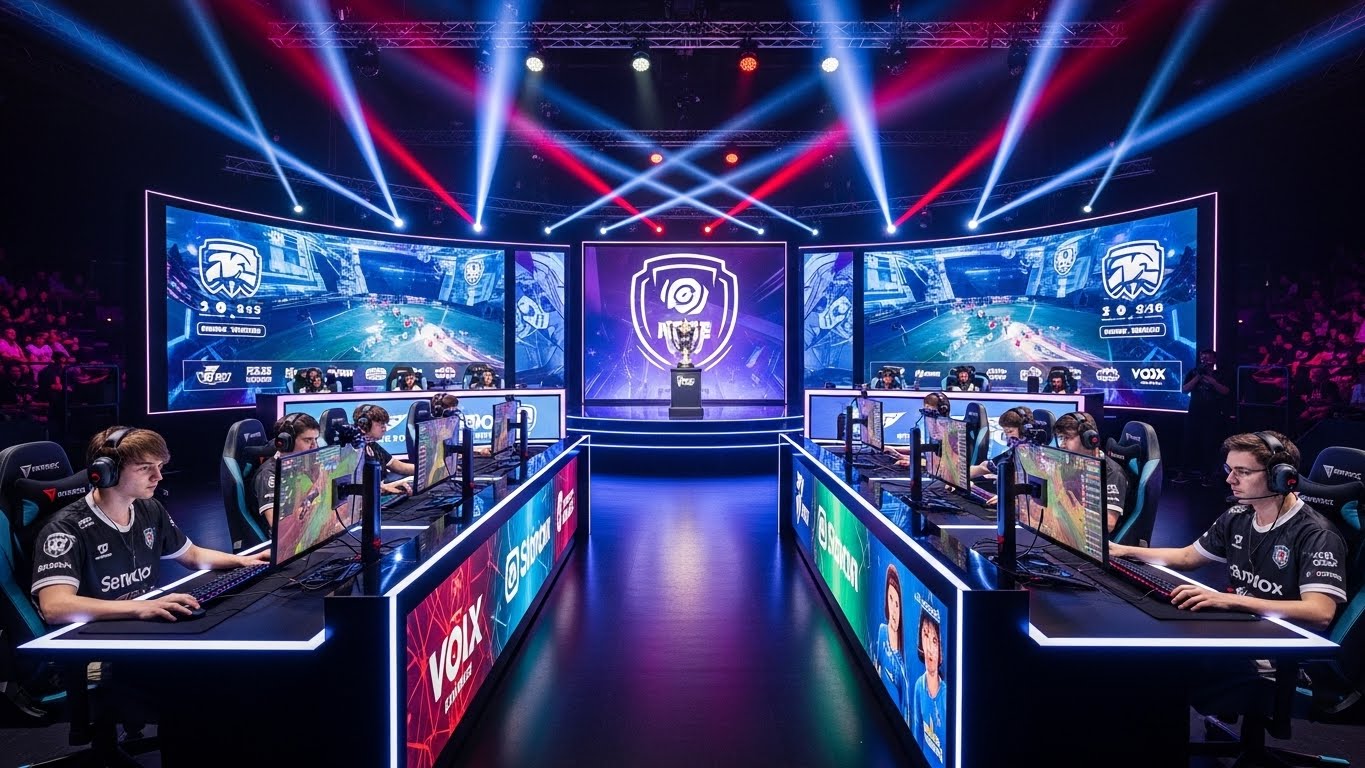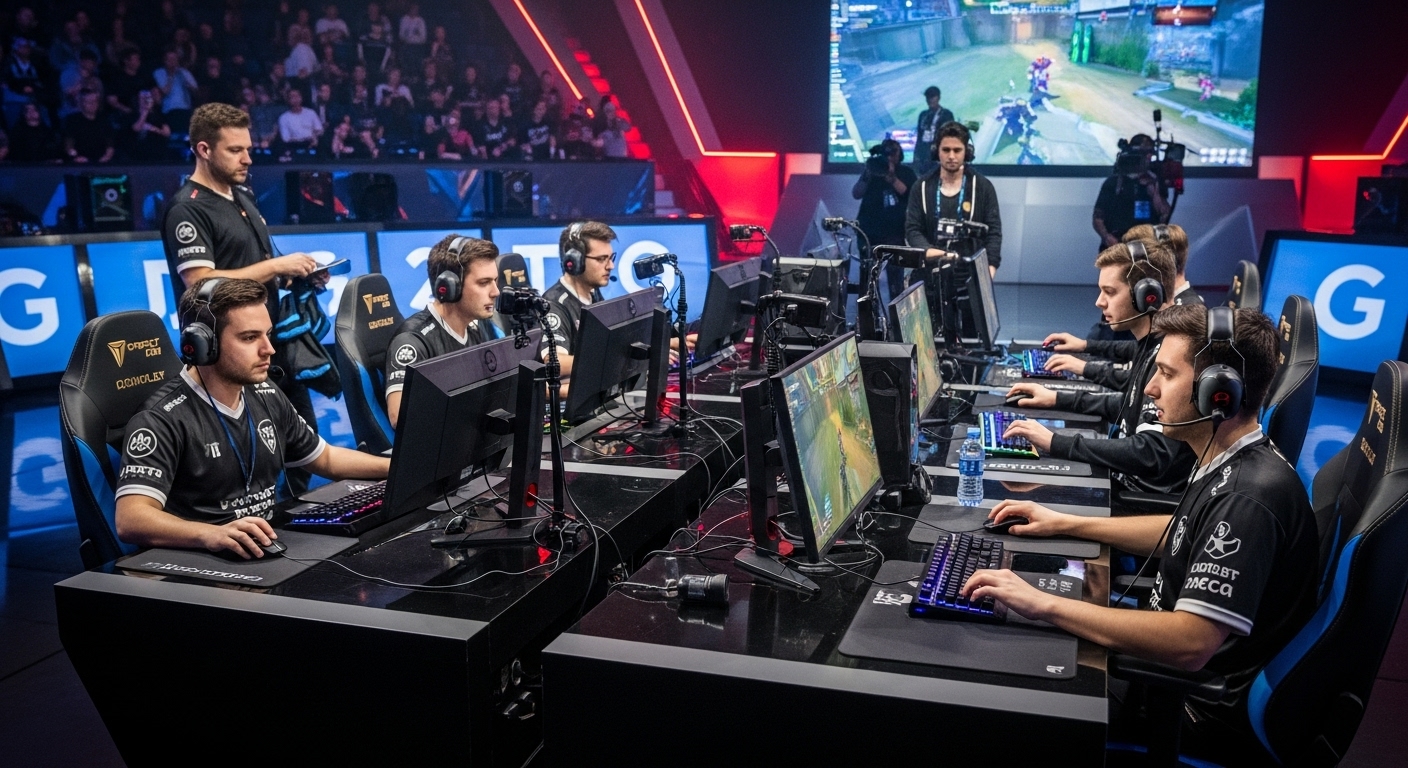





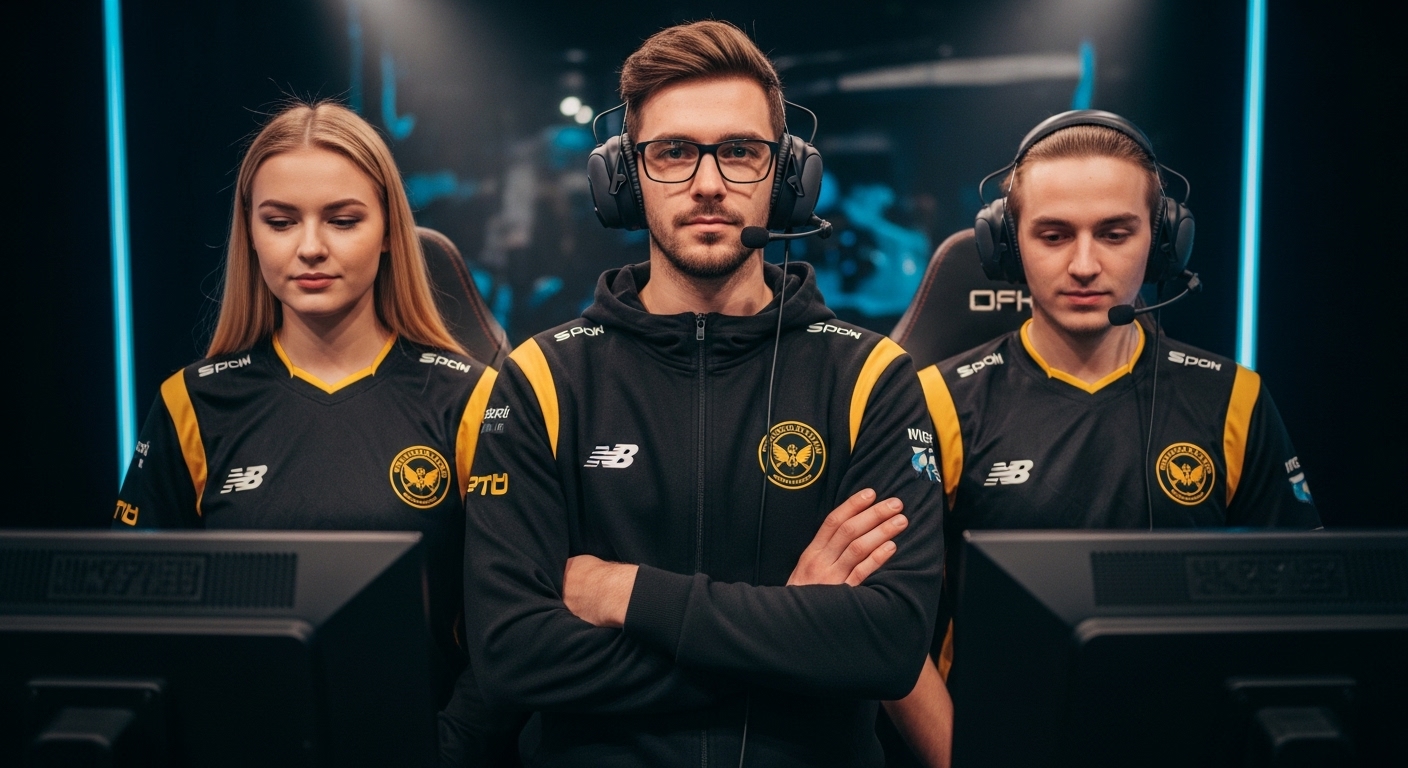
Esports, or competitive gaming, has evolved from a niche pastime into a global phenomenon that rivals traditional sports in popularity, viewership, and revenue. Once considered a hobby for teenagers and tech enthusiasts, esports is now a professionalized industry with global tournaments, celebrity players, sponsorship deals, and massive fan followings. Its rise reflects the transformation of entertainment in the digital era, blending technology, competition, and culture into a unique form of sport. This blog explores the history, impact, challenges, and future of esports, illustrating why competitive gaming has become a defining feature of modern entertainment.
The Origins of Competitive Gaming
Competitive gaming has existed almost as long as video games themselves. In the 1970s and 1980s, arcade machines offered players the chance to compete for high scores and local recognition. Classic games like Space Invaders, Pac-Man, and Donkey Kong provided the foundation for early competitive play. These tournaments were small-scale and localized but demonstrated the inherent appeal of gaming as a competitive activity.
With the rise of personal computers and networked gaming in the 1990s, competitive gaming began to take on a new dimension. Games such as StarCraft and Counter-Strike allowed players to compete online, sometimes across continents. LAN parties, where players connected their computers locally to compete, became social and competitive hubs. During this period, gaming culture began to solidify around community, skill, and strategy—core elements that still define esports today.
The Emergence of Modern Esports
The 2000s marked the birth of esports as we know it. The term “esports” gained traction as competitive gaming became more structured and professionalized. South Korea played a pivotal role in this transformation, particularly through StarCraft, which became a national pastime. Dedicated esports stadiums, televised matches, and professional leagues elevated gaming from hobbyist activity to spectator sport.
Global tournaments began to emerge for games such as League of Legends, Dota 2, and Counter-Strike: Global Offensive. These competitions drew international attention, offering substantial prize pools that attracted top talent. Esports was no longer limited to small communities—it was becoming a commercial and cultural force.
The Role of Streaming Platforms
The rise of streaming platforms has been critical to the growth of esports. Platforms like Twitch, YouTube Gaming, and Facebook Gaming allow fans to watch live matches, interact with players, and engage with content in real time. Streaming has democratized viewership, making tournaments accessible to millions worldwide, regardless of location.
Streaming has also empowered amateur players to gain recognition. Talented gamers can build audiences by showcasing their skills, potentially attracting sponsorships or invitations to competitive teams. This interaction between players and viewers strengthens the esports ecosystem, creating a vibrant community that extends beyond traditional competition.
The Economics of Esports
Esports has grown into a multi-billion-dollar industry with diverse revenue streams. Sponsorships, advertising, merchandise, ticket sales for live events, and media rights all contribute to the financial ecosystem. Major global brands have recognized esports as an effective way to engage younger audiences, investing heavily in teams, tournaments, and marketing campaigns.
Professional esports teams operate like traditional sports franchises. They have coaches, analysts, marketing teams, and content creators, all contributing to the growth and profitability of the organization. This professionalization has created a broad array of career opportunities beyond players, including event management, broadcasting, content production, and analytics.
Esports as a Career
Professional esports offers opportunities not just for players but for many roles within the ecosystem. Top-tier players can earn salaries, prize money, and sponsorship deals comparable to traditional athletes. Achieving professional status requires discipline, practice, and strategic thinking. Training schedules are rigorous, and teamwork is essential, especially in multiplayer games where coordination can determine victory.
Beyond players, careers in coaching, content creation, event management, and broadcasting are growing rapidly. Shoutcasters, who provide live commentary for matches, have become celebrities in their own right. Analysts and strategists support teams with performance insights, while content creators expand the audience and maintain fan engagement. Formal esports training programs and academies are emerging, reflecting the increasing legitimacy of esports as a career path.
Popular Esports Titles
Esports is defined by the games themselves. Popular titles vary in genre and style, but each has cultivated competitive communities and fan followings. Multiplayer online battle arena games like League of Legends and Dota 2 are among the most-watched esports, with international tournaments offering millions in prize money. First-person shooters like Counter-Strike: Global Offensive and Call of Duty emphasize strategy, reflexes, and teamwork.
Other games such as Fortnite, Overwatch, and Rocket League have expanded the esports landscape, blending unique mechanics with spectator-friendly gameplay. Sports simulations like FIFA and NBA 2K also contribute, bridging traditional sports fans with digital competition. The diversity of games allows esports to cater to a wide audience, offering competition for every type of gamer.
The Cultural Impact of Esports
Esports has become more than a competitive pursuit; it is a cultural phenomenon. Fans engage deeply with teams and players, attending live events, purchasing merchandise, and participating in online communities. Social media amplifies the cultural presence of esports, allowing fans to share highlights, memes, and commentary. Cosplay, fan art, and themed content further integrate esports into popular culture.
Esports also fosters inclusivity, connecting people across geographic, linguistic, and cultural boundaries. Online tournaments enable international collaboration and competition, while communities provide spaces for learning, socializing, and sharing strategies. The rise of esports has challenged outdated stereotypes about gaming, demonstrating that it requires skill, strategy, and dedication comparable to traditional sports.
Challenges Facing Esports
Despite its rapid growth, esports faces several challenges. Professional players face immense pressure, including intense training schedules, public scrutiny, and the risk of burnout. Mental health is a critical concern, prompting organizations to provide support systems for players. Maintaining a balance between performance and well-being is an ongoing challenge in the industry.
Fair play and regulation are also important issues. Ensuring that competitions are transparent, balanced, and free from cheating is essential to maintain credibility. Additionally, the industry must navigate questions about monetization, intellectual property, and the influence of streaming platforms, all while maintaining sustainable growth and community trust.
The Future of Esports
The future of esports is filled with potential. Technological advancements in virtual reality, augmented reality, and mobile gaming are creating new forms of competition and immersive experiences. As esports continues to integrate with mainstream media, sponsorships, and traditional sports, its cultural influence is expected to grow.
Education and formal training programs for esports will likely become more prevalent, providing structured pathways for aspiring professionals. Advances in analytics and performance tracking will enhance strategy, coaching, and fan engagement. The continued evolution of esports will likely blur the lines between traditional sports, digital entertainment, and interactive media, creating a hybrid experience for players and viewers alike.
Conclusion
Esports has transformed from small-scale gaming competitions into a global entertainment powerhouse. It combines skill, strategy, and spectacle, attracting millions of players and fans worldwide. The industry provides professional opportunities, fosters cultural connections, and continues to innovate with technology and media.
While challenges exist, including mental health concerns and regulation, the growth and professionalization of esports demonstrate its legitimacy and long-term potential. From arcades and LAN parties to stadiums filled with cheering fans and millions watching online, esports is no longer a niche activity. It is a defining feature of modern entertainment, poised to shape culture, technology, and the future of competitive sports for years to come.