




Esports, the competitive side of video gaming, has transformed from a niche hobby to a multi-billion dollar industry with a massive global following. What started in the 1970s as informal competitions between friends has now blossomed into a worldwide phenomenon, with professional leagues, sponsorships, and millions of viewers tuning in to watch their favorite players and teams compete. As esports continues to grow in popularity, it’s reshaping the landscape of entertainment and sports. In this blog post, we’ll explore the rise of esports, its cultural impact, the mechanics of competitive gaming, and the future of the industry.
The Origins of Esports: From Arcade Games to Professional Leagues
The roots of esports can be traced back to the early days of video gaming. In the 1970s, video games like Pong and Space Invaders were released in arcades, sparking interest in competitive play. However, the first formal esports event took place in 1980 with the Space Invaders Championship, hosted by Atari. Thousands of players across the United States participated, marking the beginning of competitive gaming on a larger scale.
As video game technology advanced in the 1990s, competitive gaming began to grow in parallel. Games like Quake and StarCraft became popular in the professional gaming scene, particularly in South Korea. The introduction of online multiplayer gaming in the late 1990s allowed players to compete with each other from different regions, further fueling the competitive gaming culture. In the early 2000s, the rise of online gaming platforms such as Battle.net for Blizzard’s StarCraft and Warcraft titles helped establish the foundation for modern esports.
The Growth of Esports: Turning Passion into Profession
In the mid-2000s, the rise of streaming platforms such as Twitch and YouTube Gaming brought esports to a much broader audience. Streaming allowed players to broadcast their matches live to a global audience, while fans could interact in real-time through live chats and social media. This interaction added a new layer to the esports experience, with fans being able to communicate directly with players, discuss strategies, and share in the excitement of the competition.
As more people began to watch esports events, major gaming companies started to recognize the potential of the industry. Titles like League of Legends, Dota 2, Counter-Strike: Global Offensive, and Overwatch became central to competitive gaming. These games not only created dedicated communities but also set the stage for esports tournaments that offered significant prize pools. One of the most notable examples is The International, the annual Dota 2 tournament, which offers one of the largest prize pools in esports history, often exceeding $30 million.
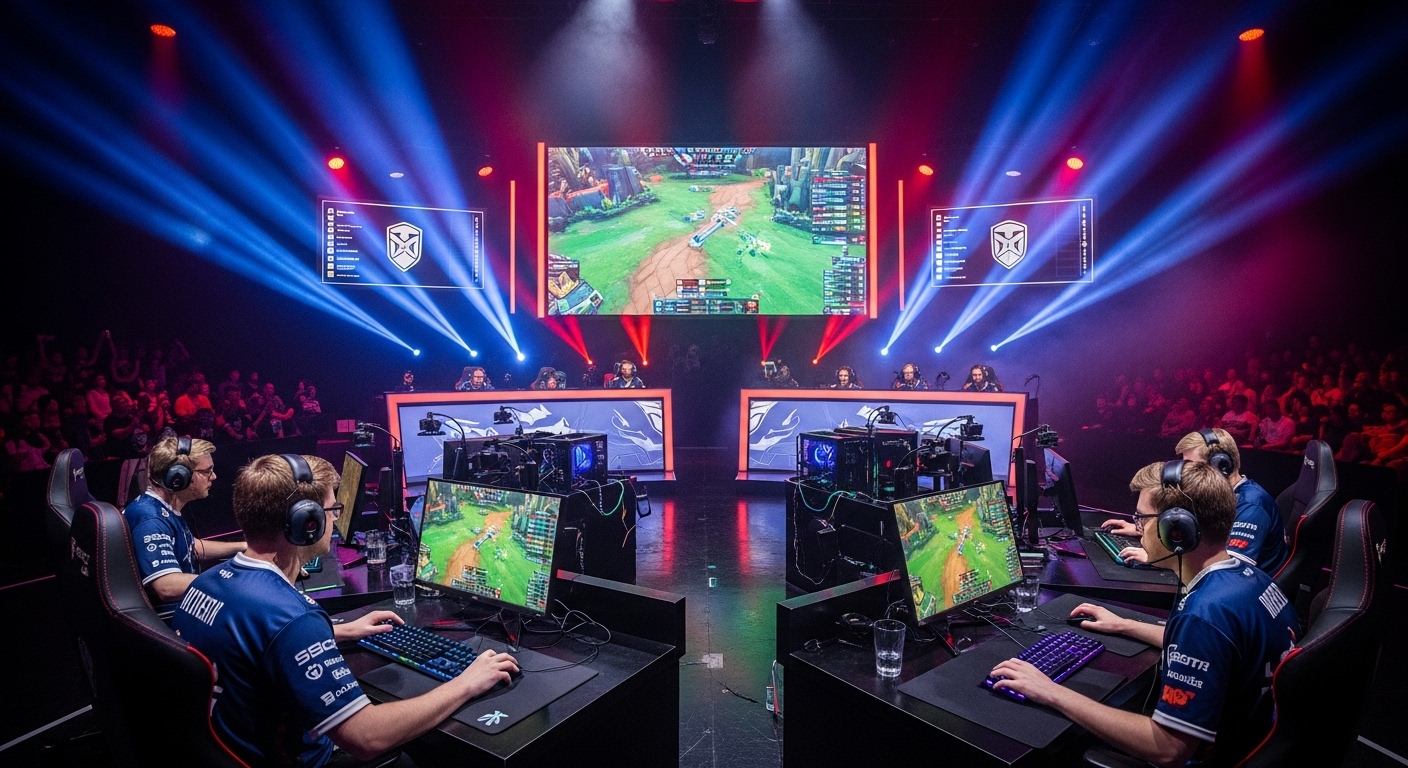
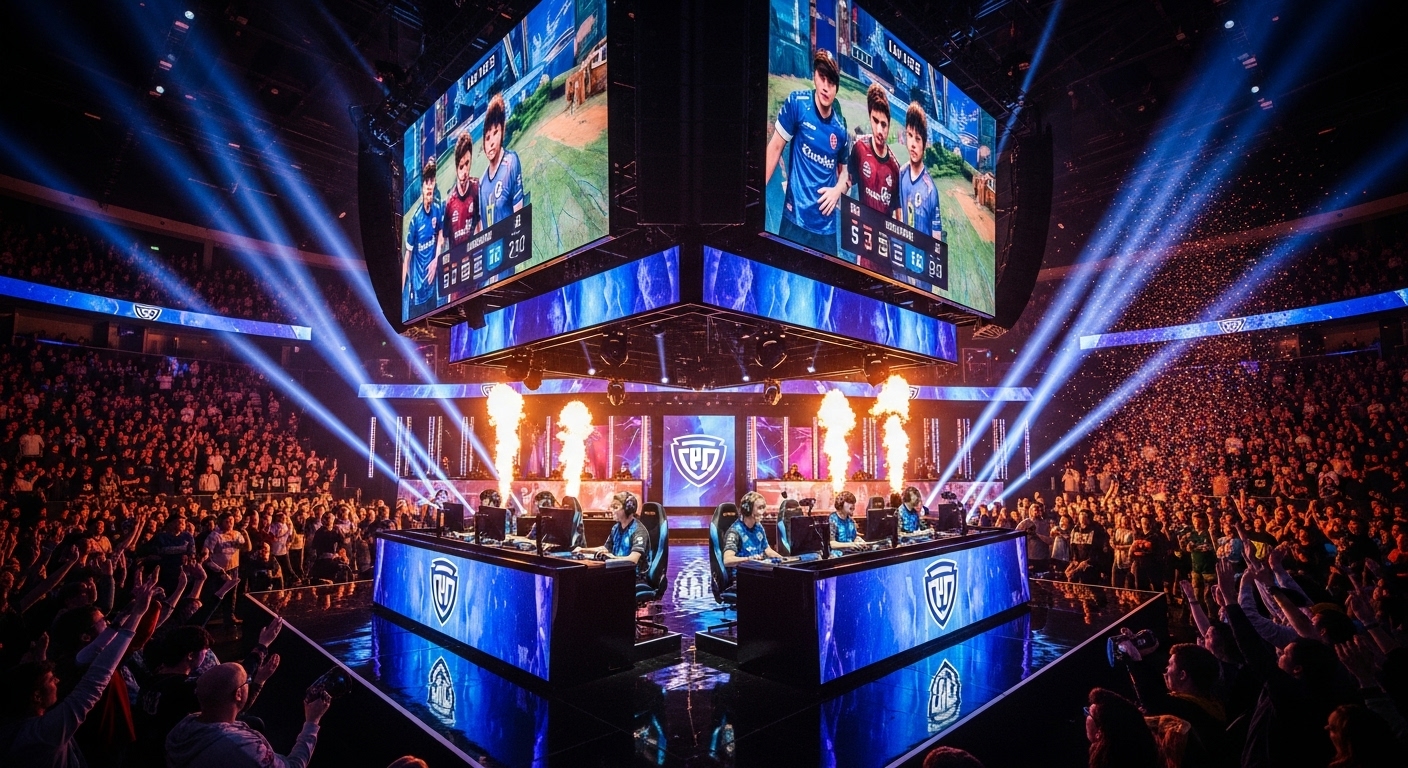
In addition to the rise of online streaming, the advent of live esports events further helped the industry’s growth. Large-scale tournaments like the League of Legends World Championship and Overwatch League started attracting millions of viewers both online and in person. The scale of these events is comparable to traditional sports leagues, with stadiums being filled with enthusiastic fans who cheer for their favorite teams, much like the way football or basketball fans fill stadiums.
Esports Players: From Gamers to Superstars
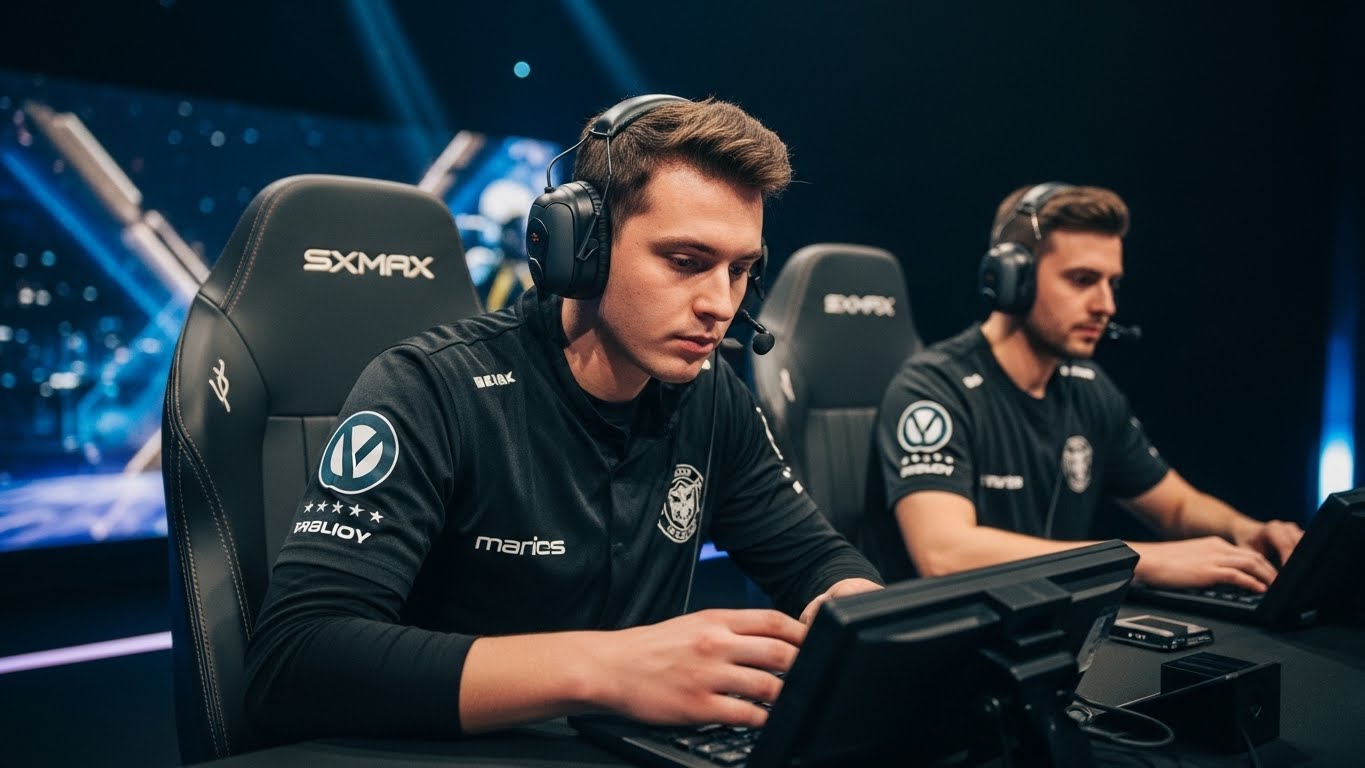
Professional esports players are the heart of the industry. While the path to becoming a professional player varies, most top-tier competitors start at a young age, often practicing for hours each day to hone their skills. Professional esports athletes often dedicate their lives to mastering specific games, as competition is fierce, and the level of play continues to increase with each year.
Many professional gamers come from humble beginnings, starting with online matches or small-scale local tournaments. However, as their skills improve and they gain recognition within the gaming community, they are often scouted by established esports organizations. These organizations, such as Cloud9, Team Liquid, and FaZe Clan, sign players to contracts, providing them with support in the form of coaching, training facilities, sponsorships, and salaries. These teams play a critical role in nurturing talent, developing strategies, and competing in global tournaments.
Some esports players have achieved superstar status, attracting millions of fans across the globe. Players like Faker (Lee Sang-hyeok) from League of Legends, N0tail (Johan Sundstein) from Dota 2, and Shroud (Michael Grzesiek) from Counter-Strike have become household names in the esports world. These players not only excel at their respective games but also build strong personal brands through streaming and social media. Their popularity has elevated esports to the level of traditional sports in terms of fan engagement and sponsorship opportunities.
Esports Tournaments: The Thrill of Competition
Esports tournaments are where the most intense action takes place. These competitions range from local events with a few hundred participants to massive global tournaments with millions of viewers. The format of these tournaments can vary, with some games focusing on individual play, while others emphasize team-based competition.
Major Esports Tournaments
The International (Dota 2), League of Legends World Championship, and CS:GO Major Championships are among the biggest and most prestigious esports tournaments in the world. These events feature the best teams and players from around the globe, competing for large prize pools and the title of champion. The sheer scale of these tournaments is impressive, with prize pools sometimes reaching tens of millions of dollars, and the 2021 The International had a prize pool of over $40 million, primarily funded through crowd-sourced contributions from players and fans.
Esports tournaments are broadcast live, both online and on television, with expert commentators providing real-time analysis of the action. The high production values of these events, including flashy graphics, live commentary, and post-match interviews, contribute to the excitement and entertainment of esports, making it engaging for both casual viewers and hardcore fans.
Regional Leagues
In addition to international tournaments, there are also regional leagues that operate on a seasonal basis, such as the Overwatch League, League of Legends Championship Series (LCS), and Call of Duty League. These leagues have their own set of teams, with players competing against each other in a regular season, followed by playoffs that lead to a grand championship. These leagues mirror traditional sports leagues in terms of format, with teams playing in front of fans in live venues, all while being broadcasted to a global audience.
These regional leagues also serve as a breeding ground for young talent, giving up-and-coming players the opportunity to prove themselves at the highest level. They help maintain the longevity of the esports scene, as they ensure that there is a constant pipeline of new talent entering the competitive circuit.
The Esports Economy: Sponsorships, Revenue, and Merchandise
Esports is not only a sport for players but also a thriving industry driven by a wide range of economic factors. The economy of esports includes sponsorships, media rights, advertising, merchandise sales, and ticket sales for live events. In recent years, the esports market has exploded, with projections estimating that the industry will generate over $1 billion in revenue annually.
Sponsorships and Investment
Major brands, both inside and outside the gaming industry, have poured millions into esports through sponsorship deals. Companies like Coca-Cola, Intel, Red Bull, and Nike sponsor esports tournaments and teams, providing financial support while gaining exposure to the industry’s huge audience. These sponsorships have been crucial in professionalizing esports, enabling players and teams to earn salaries and compete full-time.
Additionally, esports teams often sign deals with manufacturers and tech companies that provide equipment like gaming peripherals, computers, and headsets. These deals further fuel the economic growth of the industry, as brands continue to recognize the potential of esports as an advertising and marketing platform.
Merchandise Sales
Merchandising has also become a significant source of revenue in esports. Fans of specific teams and players eagerly purchase jerseys, hats, posters, and other memorabilia to show their support. This fan-driven economy has resulted in millions of dollars in sales, as fans look for ways to connect with their favorite esports figures.
Media Rights and Broadcasting
As esports gains more mainstream attention, the media rights for tournaments and leagues are becoming increasingly valuable. Major broadcasters like ESPN, TBS, and NBC Sports have started airing esports events, signaling that the industry is now seen as a legitimate form of entertainment. Online platforms such as Twitch, YouTube Gaming, and Facebook Gaming remain the primary sources for live-streaming esports, but the rise of traditional media partnerships indicates that the entertainment value of esports is widely recognized.
The Cultural Impact of Esports: A Global Community
One of the most significant aspects of esports is the global community it fosters. Fans and players from every corner of the world come together to share in their love of gaming and competition. This international nature of esports has helped break down geographical and cultural barriers, creating a sense of unity among players and fans alike.
Esports has also become a tool for socialization. Online platforms like Twitch allow fans to interact with players and each other, providing a sense of belonging. Streaming platforms, in particular, have given players and teams a direct line to their fanbase, where they can build relationships, share content, and engage in discussions about games, strategies, and the esports scene.
Additionally, esports has created new career opportunities beyond just being a professional player. From coaches and analysts to broadcasters, event organizers, and content creators, the esports ecosystem offers various avenues for those interested in the industry.