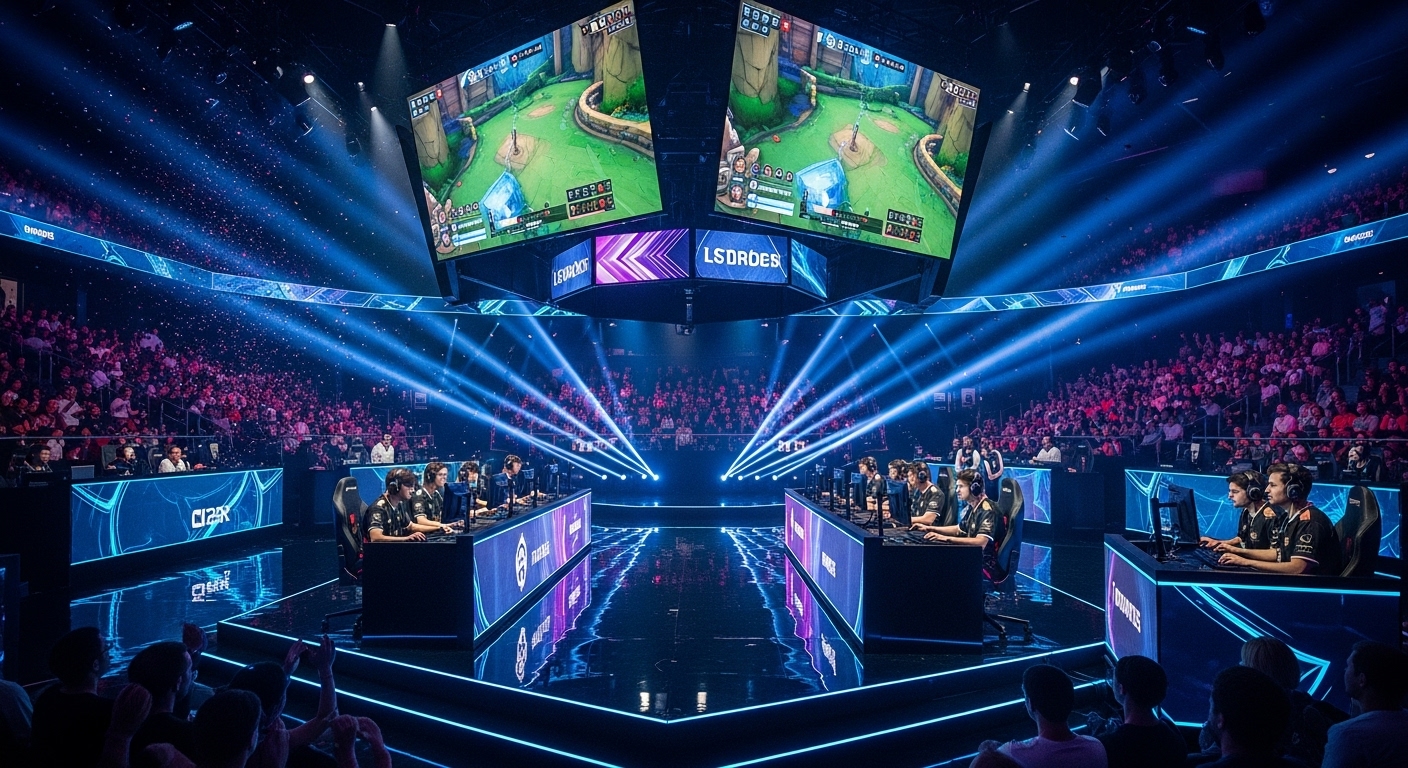





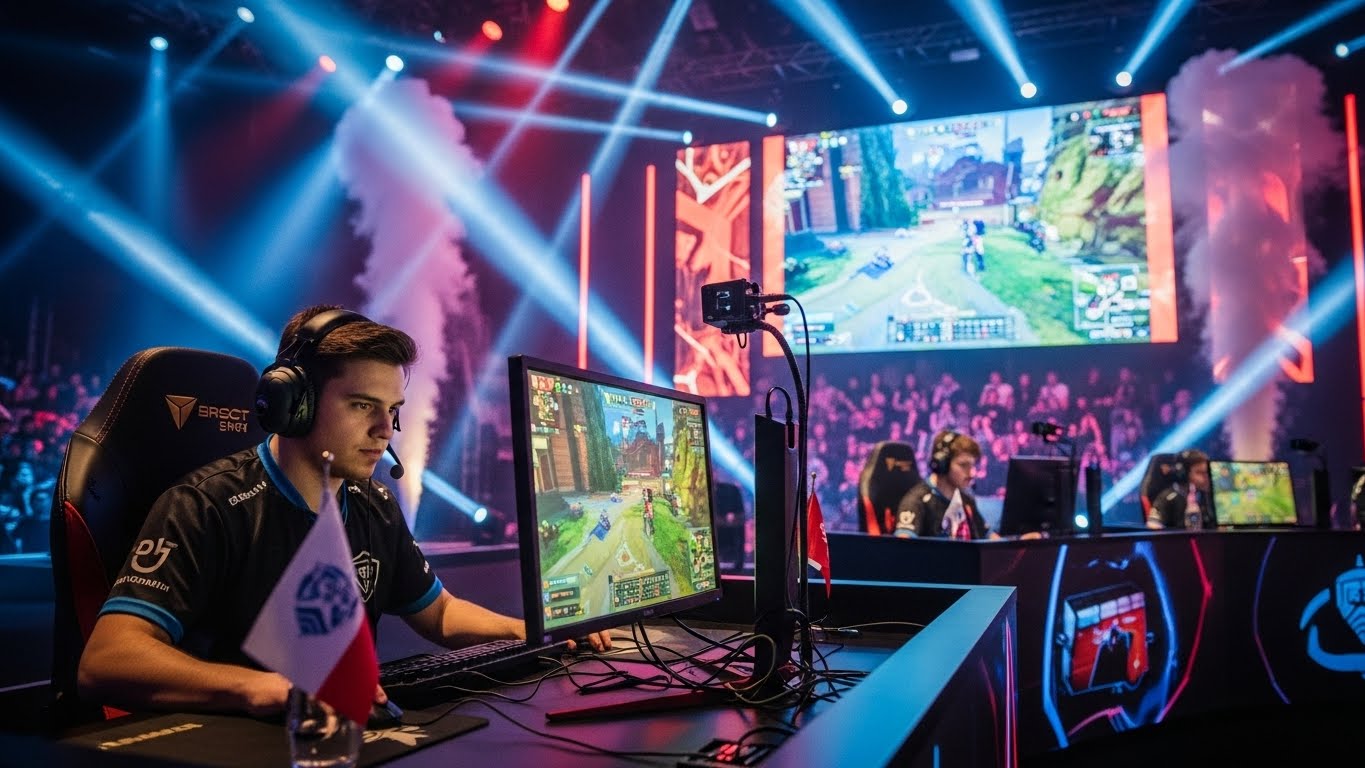
Esports has rapidly transformed from a niche hobby into a global phenomenon that captivates millions of players and spectators alike. What was once considered a pastime for enthusiasts is now a multi-billion-dollar industry, offering professional careers, massive tournaments, and a worldwide fanbase. Competitive gaming blends technology, skill, strategy, and entertainment, redefining how society views sports and digital culture. This article explores the rise, impact, and future of esports, shedding light on its influence in modern society.
The Origins of Esports
The roots of esports can be traced back to the early days of video gaming. In the 1970s and 1980s, arcade competitions, high-score challenges, and local gaming contests provided early opportunities for competition. Games like Space Invaders, Pac-Man, and Donkey Kong created communities of players striving to achieve top scores, laying the groundwork for competitive gaming.
With the advent of personal computers and local networks in the 1990s, esports began to formalize. Real-time strategy games and first-person shooters became platforms for organized competition. Titles like StarCraft and Quake offered players opportunities to compete in local and online tournaments, fostering early esports communities. These developments marked the transition from casual play to organized competitive gaming.
The Rise of Professional Esports
The 2000s saw the professionalization of esports, particularly in countries like South Korea. Professional gaming leagues emerged, complete with salaries, sponsorships, and televised competitions. Esports became a legitimate career path, and top players gained celebrity status.
Games like League of Legends, Dota 2, Counter-Strike, and Overwatch became central to the esports ecosystem. International tournaments drew massive audiences, with prize pools reaching millions of dollars. The rise of professional leagues and organized competitions elevated esports from a hobby to a structured industry with global recognition.
Popular Genres and Game Titles
Esports encompasses a wide range of genres, each requiring unique skills and strategies. Multiplayer online battle arenas (MOBAs) like League of Legends and Dota 2 demand teamwork, strategy, and quick decision-making. First-person shooters such as Counter-Strike and Call of Duty emphasize precision, reflexes, and coordination.
Fighting games, sports simulations, and battle royale titles also contribute to the diversity of esports. Each genre attracts different audiences and fosters specialized skill sets, ensuring that esports remains inclusive and appealing to a wide range of players and fans.
The Role of Streaming Platforms
Streaming platforms have played a pivotal role in the growth of esports. Gamers can broadcast their matches in real-time, attracting global audiences and building communities around their content. These platforms have turned professional players into influencers and celebrities, creating new revenue streams through sponsorships, advertising, and fan support.
Streaming also allows fans to engage directly with esports content. Viewers can watch live tournaments, interact with players, and participate in discussions. This real-time engagement strengthens the connection between players and their audience, making esports not only a competitive sport but also a form of entertainment and social interaction.
The Economics of Esports
Esports has evolved into a multi-billion-dollar industry with multiple revenue streams. Sponsorships, advertising, ticket sales, merchandise, and media rights contribute to the economic ecosystem. Professional leagues, tournament organizers, and teams generate revenue while providing players with salaries, endorsements, and prize winnings.
Corporate sponsorships are particularly important, as brands recognize the marketing potential of esports audiences. Investments in training facilities, event production, and digital platforms support industry growth. The economic impact of esports extends beyond players and organizers, creating careers for coaches, analysts, commentators, and support staff.
Training and Player Development
Professional esports players undergo rigorous training similar to traditional athletes. They spend hours practicing game mechanics, analyzing opponents, and refining strategies. Team coordination, communication, and mental resilience are essential for success.
Youth programs, esports academies, and development leagues nurture emerging talent. These programs provide mentorship, coaching, and resources to help players reach professional levels. Structured training ensures high-quality competition and elevates the standards of professional esports globally.
Women in Esports
Historically, esports has been male-dominated, but female participation is growing rapidly. Women are breaking barriers as players, commentators, and content creators, advocating for inclusivity and equal representation. Dedicated tournaments and leagues for women have emerged, providing platforms to showcase talent and inspire future generations.
Promoting diversity in esports enriches the competitive environment, fosters creativity, and broadens audience engagement. Women’s contributions demonstrate that competitive gaming is a universal pursuit that transcends gender boundaries.
Social and Cultural Impact
Esports has created vibrant communities where players and fans connect over shared passion. Online forums, social media groups, and live events foster collaboration, learning, and social interaction. These communities encourage the exchange of strategies, ideas, and experiences, building friendships and connections across borders.
Culturally, esports challenges traditional perceptions of sports and competition. It highlights that physical activity is not the only path to skill and excellence. Mental agility, reflexes, and strategic thinking are equally celebrated, reshaping societal notions of athleticism. Esports also influences entertainment, fashion, and digital culture, becoming a significant aspect of contemporary life.
Challenges Facing Esports
Despite its success, esports faces several challenges. The intense pressure to perform can lead to stress, burnout, and mental health concerns among professional players. Issues such as cheating, match-fixing, and doping threaten the integrity of competitions. Additionally, access to technology and resources is uneven, limiting opportunities for aspiring players in certain regions.
Addressing these challenges requires collaboration among game developers, organizers, governing bodies, and communities. Policies that promote fair play, player welfare, and accessibility are crucial for the sustainable growth of esports.
The Future of Esports
The future of esports is filled with potential. Emerging technologies such as virtual reality and augmented reality are expected to create immersive competitive experiences. Artificial intelligence can enhance gameplay, training, and strategy development, offering new challenges and opportunities for players.
Esports is also expanding into education, with programs teaching skills like teamwork, problem-solving, and digital literacy. Hybrid events, combining in-person and online experiences, will continue to redefine how audiences engage with competitive gaming. The industry is poised to grow further, integrating seamlessly into mainstream entertainment and culture.
Esports as a Global Phenomenon
Esports has transcended geographic and cultural boundaries, bringing together players and fans from around the world. International tournaments foster collaboration, cultural exchange, and competition. Esports communities celebrate diversity, creativity, and skill, making competitive gaming a unifying force.
Global accessibility and digital connectivity ensure that esports continues to expand its reach. Players and fans can participate regardless of location, creating opportunities for collaboration, learning, and shared experiences. The worldwide nature of esports emphasizes its potential to unite people through skill, competition, and entertainment.
Conclusion: Esports as a Transformative Force
Esports has emerged as a transformative force in modern entertainment, blending technology, skill, competition, and culture. It has created professional careers, global communities, and large-scale events that rival traditional sports in excitement and reach. The industry continues to innovate, expand, and challenge perceptions of what sports can be.
From early arcade competitions to massive international tournaments, esports demonstrates the power of human skill, strategy, and passion. It is not just a pastime but a cultural movement that shapes the digital age, offering opportunities for growth, connection, and inspiration. As esports continues to evolve, it will remain a defining force in entertainment and society, engaging audiences and players for generations to come.