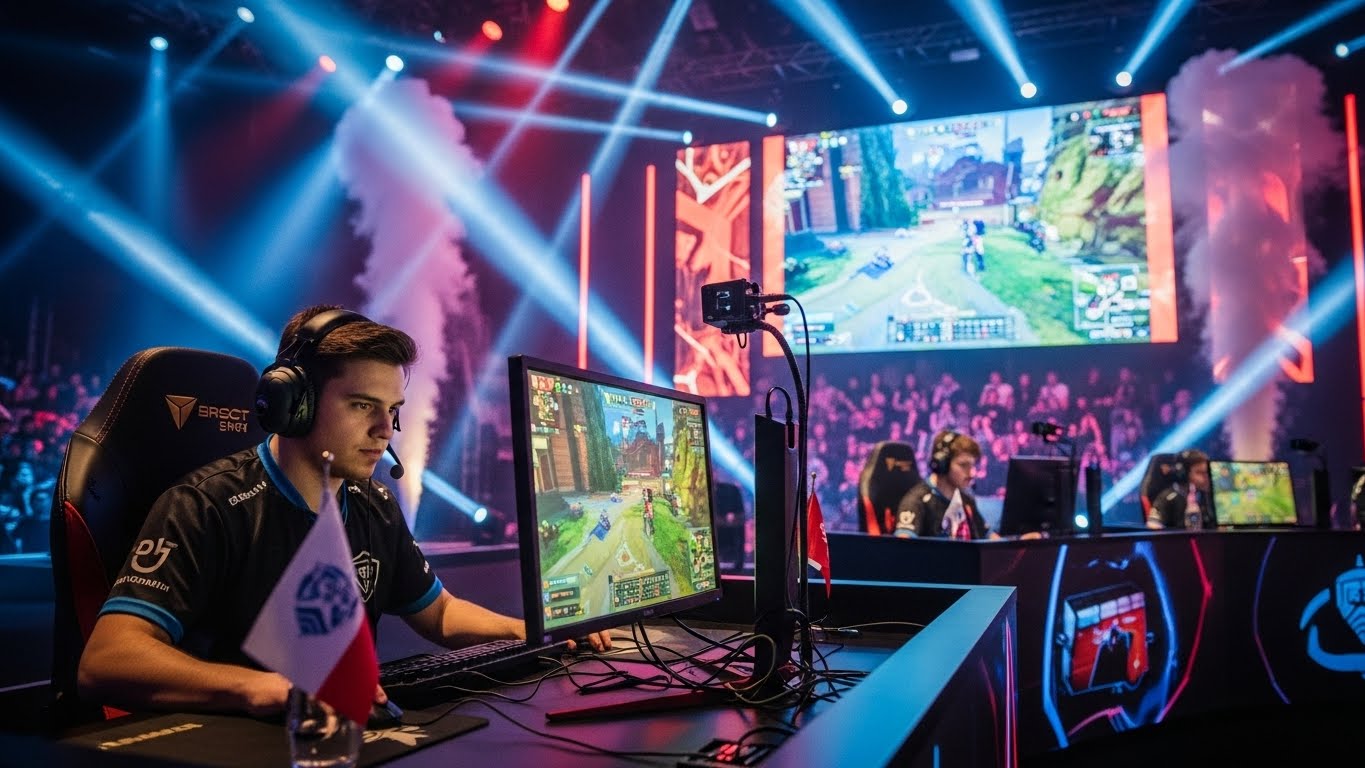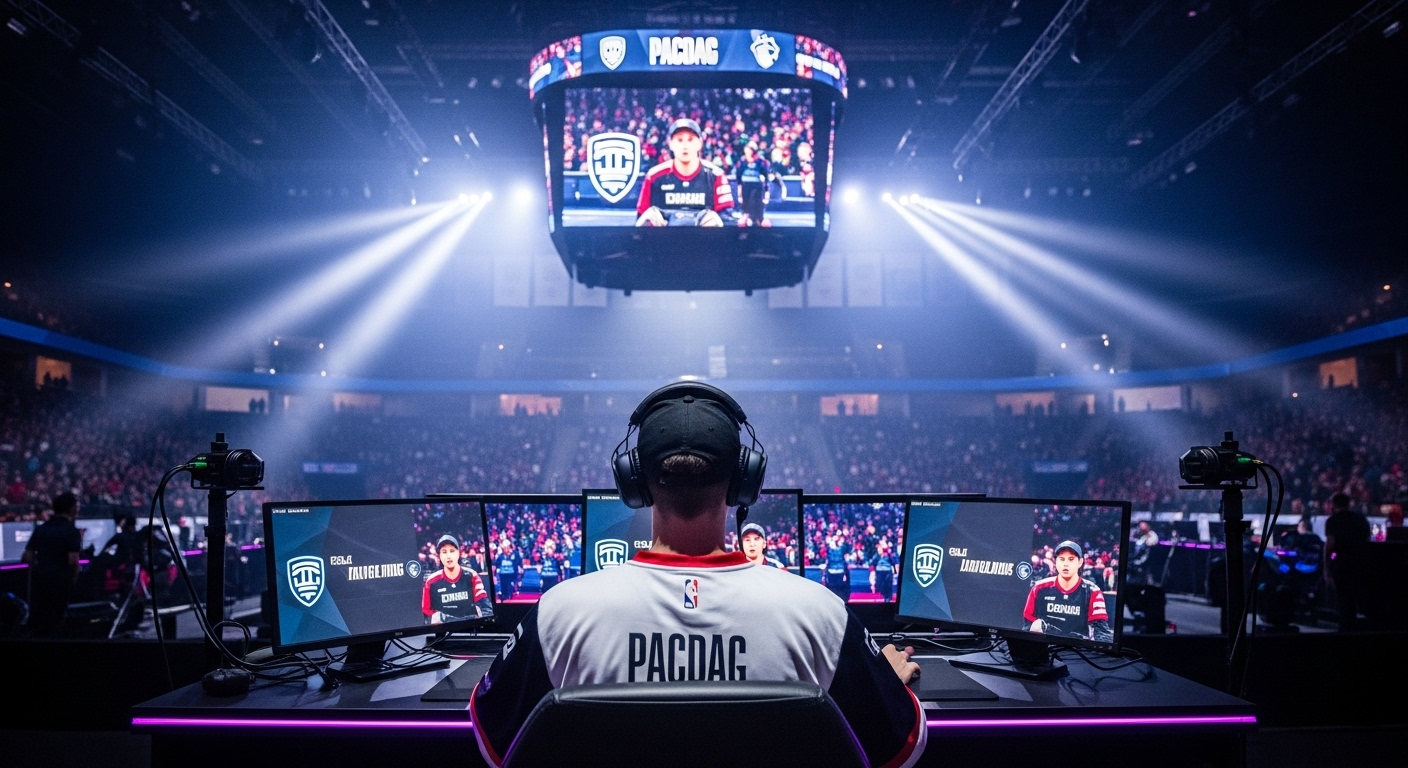






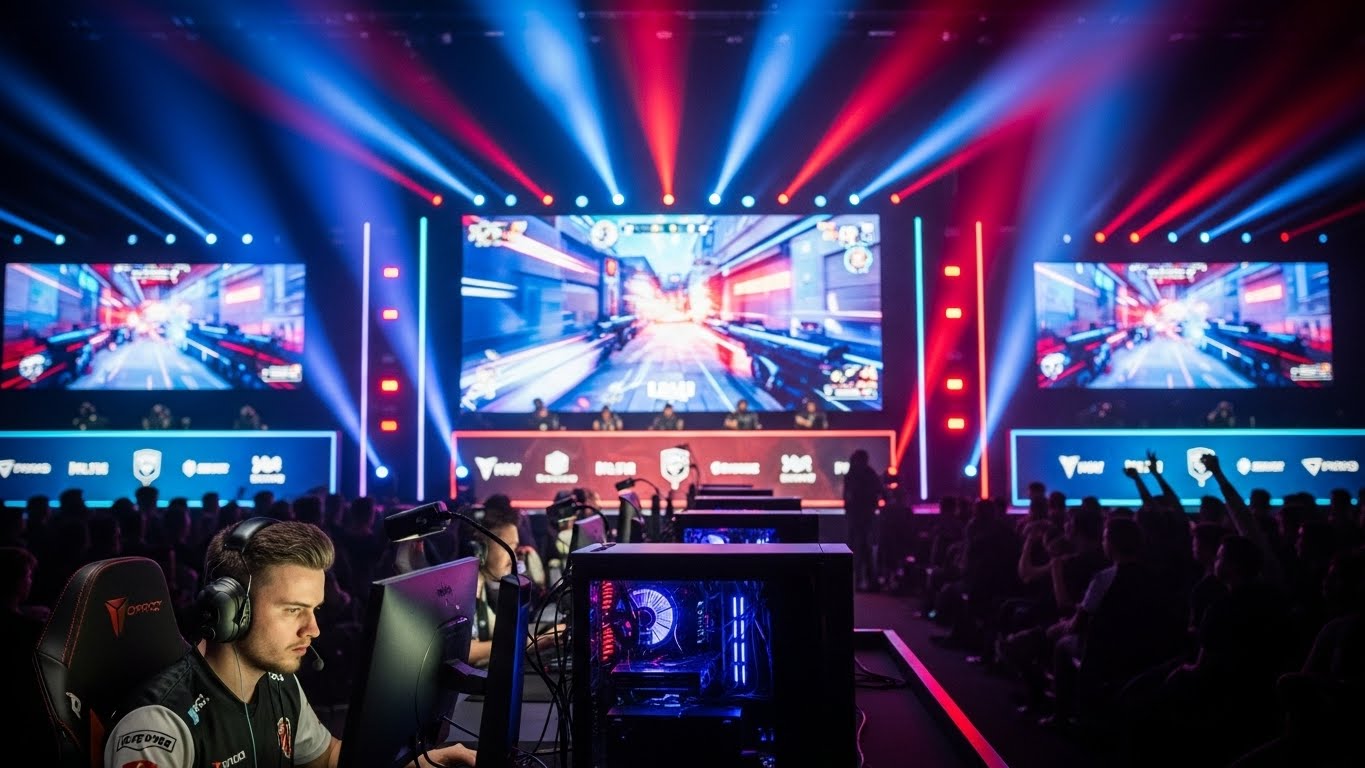
Esports, once a niche interest for hardcore gamers, has emerged as one of the fastest-growing sectors in the entertainment world. From small-scale tournaments held in local arcades to massive global events drawing millions of viewers, esports has evolved into a billion-dollar industry. In this blog, we explore how esports has transformed from a hobby into a global phenomenon, reshaping entertainment, sports culture, and even business landscapes. With an ever-expanding fanbase and growing investment from companies worldwide, esports is well on its way to redefining what it means to compete in the 21st century.
The Early Days of Esports: From Casual Gaming to Competitive Play
Esports did not appear overnight. Its origins date back to the 1970s and 1980s when early multiplayer video games began to gain popularity. In 1972, a small group of students at Stanford University organized the first known video game competition—the “Intergalactic Spacewar Olympics.” The game being played was Spacewar, a simple arcade-style game involving spaceships battling each other. While this event was rudimentary, it marked the beginning of competitive gaming.
By the 1990s, games like Quake, Warcraft, and StarCraft began to establish a foundation for competitive play. In particular, StarCraft became the backbone of esports in South Korea, where professional gaming was taken seriously and televised. The popularity of PC gaming and the rise of the internet allowed players from around the world to connect and compete in online tournaments, laying the groundwork for the esports industry we recognize today.
The Growth of Esports: From Small Tournaments to Global Events
Esports truly began to explode in the early 2000s. With the growing availability of high-speed internet, gamers could now compete against players from different countries in real-time. During this period, the first major esports organizations began to emerge. Companies like Blizzard Entertainment, the creators of Warcraft and StarCraft, played a pivotal role in facilitating esports competitions by developing tools for organizing tournaments and promoting competitive play.
One of the key turning points in the rise of esports was the success of League of Legends, a game created by Riot Games, which launched in 2009. League of Legends quickly became one of the most played online games in the world and formed the basis for what would become one of the biggest esports ecosystems in history. The League of Legends World Championship, held annually, soon became one of the most-watched esports events globally, with millions tuning in to watch professional teams compete for multi-million-dollar prize pools.
During this time, platforms like Twitch and YouTube also emerged as major players in the esports scene. They provided gamers and fans with the ability to stream live content, from casual playthroughs to major tournaments, further fueling the industry’s growth. These platforms not only provided a space for viewers to watch their favorite players and teams, but also gave rise to the modern “streamer” culture, where gamers can turn their hobby into a career by entertaining and interacting with a global audience.
The Business of Esports: Monetization and Sponsorships
As esports gained in popularity, it also began to attract significant business investments. Sponsorships and partnerships from major corporations helped turn esports from a niche hobby into a multi-billion-dollar industry. Companies like Coca-Cola, Intel, and Red Bull began to partner with esports organizations to sponsor tournaments and support professional players. This influx of funding brought a new level of professionalism to the industry, with players, coaches, and managers becoming part of large esports organizations akin to traditional sports teams.
In addition to corporate sponsorships, esports organizations have found creative ways to generate revenue. Merchandise sales, ticket sales to live events, media rights, and advertising have all become key sources of income. The global appeal of esports has led to the development of various competitive leagues, each with their own revenue streams. For example, the Overwatch League operates on a franchise model, similar to that of traditional sports leagues like the NFL or NBA, where city-based teams compete for a chance to win the championship and earn a share of the prize pool.
Furthermore, the rise of in-game purchases and microtransactions has bolstered the business side of esports. Games like Dota 2 and Fortnite have introduced seasonal battle passes and in-game cosmetic items that allow players to fund their favorite games. These revenue models have created an ongoing cycle of investment, with esports teams, players, and organizers profiting from both their competitive success and the engagement of their fanbase.
Esports as a Global Spectacle: The Viewership Boom
One of the most remarkable aspects of esports is its ability to captivate a global audience. What began as a subculture for gamers has evolved into a mainstream form of entertainment, drawing millions of viewers from all corners of the world. In fact, esports viewership has surged to the point where it regularly rivals traditional sports in terms of total viewers for major events. The League of Legends World Championship, for instance, has attracted over 100 million viewers in some years, a number that surpasses the viewership of some of the most-watched sporting events globally.
Unlike traditional sports, where the viewer experience is often limited to televised broadcasts, esports takes advantage of streaming platforms like Twitch to engage directly with fans. Fans can interact with streamers, participate in live chats, and even donate money to support their favorite players. This interaction has led to the development of an entire subculture of “esports influencers,” who have built massive followings by streaming their gaming content and engaging with fans in a more personal way than traditional athletes.
The accessibility of esports is another factor that has contributed to its global appeal. Traditional sports often require viewers to have access to specific TV networks or physical arenas to enjoy the action. In contrast, esports can be streamed online at any time and from anywhere, as long as there’s an internet connection. This level of accessibility has broken down geographical barriers and made esports a truly global spectacle.
The Professionalization of Esports: From Casual Gamers to Full-Time Athletes
As esports has gained legitimacy, the level of competition has increased dramatically. Players are no longer just casual gamers but full-time professionals. These esports athletes train for hours each day, practicing strategies, mastering game mechanics, and honing their physical and mental endurance. Much like traditional athletes, esports players now have personal coaches, psychologists, and analysts who help them improve their performance.
The growth of esports has also led to the formation of academies and training facilities that offer players a structured path to becoming professional competitors. These facilities not only focus on in-game skills but also on physical fitness and mental health, as the demands of playing for hours on end can take a toll on players’ bodies and minds.
Many players now make a substantial living through sponsorships, tournament winnings, streaming, and other revenue sources. Top esports players like Faker (Lee Sang-hyeok), a legendary League of Legends player, have built personal brands that transcend the gaming world, signing endorsement deals with major companies and even appearing in commercials and mainstream media.
Esports in Education: Building the Next Generation of Gamers
The rise of esports has also permeated the educational sector, with universities and high schools beginning to offer scholarships and esports programs. Many colleges now have dedicated esports teams that compete in organized leagues and tournaments, and some even offer degrees in esports management and game design. Esports scholarships are especially appealing to students who have a passion for gaming but want to further their education and professional careers.
As esports continues to gain traction in the educational world, it is also influencing the curriculum. Many universities now offer courses that teach students how to manage esports teams, organize tournaments, and even design video games. This has led to the creation of a formal career pathway for those looking to enter the esports industry as coaches, analysts, broadcasters, and content creators.
The Future of Esports: What Lies Ahead?
The future of esports is undoubtedly bright, with several key trends likely to shape the industry in the coming years. The continued expansion of mobile esports is one such trend. As mobile gaming becomes more advanced and more players in regions like Southeast Asia, Latin America, and Africa get access to smartphones, mobile esports is expected to explode in popularity.
The rise of virtual and augmented reality (VR and AR) could also revolutionize esports. These technologies have the potential to provide players and viewers with more immersive experiences, whether it’s through VR headsets that put players directly into the action or AR features that bring the game world to life in new ways.
Additionally, we may see greater collaboration between traditional sports organizations and esports leagues. Some of the biggest names in sports, including the NBA, NFL, and Formula 1, have already begun investing in esports, and this trend is expected to continue as esports further solidifies its position in the entertainment industry.
Conclusion: Esports is Here to Stay
Esports has come a long way since its humble beginnings. What started as a small subculture has now grown into a global entertainment juggernaut. With its massive fanbase, professional players, lucrative business models, and growing educational presence, esports is clearly not a passing trend. Instead, it’s a permanent fixture in the entertainment landscape, one that continues to evolve and expand.
As esports continues to break barriers and redefine competition, it’s clear that it is not just a game—it’s a global movement that’s changing the way we think about sports, entertainment, and even culture itself. Whether you’re a gamer, a fan, or someone curious about this rapidly evolving world, one thing is for certain: esports is here to stay, and its future is incredibly exciting.