




Introduction: The Rise of a New Sporting Era
Esports, or competitive video gaming, has emerged as one of the most influential and rapidly expanding sectors in global entertainment. What once began as small gaming competitions among enthusiasts has evolved into a billion-dollar industry watched by millions worldwide. Professional players, corporate sponsors, international tournaments, and passionate fans now form an ecosystem that rivals traditional sports in popularity and cultural impact. Esports has transformed gaming from a casual hobby into a competitive, strategic, and highly celebrated form of modern entertainment. This blog explores the evolution, impact, challenges, and promising future of esports as it continues to reshape global culture.
Understanding Esports: More Than Just Video Games
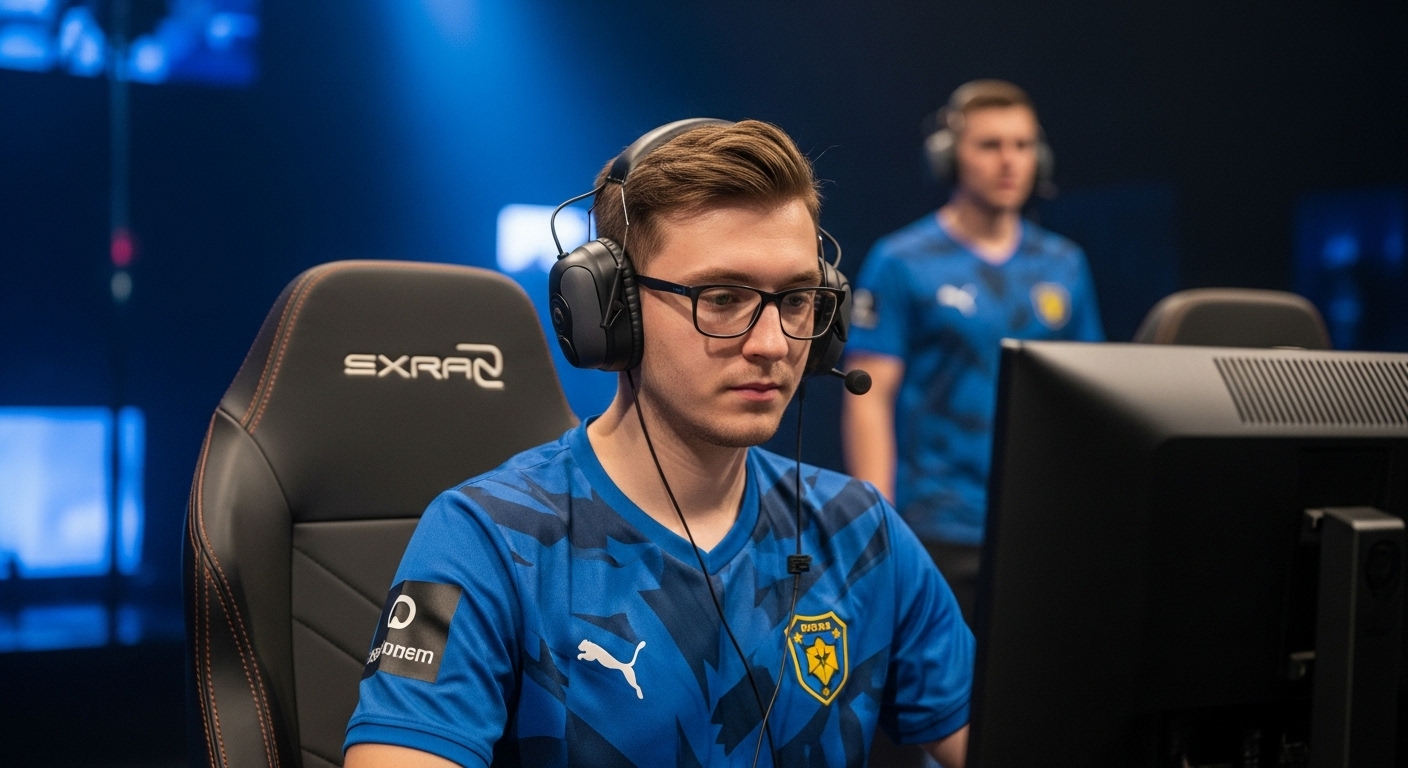
Esports involves organized competitions in various video game genres, including strategy games, shooters, sports simulations, and battle arena titles. These competitions can range from local tournaments to global championships that fill stadiums and attract online audiences in the millions. Much like traditional sports, esports requires skill, teamwork, discipline, and strategy. Professional esports players spend hours practicing, analyzing gameplay, and refining their techniques to compete at the highest level.
Esports is not limited to gameplay alone; it also includes broadcasting, commentary, coaching, analytics, and content creation. The ecosystem around esports supports a wide range of careers and communities, demonstrating its significance beyond entertainment.
The Early Days of Esports: From Arcades to Global Stages
The origins of esports can be traced back to arcade competitions and early gaming tournaments. In the late twentieth century, gamers gathered in arcades to challenge one another for high scores, laying the foundation for competitive gaming. As technology advanced, video game competitions became more organized, with early events attracting players who wanted to showcase their skills.
The introduction of online multiplayer gaming was a turning point. Players could now compete from different parts of the world, creating global communities and expanding competitive possibilities. Over time, gaming tournaments became more structured, prize pools increased, and professional teams began to form. These developments paved the way for the global esports industry we see today.
The Expansion of the Esports Industry
The esports industry has grown at an extraordinary pace. Central to its growth is a combination of technological advancement, online connectivity, and cultural acceptance of gaming. High-speed internet, powerful gaming hardware, and accessible online platforms have allowed esports to reach audiences of all ages and backgrounds. Major tournaments attract millions of viewers, with dedicated fanbases supporting teams and players just as passionately as fans of traditional sports.
Organizers, sponsors, advertisers, and streaming platforms contribute to a thriving ecosystem. International companies invest in esports teams and events, recognizing the marketing potential of reaching young, engaged audiences. Universities now offer esports scholarships, and schools incorporate competitive gaming clubs to nurture talent from an early age.
The Skill, Dedication, and Strategy Behind Esports
Contrary to common misconceptions, esports requires significant skill and mental discipline. Professional players spend countless hours practicing, studying opponents, and developing strategies. Quick reflexes, precise coordination, decision-making under pressure, and teamwork are essential aspects of competitive gaming.
Esports teams often include coaches, analysts, and managers to support player development. Analysts break down gameplay data, opponents’ tactics, and individual performance metrics. Coaches work on communication, mental preparation, and strategic planning. This structured approach mirrors traditional sports and demonstrates the professionalism of the esports world.
The Global Appeal of Esports
Esports has a universal appeal that transcends borders, languages, and cultures. The accessibility of gaming means that anyone with a device and internet connection can participate or spectate. This inclusivity has contributed to the global popularity of esports, with fans from every continent supporting players from diverse backgrounds.
Esports events are celebrated by international audiences, and tournaments feature multilingual commentary to accommodate global viewership. The cultural diversity within esports enriches the community and strengthens its worldwide presence.
Popular Genres and Games in Esports
Esports spans a vast range of genres, each offering unique gameplay styles and competitive dynamics. Strategy games challenge players’ tactical planning, shooters test reflexes and accuracy, and sports simulations mimic real-life athletic competitions. Team-based multiplayer games often attract the largest audiences due to their fast-paced action and complex strategies.
Different games dominate in different regions, reflecting cultural preferences. This diversity ensures that esports remains dynamic, versatile, and highly engaging.
The Economic Impact of Esports
The esports industry significantly contributes to the global economy through sponsorships, merchandise sales, event ticketing, broadcasting rights, and digital content creation. Gaming companies benefit from increased visibility and player engagement, while advertisers tap into a demographic known for its strong digital presence and loyalty.
Esports also generates employment opportunities for players, coaches, commentators, marketers, event organizers, and developers. Content creators and streamers have carved out their own space, producing gaming-related videos, tutorials, and entertainment that further support the industry’s growth.
Esports as Entertainment and Spectatorship
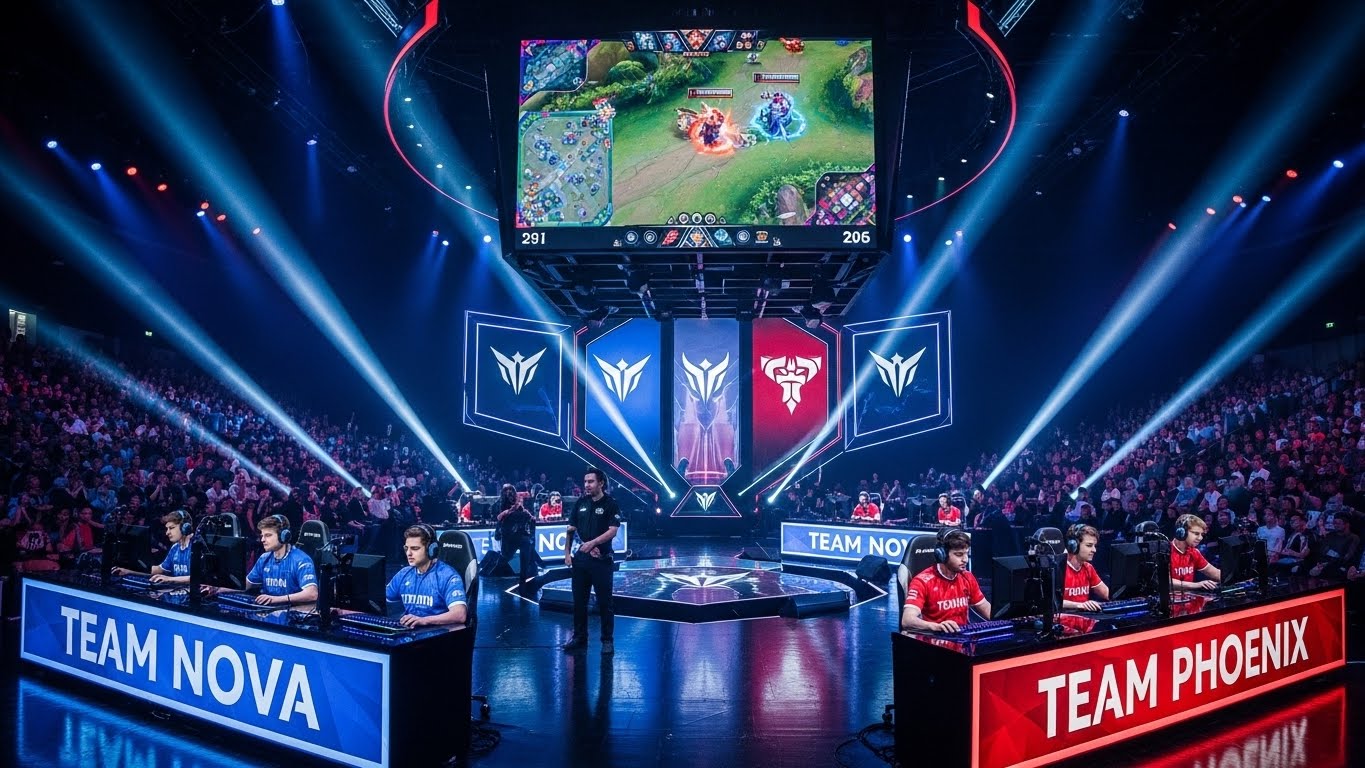
One of the striking features of esports is its strong spectator culture. Watching professional gaming has become a major form of entertainment. Tens of millions tune in to watch tournaments, cheering for their favorite teams and celebrating skillful plays. Live events create electrifying atmospheres, with fans filling arenas to witness the action firsthand.
Commentators, known as casters, add excitement to matches by analyzing strategies, explaining gameplay, and engaging with viewers. Esports broadcasts combine entertainment, education, and emotion, creating experiences that rival traditional sports broadcasts.
Youth Culture and the Influence of Esports
Esports has become deeply embedded in youth culture. Many young people view professional gamers as role models, admiring their skill, dedication, and achievements. Gaming communities foster social interaction, creativity, and collaboration, making them an important part of modern youth identity.
The influence of esports extends to fashion, music, and social media, where gaming trends shape popular culture. Esports organizations often collaborate with brands on apparel and accessories, further integrating gaming into everyday lifestyle.
Challenges Faced by the Esports Industry
Despite its growth, the esports industry faces several challenges. Maintaining player health and well-being is a major concern, as long hours of practice can impact physical and mental health. Ensuring fair competition is another challenge, with organizations working to implement regulations, anti-cheat systems, and standardized rules.
Additionally, the rapid expansion of esports demands sustainable infrastructure, professional management, and long-term planning. Issues such as player burnout, financial instability for smaller teams, and unequal opportunities across regions require ongoing attention to ensure that the industry continues to evolve responsibly.
Education and Professional Development in Esports
The rise of esports has led educational institutions to recognize the value of gaming as a legitimate field of study and career path. Universities offer programs in esports management, game design, marketing, and broadcasting. High schools and colleges host their own tournaments, nurturing talent and teaching teamwork, communication, and leadership.
Professional development in esports is not limited to players. Careers in coaching, event management, content creation, and analytics provide diverse opportunities for individuals passionate about gaming.
The Future of Esports: Innovation and Immersion
The future of esports promises even greater innovation. Advances in virtual reality, augmented reality, and artificial intelligence are likely to influence competitive gaming by enhancing immersion and creating new ways to interact with digital environments. Training tools powered by AI may help players refine skills more efficiently, while improved broadcasting technologies will elevate the viewing experience.
Esports will continue to grow as global connectivity increases and gaming becomes even more accessible. With expanding audiences, new games, and technological advancements, esports is poised to remain at the forefront of digital entertainment.
Conclusion: Esports as a Defining Force of Modern Culture
Esports has evolved from a niche pastime into a major global phenomenon that influences entertainment, culture, and technology. It blends competition, creativity, strategy, and community in a way that resonates with millions worldwide. Esports has redefined what it means to be an athlete, a fan, and a participant in modern entertainment.
Through its global reach, diverse opportunities, and technological integration, esports represents the future of competitive entertainment. As it continues to grow, esports will undoubtedly leave a lasting impact on society, inspiring new generations of players, creators, and fans.