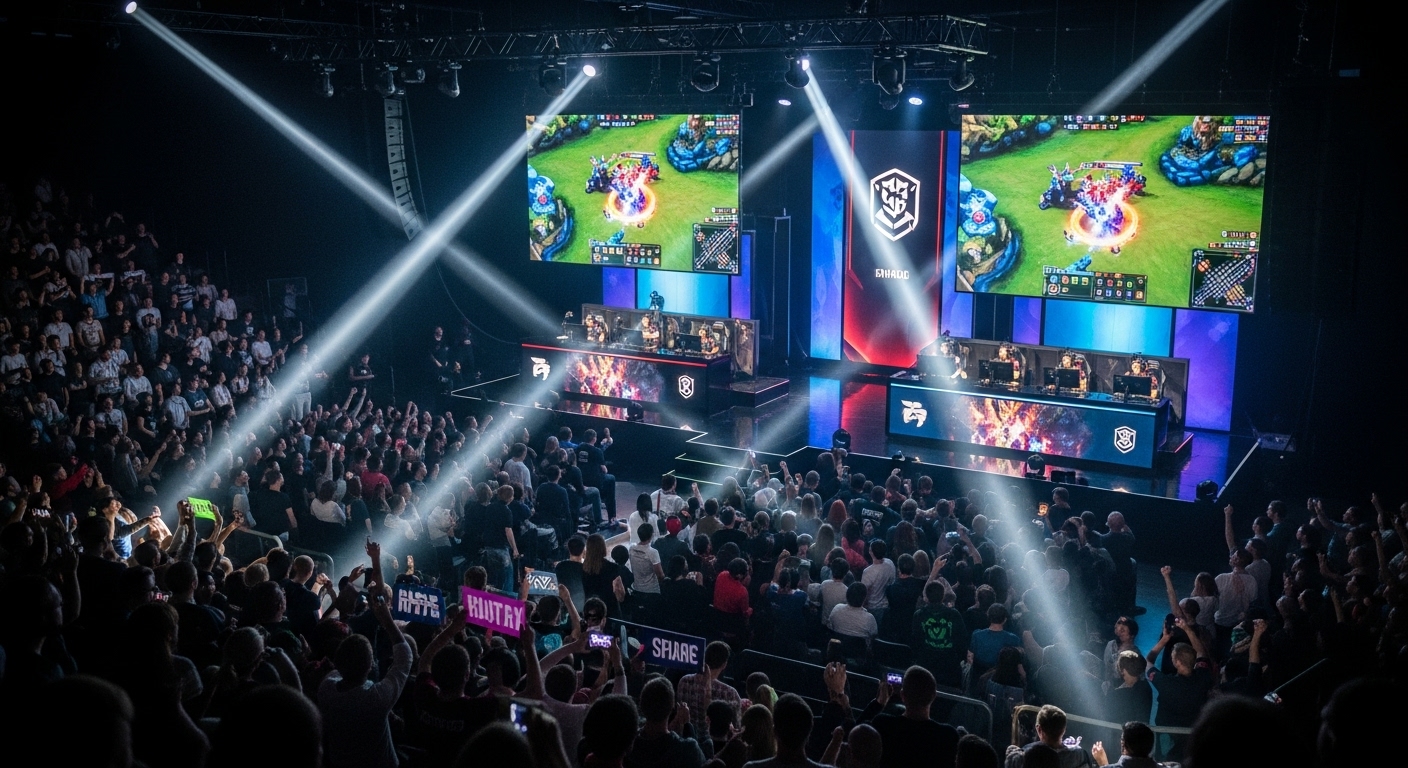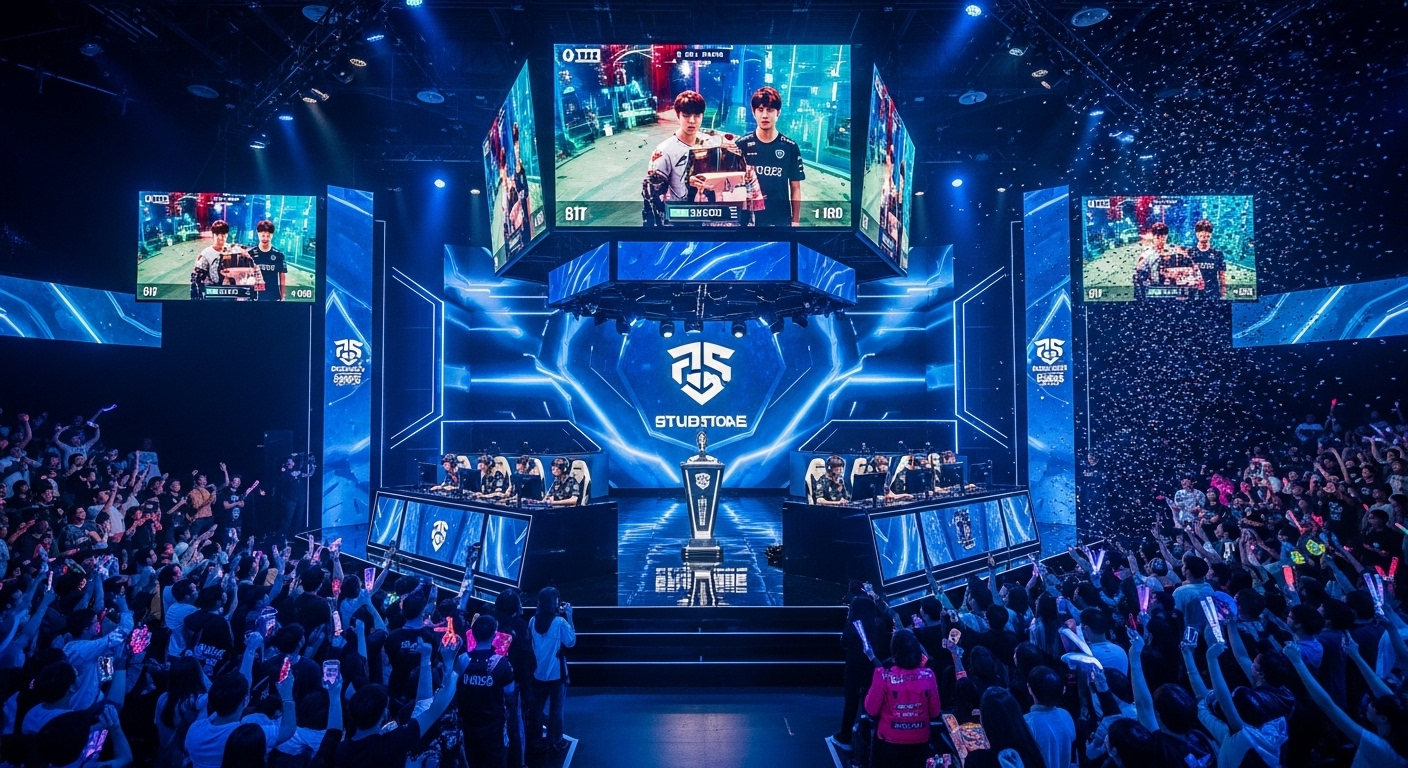






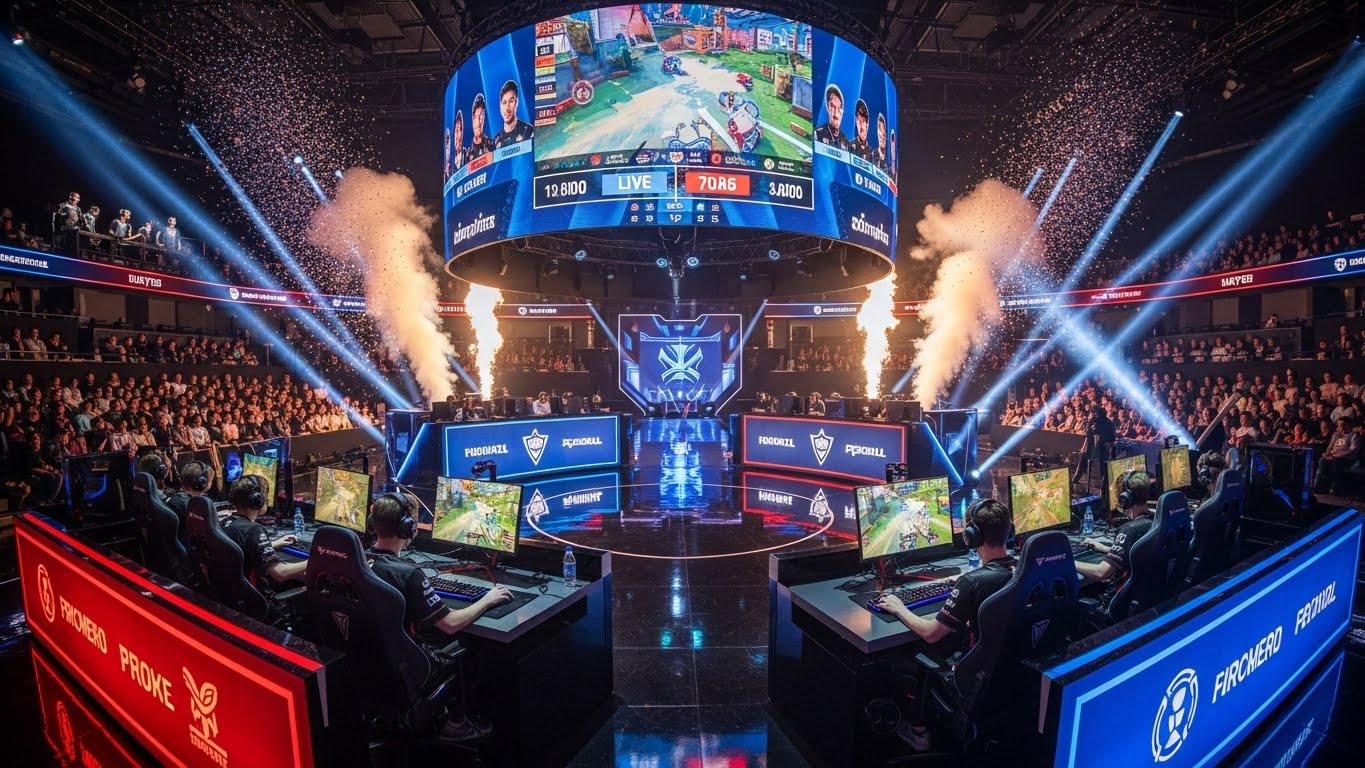
Esports, once considered a niche hobby, has evolved into a global phenomenon that rivals traditional sports in popularity, viewership, and revenue. From competitive gaming tournaments to online streaming platforms, esports is transforming how people perceive competition, entertainment, and digital culture. This article explores the rise of esports, its impact on players and society, and the future of this rapidly expanding industry.
The Rise of Esports
Esports, or electronic sports, refers to competitive video gaming where individuals or teams compete in organized tournaments. The roots of esports can be traced back to the 1970s and 1980s with early arcade competitions and local gaming contests. However, it was the advent of online gaming and streaming platforms in the 2000s that propelled esports into mainstream awareness. Today, esports tournaments attract millions of viewers worldwide, with games like League of Legends, Dota 2, and Fortnite dominating the competitive scene. Professional players have become celebrities, and esports organizations operate much like traditional sports franchises, complete with sponsorships, coaching staff, and training facilities.
The Popularity of Esports
The popularity of esports is driven by several factors. First, accessibility plays a major role. Anyone with a computer, console, or mobile device can participate or watch competitions online. Second, esports appeals to a generation that grew up immersed in digital technology, making virtual competition as compelling as physical sports. Third, the social aspect of esports is significant. Fans engage with players through live chats, social media, and streaming platforms, creating a global community of shared interests. Finally, the entertainment value of esports is unmatched, with fast-paced gameplay, strategy, and high-stakes tournaments capturing the attention of viewers worldwide.
The Physical and Mental Demands of Esports
While esports may not require physical exertion like traditional sports, it demands a unique combination of mental acuity, reflexes, and endurance. Professional gamers train for hours each day, honing skills such as hand-eye coordination, reaction time, strategic thinking, and multitasking. Mental resilience is crucial, as players must perform under intense pressure and remain focused during long competitions. Nutrition, exercise, and proper sleep are increasingly recognized as essential components of a professional gamer’s regimen. This holistic approach underscores that esports is not merely about playing games—it requires discipline, dedication, and peak mental and physical condition.
Esports as a Career Path
Esports has emerged as a viable career path, offering opportunities beyond playing games professionally. Professional players earn income through tournament winnings, sponsorships, and streaming platforms. Coaches, analysts, commentators, and event organizers contribute to the ecosystem, providing diverse employment opportunities. Universities and colleges now offer scholarships for esports athletes, further legitimizing the field. While the competition is intense and the career lifespan may be shorter than traditional jobs, esports presents an avenue for individuals to turn their passion for gaming into a professional pursuit.
The Impact on Youth Culture
Esports has a profound impact on youth culture. It fosters creativity, problem-solving, and teamwork, particularly in team-based games where coordination and communication are essential. Online gaming communities allow young people to connect with peers globally, building friendships and social networks. Esports also inspires interest in technology, coding, and game design, encouraging educational and career pursuits in the digital realm. By integrating entertainment, skill development, and social engagement, esports shapes the way young generations interact with technology and each other.
Economic Influence of Esports
The economic impact of esports is substantial. The industry generates billions of dollars annually through tournament revenues, sponsorship deals, merchandising, and media rights. Major events, such as international championships, attract global audiences, boosting tourism and local economies. Companies recognize esports as a marketing powerhouse, leveraging sponsorships to reach highly engaged digital audiences. Furthermore, game developers and hardware manufacturers benefit from the rising demand for competitive gaming equipment and content. The growth of esports demonstrates how digital industries can rival traditional sectors in economic significance.
Technological Advancements Driving Esports
Technology is at the heart of esports, shaping how games are played, viewed, and analyzed. High-performance gaming hardware, fast internet connectivity, and immersive software enhance the player experience. Streaming platforms and broadcasting technologies allow fans to watch live events with professional commentary and interactive features. Data analytics and AI are used to study gameplay patterns, improve strategies, and optimize performance. Virtual reality and augmented reality hold potential for the next evolution of esports, creating even more immersive competitive experiences. Technology continues to drive the accessibility, engagement, and innovation within esports.
Esports and Social Interaction
Esports has redefined social interaction in the digital age. Online multiplayer games connect players across continents, fostering communication, collaboration, and community building. Social media and streaming platforms allow fans to follow their favorite players, interact with content, and participate in fan communities. Unlike traditional sports, where geographic proximity often dictates participation, esports transcends borders, uniting people from diverse backgrounds. This global connectivity makes esports a cultural phenomenon, enabling shared experiences and creating a sense of belonging in virtual spaces.
Challenges in Esports
Despite its rapid growth, esports faces several challenges. One major concern is the potential for unhealthy habits, including excessive screen time, sedentary lifestyles, and mental stress. Competitive pressure can lead to burnout, anxiety, and other mental health issues. Cheating, toxicity, and harassment within online communities also pose challenges for both players and organizers. Additionally, the industry must address inclusivity, ensuring equal opportunities for women and marginalized groups. Overcoming these challenges is critical for sustaining esports as a healthy, ethical, and globally respected field.
The Rise of Women in Esports
Women are increasingly making their mark in esports, breaking barriers and challenging stereotypes. Female gamers and streamers are gaining recognition in professional tournaments, competitive leagues, and online communities. Initiatives to promote diversity and inclusivity are creating more opportunities for women to participate and thrive. Their presence not only enriches the competitive landscape but also inspires younger generations of girls to pursue careers in gaming and technology. The rise of women in esports represents a broader societal shift toward gender equality in digital and professional spaces.
Educational Opportunities in Esports
Esports is influencing education in innovative ways. Schools and universities are incorporating esports programs to teach strategic thinking, teamwork, and digital literacy. Scholarships for esports athletes are encouraging academic engagement while nurturing talent in gaming. Some educational programs focus on game design, development, and digital entrepreneurship, equipping students with skills applicable in a wide range of careers. By merging entertainment with learning, esports is redefining how education can adapt to the digital age and prepare students for future industries.
Esports as a Global Phenomenon
Esports has truly become a global phenomenon, transcending national, cultural, and language barriers. International tournaments draw players and fans from all corners of the world, celebrating diversity and competition. Events like world championships create cultural moments that unite audiences regardless of geographic location. Streaming platforms allow fans to follow live games, interact with players, and participate in community discussions, fostering a shared global experience. The worldwide appeal of esports demonstrates how digital platforms can cultivate universal engagement in ways traditional media cannot.
The Future of Esports
The future of esports is bright and full of potential. Emerging technologies, evolving game genres, and increasing societal acceptance will continue to expand its reach. Virtual reality and cloud gaming promise more immersive experiences, while mobile esports is broadening accessibility. Greater inclusivity and diversity initiatives will enrich the competitive landscape. As sponsorships, media rights, and fan engagement grow, esports will continue to rival traditional sports in influence and economic impact. The evolution of esports will reflect not only advancements in technology but also shifts in culture, entertainment, and human connection.
Conclusion
Esports is more than just playing video games—it is a cultural, economic, and social revolution. It challenges traditional ideas of competition, entertainment, and career possibilities, while fostering mental agility, teamwork, and global connectivity. From the rise of professional players to the emergence of educational programs and inclusive initiatives, esports is shaping the digital landscape and impacting society in profound ways. As this dynamic industry continues to grow, it promises to redefine how the world experiences competition, community, and innovation in the 21st century.