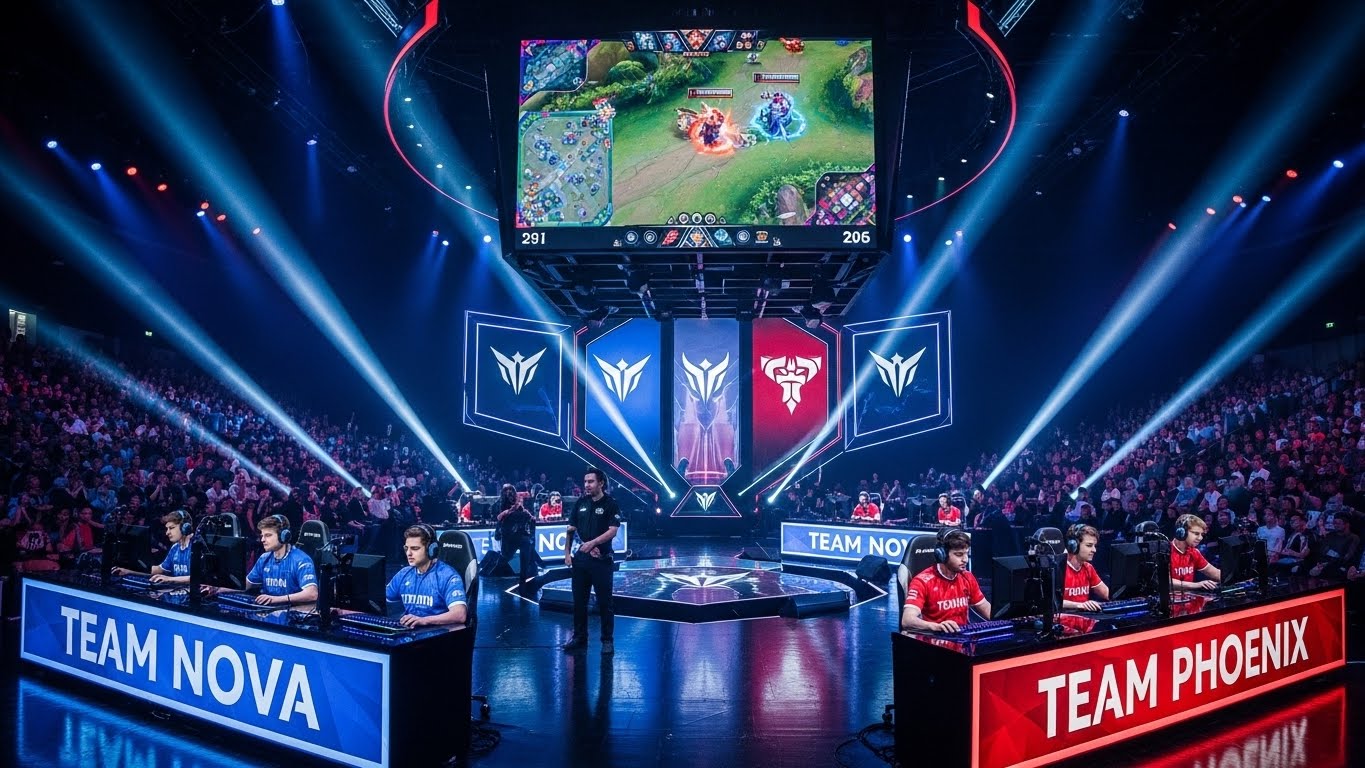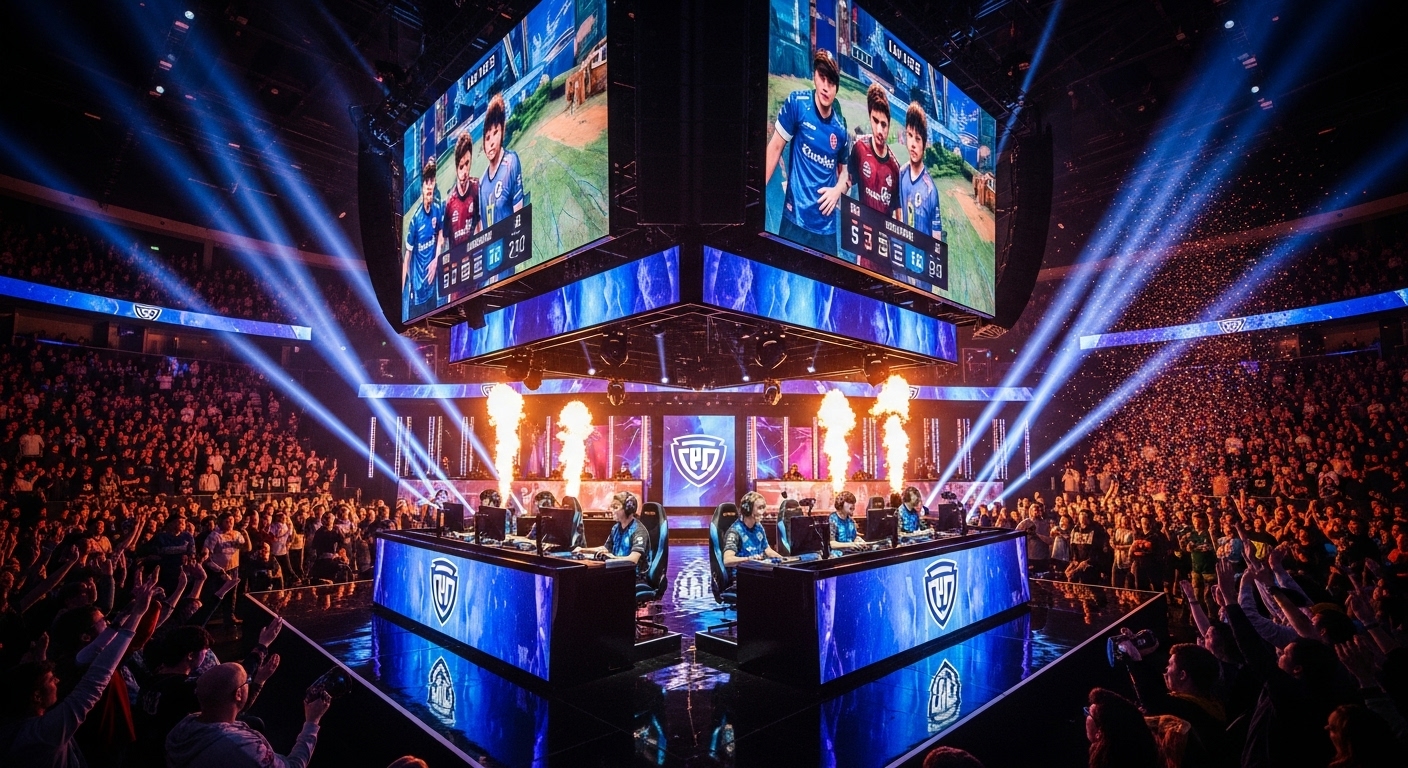






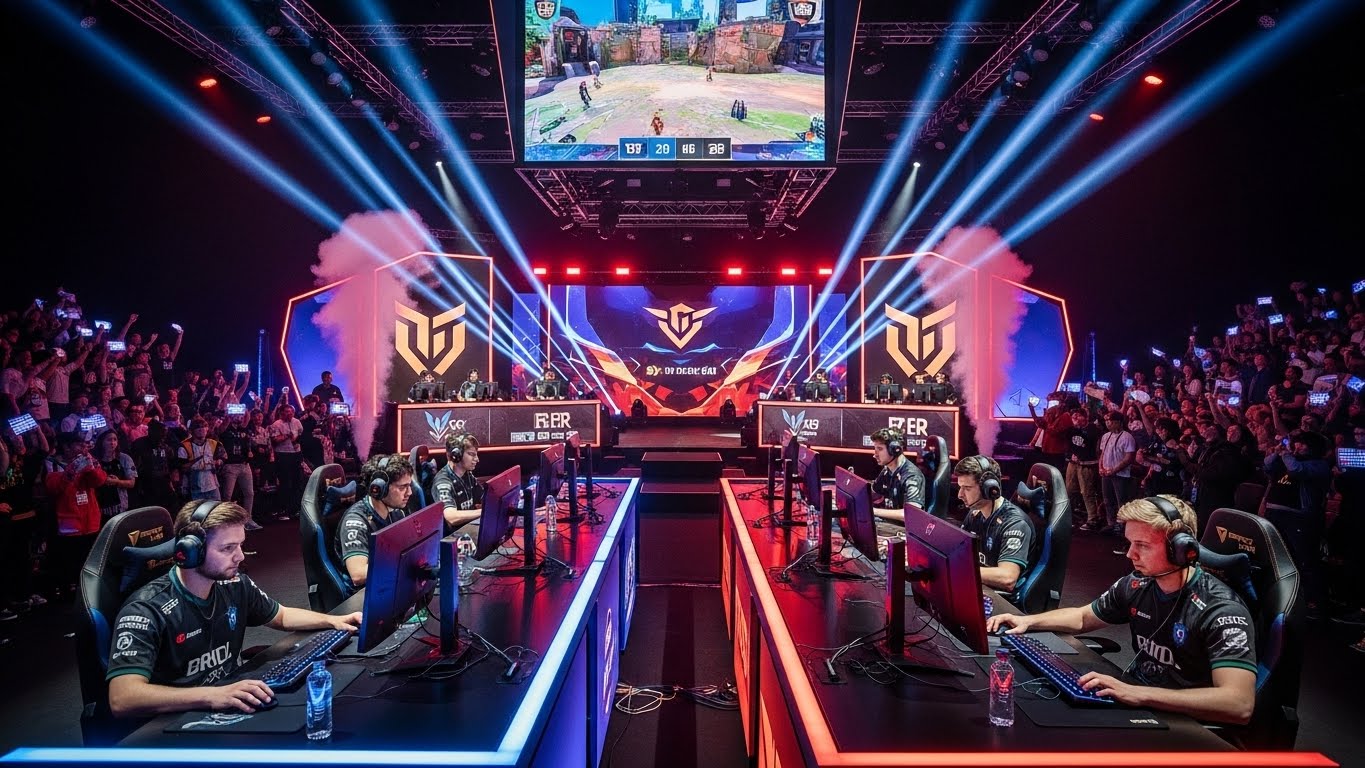
Esports, once considered a niche pastime, has transformed into a global cultural and economic phenomenon. From professional leagues and massive tournaments to streaming platforms and celebrity gamers, competitive gaming has carved out a place alongside traditional sports in the public eye. The rise of esports is not just about entertainment; it reflects broader shifts in technology, society, and youth culture. This article explores the evolution, impact, and future of esports, showing how it is redefining competition and culture in the digital age.
The Origins and Rise of Esports
Esports, short for electronic sports, refers to organized, competitive gaming played by individuals or teams. While video games have existed since the 1970s, competitive gaming first gained traction with arcade tournaments and early PC competitions. The early 2000s saw the rise of online multiplayer games, connecting players worldwide and laying the foundation for professional esports. Titles like StarCraft, Counter-Strike, and Warcraft became iconic in shaping competitive gaming culture. Today, games such as League of Legends, Dota 2, Fortnite, and Call of Duty dominate esports, attracting millions of players and fans globally.
The Popularity Surge
Several factors have driven the exponential growth of esports. Accessibility plays a major role; anyone with a computer, console, or mobile device can participate or spectate. Streaming platforms allow fans to watch live matches, engage with players, and form online communities. For younger generations, who have grown up in digital environments, esports is a natural form of entertainment and social interaction. Tournaments now fill arenas with thousands of spectators and reach millions more online, rivaling traditional sports in terms of engagement and fan loyalty.
Mental and Physical Demands
Despite being primarily digital, esports demands both mental and physical endurance. Professional gamers dedicate long hours to practice, honing skills such as reflexes, hand-eye coordination, strategy, and multitasking. Concentration is critical, especially in high-pressure tournaments where split-second decisions can determine victory or defeat. Physical health also matters; exercise, proper nutrition, and sufficient rest are essential for peak performance. Mental resilience is equally important, as players must manage stress, maintain focus, and recover from losses, reflecting the professional rigor comparable to traditional sports.
Esports as a Career
Esports has emerged as a legitimate career path. Professional players earn income through tournament winnings, sponsorships, streaming, and content creation. Teams operate like traditional sports organizations, with coaches, analysts, and support staff contributing to performance and strategy. Beyond playing, careers in broadcasting, event management, game development, marketing, and coaching offer diverse opportunities. Universities now provide scholarships for esports athletes, further legitimizing the field. For those who combine talent with dedication, esports can be both a passion and a profession.
Impact on Youth Culture
Esports has a profound influence on youth culture. It fosters strategic thinking, teamwork, communication skills, and problem-solving, particularly in team-based games. Online communities provide spaces for social interaction, collaboration, and shared experiences, allowing young people to connect across cultures and borders. Esports also promotes interest in technology, coding, and game design, encouraging educational and career pathways in digital fields. It reflects a generation that values creativity, digital literacy, and social engagement in ways traditional sports may not fully capture.
Economic Impact
The esports industry has become an economic powerhouse. Revenue streams include tournament earnings, sponsorship deals, merchandise, media rights, and streaming platforms. International tournaments generate substantial tourism revenue and create employment opportunities in event management, production, and marketing. Game developers benefit from increased sales, in-game purchases, and engagement with competitive communities. Even grassroots esports programs contribute to local economies by fostering interest, creating events, and encouraging participation. The industry demonstrates that digital entertainment can rival traditional sectors in economic influence.
Technological Innovations in Esports
Technology is the foundation of esports. High-performance hardware, fast internet, and advanced software enable seamless competition. Streaming platforms allow global audiences to watch matches live, interact with players, and follow tournaments. Data analytics, artificial intelligence, and performance tracking tools help teams optimize strategies and enhance player development. Emerging technologies like virtual reality and cloud gaming are expanding the possibilities for immersive competitive experiences. Technology continues to shape the accessibility, engagement, and evolution of esports worldwide.
Social Connectivity through Gaming
Esports has transformed social interaction in the digital era. Online multiplayer games allow players to collaborate, communicate, and form communities across continents. Fans interact with players through streaming platforms, chat rooms, and social media, creating a sense of belonging and shared passion. Unlike traditional sports, esports removes geographic barriers, uniting players and audiences globally. This level of connectivity highlights the power of digital platforms to foster cultural exchange, social bonding, and community building in ways traditional entertainment cannot.
Challenges Facing the Industry
Despite its growth, esports faces several challenges. Mental health concerns such as burnout, anxiety, and stress are common among professional players. Sedentary lifestyles and excessive screen time can negatively affect physical well-being. Online toxicity, harassment, and cheating are persistent issues in competitive gaming communities. Gender disparity remains significant, with women underrepresented in professional esports. Addressing these challenges is essential for ensuring the industry remains ethical, inclusive, and sustainable while maintaining its credibility and appeal.
Women in Esports
The role of women in esports has grown in recent years. Female players, streamers, and commentators are gaining recognition and challenging stereotypes. Initiatives promoting diversity and inclusivity have created opportunities for women to participate professionally and contribute to the industry’s growth. Their presence inspires younger generations to pursue careers in gaming, technology, and digital content creation. Promoting gender equality in esports strengthens the community and fosters a more balanced and representative competitive landscape.
Educational Opportunities
Esports is increasingly integrated into educational programs. Schools and universities are creating esports teams and courses to teach teamwork, digital literacy, and strategic thinking. Scholarships support talented students who balance gaming with academic achievement. Academic programs in game development, digital media, and esports management prepare students for careers in the growing industry. By combining entertainment with education, esports nurtures skills that are transferable to technology-driven careers and promotes learning in innovative ways.
Global Phenomenon
Esports has achieved global reach, transcending cultural, linguistic, and geographic boundaries. International tournaments bring together players and audiences from diverse backgrounds, fostering collaboration and mutual understanding. Events attract millions of viewers worldwide, creating shared experiences and cultural moments. Streaming platforms make it possible to follow competitions in real time, participate in community discussions, and celebrate victories alongside global audiences. The international appeal of esports demonstrates its power to unite people through digital competition and shared passion.
The Future of Esports
The future of esports is full of potential and innovation. Emerging technologies, new game genres, and mobile platforms will broaden accessibility and engagement. Virtual reality, augmented reality, and cloud gaming promise to create immersive experiences for both players and spectators. Greater inclusivity and diversity initiatives will strengthen the competitive community. Sponsorships, media rights, and fan engagement will continue to fuel growth. As esports evolves, it will redefine entertainment, competition, and social interaction in the digital era, becoming an integral part of global culture.
Conclusion
Esports is more than a form of entertainment—it is a cultural, economic, and social revolution. It challenges traditional concepts of competition, offers career opportunities, and fosters skills such as teamwork, strategy, and resilience. From shaping youth culture to creating global communities, esports impacts society in profound ways. With technological advancements and growing inclusivity, esports is poised to continue its rapid evolution, inspiring future generations and redefining the digital landscape. The rise of competitive gaming marks a new era in how humans interact, compete, and connect in the twenty-first century.