





Introduction: Understanding the Esports Revolution
In the past decade, esports has transitioned from a niche subculture to a mainstream global phenomenon. What once started as small tournaments in local gaming cafes has now evolved into an industry generating billions of dollars annually, with professional leagues, sponsorship deals, and millions of dedicated fans worldwide. Esports, or competitive video gaming, encompasses a variety of games ranging from first-person shooters to strategy and sports simulation games. This evolution highlights not just the growth of gaming but also the changing landscape of entertainment, sports, and digital culture.
The Origins of Esports
Competitive gaming has existed in some form since the early 1970s, with simple games like “Pong” and arcade competitions laying the foundation for organized play. However, the term “esports” only started gaining popularity in the late 1990s with the rise of multiplayer PC games such as “StarCraft” and “Counter-Strike.” Early tournaments were often small-scale and community-driven, relying heavily on word-of-mouth promotion and physical presence. Despite the modest beginnings, these events demonstrated that gaming could be more than just a pastime—it could be a profession, a career, and a platform for global entertainment.
The Explosion of Online Gaming
The real turning point for esports came with the expansion of the internet. Online multiplayer gaming allowed players from different parts of the world to compete in real-time, transforming local competitions into global arenas. Games like “League of Legends,” “Dota 2,” and “Fortnite” popularized esports further, thanks to their engaging gameplay and spectator-friendly formats. Streaming platforms also played a crucial role in making esports accessible to a wider audience. Viewers could watch live matches from anywhere in the world, interact with fans in chat, and follow their favorite players and teams, creating a vibrant online community around competitive gaming.
Professionalization of Esports
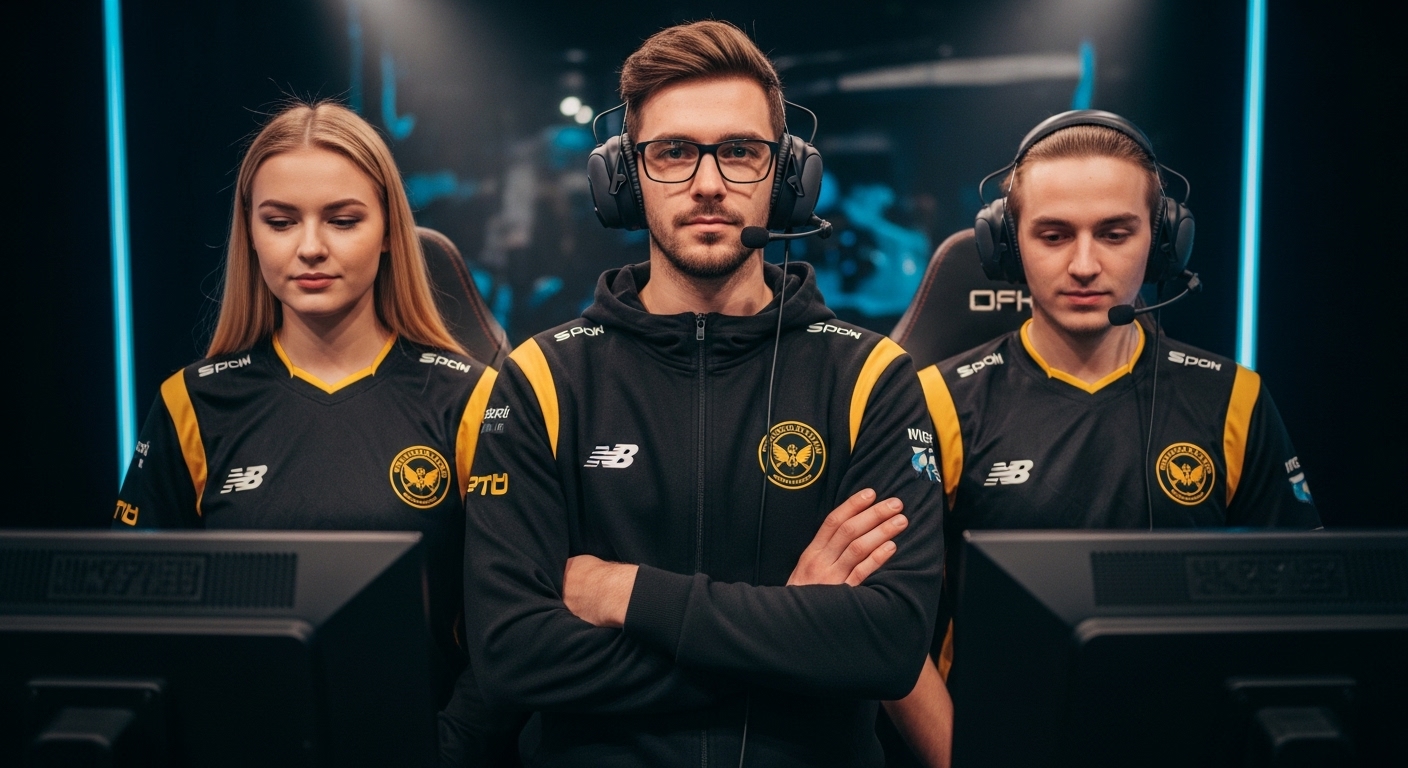
What sets esports apart from casual gaming is its professional structure. Today, esports operates similarly to traditional sports, with professional teams, structured leagues, training regimens, and player contracts. Organizations like T1, Cloud9, and Fnatic are now household names within the gaming community. Players train rigorously, often dedicating eight to twelve hours a day to perfect their skills, strategies, and teamwork. Coaches, analysts, and managers support these players, ensuring that they can perform at their peak during competitions. This professionalization has also attracted significant investments from corporations, media companies, and even traditional sports franchises, further legitimizing esports as a serious industry.
The Role of Tournaments and Leagues
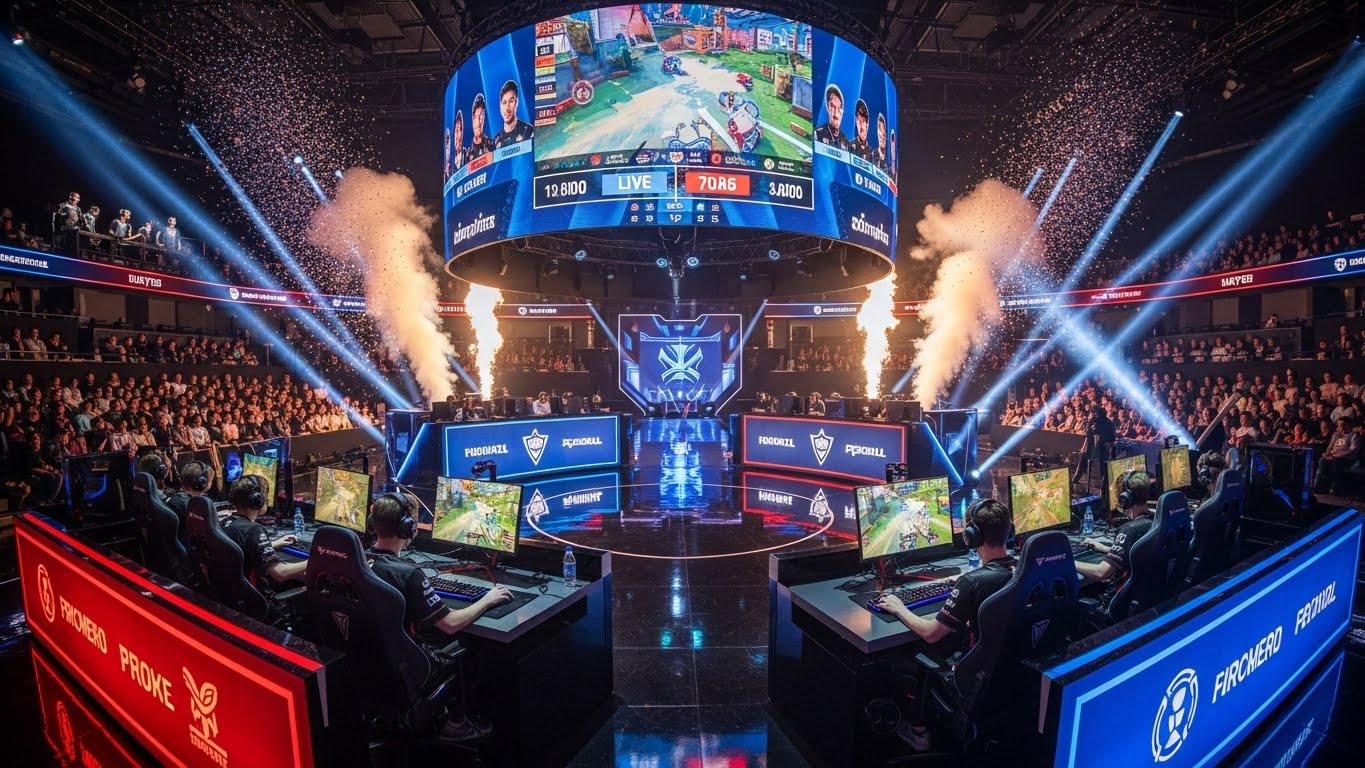
Central to the esports ecosystem are tournaments and leagues. Major competitions like The International, the League of Legends World Championship, and the Fortnite World Cup offer multi-million dollar prize pools, attracting top talent from around the globe. These events are not only about competition; they are spectacles that combine music, live production, fan engagement, and streaming technology to deliver an immersive experience. Unlike traditional sports, esports tournaments are heavily digital, with global audiences tuning in through platforms like Twitch, YouTube Gaming, and Facebook Gaming. The accessibility of these platforms allows fans to engage directly with players, chat in real-time, and even influence the community culture surrounding the games.
The Economic Impact of Esports
The growth of esports has had a profound economic impact. The industry generates revenue through sponsorships, advertising, merchandise sales, ticket sales, and media rights. Major brands such as Nike, Coca-Cola, and Intel sponsor teams and tournaments, recognizing the marketing potential within the younger, tech-savvy demographic of esports fans. Additionally, gaming companies benefit directly from esports by promoting their games through competitive play, encouraging player retention and in-game purchases. This financial ecosystem has made esports a viable career path not just for players but also for content creators, analysts, coaches, and event organizers.
The Cultural Influence of Esports
Esports is more than just competition; it has become a significant cultural force. Gaming communities foster inclusivity, creativity, and social interaction. For many, esports is a way to connect with like-minded individuals, share strategies, and celebrate achievements. Cosplay, fan art, and content creation around esports contribute to a vibrant cultural landscape. Moreover, esports has challenged traditional notions of sports, emphasizing skill, strategy, and reflexes over physical prowess. This shift has broadened the definition of athleticism and has inspired new discussions about what it means to be a professional competitor in the 21st century.
The Technological Backbone of Esports
Technology is the backbone of esports. High-speed internet, advanced graphics, and powerful gaming hardware are essential for competitive play. Streaming technology allows millions of viewers to watch live events with minimal latency, while data analytics help teams refine strategies and improve player performance. Virtual reality and augmented reality are beginning to make inroads into esports, offering immersive experiences for both players and fans. The continuous advancement of technology ensures that esports will remain a dynamic and evolving industry, capable of attracting new audiences and redefining entertainment.
Challenges Facing the Esports Industry
Despite its growth, esports faces several challenges. Player burnout is a significant concern due to the intense training schedules and mental pressure associated with professional gaming. The lack of standardized regulations across leagues and countries can lead to inconsistent treatment of players and disputes over contracts. Additionally, issues such as cheating, doping, and online harassment threaten the integrity of competitions. Addressing these challenges requires collaboration between game developers, team organizations, governing bodies, and the community to ensure sustainable growth and a healthy environment for players and fans alike.
The Future of Esports
The future of esports looks promising. With increasing investments, global recognition, and technological innovations, esports is poised to expand into new markets and demographics. Universities and schools are incorporating esports programs, offering scholarships, and creating pathways for young talent to enter the industry. Esports may also integrate further with traditional sports through partnerships, crossover events, and joint marketing initiatives. As virtual and augmented reality technologies mature, esports experiences will become even more immersive, blurring the lines between gaming, entertainment, and social interaction.
Conclusion: Esports as a Defining Phenomenon of Our Time
Esports is no longer just a hobby or niche interest; it is a defining phenomenon of modern culture and entertainment. Its growth reflects broader societal shifts toward digital engagement, community-building, and technological innovation. From humble beginnings in small gaming cafes to stadiums filled with cheering fans and online audiences numbering in the millions, esports demonstrates the transformative power of games as both a cultural and economic force. As the industry continues to evolve, one thing is clear: esports is here to stay, reshaping the way we view competition, entertainment, and the possibilities of human skill in the digital age.