






Introduction
Esports, or competitive video gaming, has evolved from a niche hobby into a global phenomenon. Once considered a pastime for a few enthusiasts, esports now attracts millions of viewers, garners significant sponsorship deals, and offers professional careers. The industry has grown at an unprecedented pace, blending entertainment, technology, and competition. Today, esports represents a unique intersection of culture, sports, and digital innovation. This blog explores the history, growth, challenges, and future of esports, highlighting why it has captured the world’s attention.
The Origins of Esports
The roots of esports trace back to the 1970s and 1980s when early arcade competitions and computer game tournaments began to emerge. The first widely recognized event was the 1980 Space Invaders Championship, held in the United States, which attracted thousands of participants. These early competitions laid the foundation for competitive gaming, showing that gaming could be more than just a personal hobby. As technology advanced, home consoles and PCs allowed more players to participate in organized competitions, paving the way for modern esports.
The Evolution of Competitive Gaming
In the 1990s, esports began to take a more structured form. Games like StarCraft, Quake, and Counter-Strike introduced competitive gameplay that required skill, strategy, and teamwork. The rise of the internet further accelerated esports, enabling players from different regions to compete online. Game developers also recognized the potential of esports and started supporting tournaments, creating leagues, and offering prize money. By the early 2000s, professional esports teams had formed, signaling the start of gaming as a viable career.
Popular Esports Games and Genres
Esports encompasses a wide range of games across various genres. Multiplayer Online Battle Arenas (MOBAs) like League of Legends and Dota 2 are among the most popular, requiring teamwork, strategy, and fast decision-making. First-Person Shooters (FPS) such as Counter-Strike: Global Offensive and Call of Duty focus on precision, reflexes, and tactical awareness. Battle royale games like Fortnite and PUBG have also gained massive popularity for their fast-paced, survival-style gameplay. Sports simulation games, including FIFA and NBA 2K, offer a digital version of traditional sports competition. Each genre attracts different audiences and players, contributing to esports’ diverse ecosystem.
The Global Growth of Esports
The growth of esports has been phenomenal, both in terms of audience and revenue. Esports viewership has surpassed traditional sports in certain demographics, with millions tuning in to watch tournaments online. Platforms such as Twitch, YouTube Gaming, and other streaming services have made esports accessible to global audiences, allowing fans to watch live events, follow professional players, and engage with communities. The industry’s revenue comes from sponsorships, advertising, merchandise, ticket sales, and game publisher support. Analysts predict that esports will continue to grow exponentially, reaching new heights in both financial and cultural influence.
Professional Players and Teams
Professional esports players have become celebrities in their own right. They undergo rigorous training schedules, similar to traditional athletes, to maintain peak performance. Teams operate much like sports franchises, with coaching staff, analysts, and marketing professionals supporting players. Success in esports can bring fame, fortune, and opportunities to participate in international tournaments. Countries such as South Korea, China, and the United States have invested heavily in developing esports talent, creating academies and programs to nurture the next generation of champions.
Tournaments and Championships
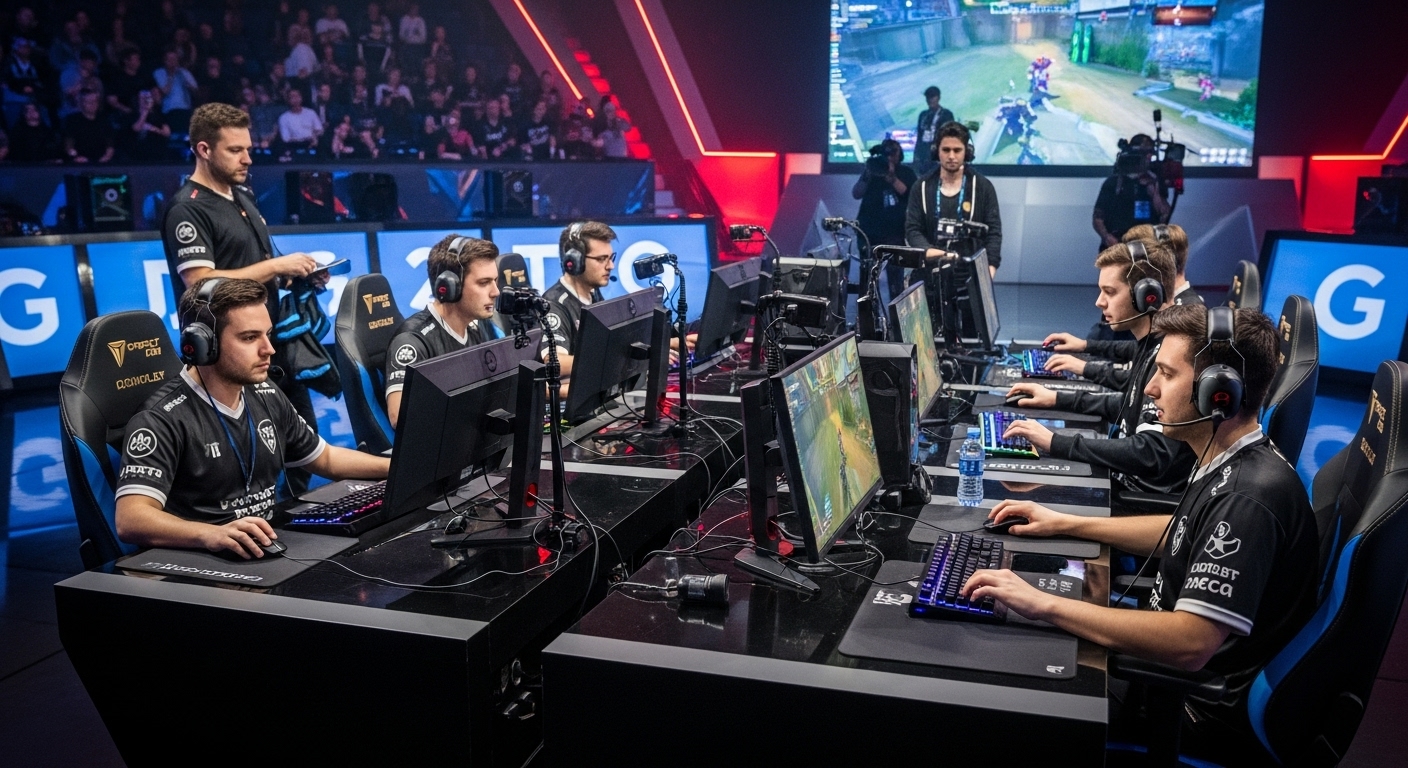
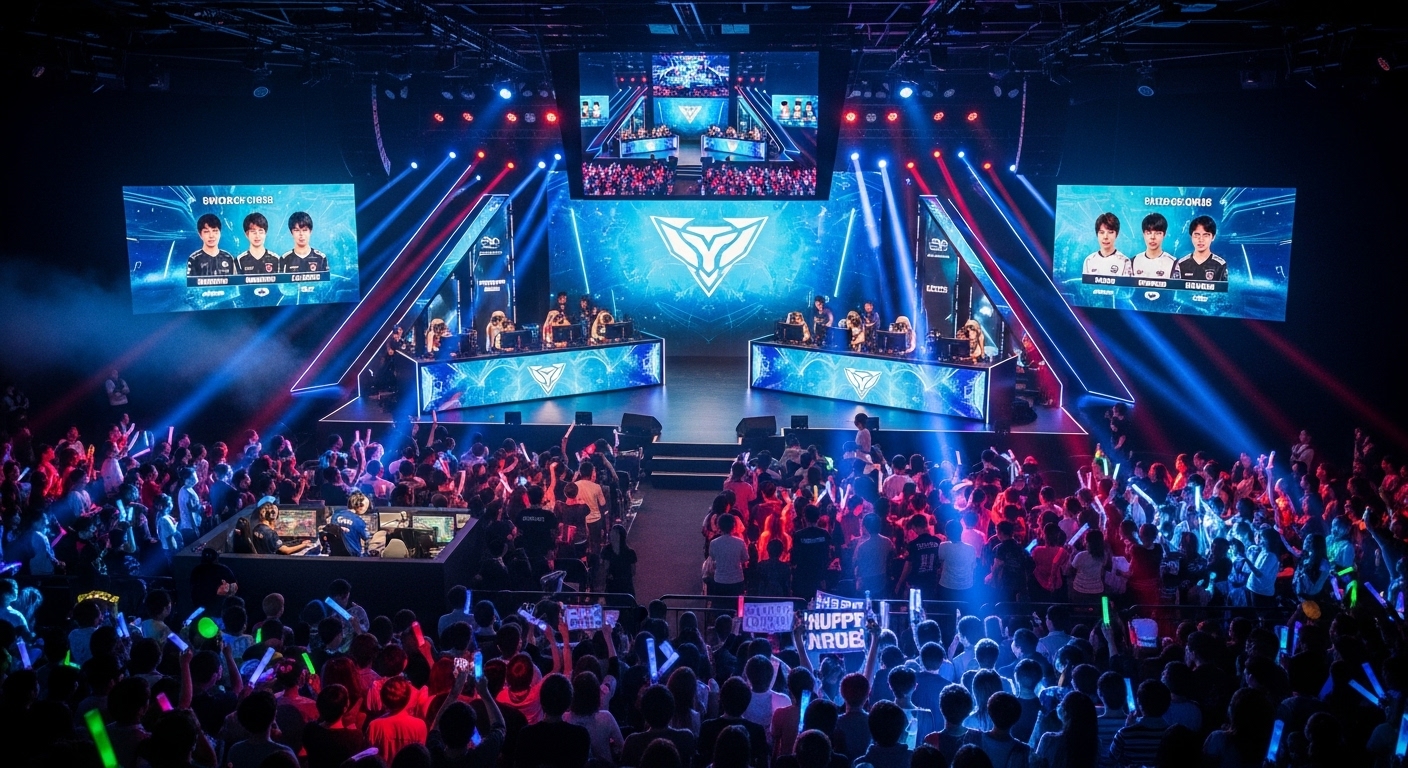
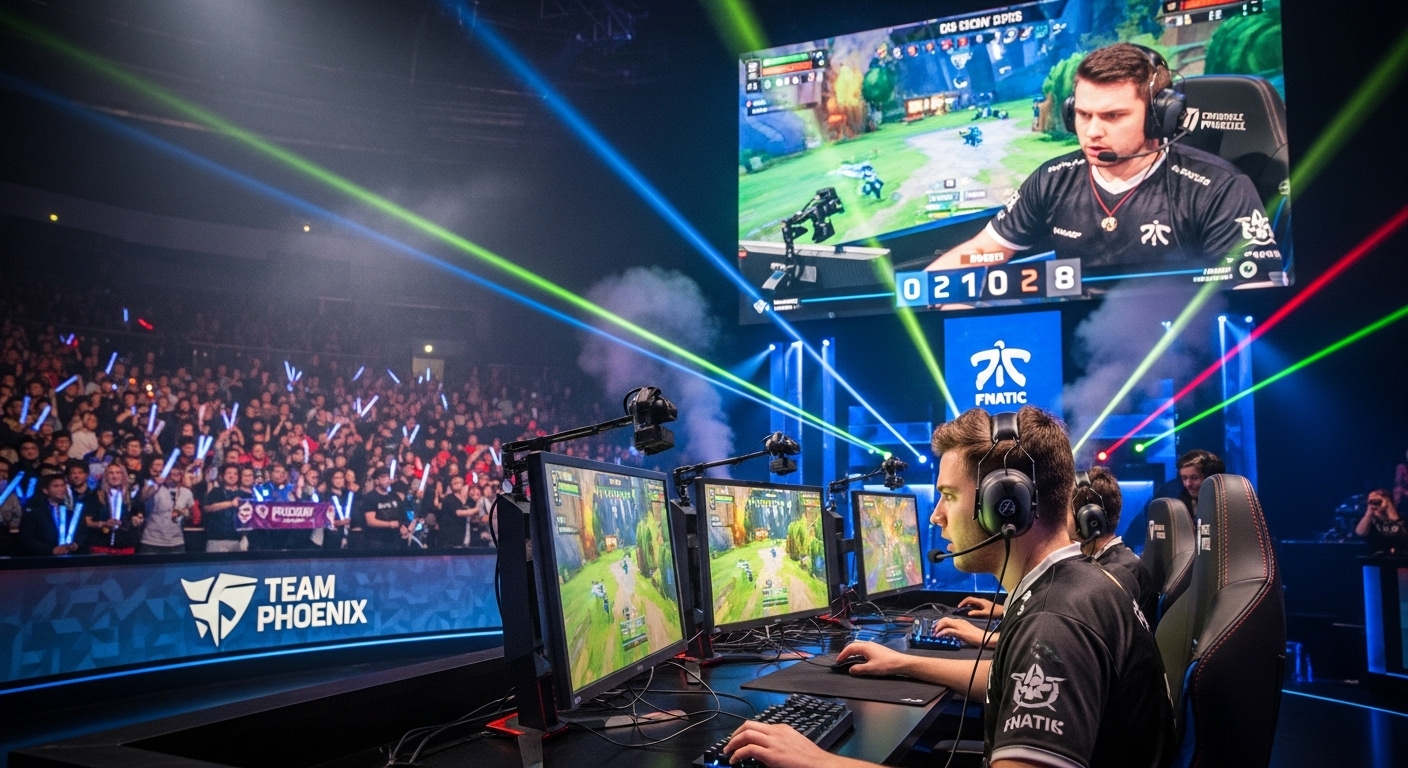
Esports tournaments are at the heart of competitive gaming. Major events like The International (Dota 2), League of Legends World Championship, and Fortnite World Cup offer multi-million-dollar prize pools and attract global audiences. These events combine high production value, live commentary, and entertainment, creating an experience similar to traditional sports. Regional leagues, such as the Overwatch League or the LCS, provide structured competition throughout the year, allowing teams to compete for ranking points and international qualification. The tournament structure ensures sustained engagement for both players and fans.
Esports and Technology
Technology plays a crucial role in the development of esports. High-speed internet, powerful gaming hardware, and streaming platforms are essential for competitive play and fan engagement. Innovations like virtual reality (VR) and augmented reality (AR) are beginning to influence esports, creating immersive experiences for both players and spectators. Data analytics and performance tracking tools help teams optimize strategies and player performance. The integration of technology ensures that esports continues to evolve, pushing the boundaries of what is possible in competitive gaming.
Esports as a Career
Esports offers diverse career opportunities beyond professional playing. Game developers, broadcasters, commentators, coaches, analysts, and content creators all contribute to the ecosystem. Sponsorships, streaming revenue, and tournament winnings provide financial stability for successful players, while coaching and management roles allow experienced professionals to continue their involvement in the industry. Universities and colleges have also started offering esports programs and scholarships, legitimizing competitive gaming as a serious career path.
Challenges Facing Esports
Despite its rapid growth, esports faces several challenges. Mental and physical health concerns are prominent due to long hours of practice, stress, and the sedentary nature of gaming. Regulatory issues, such as contract disputes, cheating, and fair play enforcement, also pose obstacles. Additionally, esports lacks standardization in some regions, leading to inconsistencies in tournament rules and player management. Overcoming these challenges is essential for sustaining growth and maintaining credibility as a competitive sport.
The Cultural Impact of Esports
Esports has had a significant impact on popular culture. It has influenced fashion, music, and social trends, particularly among younger generations. Professional players are role models, and gaming content has become a mainstream entertainment medium. Esports also promotes inclusivity, allowing players from diverse backgrounds to compete on equal footing. Moreover, esports has strengthened the sense of global community, connecting players and fans across borders through shared experiences.
The Future of Esports
The future of esports looks promising, with technological innovation, increasing investment, and growing mainstream acceptance driving expansion. Virtual reality competitions, mobile esports, and AI-driven analytics are likely to shape the next generation of competitive gaming. Traditional sports organizations are also investing in esports, bridging the gap between physical and digital competition. As the industry matures, esports is expected to achieve greater recognition, potentially becoming a part of international sporting events and even the Olympics.
Conclusion
Esports has come a long way from its humble beginnings as arcade competitions. Today, it is a thriving industry that combines skill, strategy, entertainment, and technology. With millions of fans worldwide, lucrative tournaments, and a growing professional ecosystem, esports has firmly established itself as a global phenomenon. As the industry continues to evolve, it promises new opportunities, innovation, and cultural impact, redefining the way we perceive sports and competition in the digital age. The rise of esports is not just a trend; it is a revolution in how we play, watch, and celebrate gaming.