





Esports, short for electronic sports, has evolved from niche hobbyist activity to a global phenomenon that rivals traditional sports in popularity and influence. Once dismissed as mere video gaming, esports now commands massive audiences, lucrative sponsorship deals, and professional players with celebrity status. Its growth reflects broader cultural, technological, and social shifts, transforming not only the way people consume entertainment but also how communities interact and industries operate. This blog explores the rise of esports, its economic and social impact, the technological backbone supporting it, and what the future holds for competitive gaming.
The Evolution of Esports: From Arcade Competitions to Global Arenas
The roots of esports date back decades, when early video game tournaments were held in arcades and college campuses. Games like Pac-Man, Street Fighter, and Counter-Strike attracted competitive players who sought to prove their skills. These early competitions were small-scale, often local events, but they laid the foundation for a global industry.
The growth of the internet and online multiplayer games in the late 1990s and early 2000s dramatically accelerated the expansion of esports. Players could now compete against opponents worldwide, fostering global communities and rivalries. The emergence of games such as StarCraft, League of Legends, and Dota 2 turned competitive gaming into a serious pursuit, with structured tournaments and professional teams gaining recognition.
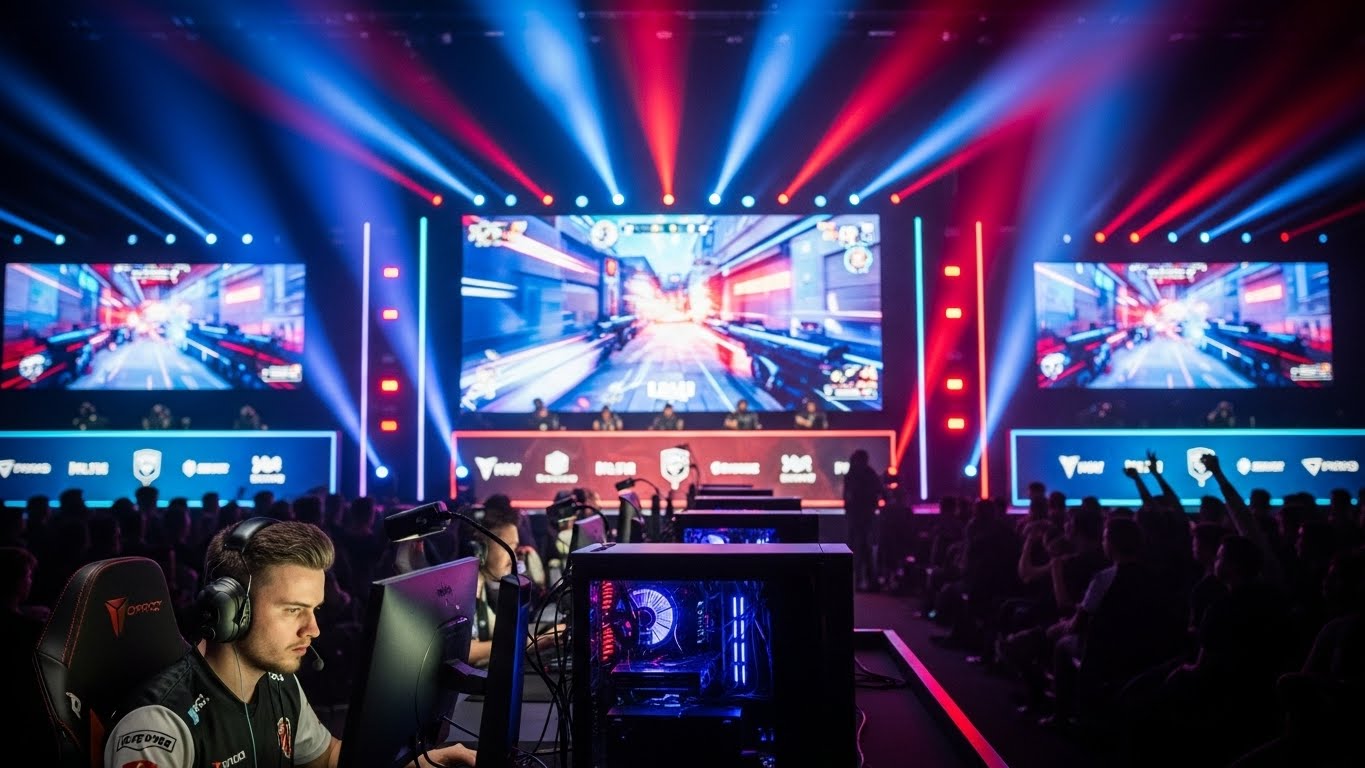
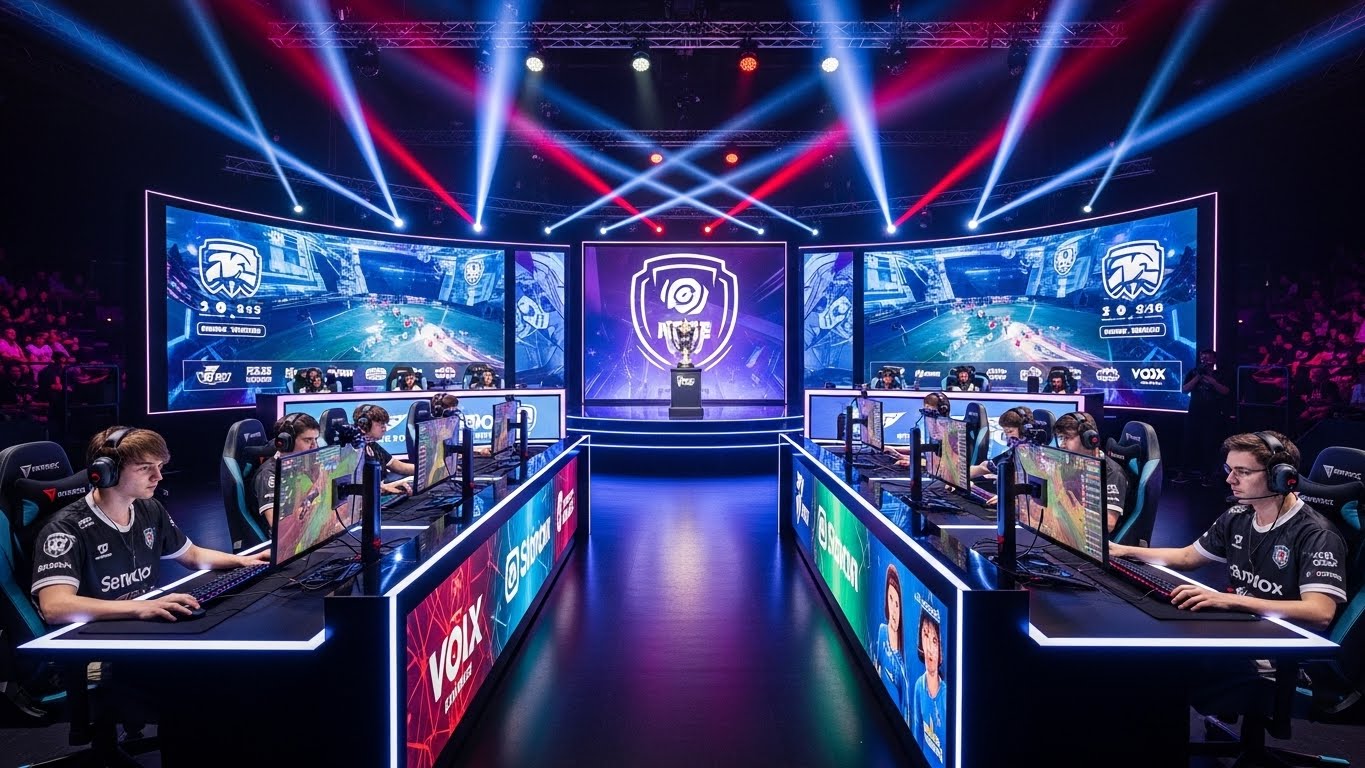
Today, esports events fill massive arenas and are broadcast to millions of viewers online. Competitions like the League of Legends World Championship or The International for Dota 2 draw audiences comparable to major traditional sporting events. This evolution highlights esports’ journey from informal hobby to a highly professionalized and economically significant industry.
The Economic Impact of Esports
Esports is not only a cultural phenomenon but also an economic powerhouse. Revenue streams in the industry include sponsorships, merchandise, ticket sales, media rights, and in-game purchases. Companies ranging from tech giants to beverage brands invest heavily in esports sponsorships, seeing it as an effective way to engage younger, digitally native audiences.
Professional esports players can earn substantial salaries, with top-tier competitors receiving six-figure incomes or more. Prize pools for major tournaments are staggering, often reaching millions of dollars for single events. Beyond the players, the industry supports a wide array of professionals, including coaches, analysts, event organizers, broadcasters, and content creators.
Esports has also stimulated growth in peripheral markets such as gaming hardware, streaming platforms, and mobile gaming. The increasing accessibility of competitive gaming has enabled a new generation of entrepreneurs and innovators to capitalize on the booming industry. In essence, esports is reshaping the economic landscape of entertainment, technology, and media.
Social Impact and Community Building in Esports
Esports is more than competition; it is a community-driven movement that fosters connection and collaboration. Online forums, social media groups, and streaming platforms enable players and fans to share experiences, strategies, and insights. This communal aspect distinguishes esports from traditional sports, as anyone with an internet connection can participate in or follow events regardless of location.
Gaming communities often extend beyond the games themselves, creating spaces for cultural exchange, mentorship, and social engagement. Esports tournaments also promote teamwork, strategic thinking, and communication skills among participants. Players collaborate under high-pressure conditions, learning lessons in discipline, time management, and perseverance that are applicable beyond gaming.
Moreover, esports has become a platform for diversity and inclusivity. Unlike many traditional sports, competitive gaming can be more accessible across gender, physical ability, and geography. This inclusivity fosters a sense of belonging and community, making esports a unique cultural force in the digital age.
The Technological Backbone of Esports
Technology is the lifeblood of esports. High-speed internet, advanced graphics processing units, and sophisticated gaming software enable smooth, competitive gameplay. Streaming platforms allow audiences to watch matches in real-time, interact with commentators, and engage with other fans.
Virtual reality and augmented reality are beginning to influence esports, offering immersive experiences that blur the line between the digital and physical worlds. Artificial intelligence is also being integrated into training tools, helping players analyze opponents’ strategies, improve reflexes, and refine decision-making.
Cloud gaming is another emerging trend, reducing the need for high-end hardware and making esports more accessible to a broader audience. As technology continues to evolve, the potential for enhanced gameplay, interactive spectating, and global participation will expand, further solidifying esports’ position in mainstream culture.
Esports as a Career Path
Esports offers diverse career opportunities, challenging the traditional notion of professional work. Beyond playing competitively, individuals can pursue roles as game developers, broadcasters, event coordinators, and analysts. Content creation, including streaming and YouTube channels, has become a lucrative avenue for players to monetize their skills and personality.
Education institutions are beginning to recognize esports as a legitimate career path, offering specialized programs in game design, esports management, and digital media production. Scholarships for talented esports players are becoming increasingly common, providing young athletes with opportunities similar to those in conventional sports.
The professionalization of esports emphasizes discipline, practice, and strategic thinking. Like any other high-performance field, success requires dedication, resilience, and a commitment to continuous improvement. This growing legitimacy attracts more talent and investment, ensuring that esports remains a viable career for the foreseeable future.
Challenges Facing the Esports Industry
Despite its rapid growth, esports faces several challenges. One of the most pressing is the lack of standardized regulations and governance. Unlike traditional sports with established regulatory bodies, esports competitions can vary widely in rules, formats, and prize distribution. Establishing consistent standards is crucial for credibility, fairness, and long-term sustainability.
Player health is another concern. Competitive gaming often involves extended periods of screen time, repetitive motions, and high levels of stress. Physical fitness, mental health, and injury prevention are increasingly emphasized, but more structured support systems are needed to protect players’ well-being.
Monetization and financial sustainability also present challenges. While top-tier events are lucrative, smaller tournaments and amateur leagues often struggle to secure funding and visibility. Developing a sustainable ecosystem that benefits both elite and grassroots participants is critical for the continued growth of esports.
The Future of Esports
The future of esports is promising and multifaceted. Technological innovations, expanding audiences, and increasing investment are driving continuous growth. Esports may increasingly intersect with traditional sports, entertainment, and education, creating hybrid experiences that appeal to a broader demographic.
Virtual reality esports could redefine competition, offering fully immersive environments where players and spectators interact in real-time. Artificial intelligence may enhance training, matchmaking, and game design, making competitions more strategic and engaging. Mobile esports is also expanding rapidly, allowing players from regions with limited access to high-end gaming equipment to participate in global tournaments.
Moreover, esports is likely to continue influencing culture beyond gaming. Fashion, music, and lifestyle brands are collaborating with esports, creating new avenues for cultural expression and marketing. As societal perceptions shift, esports will increasingly be seen not just as entertainment, but as a legitimate form of sport, education, and community engagement.
Conclusion: Embracing the Esports Era
Esports is no longer a fringe phenomenon; it is a dynamic, rapidly evolving industry with far-reaching social, economic, and technological impact. From its humble beginnings in arcades and college campuses to packed arenas and online streaming platforms, esports has proven its ability to engage, inspire, and unite communities around the world.
The industry’s growth reflects broader trends in technology, digital culture, and entertainment, emphasizing inclusivity, innovation, and connectivity. While challenges remain, particularly around regulation, player health, and financial sustainability, the future of esports is bright.
As technology continues to advance and global interest expands, esports will play an increasingly significant role in shaping culture, creating opportunities, and inspiring new generations of players and fans. Embracing this era means recognizing competitive gaming not just as entertainment, but as a powerful social and cultural movement, one that is redefining what it means to compete, collaborate, and succeed in the digital age.