




Esports, the world of competitive video gaming, has experienced a meteoric rise in popularity over the past few decades. From its humble origins in basement LAN parties to the multi-million-dollar tournaments broadcast to millions of viewers worldwide, esports has transformed into a massive, multi-faceted industry that rivals traditional sports in terms of viewership, sponsorships, and even cultural influence.
The journey of esports is a story of innovation, community-building, and the power of competition. In this blog post, we will explore the history of esports, its growth into a global industry, the major games and players that define it, the cultural impact it has had, and what the future holds for this exciting sector of the gaming world.
The Humble Beginnings: Early Days of Competitive Gaming
The origins of esports can be traced back to the late 20th century, when video gaming was still in its infancy. The first inklings of competitive gaming appeared in the early 1980s, when arcade games like Pong and Space Invaders became popular. These early games featured high score boards, and players often competed for bragging rights over who could set the best score. However, the idea of organized competitive play didn’t truly take off until the 1990s, when the internet and multiplayer gaming began to take hold.
One of the first real milestones in the development of esports was the 1997 Red Annihilation tournament for Quake, a first-person shooter (FPS) game by id Software. The event was significant for its large scale and the fact that the winner was awarded a Ferrari. This prize, while unusual by today’s standards, marked a shift in how competitive gaming was perceived. It was no longer just about bragging rights but about real stakes and serious competition.
Simultaneously, South Korea became a hotbed for competitive gaming, largely due to the success of games like StarCraft and the rise of internet cafes where players could meet and compete in person. By the late 1990s and early 2000s, esports began to take its first steps toward professionalization. The advent of online multiplayer gaming and the rise of games like Warcraft III, Counter-Strike, and Quake III Arena began to shape the modern competitive gaming landscape.
The Growth of Esports: Entering the Mainstream
The 2000s marked a crucial decade for esports. The success of games like StarCraft in South Korea and the rise of internet streaming platforms like Twitch paved the way for esports to explode onto the global stage. Esports organizations began to form, professional leagues were established, and sponsorships from major brands started to emerge.
One of the most important games in the early 2000s that helped shape esports as we know it today was League of Legends (LoL). Developed by Riot Games and released in 2009, LoL revolutionized the Multiplayer Online Battle Arena (MOBA) genre and quickly became the cornerstone of the esports ecosystem. Riot Games established the League of Legends World Championship, an annual event that quickly became one of the most-watched esports tournaments worldwide. In 2013, LoL’s World Championship attracted more than 30 million viewers, cementing its place as the centerpiece of competitive gaming.
At the same time, other games like Counter-Strike: Global Offensive (CS:GO) and Dota 2 began to emerge as major competitive games. These games attracted millions of players and had their own high-profile tournaments, such as the Dota 2 International and the CS:GO Major Championships, both of which would go on to offer multi-million-dollar prize pools and grow the esports economy significantly.
In parallel with the rise of esports games, streaming platforms such as Twitch, YouTube Gaming, and Facebook Gaming began to gain significant traction. Twitch, in particular, became the go-to platform for esports fans and players, providing a space for live broadcasts of tournaments, gameplay commentary, and the growing community of esports personalities to flourish. As these platforms grew in popularity, esports reached a global audience, and gaming became an integral part of mainstream culture.
The Players: The Stars of Esports
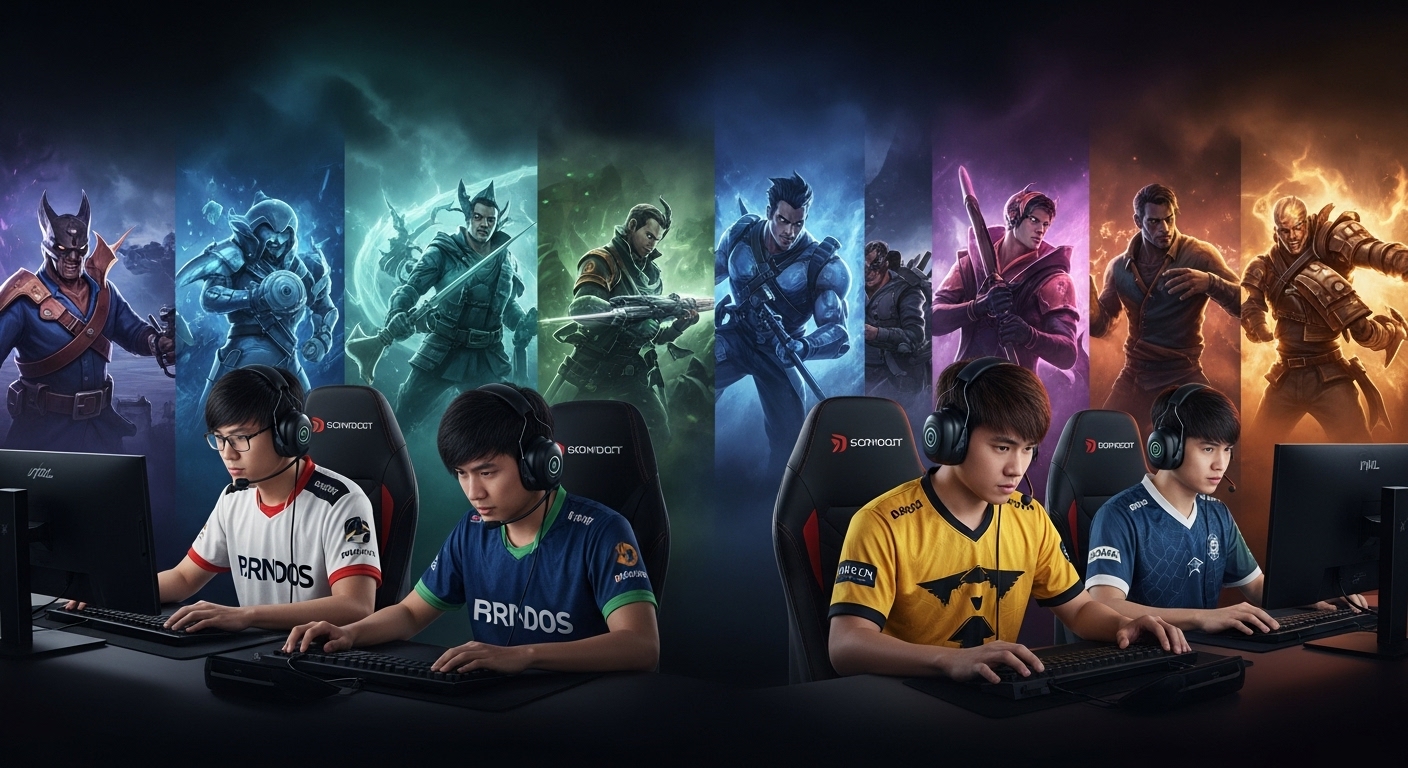
One of the driving forces behind the rise of esports has been its professional players, who have become celebrities in their own right. These athletes (yes, esports players are now widely considered professional athletes) spend hours every day training, honing their skills, and competing in high-stakes tournaments. Their dedication and talent have propelled them into the limelight, and many of them have become household names.
In the League of Legends scene, players like Faker (Lee Sang-hyeok) have achieved legendary status. Known as one of the best players to ever compete in LoL, Faker has won multiple World Championships and is widely regarded as the face of League of Legends. His unparalleled skill and consistency have made him an icon in the esports world, and he continues to inspire countless aspiring players.
In the CS:GO community, players like s1mple (Oleksandr Kostyliev) have similarly made their mark. As a member of Natus Vincere (Na’Vi), s1mple has been regarded as one of the greatest FPS players of all time. His precision, reflexes, and ability to dominate in competitive matches have earned him numerous MVP awards and a reputation as one of the most talented players in the history of CS:GO.
In Dota 2, players like Johan “N0tail” Sundstein have set the standard for success. As the captain of OG, N0tail led his team to victory in two The International tournaments, the most prestigious event in the Dota 2 competitive scene. N0tail’s leadership, game knowledge, and ability to adapt to ever-evolving strategies have made him a respected figure in the esports community.
The rise of these esports superstars is important not just because of their skills but because they help humanize the sport. They make esports feel more relatable and accessible to fans, who can follow their journey from rookie to legend. These players have turned esports into a legitimate career option, with sponsorships, streaming deals, and even appearance fees.
Major Esports Tournaments and Leagues
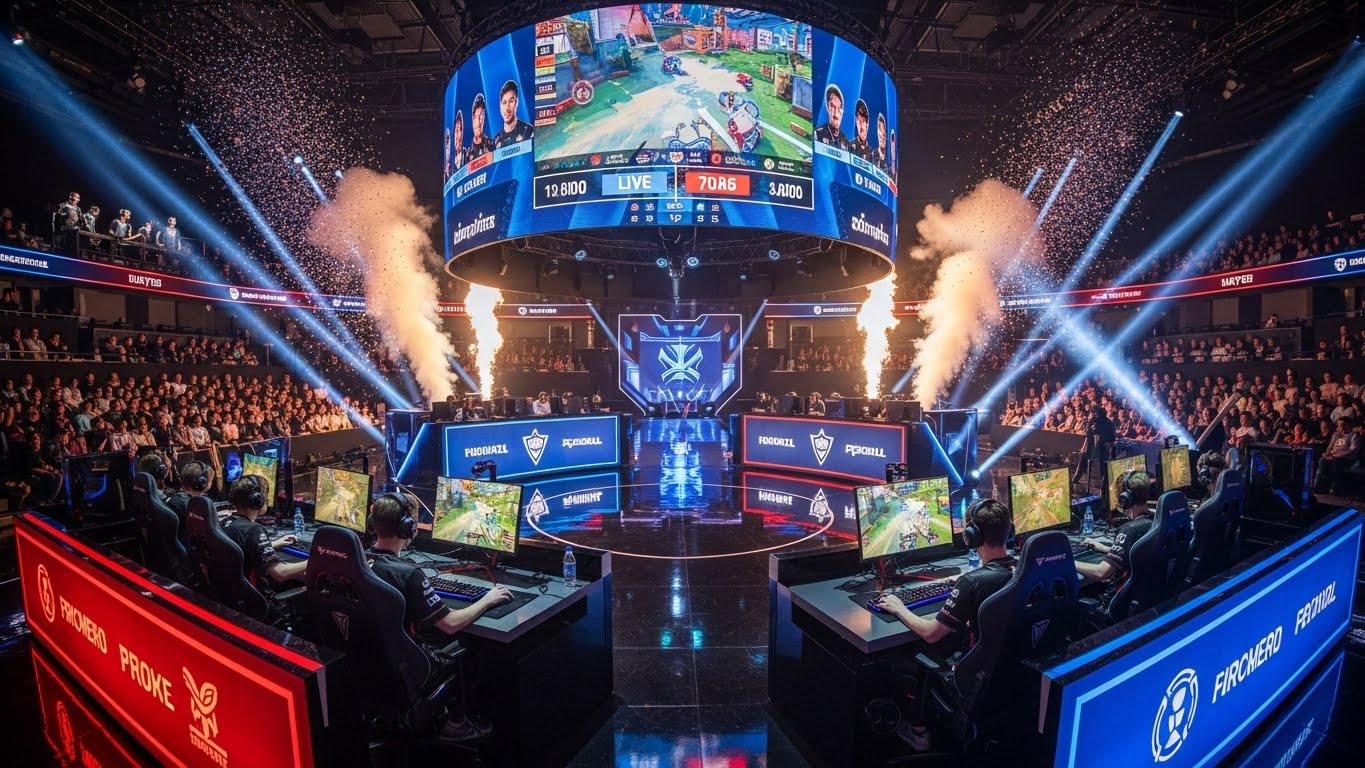
Tournaments and leagues are the lifeblood of the esports ecosystem. These events bring together the best players from around the world to compete for huge prize pools, recognition, and prestige. Some tournaments have even become larger than traditional sports events, attracting millions of viewers and offering prizes that rival those of the biggest sports championships.
The International (Dota 2)
Perhaps one of the most famous esports events in the world, The International is the premier Dota 2 tournament. Organized by Valve Corporation, The International boasts a prize pool that has consistently been among the largest in esports, often exceeding $30 million. The event brings together the world’s best Dota 2 teams, and the competition is fierce. The tournament is known not only for its high stakes but also for the incredible level of skill and strategy that it showcases.
League of Legends World Championship (Worlds)
The League of Legends World Championship, also known as Worlds, is the pinnacle of competitive LoL play. It has become one of the most-watched esports events globally, with viewership numbers regularly breaking records. Teams from various regions around the world compete for the coveted World Championship title, and the stakes couldn’t be higher. Winning Worlds is considered the pinnacle of achievement in the LoL esports scene.
CS:GO Major Championships
The CS:GO Major Championships are the most prestigious tournaments in the Counter-Strike: Global Offensive ecosystem. Organized by Valve and various tournament organizers, the CS:GO Majors attract top-tier teams from all over the world, and the competition is fierce. The Majors offer some of the largest prize pools in esports, and victory in a Major is a career-defining moment for any CS:GO team.
Overwatch League (OWL)
The Overwatch League (OWL) is one of the first city-based professional leagues in esports. Modeled after traditional sports leagues like the NBA and NFL, the OWL features teams representing cities from around the world. The league has brought a level of structure and professionalism to esports, with regular seasons, playoffs, and a grand championship. The OWL’s success has influenced the development of other esports leagues, such as the Call of Duty League (CDL).
Esports and Its Cultural Impact
Esports has not only become an industry but has also had a profound impact on global culture. Competitive gaming has bridged gaps between different cultures and countries, uniting fans through shared passions for their favorite games and players.
One of the biggest cultural shifts driven by esports is the normalization of gaming as a form of entertainment. In the past, video games were often viewed as a pastime for children or hobbyists. However, with the growth of esports, gaming has become a legitimate form of entertainment on par with traditional sports. Esports stars are treated like celebrities, and their success is celebrated across social media platforms, where fans share highlights, discuss strategies, and support their favorite teams.
Esports has also had a significant impact on the education sector. Many universities around the world have introduced esports programs, scholarships, and varsity teams. Schools now recognize esports as a viable career path, and they offer students the opportunity to compete at the collegiate level. As esports becomes more integrated into mainstream culture, the stigma surrounding gaming has faded, and young people are increasingly looking at it as a potential career.
The Future of Esports: Growth, Innovation, and New Frontiers
Looking ahead, the future of esports appears incredibly promising. With its massive fan base, growing revenues, and increasing legitimacy as a career, esports is poised to continue its upward trajectory.
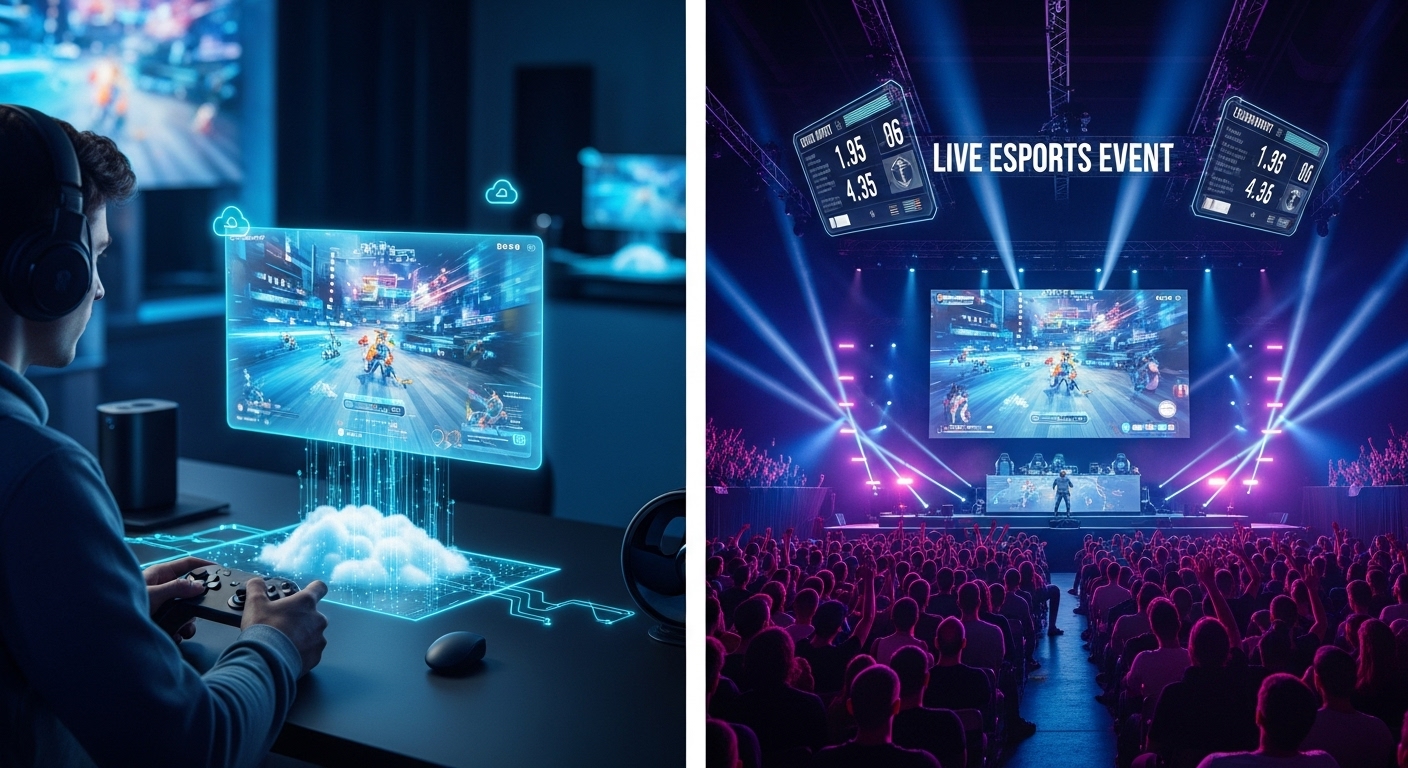
One of the key areas where esports is expected to grow is in live events. As technology advances, we could see more immersive experiences, such as virtual reality (VR) and augmented reality (AR), incorporated into esports tournaments. Imagine watching an esports match where you can experience the action from a player’s perspective or interact with the game environment in real-time.
Additionally, the continued growth of mobile gaming will likely play a significant role in esports’ future. Mobile games such as PUBG Mobile and Clash Royale have already seen the rise of competitive leagues, and as mobile gaming technology improves, more games are expected to enter the competitive scene. The convenience and accessibility of mobile esports have the potential to bring even more fans into the fold, particularly in regions where high-end gaming PCs or consoles may be less accessible.
The integration of esports into traditional sports organizations also suggests that the line between esports and mainstream sports will continue to blur. Major sports teams, leagues, and broadcasters are becoming more involved in esports, and this will only help bring the sport to a larger audience.
In conclusion, esports is no longer a passing trend but a thriving, evolving industry that has captured the hearts and minds of millions around the world. From its humble beginnings to its present-day dominance, esports has proven that competitive gaming is here to stay. Whether you’re a player, a fan, or someone new to the scene, the world of esports offers something for everyone, and its future is brighter than ever.