




Introduction to Esports
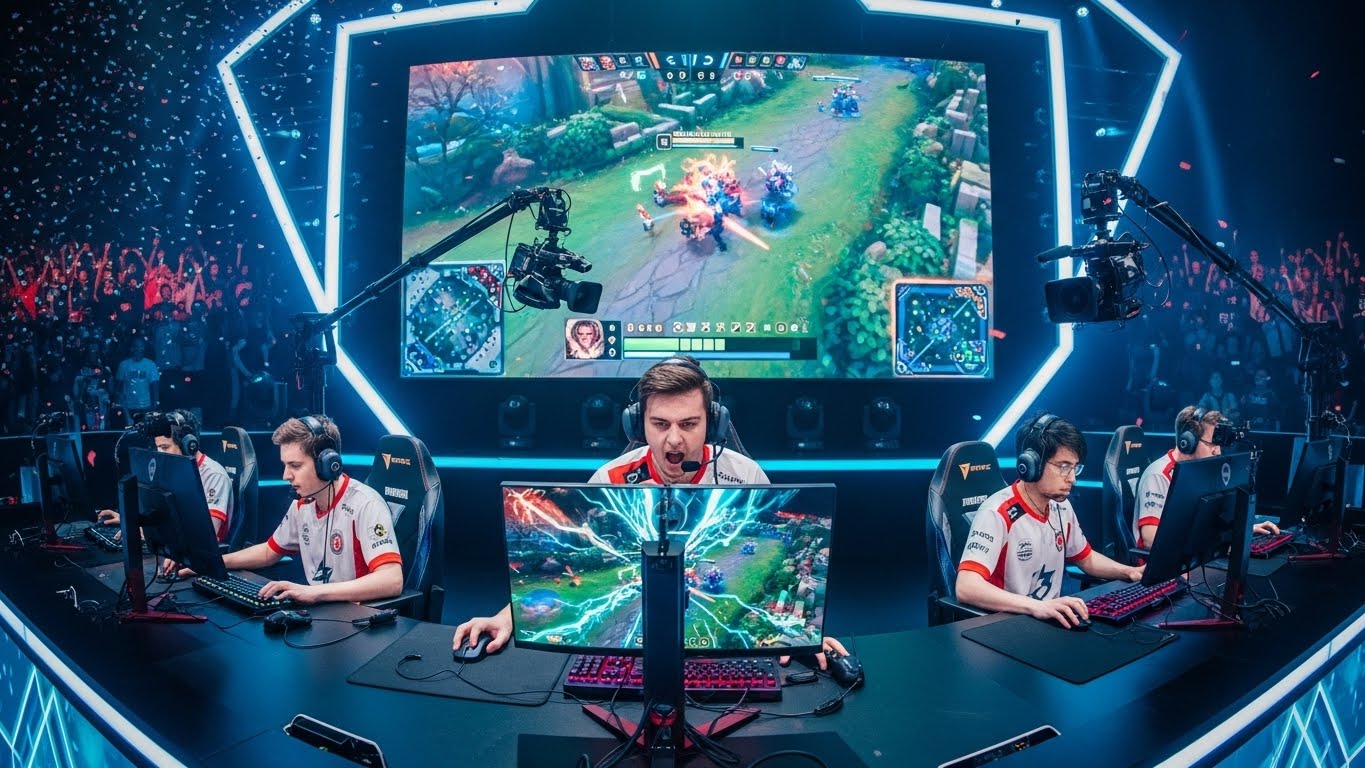
Esports, short for electronic sports, represents the modern age of competition where players and teams battle through video games instead of traditional physical sports. What once began as small gatherings of gamers has now transformed into a global entertainment phenomenon. Millions of people worldwide tune in to watch players compete in popular titles such as League of Legends, Dota 2, Counter-Strike, and Fortnite. Esports is no longer just a niche hobby; it has become a billion-dollar industry that rivals conventional sports in audience, sponsorship, and influence.
The evolution of esports is fascinating because it mirrors the growth of technology and internet culture. It has created careers, communities, and even educational opportunities. Today, esports is a professional field where gamers can earn fame, fortune, and recognition on a global scale. The passion and dedication of both players and fans continue to shape the future of digital entertainment.
The Early Days of Competitive Gaming
The story of esports begins in the late twentieth century when video gaming started becoming accessible to the public. During the 1970s and 1980s, gaming arcades were the hotspots for competition. Players would gather to prove their skills on classic machines like Space Invaders, Pac-Man, and Donkey Kong. In 1980, one of the first organized video game tournaments, the Space Invaders Championship, drew more than ten thousand participants across the United States. It was a clear indication that gaming had the potential to bring people together through competition.
The 1990s marked another leap forward with the introduction of home gaming consoles and early online connectivity. Games like Street Fighter II and StarCraft built passionate communities that thrived on competitive spirit. The foundation of modern esports was being laid as players began to form teams, organize tournaments, and develop a professional mindset toward gaming. LAN parties, where players connected their computers locally, became the breeding ground for future esports legends.
The Internet Revolution and the Rise of Online Gaming
The arrival of the internet revolutionized the gaming world. Suddenly, players no longer needed to be in the same room to compete. Online gaming platforms allowed individuals from different parts of the globe to connect and challenge one another. Games like Counter-Strike, Quake, and Warcraft III became symbols of the early 2000s esports scene.
Online tournaments began to gain popularity, and with them came the need for structure and organization. Competitive gaming leagues such as the Cyberathlete Professional League (CPL) and Major League Gaming (MLG) appeared, giving esports a formal identity. These organizations offered real prize money, sponsors, and professional recognition. Players began to dedicate their time to practice and training, treating gaming as a serious career rather than a casual pastime.
The internet also gave rise to a new culture of spectatorship. Fans could watch matches online, discuss strategies, and follow their favorite players. This growing audience paved the way for esports broadcasting and commentary, which made competitions more entertaining and professional.
The Emergence of Major Esports Titles
As gaming technology advanced, developers started creating titles specifically designed for competitive play. Games such as League of Legends, Dota 2, and Overwatch were built with esports in mind. These games provided balanced mechanics, spectator modes, and constant updates that kept the competition fresh and engaging.
League of Legends, developed by Riot Games, played a crucial role in bringing esports to mainstream attention. Its global tournaments attracted millions of viewers, with grand finals filling entire stadiums. Similarly, Dota 2’s annual event, The International, became famous for offering some of the largest prize pools in esports history.
First-person shooter games like Counter-Strike: Global Offensive and battle royale games such as Fortnite and PUBG expanded the esports ecosystem further. Each title contributed its unique community, playstyle, and identity, enriching the diversity of the esports landscape.
The Role of Streaming and Content Creation
One of the biggest factors behind the explosion of esports popularity is streaming. Platforms like Twitch and YouTube allowed fans to watch live matches, replays, and player streams from anywhere in the world. This accessibility turned esports into an always-available form of entertainment, similar to traditional sports broadcasts.
Streaming also gave individual players the power to build personal brands. Many professional gamers became influencers, connecting directly with their audiences. This shift allowed esports athletes to gain sponsorship deals, create merchandise, and expand their presence beyond competitive play.
The rise of streaming also fostered community growth. Fans could interact with players, discuss tactics, and celebrate victories together. This sense of belonging and shared excitement made esports more than just a competition—it became a cultural experience.
Esports as a Career Path
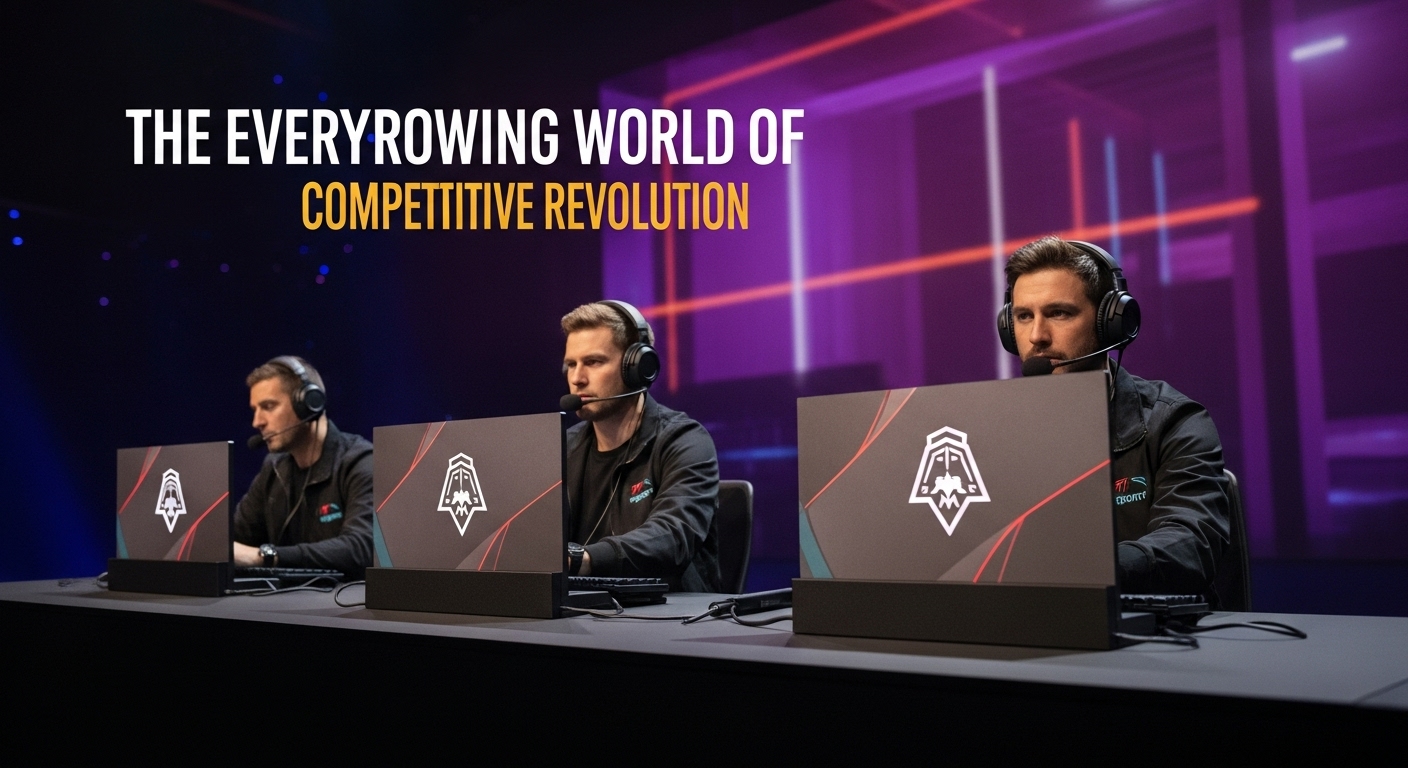
The perception of gaming as a legitimate career has changed drastically over the years. What was once considered a hobby is now seen as a professional pursuit that demands skill, discipline, and teamwork. Esports athletes train for hours each day, studying opponents, refining strategies, and maintaining physical and mental health to perform at the highest level.
In addition to players, the esports ecosystem includes coaches, analysts, commentators, event organizers, and marketing experts. Universities around the world now offer scholarships for esports players and even degrees in esports management. The industry has become a major source of employment, providing opportunities for both technical and creative professionals.
However, the path to success in esports is not easy. Competition is fierce, and only a small percentage of players make it to the top. The demands of constant practice and the pressure to perform can lead to burnout. That is why many esports organizations now emphasize player wellness and career longevity.
The Global Expansion of Esports
Esports has grown far beyond regional boundaries. Asia, particularly South Korea and China, has long been at the forefront of competitive gaming. South Korea’s professional gaming culture, supported by television coverage and government recognition, inspired other nations to follow suit.
In recent years, North America, Europe, and the Middle East have witnessed tremendous growth in esports infrastructure. Professional leagues and arenas are being established in major cities, and international tournaments bring together the best players from across the globe. The global nature of esports has also made it a powerful tool for cultural exchange, connecting people of different languages and backgrounds through shared passion.
Esports events now fill arenas once reserved for traditional sports. Massive audiences watch live broadcasts, with millions more tuning in online. This level of engagement has attracted mainstream sponsors, celebrities, and even sports franchises, all eager to be part of this booming industry.
The Economic Impact of Esports
The financial side of esports has become one of its most impressive aspects. The industry generates revenue through sponsorships, advertising, merchandise, ticket sales, and media rights. Large corporations invest in esports because of its strong connection with younger audiences and its digital-first nature.
Prize pools for major tournaments can reach tens of millions of dollars, rewarding players for their hard work and talent. Teams have become professional organizations with investors, managers, and support staff. The economic opportunities created by esports extend to technology companies, gaming hardware manufacturers, and event production firms.
The influence of esports also stretches into education and social media. Schools and colleges are recognizing its potential to teach teamwork, leadership, and strategic thinking. Meanwhile, brands see esports as a gateway to connect with a tech-savvy audience that values authenticity and creativity.
The Cultural Significance of Esports
Beyond economics, esports has a deep cultural impact. It has redefined entertainment and inspired a new generation of digital athletes. The competitive gaming scene celebrates diversity, innovation, and global unity. Players from different backgrounds can rise to fame purely based on skill, breaking barriers that exist in many traditional industries.
Esports has also challenged outdated stereotypes about gamers. Instead of being viewed as isolated individuals, professional players are now respected for their discipline and achievements. The teamwork, communication, and adaptability required in esports rival those of traditional sports like football or basketball.
The rise of esports fandom has created vibrant communities. Online forums, fan art, and cosplay all contribute to a culture that is rich, expressive, and ever-evolving. Esports has become a form of modern storytelling where rivalries, underdog victories, and moments of brilliance capture the imagination of millions.
Challenges Facing the Esports Industry
Despite its success, esports faces several challenges. One major issue is the question of regulation and structure. Unlike traditional sports governed by established organizations, esports operates across multiple games and platforms, each with its own rules and governing bodies. This fragmentation can lead to inconsistencies and difficulties in maintaining fair play.
Another challenge is player health. Long hours of gaming can cause physical strain, mental fatigue, and burnout. Many teams now employ fitness trainers and psychologists to help players maintain balance and performance. There are also discussions about ensuring fair contracts, protecting players’ rights, and preventing exploitation, especially among younger talents.
Toxicity in online communities remains a concern as well. Esports organizations continue to promote sportsmanship and positive behavior to ensure a welcoming environment for all participants. Maintaining inclusivity and diversity is also essential for the long-term health of the industry.
The Future of Esports
The future of esports is full of promise. As technology advances, new forms of competition are emerging. Virtual reality and augmented reality may soon bring even more immersive experiences. Artificial intelligence could revolutionize training, analysis, and strategy development.
The continued integration of esports into mainstream entertainment will blur the lines between traditional and digital sports. Major broadcasters and streaming services are already competing for esports viewership rights. Governments and educational institutions are beginning to support esports as a legitimate form of cultural and economic growth.
In the coming years, we can expect to see even more global tournaments, cross-platform competitions, and innovative game designs focused on competitive play. Esports is poised to become one of the defining entertainment mediums of the twenty-first century.
Conclusion
Esports has come a long way from its humble beginnings in arcade halls and LAN parties. It now stands as a global industry that combines technology, creativity, and competition in a way that resonates with millions. It represents the spirit of modern youth, embracing innovation, community, and digital expression.
As it continues to evolve, esports will shape not only the future of gaming but also the future of how we connect, compete, and celebrate human achievement in the digital age. The journey of esports is far from over—it is only the beginning of a new chapter in the history of global entertainment.