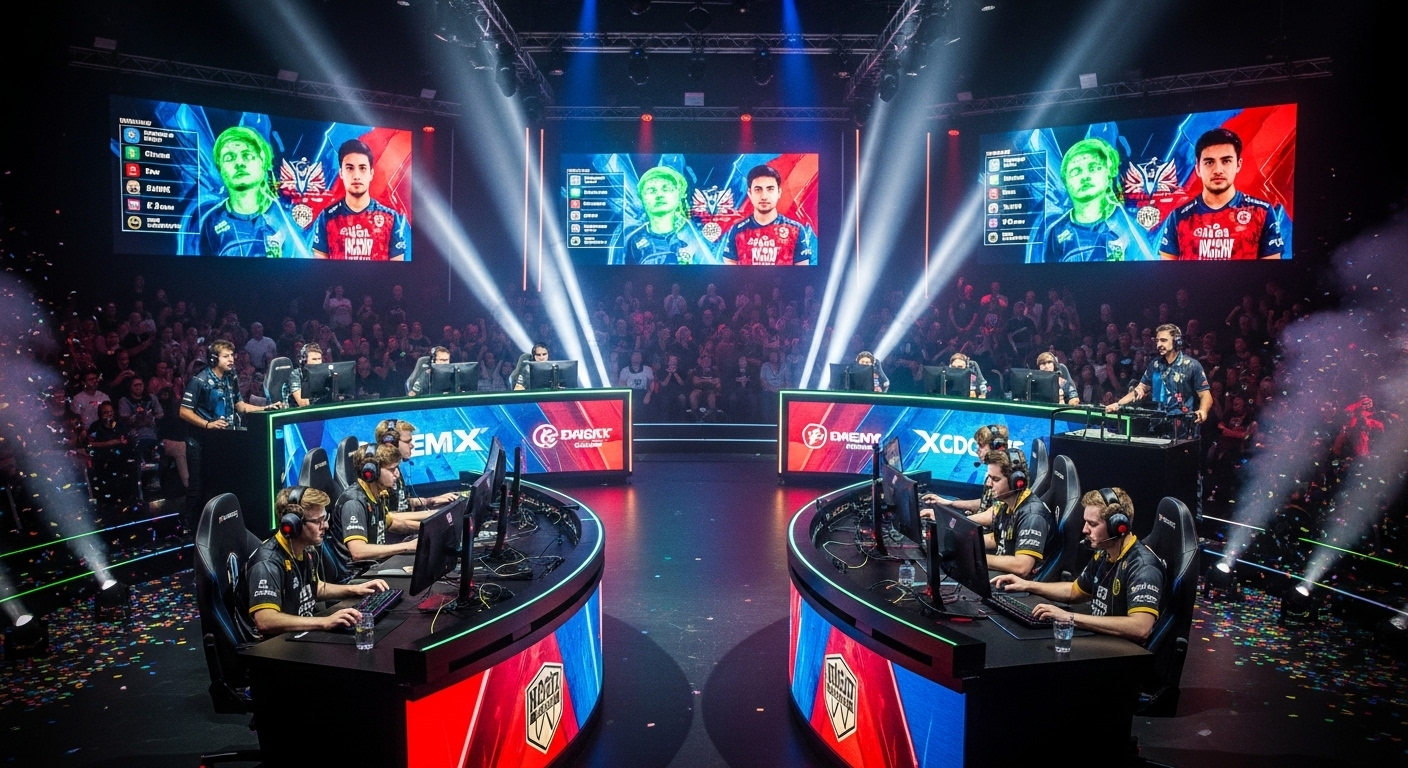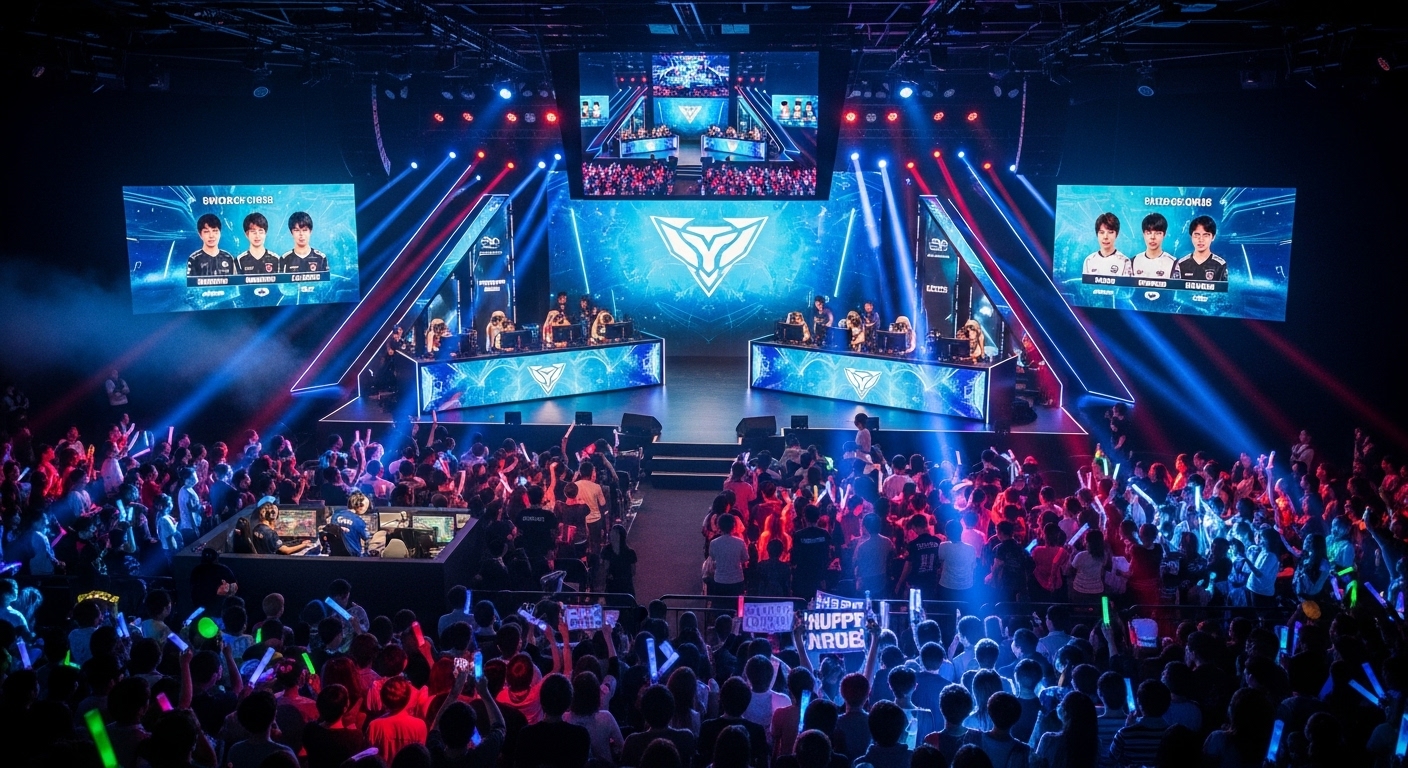







Esports has emerged as a global phenomenon, transforming video games from a casual pastime into a professional competitive arena. With millions of players, fans, and tournaments worldwide, esports has become a cultural force that blends technology, skill, and entertainment in unprecedented ways.
The Rise of Esports
Esports started as small, community-driven competitions but has grown into a billion-dollar industry. What was once limited to local LAN parties is now broadcast to millions of viewers online and in packed stadiums. Games like League of Legends, Dota 2, Counter-Strike, and Fortnite have paved the way for professional players to gain fame and for teams to attract sponsorships, turning esports into a legitimate career path.
Popular Esports Game Genres
Esports is diverse, catering to a variety of gaming preferences and skill sets:
- Multiplayer Online Battle Arenas (MOBAs): Teams strategize to control the map, defeat opponents, and complete objectives.
- First-Person Shooters (FPS): Players compete in fast-paced battles that demand precision, speed, and tactical thinking.
- Real-Time Strategy (RTS): Focuses on resource management, planning, and executing complex strategies.
- Battle Royale Games: Players compete to be the last one standing, combining survival instincts with smart gameplay decisions.
Technology Behind Esports
The growth of esports relies heavily on technological advancements. High-performance computers, powerful graphics, and low-latency internet connections are essential for competitive play. Streaming platforms allow millions to watch matches live, creating a global audience. Data analytics and performance-tracking tools also help teams refine strategies, giving players a competitive edge.
Social and Cultural Influence
Esports is not just a competition; it’s a community. Fans engage in live chats, forums, and social media, creating vibrant digital communities. Professional players inspire millions, while tournaments offer shared experiences for both players and spectators. Esports also bridges traditional sports and digital entertainment, proving that competition, teamwork, and strategy are universal values, whether on a field or a screen.
The Future of Esports
The future of esports is bright and dynamic. Emerging technologies like virtual reality and AI-driven training tools promise to take gameplay and audience experiences to new heights. With growing investments, global tournaments, and increasing recognition from mainstream media, esports is poised to become one of the dominant forms of entertainment worldwide.
Conclusion
Esports has redefined what it means to compete in the digital age. It combines strategy, skill, technology, and community, creating an ecosystem that goes beyond traditional gaming. As the industry continues to evolve, esports will shape the future of entertainment, proving that competitive gaming is not just a hobby—it is a cultural revolution.