




Introduction: The New Era of Competitive Play
Esports has emerged as one of the most transformative forces in modern entertainment. Once dismissed as a casual hobby, competitive gaming has evolved into a global cultural movement with professional athletes, massive tournaments, strategic depth, and millions of passionate fans. Today, esports stands not only as a groundbreaking form of digital entertainment but also as a legitimate professional industry that influences technology, education, business, and pop culture. This blog explores the remarkable rise of esports, the elements that define its success, and the profound impact it has on individuals and communities around the world.
The Early Days of Competitive Gaming
Competitive gaming did not begin as a major phenomenon. In the early 1980s and 1990s, players gathered in arcades, living rooms, and computer labs to challenge one another for high scores or bragging rights. Early competitions in games like Space Invaders and arcade classics helped lay the foundation for what would become a new kind of sport.
As technology advanced, personal computers and early internet connections created opportunities for more complex competitive play. Titles like StarCraft, Quake, and Counter-Strike introduced fast-paced battles that required strategy, precision, and teamwork. LAN parties became popular, allowing players to connect locally and compete intensely. These early gatherings formed the cultural roots of modern esports, highlighting that gaming could be a serious, competitive pursuit.
The Rise of Professional Esports
The 2000s brought a technological revolution that pushed esports into the global spotlight. Online gaming became more accessible, internet speeds increased, and gaming communities expanded rapidly. Game developers began organizing tournaments with structured formats, rules, and prize pools. Competitive titles grew into professional leagues, each attracting skilled players who trained rigorously to master their games.
The emergence of viewing platforms and live broadcasts transformed esports into a spectator experience. People from different countries could watch matches in real time, support their favorite teams, and engage in vibrant discussions. As esports events grew in scale, professional players gained recognition similar to athletes in traditional sports. Training facilities, coaching staff, and analysts became common parts of the professional ecosystem. What began as a niche activity had now become a mainstream career path.
The Structure of Esports Competition
A significant factor behind the success of esports is its structured and organized competitive environment. Professional teams are built with players specializing in different roles and responsibilities. Coaches help develop strategies, while analysts review gameplay to identify strengths and weaknesses.
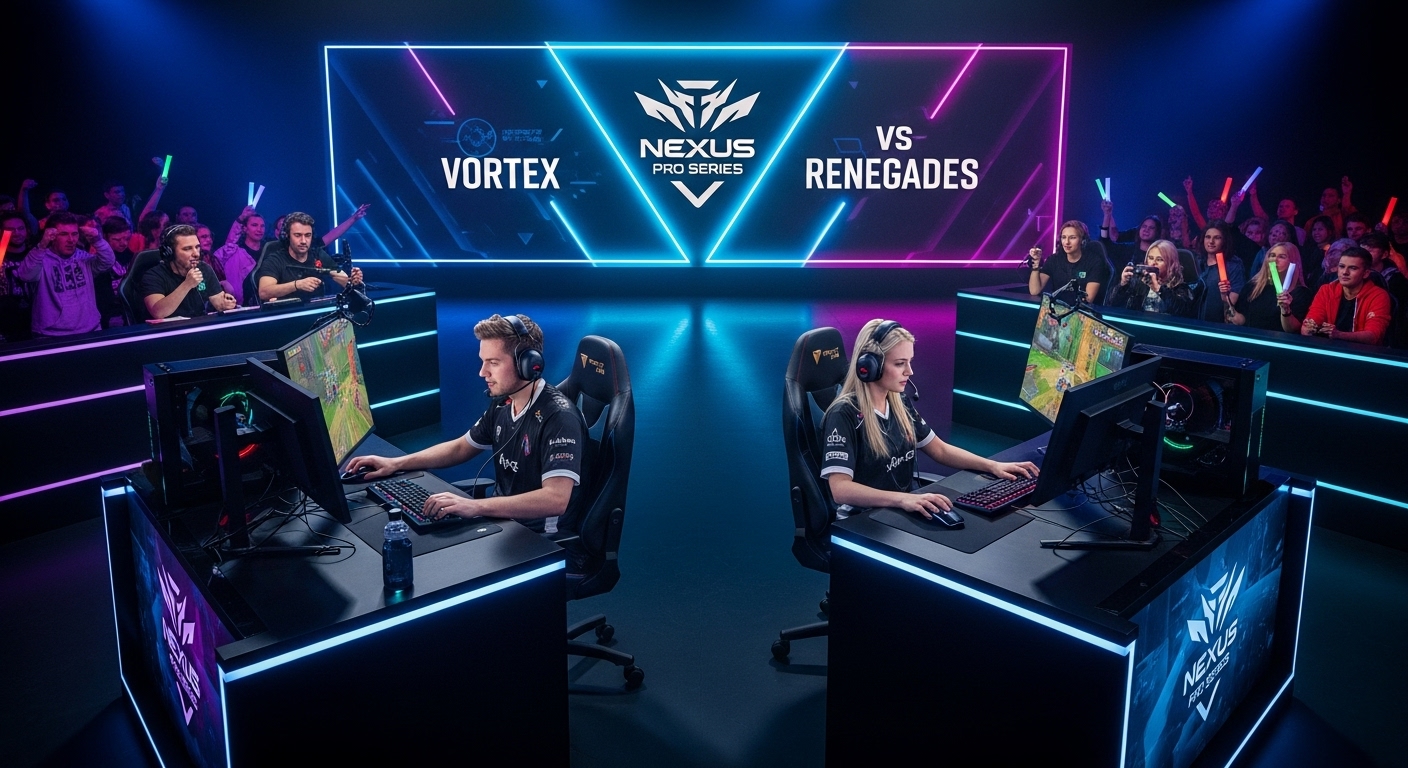
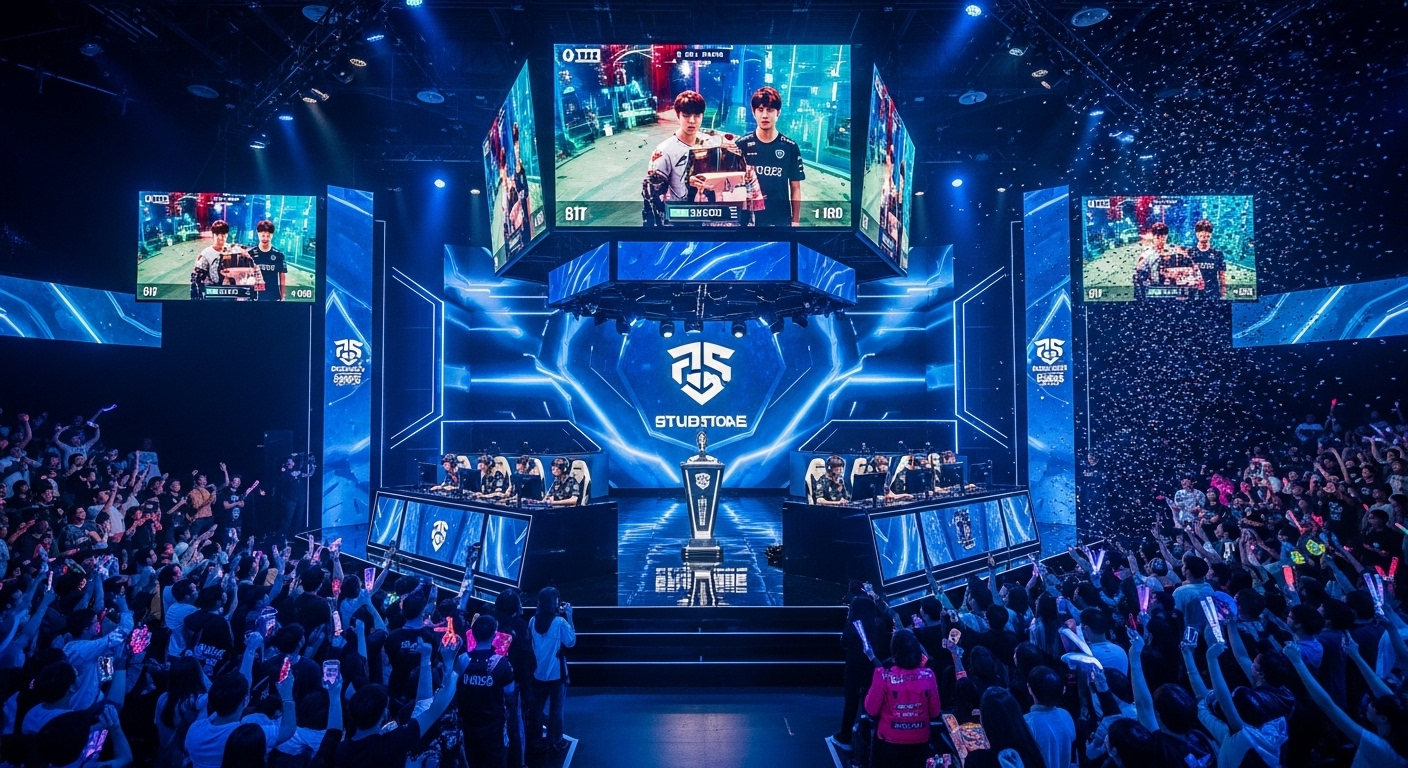
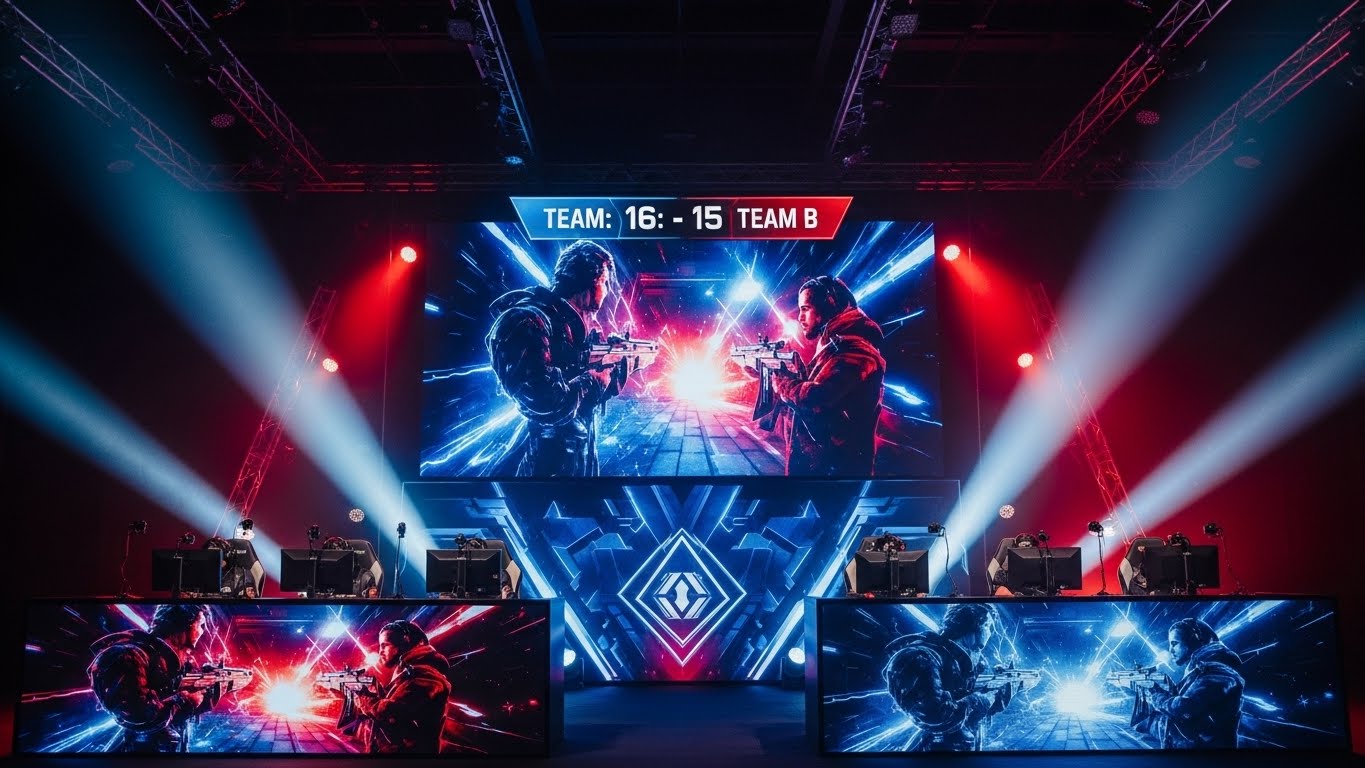
Esports tournaments feature seasonal leagues, playoffs, and championship finals. These events are often hosted in large arenas filled with cheering fans. The competitive structure encourages consistent improvement, teamwork, and dedication. Much like traditional sports, esports requires discipline, training, and strategic planning.
Skills That Define Esports Athletes
The skill set required to excel in esports is diverse and demanding. Players must develop exceptional reflexes, precise hand-eye coordination, and advanced multitasking abilities. Quick decision-making is essential, as matches often require strategic thinking under intense pressure.
Mental stamina is equally important. Esports athletes must remain focused during long practice sessions and high-stakes games. Emotional control helps them adapt to setbacks and maintain a competitive mindset. These qualities demonstrate that esports is far more than casual gaming—it is a demanding discipline that challenges both the mind and body.
The Esports Audience: A Global Community
One of the most remarkable aspects of esports is its global audience. Millions of fans follow teams, watch tournaments, and participate in discussions about strategies and gameplay. Esports communities are diverse and inclusive, bringing together people from different countries, cultures, and age groups.
Fans often form deep connections with players and teams, supporting them through victories and defeats. Online platforms allow them to interact, share insights, and celebrate memorable moments. These digital communities give esports a social dimension that strengthens its appeal.
Cultural Influence of Esports
Esports has significantly influenced modern culture. Gaming-inspired fashion, music collaborations, and entertainment crossovers have become increasingly common. Professional players achieve celebrity status, and gaming terminology enters everyday language.
Schools and universities have also embraced esports, offering scholarships, academic programs, and official teams. This shift reflects the growing recognition of esports as both a serious sport and a valuable career pathway. As cultural boundaries blur, esports continues to reshape how society views gaming and digital entertainment.
Economic Impact of the Esports Industry
Esports contributes enormously to the global economy. Revenue comes from sponsorships, advertising, merchandise, media rights, tournaments, and gaming-related products. Professional organizations employ players, coaches, managers, content creators, and support staff.
Gaming equipment manufacturers benefit from increased demand for high-performance hardware. Event organizers create jobs in production, marketing, and event management. The wide economic reach of esports highlights its importance as a major industry that supports innovation, employment, and global investment.
The Role of Technology in Esports Evolution
Technology drives every aspect of esports. High-speed internet enables seamless competition, while powerful computers and consoles enhance gameplay experiences. Streaming services allow fans worldwide to enjoy matches instantly, making esports accessible like never before.
Emerging technologies such as virtual reality and augmented reality promise to introduce new competitive formats. Artificial intelligence is already assisting in training programs and data analysis. Technology continues to push esports forward, opening doors to fresh possibilities and innovations that were once unimaginable.
Health and Wellness in Esports
Although esports is a digital activity, it demands physical and mental well-being. Long hours of training can cause fatigue, strain, and stress. To support athlete health, organizations now emphasize wellness programs, physical exercise, mental coaching, and balanced schedules. Proper posture, stretching, hydration, and rest have become essential components of esports training routines.
As the industry grows, more attention is being placed on long-term health and sustainability, ensuring that players can maintain high levels of performance while protecting their physical and mental health.
Inclusivity and Diversity in Esports
Esports has the potential to be one of the most inclusive competitive industries. Unlike traditional sports, physical attributes such as height or strength do not determine success. This makes esports accessible to a broader range of participants, including those with physical limitations.
Women are increasingly participating in professional competitions and leadership roles. Initiatives supporting diversity help ensure that esports continues to grow as a welcoming space where talent is recognized without bias. Inclusivity strengthens the community and enriches the industry as a whole.
Challenges Facing the Esports Industry
Despite its many successes, esports faces several challenges. Maintaining fair play requires constant efforts to prevent cheating and rule violations. Ensuring the mental and physical well-being of players is an ongoing responsibility.
Commercialization and rapid growth can create pressure on teams, players, and organizers. Issues such as burnout, ethical concerns, and access to resources must be addressed to sustain long-term success. Overcoming these challenges will require collaboration and leadership across the industry.
The Future of Esports
The future of esports is filled with exciting possibilities. With continued technological advancements, expanding global audiences, and increasing educational and professional opportunities, esports is poised for even greater growth. Virtual reality competitions, enhanced interactivity, and cross-industry collaborations will shape the next chapter of esports.
Esports will likely evolve beyond gaming alone, merging with traditional sports, entertainment, and digital innovation. It will continue to inspire creativity, competition, and connection, shaping the future of global entertainment.
Conclusion: A New Age of Digital Competition
Esports has transcended its humble beginnings to become a powerful, influential, and inspiring global phenomenon. It offers a platform for competition, creativity, and community in a way that no other form of entertainment can match.
From professional leagues and massive tournaments to dedicated fans and cultural impact, esports represents the evolution of play, skill, and human connection. It stands as a testament to how digital innovation can transform entertainment and create opportunities across the world.
In every match played and every champion crowned, esports continues to push boundaries and ignite passion. It is not just the future of gaming—it is the future of competitive entertainment and global community.