





Introduction: The Digital Revolution of Competitive Gaming
Esports, or competitive gaming, has emerged as one of the most influential and rapidly growing industries of the 21st century. What started as casual gaming among friends has transformed into a global phenomenon, attracting millions of viewers, professional players, and investors. Unlike traditional sports, esports thrives entirely in the digital space, where skill, strategy, and mental agility define success. From small local tournaments to massive international championships, esports has redefined competition, creating new career paths, entertainment models, and community experiences.
The rise of esports reflects not only the growing popularity of video games but also the way technology has reshaped social interaction, entertainment, and professional opportunities. It is a movement that bridges cultures, generations, and platforms, proving that competition is no longer limited to physical arenas.
The Origins of Esports: From Arcades to Global Tournaments
The history of esports dates back several decades, originating in the early days of video gaming. In the 1970s and 1980s, arcades introduced competitive gaming to the public. Titles like “Space Invaders,” “Pac-Man,” and “Donkey Kong” encouraged players to achieve the highest scores, sparking friendly rivalries and local competitions.
The 1990s marked a significant turning point with the advent of multiplayer online games. Games like “Quake,” “StarCraft,” and “Counter-Strike” enabled players from different regions to compete virtually, laying the groundwork for organized esports tournaments. By the early 2000s, leagues and online competitions became more structured, attracting sponsorships and dedicated audiences.
Today, esports has grown into a multi-billion-dollar industry with professional teams, high-stakes tournaments, and millions of fans worldwide. The evolution from small arcade competitions to international leagues illustrates how technology and social engagement have fueled the global appeal of competitive gaming.
Why Esports Captivates Audiences Worldwide
The popularity of esports is rooted in several unique factors that set it apart from traditional forms of entertainment.
Accessibility: Unlike traditional sports that require physical infrastructure, esports is accessible to anyone with a computer, console, or mobile device. This low barrier to entry allows millions of individuals to participate and engage globally.
Diverse Game Genres: Esports encompasses a wide range of game types, from first-person shooters and battle royale games to real-time strategy and multiplayer online battle arenas. This variety ensures that there is something for every type of gamer and fan.
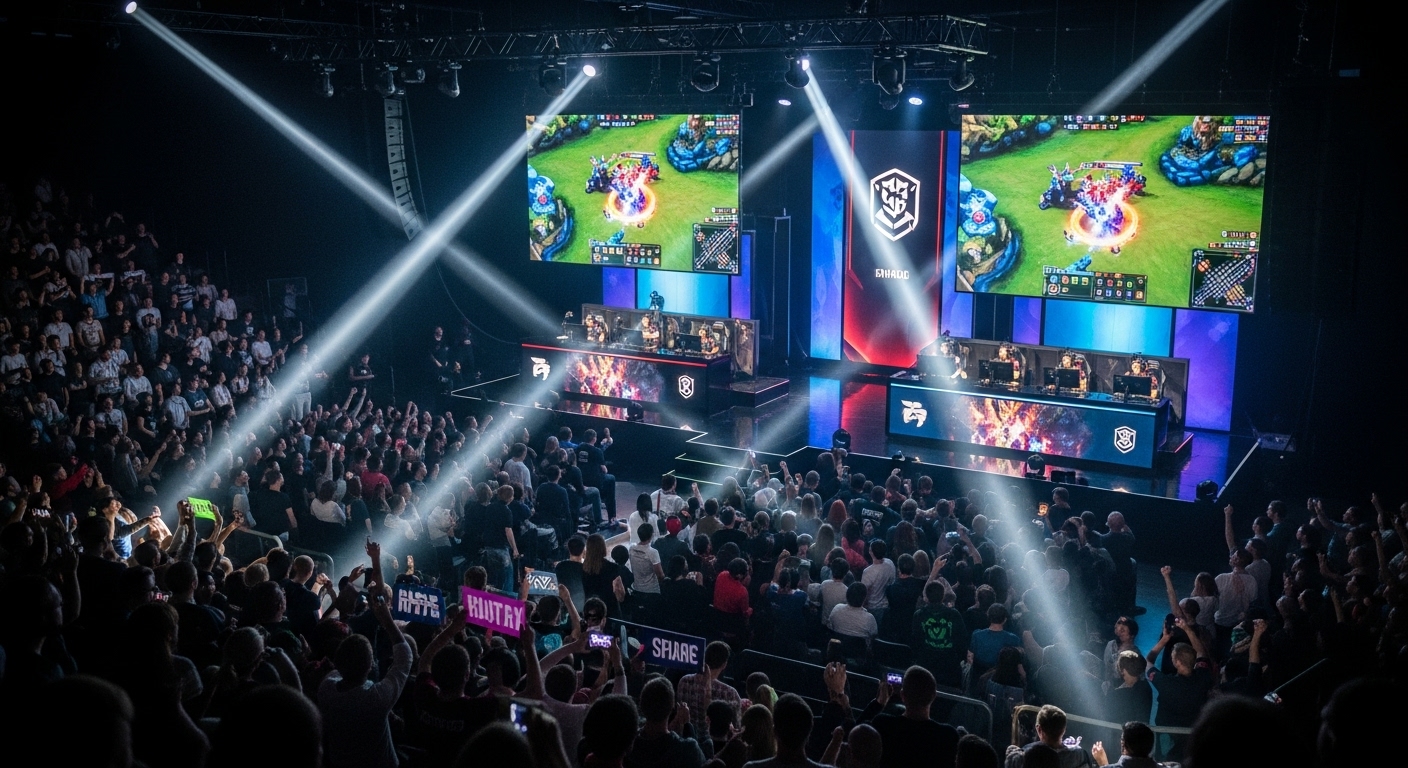
Community and Engagement: Online streaming platforms and social media enable fans to follow players, interact with communities, and engage with live events. The sense of belonging and shared excitement draws viewers in and keeps them invested.
Professionalism and High Stakes: Esports tournaments often feature massive prize pools, reaching millions of dollars. This level of competition adds legitimacy to the industry, turning gaming into a serious professional pursuit.
Major Esports Games and Their Genres
Esports is not a single, uniform activity. It includes various genres, each with its own competitive scene, strategies, and fanbase.
First-Person Shooters (FPS): Games such as “Counter-Strike: Global Offensive” and “Call of Duty” require precision, quick reflexes, and strategic teamwork. FPS tournaments attract millions of viewers due to their fast-paced, high-intensity gameplay.
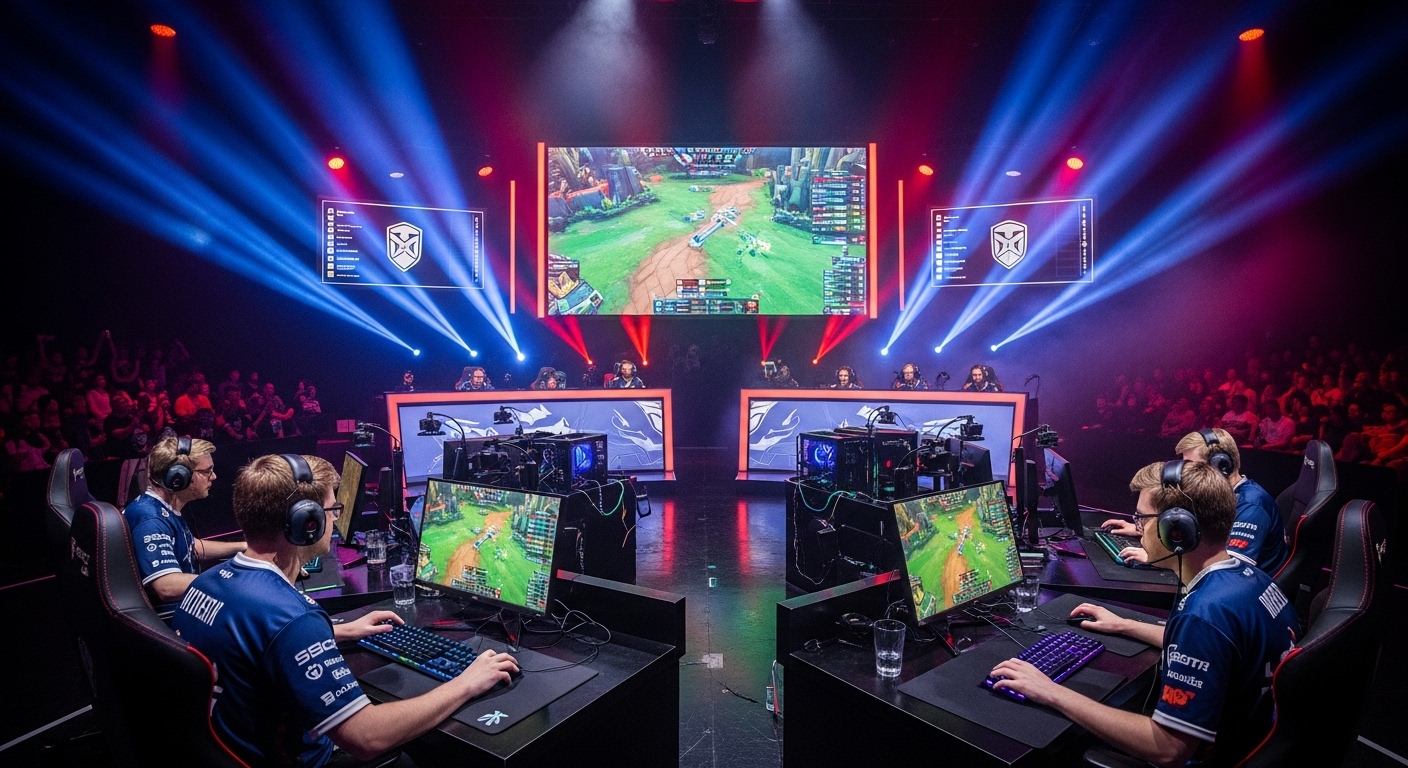
Multiplayer Online Battle Arenas (MOBA): Titles like “League of Legends” and “Dota 2” focus on strategy, coordination, and long-term planning. International MOBA tournaments have some of the largest prize pools in esports history and draw audiences in the tens of millions.
Fighting Games: “Street Fighter” and “Tekken” highlight one-on-one combat, testing skill, timing, and mental toughness. The fighting game community thrives on both local and global competitions.
Sports Simulations: Games like “FIFA” and “NBA 2K” allow fans of traditional sports to engage in virtual competitions, blending digital skill with real-world sports knowledge.
Battle Royale Games: “Fortnite” and “PUBG” have popularized survival-based gameplay, where strategy, adaptability, and creativity determine success. These games attract a younger demographic and often feature high-profile tournaments.
Esports as a Professional Career
The rise of esports has created viable career paths for talented gamers worldwide. Professional players often train rigorously, practicing for eight to twelve hours daily to maintain peak performance.
Professional Teams and Organizations: Esports teams function similarly to traditional sports franchises. They recruit players, provide coaching, and compete in regional and international leagues. Successful teams build brand recognition, fan followings, and significant commercial value.
Sponsorships and Brand Partnerships: Top players and teams secure lucrative sponsorship deals with technology brands, gaming peripherals companies, and lifestyle products. These partnerships generate income while promoting the professional image of esports.
Beyond Playing: Esports careers extend beyond competing. Analysts, commentators, coaches, event organizers, and content creators all contribute to the growth and professionalism of the industry.
The Role of Streaming Platforms
Streaming platforms like Twitch, YouTube Gaming, and Facebook Gaming have been instrumental in the global expansion of esports.
Real-Time Fan Interaction: Live streams allow viewers to engage directly with players through chat, donations, and reactions. This interaction strengthens the connection between players and fans.
Content Creation: Beyond live matches, players and organizations create highlight reels, tutorials, and entertainment content, expanding their reach and influence.
Monetization: Streamers earn revenue through subscriptions, ads, and sponsorships, making esports a sustainable career for many individuals.
Mental and Physical Demands of Esports
While esports may not involve traditional physical exertion, it requires immense mental focus, strategic thinking, and hand-eye coordination.
Cognitive Skills: Players must make split-second decisions, anticipate opponents’ moves, and coordinate with teammates in high-pressure situations.
Physical Health Considerations: Extended gaming sessions can lead to eye strain, posture-related issues, and repetitive stress injuries. Many professional players incorporate exercise and ergonomic practices to maintain physical health.
Team Dynamics: Success in team-based games relies on communication, collaboration, and leadership. Players must function as a cohesive unit to achieve victory.
The Business of Esports
Esports has developed into a multi-billion-dollar global industry.
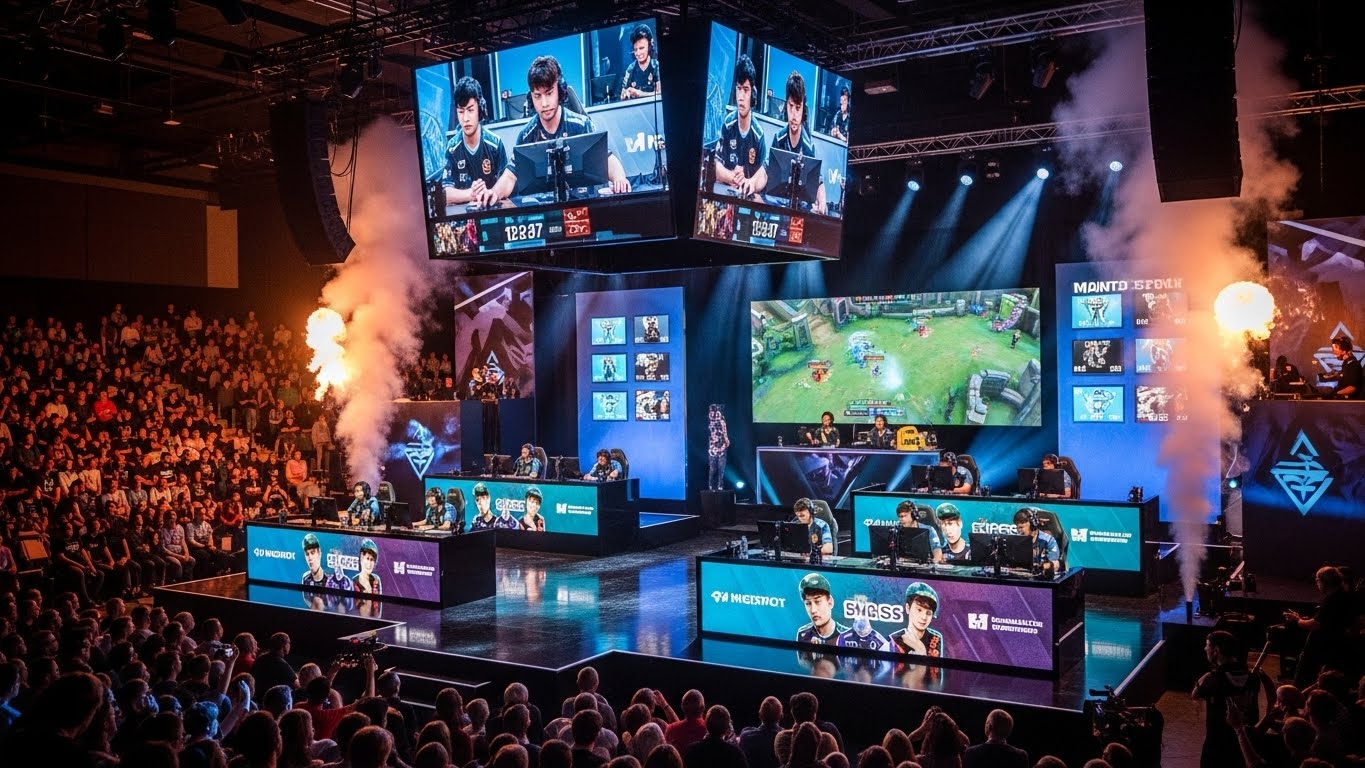
Tournament Prize Pools: Major tournaments now feature prizes in the millions, attracting elite players and generating substantial media attention.
Sponsorships and Advertising: Brands invest heavily in esports to reach young, tech-savvy audiences, sponsoring players, teams, and tournaments.
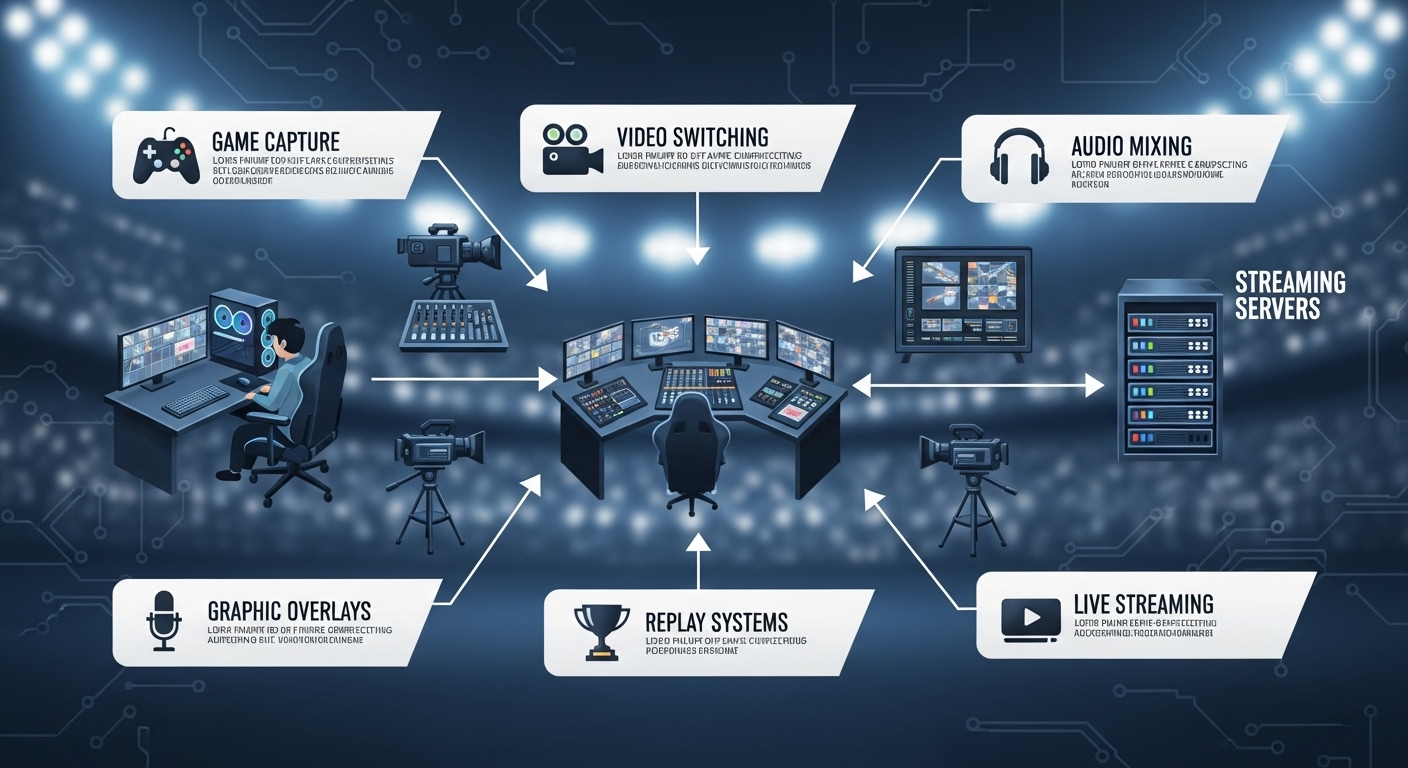
Broadcasting and Media Rights: Streaming services and networks compete to broadcast major events, making esports a mainstream entertainment spectacle.
Merchandise and In-Game Purchases: Teams and game developers earn revenue through branded merchandise and digital content, creating multiple streams of income.
Community and Global Influence
One of esports’ most remarkable achievements is its ability to foster global communities.
Cultural Exchange: Players and fans from different countries connect through shared gaming experiences, promoting cultural understanding.
Youth Engagement: Esports provides young people with opportunities to develop skills, socialize, and participate in organized competitions within a digital environment.
Inclusivity: Unlike many traditional sports, esports is accessible to individuals with varying physical abilities, making it a more inclusive form of competition.
Challenges Facing Esports
Despite rapid growth, esports faces several challenges that must be addressed for sustainable development.
Health Risks: Long hours of gameplay can lead to mental and physical health issues, making wellness programs essential.
Standardization and Regulation: Esports lacks consistent global governance, resulting in variations in tournament rules and player protections.
Public Perception: While gaining legitimacy, some still underestimate esports, viewing it as casual gaming rather than serious competition.
Sustainability: As the industry grows, maintaining ethical practices, fair competition, and long-term viability remains a key concern.
The Future of Esports
The future of esports is promising, with innovations and opportunities that continue to expand its influence.
Technological Advancements: Virtual reality, augmented reality, and artificial intelligence will revolutionize training, gameplay, and audience experience.
Global Expansion: New regions are adopting esports, creating leagues, tournaments, and fan communities worldwide.
Integration with Traditional Sports: Major sports organizations are investing in esports, blending digital and physical competitive platforms.
Education and Scholarships: Universities now offer esports scholarships and degree programs, recognizing the industry as a viable career path.
Conclusion: Esports as a Cultural Phenomenon
Esports is more than gaming; it is a cultural, professional, and social movement that has reshaped competition for the digital era. It combines skill, strategy, mental agility, and community engagement in ways that rival traditional sports. From small local competitions to massive international championships, esports has created opportunities for millions, bridging cultures, generations, and platforms.
The rise of esports demonstrates how technology, creativity, and ambition intersect to redefine what it means to compete. Digital arenas now host rivalries, stories of perseverance, and moments of brilliance that captivate audiences around the world. Esports is not merely a pastime—it is a testament to human innovation, skill, and the universal desire to achieve greatness in a new and ever-evolving digital landscape.