




Introduction
Esports has taken the world by storm, transforming from a simple hobby into a global sport that attracts millions of fans. Once seen as just a pastime for young gamers, competitive gaming has evolved into a professional industry filled with talent, sponsorships, and worldwide recognition. Today, esports stands as one of the most exciting and rapidly growing fields in the entertainment and technology world.
Understanding Esports
Esports, short for electronic sports, refers to competitive video gaming where individuals or teams face off in organized tournaments. These games range from first-person shooters to strategy-based competitions. Popular titles like League of Legends, Counter-Strike, and Fortnite have shaped the esports landscape, drawing huge audiences from every corner of the globe. The structure of esports mirrors that of traditional sports, with professional teams, coaches, training routines, and championship events.
The Rise of the Esports Industry
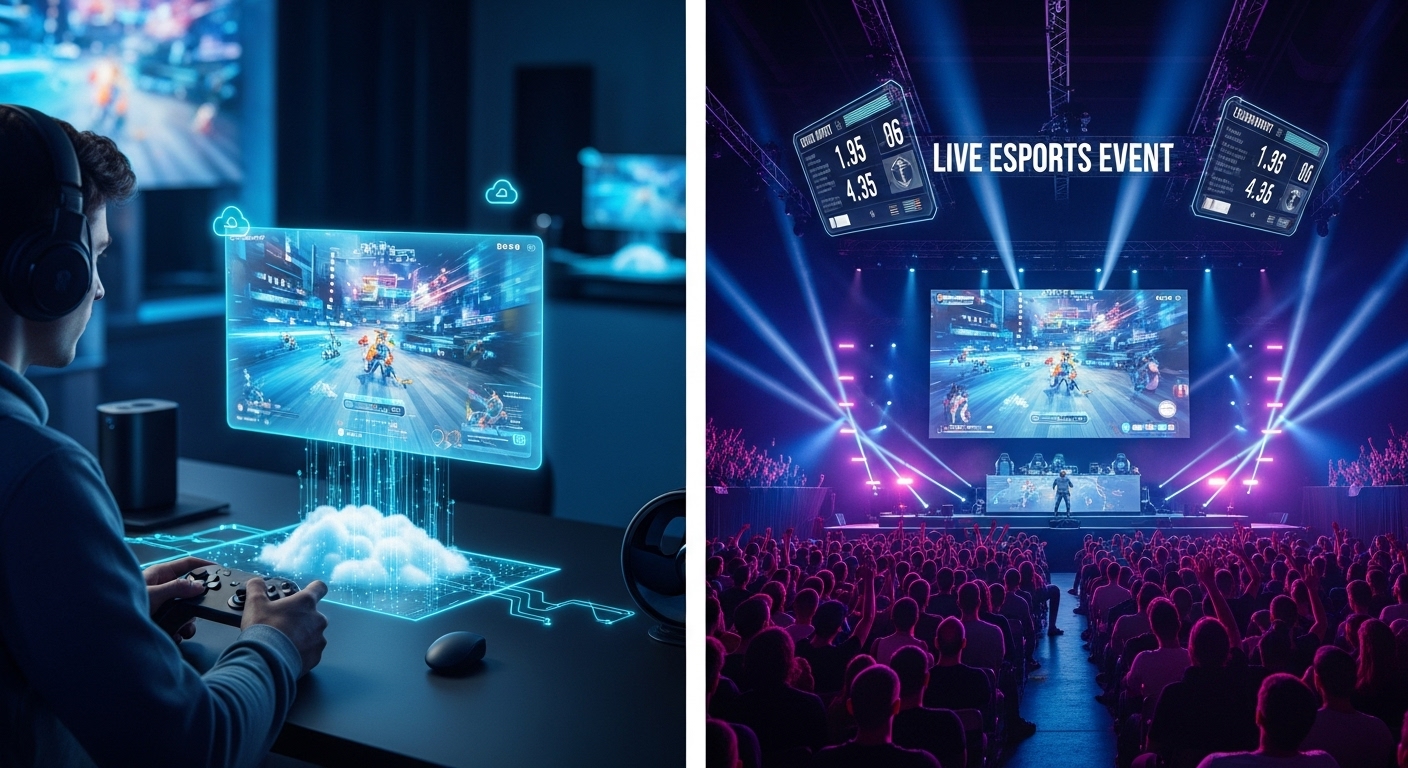
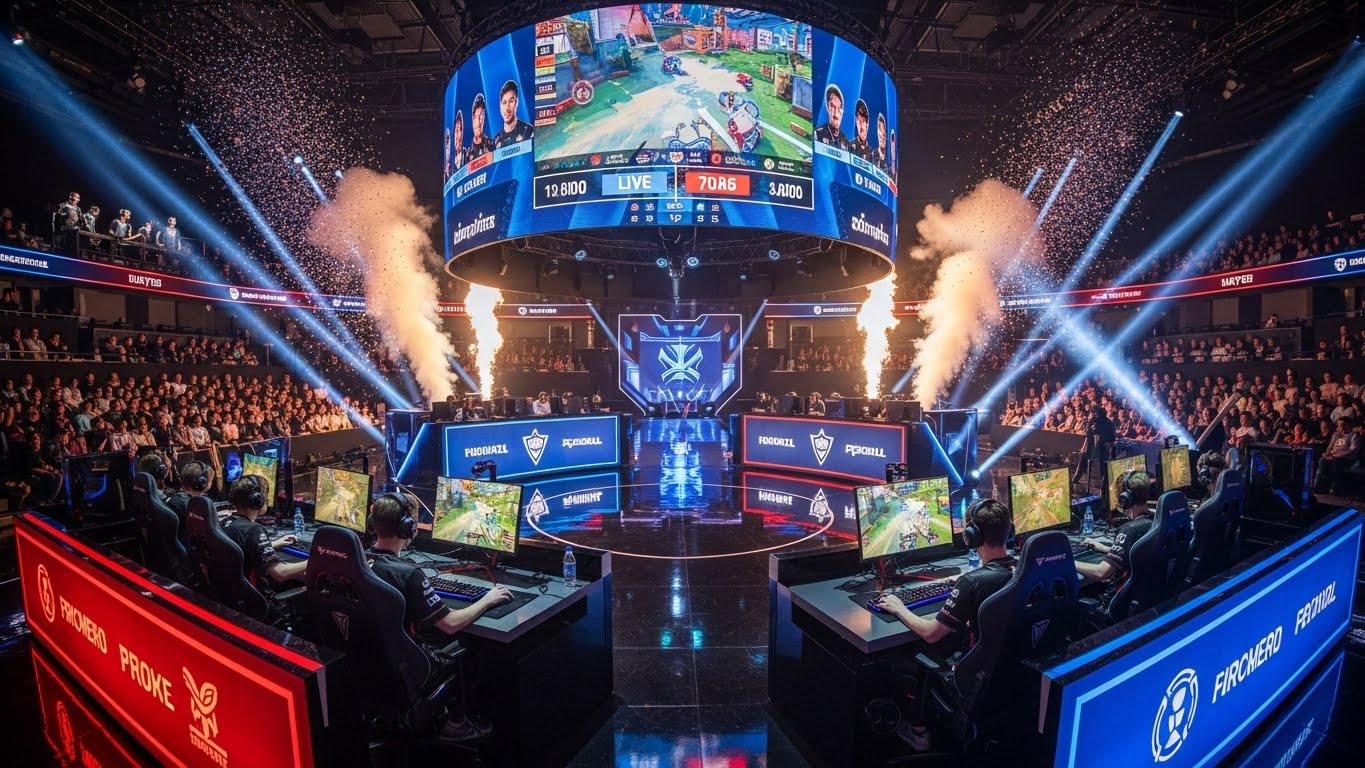
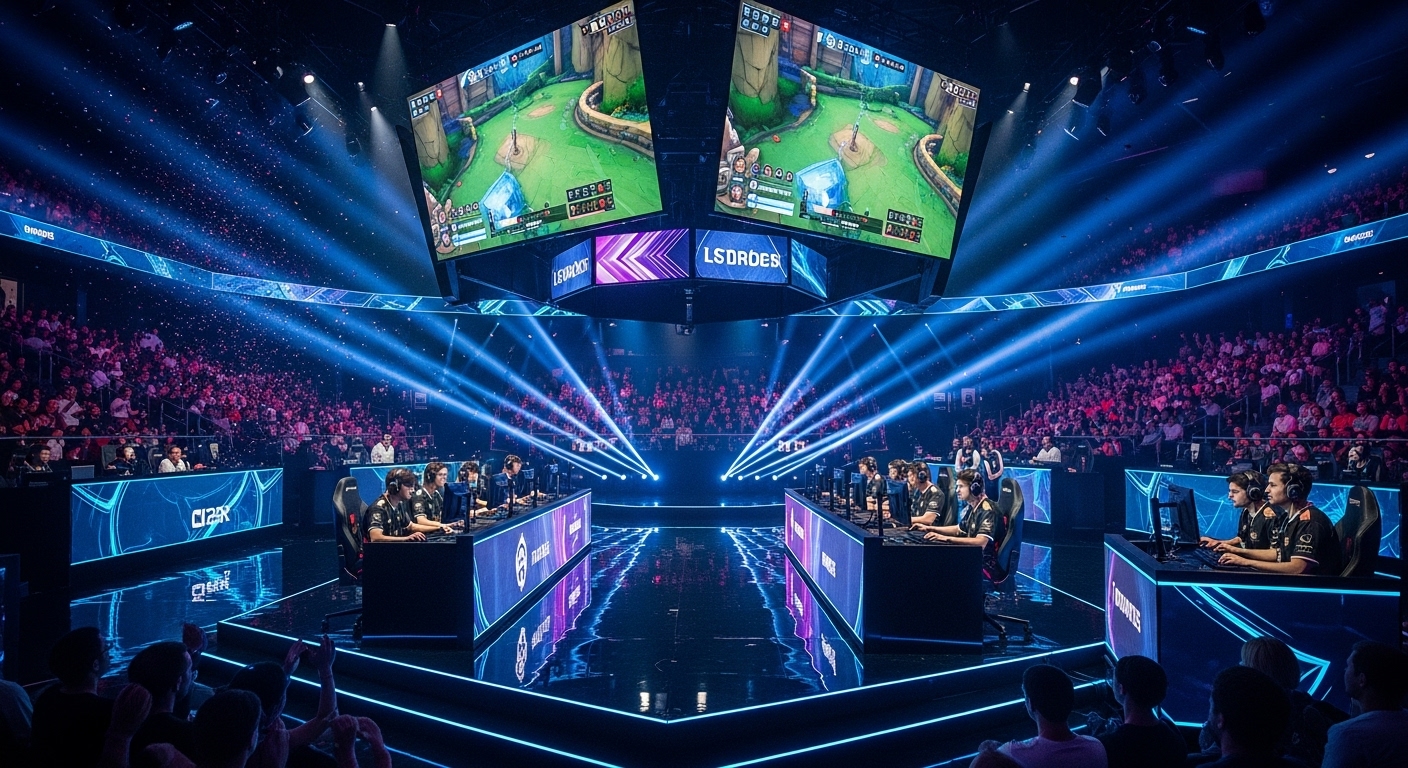
Over the past decade, esports has grown into a billion-dollar industry. With advancements in internet technology and streaming platforms, fans can now watch live tournaments from anywhere in the world. Major arenas fill with cheering crowds, and online viewers number in the millions. Sponsorship deals, advertisements, and brand endorsements have made esports a serious business. Leading companies are investing heavily, realizing the power and influence of the gaming community.
The Power of the Esports Community
What truly drives the success of esports is its passionate and loyal community. Fans are not just spectators—they are part of a massive digital family that celebrates gaming culture. Social media, online platforms, and live chats have created spaces where fans and players can connect directly. This sense of belonging makes esports unique, creating bonds that go beyond national and cultural boundaries.
The Life of a Professional Gamer
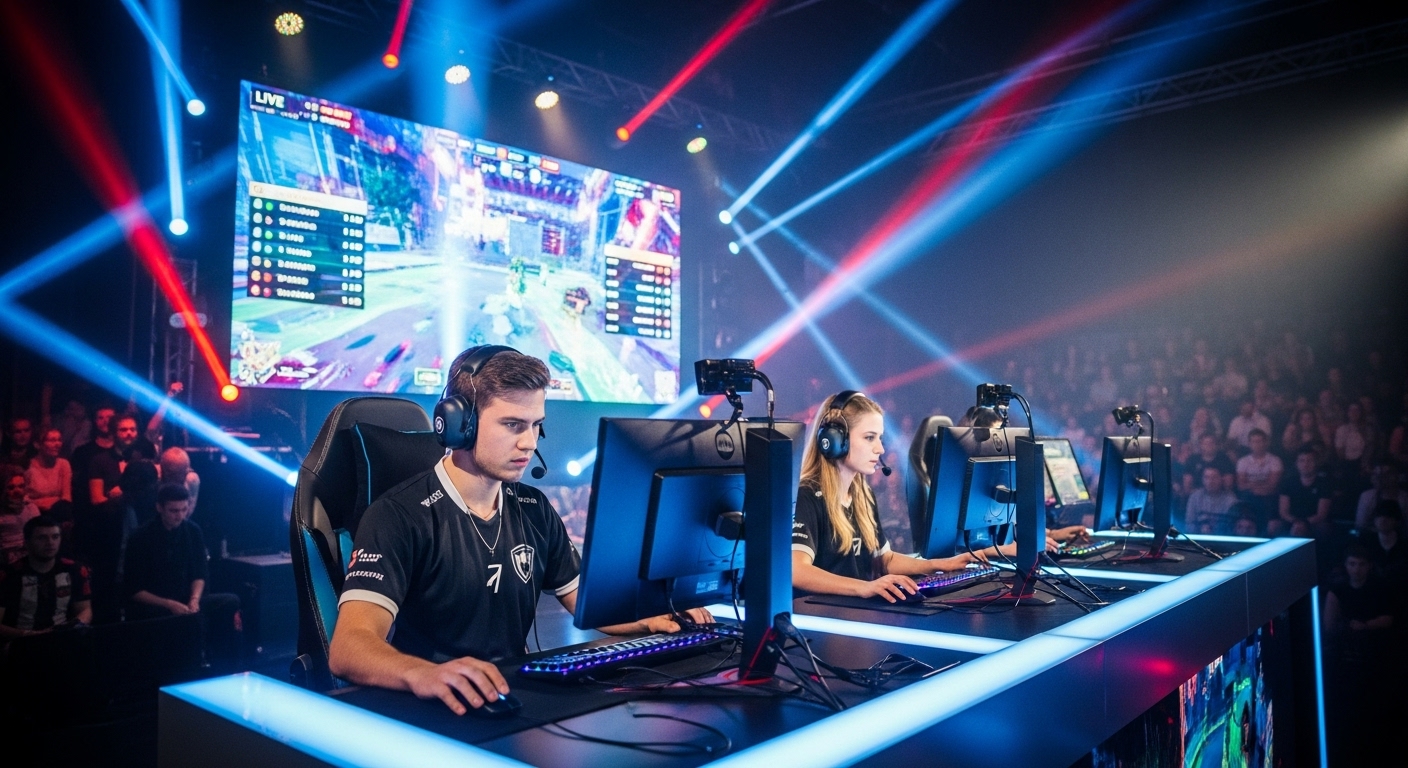
Becoming a professional esports player requires dedication, discipline, and teamwork. Players train for several hours each day, analyzing strategies, improving reflexes, and studying their opponents. Like traditional athletes, they focus on physical and mental well-being to perform at their best. However, the esports lifestyle also comes with challenges such as stress, competition pressure, and short career spans. To address these issues, many teams now prioritize mental health and provide support systems for their players.
Esports and Education
Esports is also finding its place in education. Many schools and universities now offer esports programs and scholarships, recognizing it as both a sport and a career path. Students are learning about game development, marketing, event management, and broadcasting—skills that extend beyond gaming itself. This integration of esports into academics highlights its growing acceptance as a legitimate and respected field.
The Future of Esports
The future of esports looks incredibly promising. With continuous technological innovation, including virtual reality and artificial intelligence, gaming experiences are becoming more immersive. Global tournaments are expanding, and governments are beginning to recognize esports as an official sport. In the near future, we may even see esports featured in international sporting events on par with traditional competitions.
Conclusion
Esports has changed the way the world views gaming. What started as a form of entertainment has turned into a global sporting revolution that combines skill, creativity, and technology. It has created new opportunities for players, businesses, and fans alike. As esports continues to grow, it stands as a symbol of how digital innovation can bring people together through competition, passion, and community.