






Introduction: The Rapid Rise of eSports
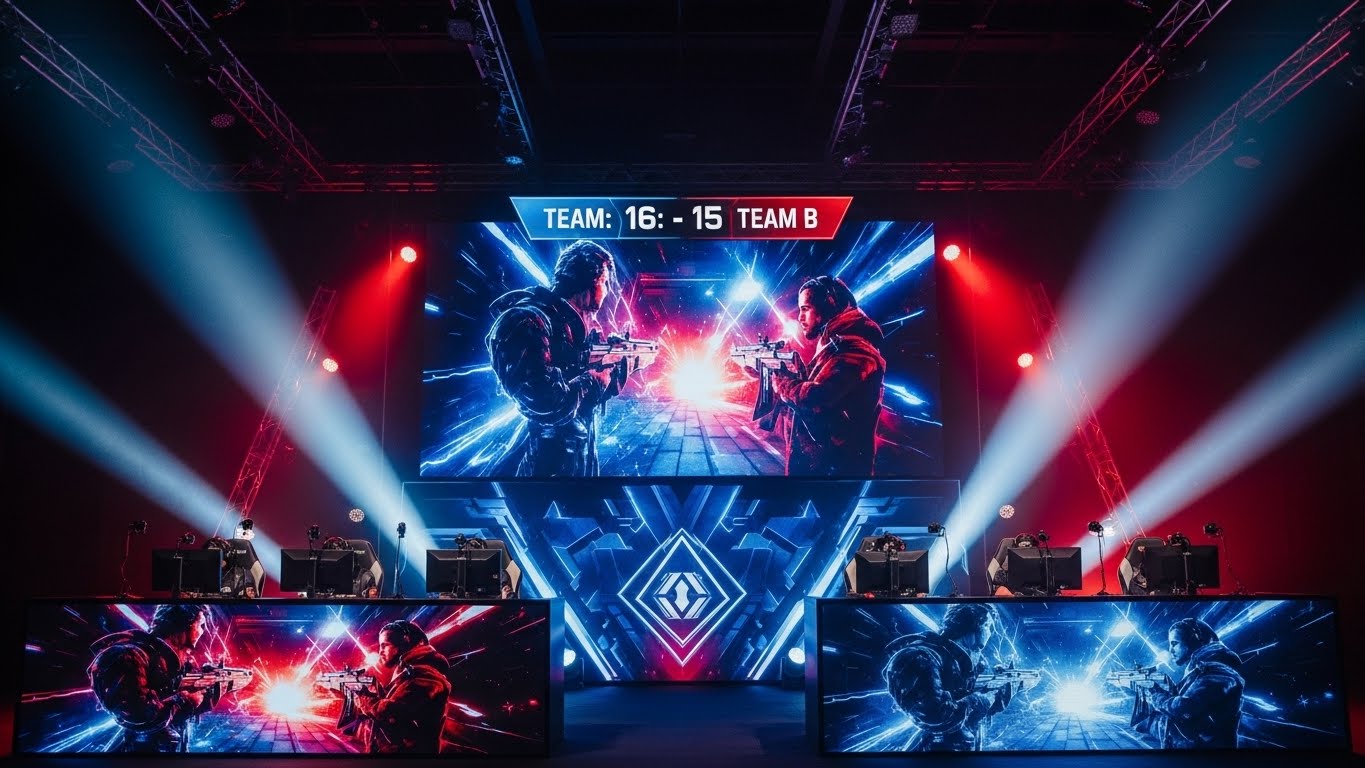
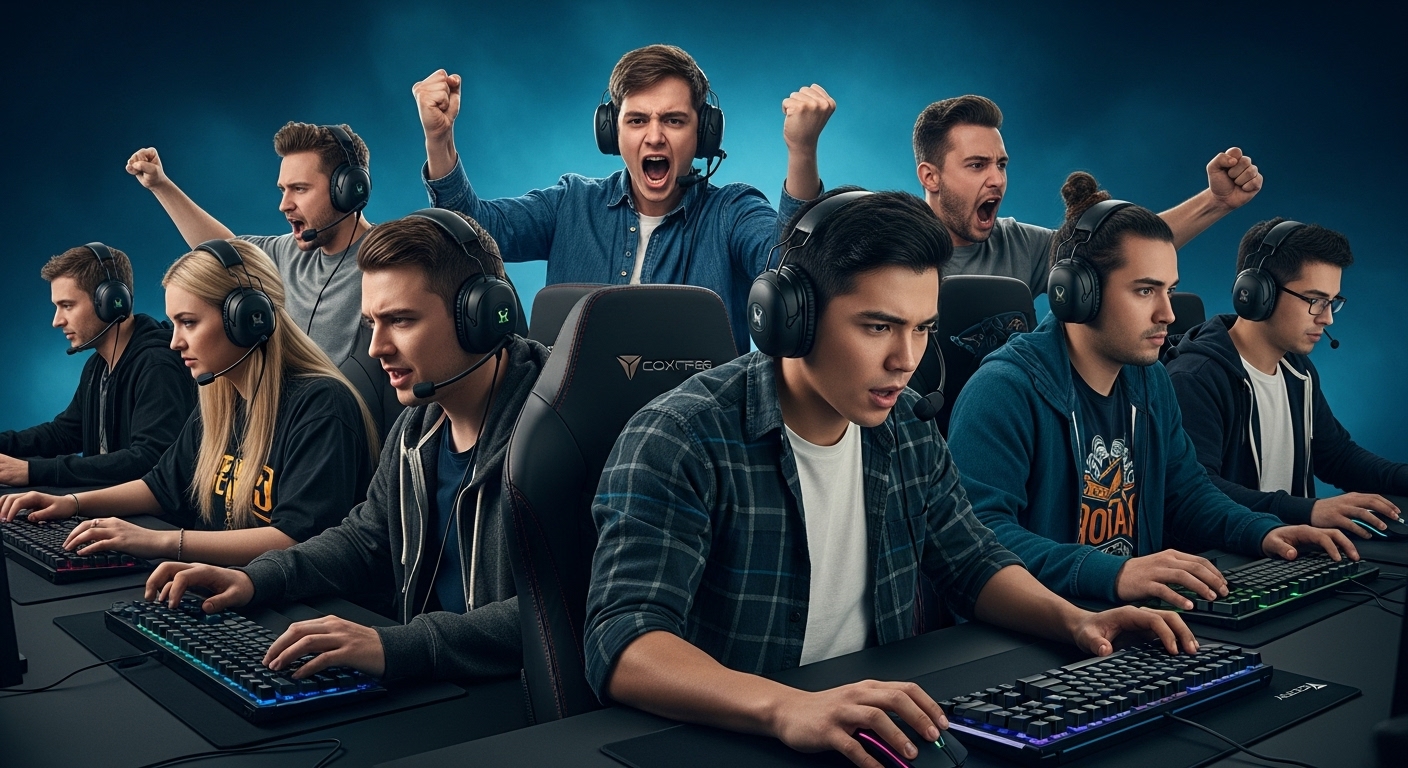
In the span of just two decades, eSports has gone from a niche hobby to a billion-dollar global industry, attracting millions of players, viewers, and sponsors. What started as small, local LAN tournaments has blossomed into an enormous sector, with massive international competitions broadcast to audiences across the world. Today, competitive gaming is more than just entertainment; it’s a legitimate career path, a growing market, and a cultural movement that connects millions of people from different walks of life.
This blog post explores the evolution of eSports, its current status, and what the future holds for this exciting industry.
The Birth of eSports: From Hobby to Industry
The origins of eSports can be traced back to the early days of competitive gaming in the 1990s. Games like Quake, StarCraft, and Warcraft started to capture the imagination of players who were eager to test their skills against others. These early competitions were often local, grassroots events held in small gaming cafes or private LAN parties. They were far from the glitz and glamour we associate with eSports today, but they laid the foundation for what was to come.
The real breakthrough for eSports came in the early 2000s with the advent of high-speed internet and streaming platforms like Twitch. These platforms allowed gamers to broadcast their gameplay to a global audience, creating a new way for people to engage with their favorite games. This move from offline competitions to online streaming gave eSports its first taste of mainstream visibility.
As the years went on, games like League of Legends, Dota 2, and Counter-Strike began to dominate the competitive gaming scene. These games had large, dedicated communities, and their developers quickly recognized the potential of hosting large-scale, professional tournaments. It wasn’t long before these tournaments offered substantial prize pools, leading to the creation of eSports teams and organizations, and marking the transition from hobbyist competition to professional sports.
eSports: A Global Phenomenon
One of the factors contributing to the growth of eSports is its international appeal. Unlike traditional sports that often have regional boundaries, eSports can unite players and fans across the globe. Online play means that anyone with a computer and internet connection can compete in global tournaments, no matter where they are located. This has allowed games like League of Legends, Fortnite, and Valorant to develop a truly international following.
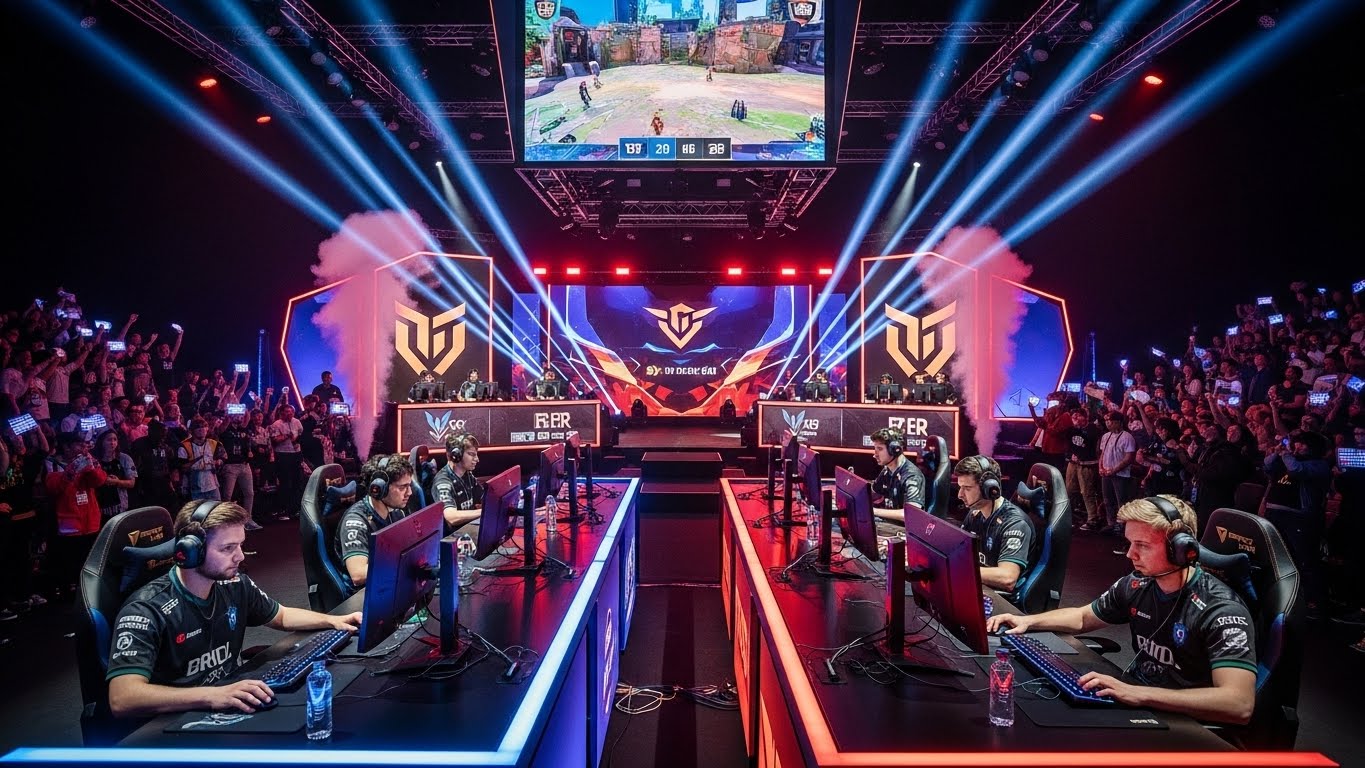
eSports events now attract millions of viewers from every corner of the world. Major tournaments like The International (Dota 2), League of Legends World Championship, and Overwatch League have set new records for live-streaming viewership, often surpassing the viewership of traditional sports events. With fans tuning in from countries as diverse as South Korea, North America, Europe, China, and Brazil, eSports has truly become a global phenomenon.
This global reach has created a massive community of fans who follow their favorite players, teams, and games. The ability to watch a live tournament from anywhere in the world, interact with players and commentators, and cheer for teams in real-time has created an engaging and inclusive atmosphere that resonates with millions.
The Business of eSports: Sponsorships, Revenue Streams, and Investments
As eSports grew in popularity, it quickly caught the attention of the business world. Today, eSports is not just a form of entertainment; it’s a thriving industry with significant revenue streams. From sponsorship deals to media rights and merchandise sales, eSports has become a highly lucrative sector for businesses, players, and organizers alike.
Sponsorships play a crucial role in the financial landscape of eSports. Major global brands like Intel, Red Bull, Coca-Cola, and Nike have entered into partnerships with top teams and tournaments, providing substantial financial support. These sponsorships help fund tournaments, provide players with state-of-the-art equipment, and build a broader eSports ecosystem.
Additionally, media rights have become an essential revenue stream. Companies pay to broadcast major tournaments on platforms like YouTube, Twitch, and even traditional television networks. This allows eSports events to reach a larger audience and generate revenue from advertising and viewership. Tournament organizers and eSports leagues are also increasingly relying on ticket sales and event merchandise to supplement their income.
With a growing global audience, eSports has attracted substantial investments. Companies, private equity firms, and even traditional sports organizations have poured millions of dollars into eSports teams, leagues, and media properties. This influx of capital has further professionalized the industry and helped build the infrastructure needed to support eSports as a legitimate career path.
The Role of Technology in Shaping eSports
At the heart of eSports is technology. The industry thrives on cutting-edge gaming hardware, fast internet connections, and innovative streaming platforms. As technology continues to advance, eSports will only become more accessible, immersive, and engaging.
High-performance gaming PCs, ultra-fast internet, and low-latency connections are the building blocks of competitive gaming. Professional players use high-end computers and peripherals to ensure that their gameplay is as smooth and precise as possible. This technology is also what allows tournaments to be broadcast with little to no delay, ensuring that fans experience the action in real-time.
Streaming platforms like Twitch and YouTube Gaming are also crucial to the success of eSports. These platforms allow fans to watch live streams of their favorite tournaments, interact with commentators and players, and enjoy high-quality broadcasts of competitive gaming. Streaming technology has democratized eSports by providing a platform for virtually anyone to broadcast their gameplay, which has helped create a massive community of content creators, influencers, and fans.
Looking forward, advancements in Virtual Reality (VR) and Augmented Reality (AR) could offer a new level of immersion for both players and viewers. VR has the potential to allow fans to experience eSports tournaments as though they are sitting in the arena, while AR could be used to enhance the viewing experience by overlaying real-time stats, player data, and in-game information onto the live broadcast.
eSports Careers: Beyond Just Playing
While professional players are often the most visible figures in eSports, the industry offers numerous career opportunities beyond just gameplay. As eSports continues to grow, new roles are being created in a variety of fields, including management, coaching, broadcasting, and content creation.
Coaches and analysts play a critical role in the success of eSports teams. These professionals study player performance, devise strategies, and help players improve their skills. In many ways, they are just as important as the players themselves in achieving victory in competitive events.
Event organizers and tournament directors are also in high demand. These individuals coordinate the logistics of major competitions, ensuring that everything runs smoothly, from scheduling matches to managing live broadcasts. With the rise of large-scale eSports events, event management has become a key part of the industry’s infrastructure.
eSports also offers a wealth of opportunities for content creators, broadcasters, and commentators. Commentators bring games to life for viewers, adding color and excitement to the action. Meanwhile, content creators produce videos, tutorials, and highlight reels that help fans connect with players and teams on a deeper level.
The growth of eSports has led to the creation of university programs that specialize in gaming management, broadcasting, and even professional gaming. With eSports becoming a legitimate career path, the opportunities for individuals to build long-term careers in the industry are endless.
The Future of eSports: What’s Next?
As the eSports industry continues to grow, several key trends are shaping the future of competitive gaming.
First, the rise of mobile gaming is expected to play a significant role in the expansion of eSports. With smartphones becoming more powerful, mobile games like PUBG Mobile and Clash Royale are already establishing themselves in competitive gaming circles. As mobile gaming continues to advance, it could attract an entirely new audience to eSports and expand its reach even further.
Second, we may see eSports become more integrated with traditional sports. Some major sports leagues are already investing in eSports, either by creating their own competitions or by sponsoring existing ones. There is even the potential for eSports to be included in the Olympic Games, bringing competitive gaming to an entirely new level of global recognition.
Finally, advancements in technology will continue to enhance the eSports experience. As VR, AR, and AI technologies improve, we can expect to see more immersive and interactive experiences for both players and viewers. The boundaries of what’s possible in eSports are continually expanding, and the next generation of technology will undoubtedly take the industry to new heights.
Conclusion: eSports is the Future of Competitive Entertainment
eSports has come a long way from its humble beginnings. Today, it is a thriving global industry with millions of players, fans, and investors. As technology continues to evolve, eSports will only become more accessible, immersive, and mainstream. With its global appeal, lucrative business opportunities, and diverse career paths, eSports is poised to remain a dominant force in the world of entertainment for years to come.
Whether you’re an aspiring player, a fan, or someone looking to break into the industry, now is the perfect time to get involved. The future of eSports is bright, and it’s clear that competitive gaming is here to stay.