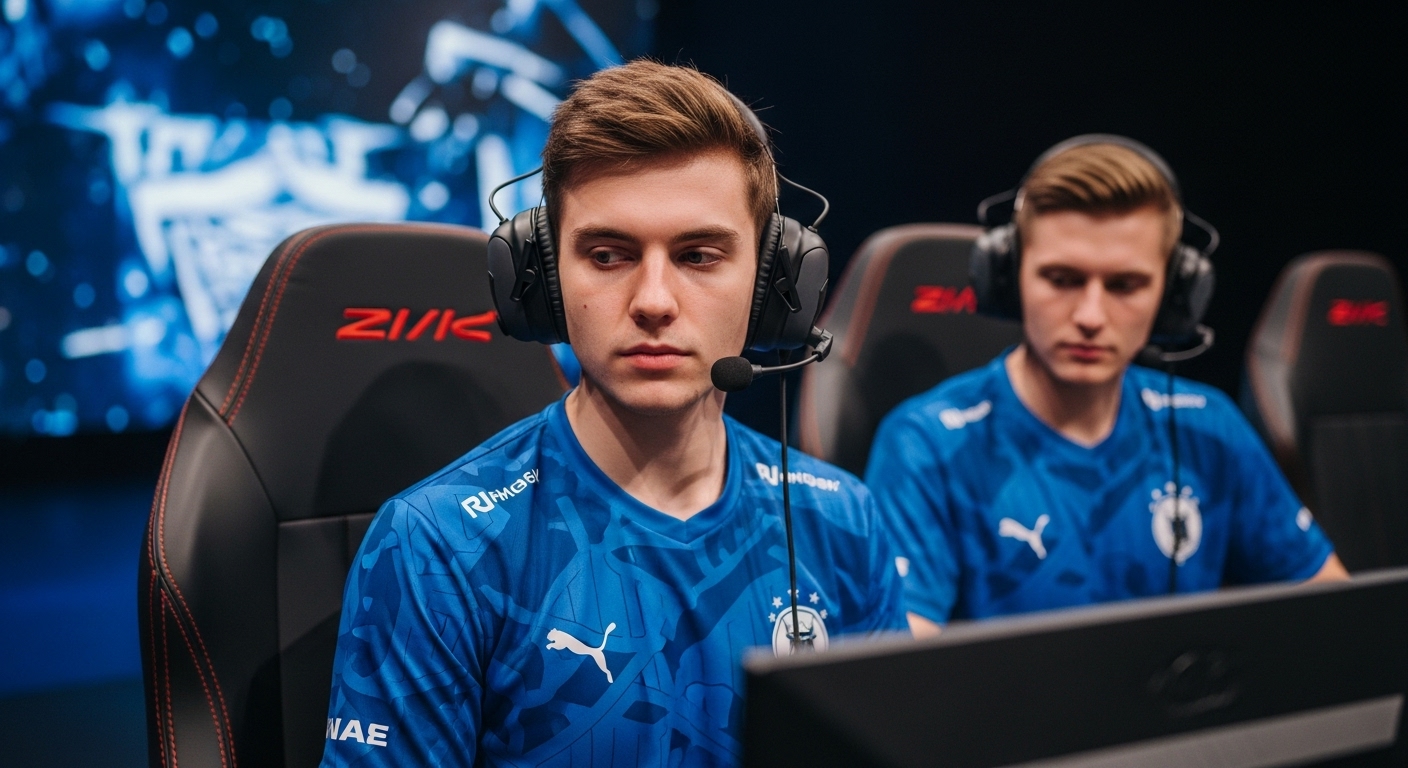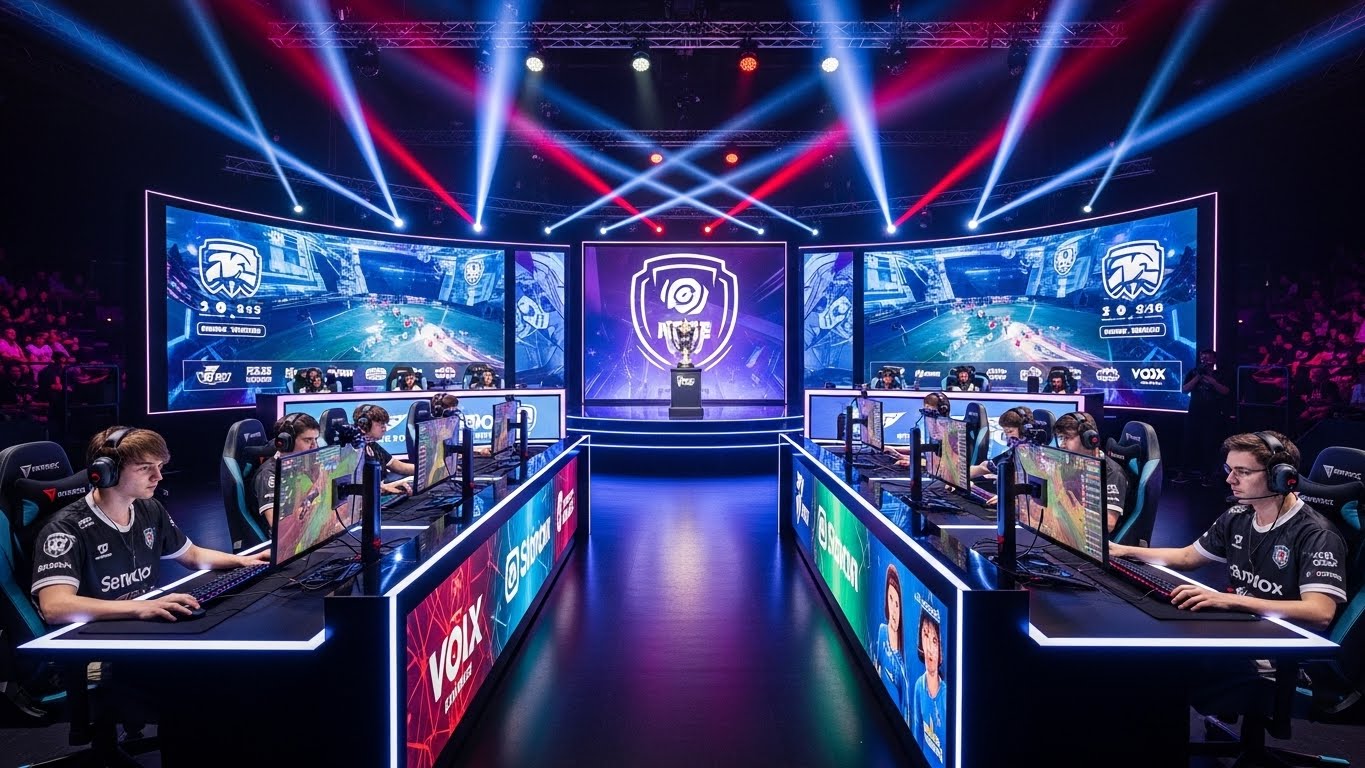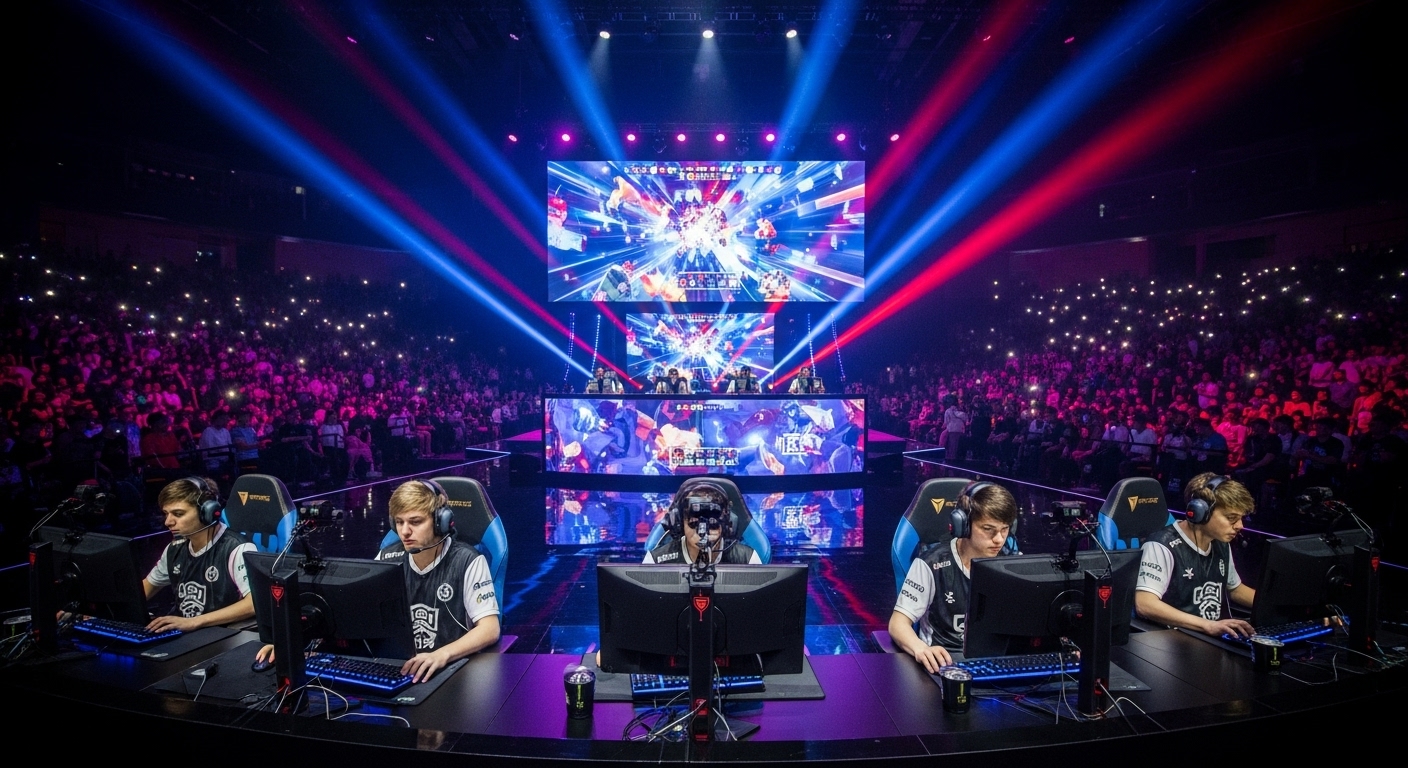






The world of competitive gaming, or eSports, has emerged as one of the most dynamic and rapidly growing industries of the 21st century. What was once a niche community of passionate gamers has now evolved into a global phenomenon, with millions of fans, massive sponsorships, and prize pools that rival traditional sports. As eSports continues to gain momentum, it’s reshaping the landscape of entertainment and competition. In this blog post, we’ll explore what eSports is, how it has grown, and what the future holds for this exciting new form of sport.
What is eSports? A New Era of Competitive Gaming
At its core, eSports refers to organized, multiplayer video game competitions where professional players and teams compete against each other for prizes, recognition, and global prestige. While traditional sports like football, basketball, and soccer are based on physical skills, eSports competitions test players’ mental agility, reflexes, strategic thinking, and teamwork.
The games that are considered part of the eSports universe range from battle royale games like Fortnite to strategy-based games like Dota 2 and StarCraft. There’s also a wide array of first-person shooters, such as Counter-Strike: Global Offensive (CS:GO), and even sports simulation games like FIFA and NBA 2K. What unites these games under the eSports banner is their competitive nature and their ability to attract large-scale tournaments, dedicated players, and global audiences.
The Global Rise of eSports: From Passion to Profession
While competitive gaming has existed since the early days of video games, it wasn’t until the mid-2000s that eSports began to take shape as a mainstream industry. In countries like South Korea, eSports has been a major cultural phenomenon for over two decades. The country established dedicated eSports leagues and television broadcasts, and it was one of the first to recognize professional gaming as a legitimate career path.
However, it wasn’t until platforms like Twitch, YouTube Gaming, and Mixer emerged that eSports began to gain global traction. Streaming services made it easier for players to broadcast their gameplay to millions of viewers, allowing fans to follow their favorite players and teams. With the rise of live-streaming, sponsorships, and media partnerships, eSports quickly expanded beyond its initial fanbase to become a massive global industry.
Today, eSports tournaments attract huge live audiences and millions of online viewers. Events like The International (Dota 2’s championship) and the League of Legends World Championship are broadcasted across multiple platforms, and they often feature prize pools in the tens of millions of dollars. eSports stars are no longer just anonymous gamers—they are international celebrities with massive social media followings and lucrative endorsement deals.
The Competitive Structure: Teams, Tournaments, and Rivalries
One of the unique aspects of eSports is its organizational structure. Unlike traditional sports, where teams are often formed through regional or national leagues, eSports teams can be made up of players from all around the world. This international aspect adds an exciting dynamic to the competition, as fans from different countries rally behind their local or favorite teams.
Tournaments are at the heart of the eSports ecosystem. These events can range from small, local competitions to massive, internationally televised events. The structure of eSports tournaments often involves a series of qualifying rounds leading up to a championship event. Teams must prove their skills through online competitions and regional leagues before earning a spot in the prestigious finals. Major tournaments such as The International (Dota 2), CS:GO Major Championships, and Overwatch League offer multi-million-dollar prize pools, attracting top-tier talent from around the globe.
Rivalries between teams and players are an integral part of the excitement in eSports. The intense competition and high stakes make for dramatic, edge-of-your-seat gameplay that fans eagerly follow. These rivalries are similar to those seen in traditional sports, with passionate fanbases fueling the intensity of the competition.
The Economy of eSports: Money, Sponsorships, and Media Power
The rise of eSports has also given birth to a thriving economy built around sponsorships, merchandise, ticket sales, and media rights. As eSports has become more mainstream, companies have realized the potential to reach younger, tech-savvy audiences who may not be as engaged with traditional sports.
Brands like Coca-Cola, Intel, Red Bull, and Mercedes-Benz have become major sponsors of eSports events, teams, and players. These companies recognize the value in associating with the high-energy, competitive atmosphere of eSports, as well as the loyal fanbase that follows these games. Sponsorships are a significant source of revenue for teams, helping them cover expenses such as player salaries, travel, and tournament fees.
Media rights also play a crucial role in the economics of eSports. Just like traditional sports leagues sell broadcasting rights to networks, eSports tournaments and leagues have begun to strike lucrative deals with platforms like Twitch, YouTube, and ESPN to air live events. This broadening of media coverage has allowed eSports to reach new audiences and gain legitimacy as a form of entertainment.
The most successful eSports players and teams also earn substantial income through prize money, streaming revenue, merchandise sales, and personal sponsorships. Some of the biggest names in eSports, like Ninja (Tyler Blevins), Faker (Lee Sang-hyeok), and S1mple (Oleksandr Kostyliev), have turned professional gaming into a highly lucrative career, with earnings that rival those of top athletes in traditional sports.
The Social Impact of eSports: Changing Entertainment and Community Building
Beyond the money and the competition, eSports has had a profound impact on the world of entertainment and community building. In many ways, eSports represents a new form of social engagement for younger generations. It combines gaming with streaming, social media, and live events, creating a vibrant digital ecosystem where fans can interact with their favorite players and other like-minded individuals.
For many players and fans, eSports provides a sense of belonging. Online platforms like Twitch allow viewers to engage with the gaming community in real-time, commenting on matches, sharing memes, and supporting their favorite teams. This level of interaction helps foster a deep sense of connection and community among fans who share a common passion for gaming.
Additionally, the rise of collegiate eSports programs has opened up new opportunities for young gamers to pursue higher education while playing competitively. Universities are establishing eSports scholarships, and college-level tournaments are becoming more common, further legitimizing eSports as a viable career path and a respected form of competition.
The Future of eSports: Innovation and Global Expansion
The future of eSports looks incredibly bright. As technology continues to evolve, so too will the ways in which fans engage with competitive gaming. Virtual reality (VR) and augmented reality (AR) are likely to play a significant role in the future of eSports, offering even more immersive and dynamic gaming experiences for both players and spectators.
As the global audience for eSports continues to grow, more and more regions around the world are investing in the infrastructure needed to support eSports events and leagues. Countries like China, South Korea, the United States, and parts of Europe are already leading the way in terms of both player development and audience engagement, but other nations are beginning to catch up. The international nature of eSports means that it will only continue to expand, with new markets opening up in Latin America, the Middle East, and Africa.
eSports may also see greater integration with traditional sports as the two worlds begin to merge. In fact, some eSports leagues and tournaments have already partnered with major sports organizations, further blurring the lines between digital and physical competition. Additionally, with increasing mainstream media coverage and global sponsorships, eSports could become a major staple in global entertainment—on par with traditional sports in terms of viewership, fan engagement, and cultural influence.
Conclusion: eSports as the Future of Entertainment
eSports is no longer just a hobby for a select few—it’s a global industry with millions of passionate fans, top-tier professional players, and enormous commercial potential. From its humble beginnings as a niche pastime to its current status as a billion-dollar enterprise, eSports has proven itself to be more than just a passing trend. It’s a new form of competition, entertainment, and community that will continue to captivate audiences for years to come.
As technology advances, the eSports landscape will undoubtedly evolve, offering even more exciting and immersive experiences for players and fans. For those who have embraced this new world of digital competition, the future has never looked brighter. Whether you’re a seasoned pro or a casual viewer, eSports is here to stay, and it’s poised to redefine the way we think about sports and entertainment.