





Introduction: The Emergence of eSports
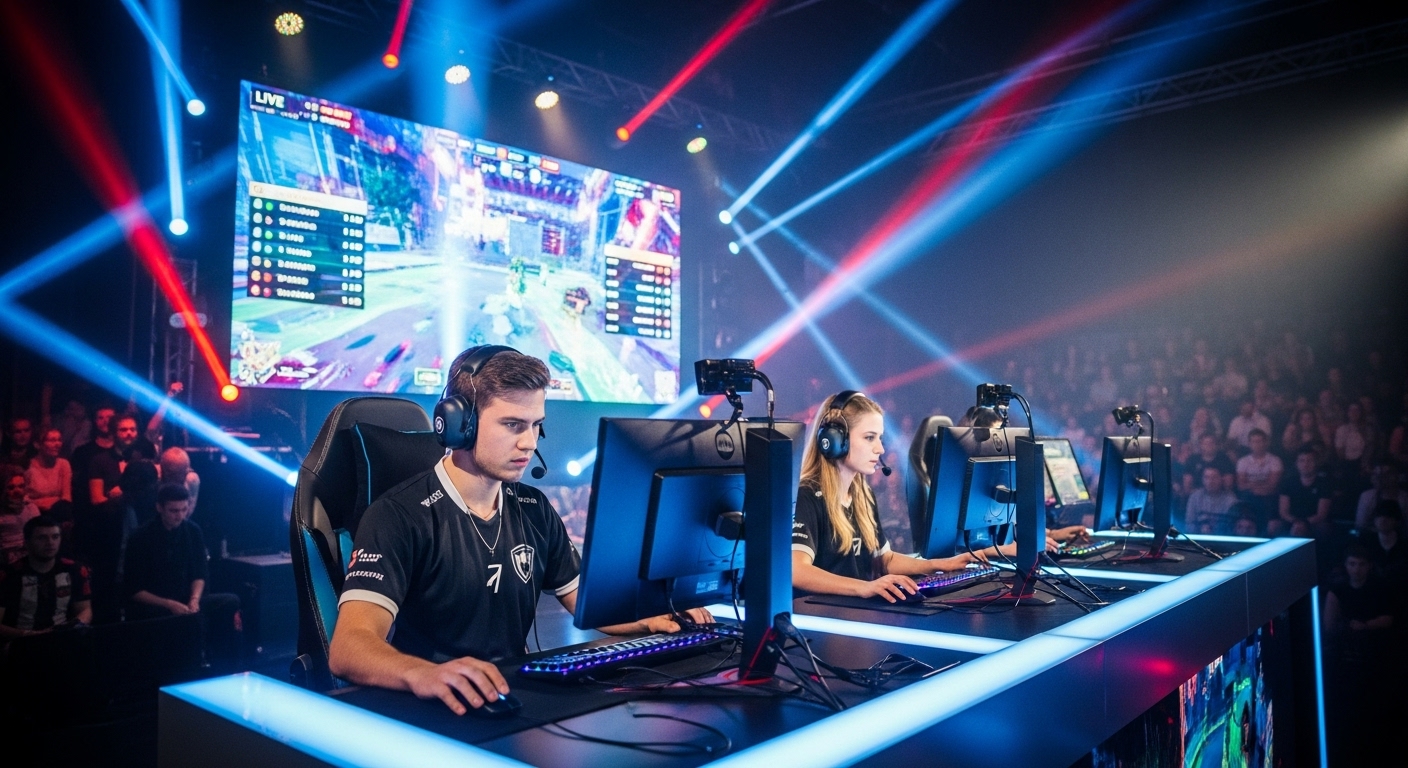
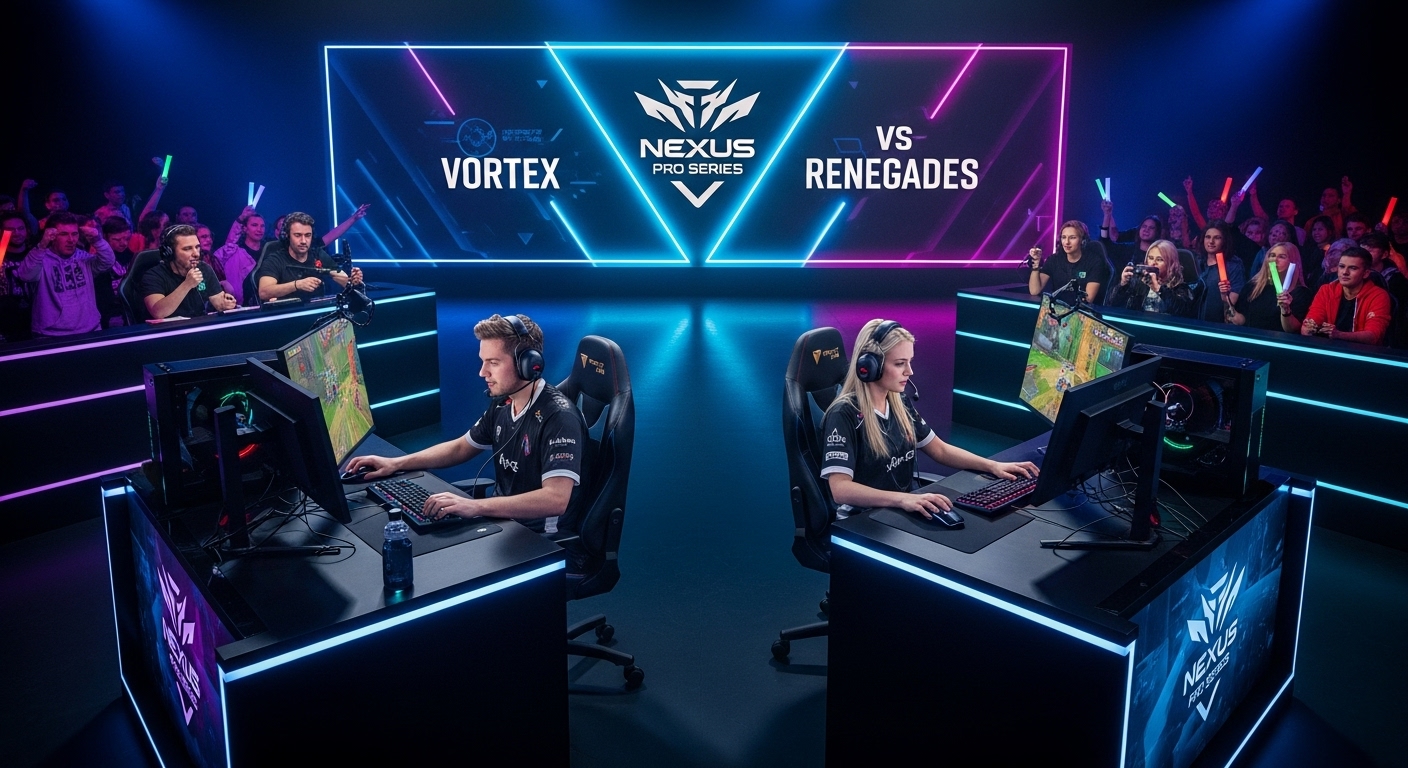
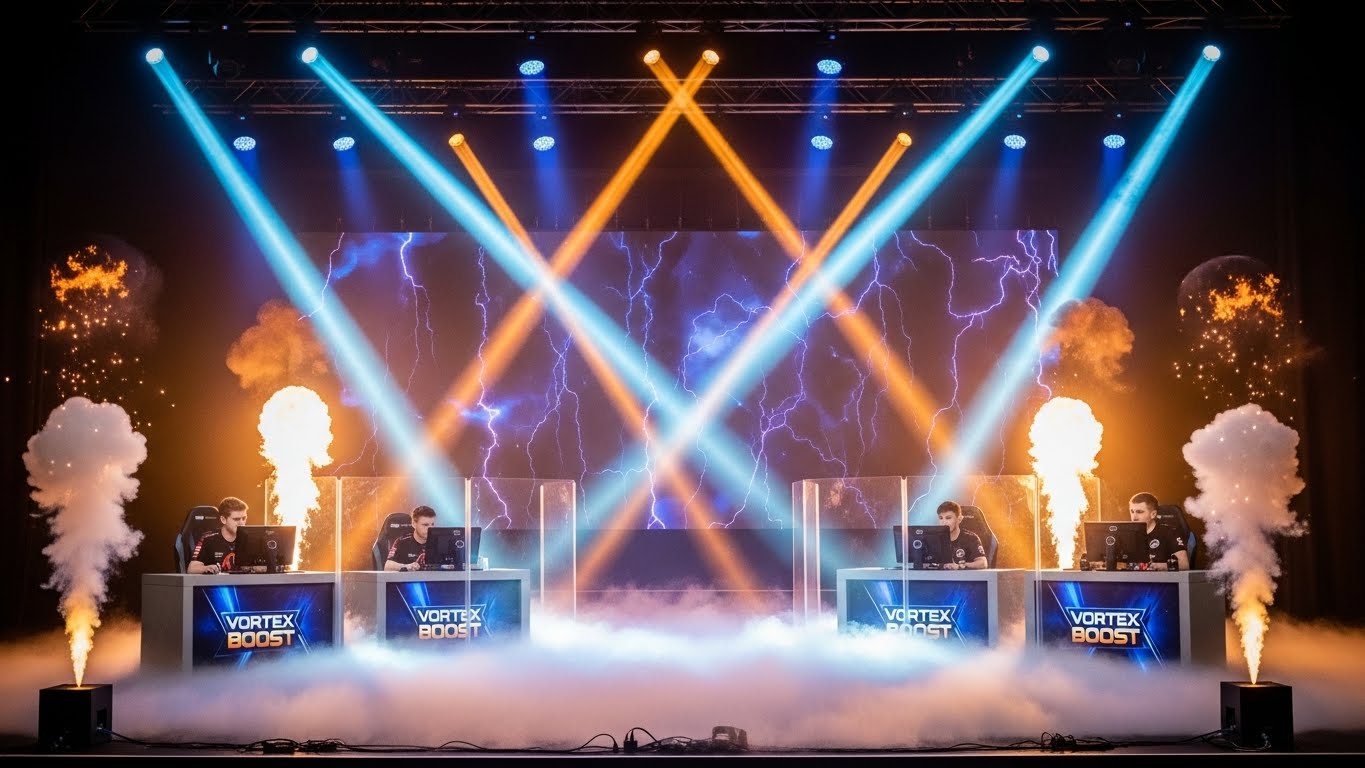
In the last two decades, eSports has transformed from a niche hobby into a global phenomenon. Competitive gaming is no longer confined to basements or local tournaments; it is a fully-fledged industry with professional players, global audiences, and multi-million-dollar prize pools. eSports combines skill, strategy, teamwork, and entertainment, creating a platform where players and fans engage on an unprecedented scale. Today, eSports is more than gaming—it is a cultural, economic, and technological revolution.
The Early Days of Competitive Gaming
The history of eSports can be traced back to the late 1970s and 1980s when arcade games like Space Invaders and Pac-Man inspired local competitions. Gamers would challenge one another for high scores, with small communities forming around shared interests. These early events, although informal, demonstrated the appeal of competition and the potential for organized gaming.
As home consoles and personal computers became more popular in the 1990s, competitive gaming expanded. Titles like Doom, Quake, and StarCraft became staples for early eSports tournaments. Players would meet in LAN (Local Area Network) competitions, and online multiplayer platforms allowed gamers to compete across regions, creating the foundation for modern eSports.
The Rise of Professional eSports
The early 2000s marked a significant shift in competitive gaming. Developers began organizing official tournaments, offering prize money, sponsorships, and professional recognition. South Korea emerged as a pioneer in professional eSports, particularly with StarCraft, where players became national celebrities. Gaming houses, training programs, and coaching became standard practices for aspiring professionals.
International tournaments began attracting attention, bringing together players from different countries. The combination of organized leagues, professional teams, and spectator engagement turned gaming into a viable career path. This period set the stage for eSports to evolve into a global industry.
Popular eSports Games and Their Communities
Modern eSports encompasses a wide variety of games, each with dedicated communities. Multiplayer Online Battle Arenas (MOBAs) like League of Legends and Dota 2 dominate professional leagues and tournaments. First-Person Shooters (FPS) such as Counter-Strike: Global Offensive, Call of Duty, and Valorant showcase precision, strategy, and teamwork. Battle Royale games like Fortnite and PUBG introduce large-scale, high-intensity gameplay that captivates millions of viewers.
Sports simulation games such as FIFA and NBA 2K bring traditional sports into the digital arena, attracting fans of real-world sports to virtual competitions. Each genre contributes to the diversity of eSports, creating a broad and inclusive global audience.
The Structure of the eSports Industry
eSports is more than players and tournaments—it is a complex ecosystem. Professional teams recruit talented players, offer coaching, and develop competitive strategies. Sponsors, including tech companies and lifestyle brands, invest heavily, recognizing the marketing potential of eSports audiences. Event organizers manage tournaments and leagues, while streaming platforms broadcast competitions to global audiences.
Content creators, such as streamers and commentators, play a crucial role in engaging fans and building communities. This ecosystem ensures that eSports thrives not only as a competitive sport but also as entertainment and cultural content.
The Role of Streaming in eSports Growth
Streaming platforms have been instrumental in eSports’ global rise. Live broadcasts allow fans to watch competitions in real-time, interact with commentators, and engage with the community. Streaming creates a sense of connection between players and fans, enhancing the spectator experience.
Beyond tournaments, streamers showcase training routines, highlight reels, and behind-the-scenes content, offering insights into professional gaming. Streaming has also democratized eSports, enabling aspiring players to gain recognition and build audiences, potentially leading to professional careers.
Economic Impact of eSports
The eSports industry has grown into a multi-billion-dollar global market. Major tournaments now feature prize pools exceeding millions of dollars, rivaling traditional sports events. Revenue streams include sponsorships, advertising, merchandise, media rights, and ticket sales. Cities and countries invest in infrastructure to host tournaments, boosting tourism and creating economic opportunities.
The industry also provides employment beyond players, including coaches, analysts, event managers, content creators, and marketing professionals. eSports has proven that competitive gaming is not just entertainment—it is a legitimate career path and an economic powerhouse.
eSports as a Career Path
Professional eSports players devote significant time and effort to training. Competitive gaming requires rapid reflexes, strategic thinking, teamwork, and a deep understanding of game mechanics. Players often begin in local or online tournaments, gradually advancing to professional leagues.
Teams provide structured support, including coaching, nutrition advice, mental health resources, and media training. While professional gaming careers can be relatively short due to physical and mental demands, many players transition into coaching, content creation, management, or commentary, extending their involvement in the industry.
Cultural Influence of eSports
eSports has become a cultural phenomenon, influencing entertainment, fashion, and media. Top players gain celebrity status, with millions of followers on social media platforms. Merchandise, fan events, and online communities create vibrant ecosystems around games and players.
Competitive gaming has also helped shift perceptions of video games. Once considered a casual pastime, gaming is now recognized as a legitimate competitive activity, requiring skill, strategy, and discipline. Schools and universities have even introduced eSports programs and scholarships, emphasizing its educational and professional potential.
The Role of Technology in eSports
Technology underpins every aspect of eSports. High-performance computers, gaming peripherals, and fast internet connections are essential for competitive play. Streaming technology enables global audiences to watch tournaments live, while analytical tools help teams develop strategies and optimize performance.
Emerging technologies, including virtual reality and augmented reality, are poised to further transform eSports. These innovations could create immersive gaming experiences and interactive spectator platforms, expanding the possibilities for the industry.
Challenges Facing eSports
Despite rapid growth, eSports faces several challenges. Player burnout and mental health concerns are significant, as professionals endure long hours of training under pressure. Cheating, online harassment, and toxicity are ongoing issues that threaten fair play and community engagement.
Regulation is also a concern. Standardizing rules, enforcing fair competition, and protecting player rights are essential for the sustainability of eSports. Maintaining audience engagement amid intense competition from other entertainment forms is another challenge that the industry must navigate.
The Future of eSports
The future of eSports is promising, with continued growth anticipated worldwide. Investment from traditional sports organizations, media companies, and technology firms will further professionalize the industry. Emerging technologies such as VR, AR, and AI will enhance gameplay, analysis, and spectator experiences.
Educational institutions are expanding eSports programs, nurturing the next generation of players, coaches, and industry specialists. Hybrid events, virtual arenas, and interactive fan experiences may become standard, blurring the line between traditional sports and competitive gaming.
Conclusion: eSports as a Modern Sport
eSports has evolved from humble beginnings into a global industry that rivals traditional sports in popularity, professionalism, and cultural impact. It combines skill, strategy, teamwork, and technology to create a unique form of competition and entertainment. With professional leagues, international tournaments, and millions of fans worldwide, eSports is no longer a hobby—it is a legitimate sport and a cultural phenomenon.
As technology and society continue to evolve, eSports will grow, innovate, and inspire. It represents a new era of competitive entertainment where talent, dedication, and creativity are celebrated on a global stage. For players, fans, and the industry, eSports is not just about gaming—it is about redefining what it means to compete, entertain, and connect in the modern world.