




Introduction
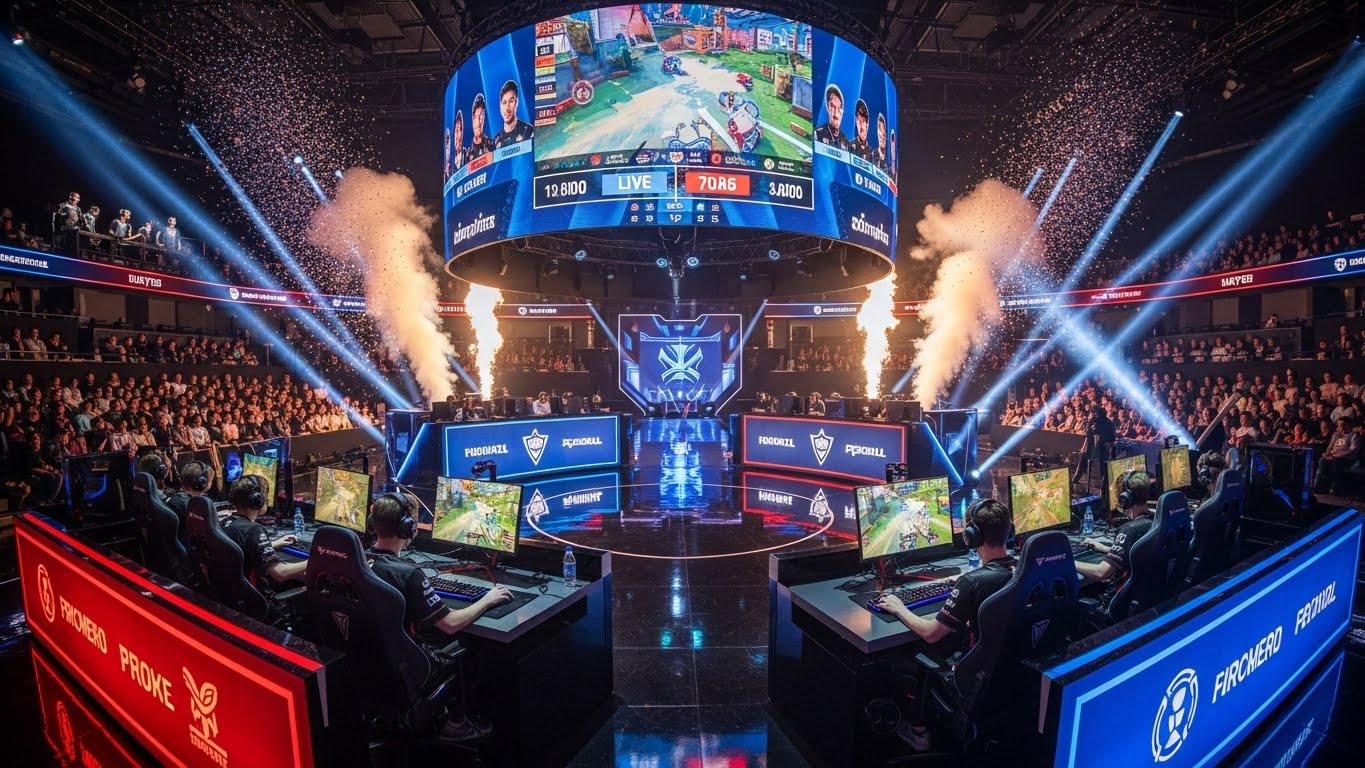
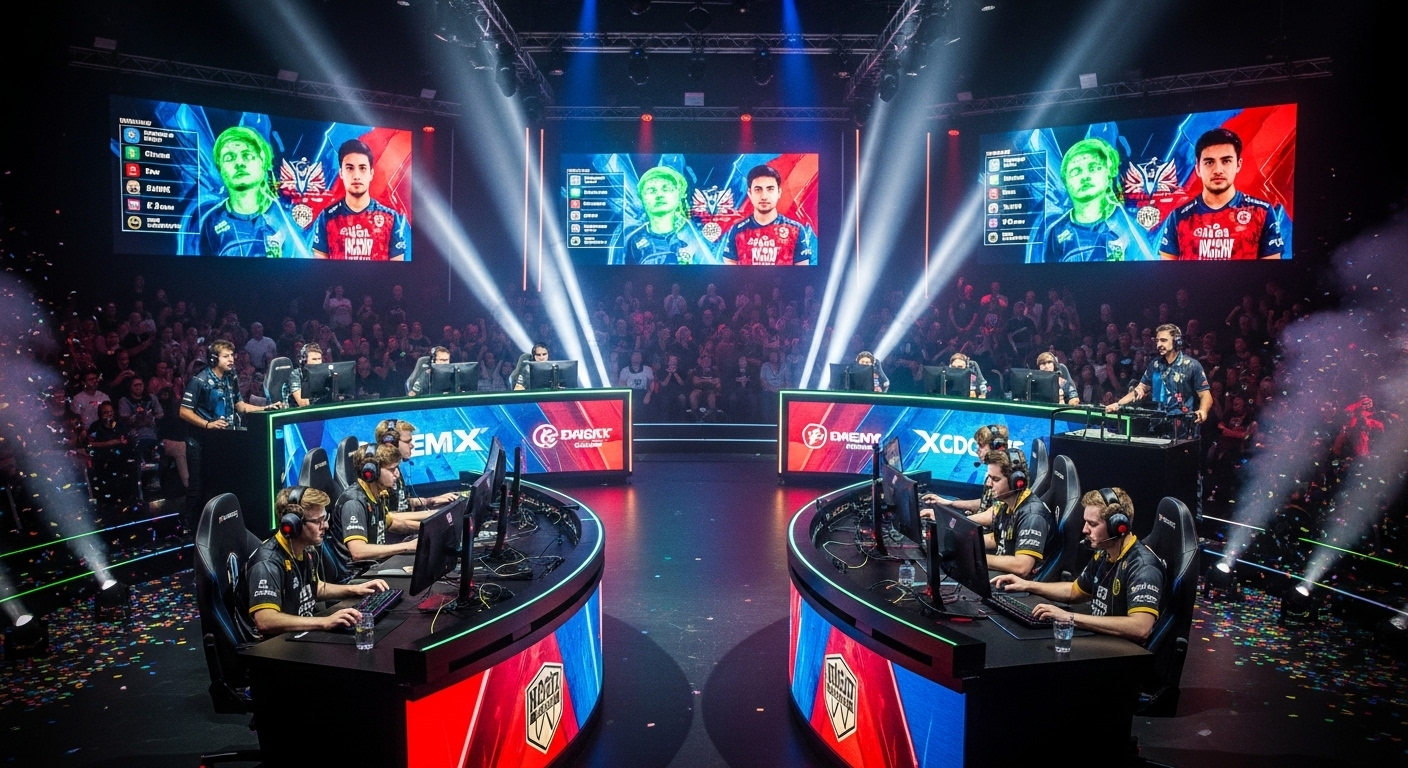
In the past two decades, competitive gaming has transformed from a casual pastime into a massive global industry. Esports, short for electronic sports, is now one of the most dynamic sectors of entertainment, attracting millions of viewers, offering multi-million-dollar prize pools, and creating professional leagues and careers for thousands of players worldwide. From humble beginnings in basement tournaments to stadium events broadcasted globally, Esports has evolved into a cultural juggernaut. As the world continues to embrace the digital age, the future of Esports looks more exciting than ever. This blog delves into the rise of Esports, its growing influence on global culture, and the economic, social, and technological factors that continue to shape its expansion.
The Origins of Esports: From Arcade Games to Global Championships
Esports can trace its roots back to the early days of video gaming in the 1970s and 1980s, when arcade games like Space Invaders and Pac-Man first gained popularity. While these early games weren’t competitive in the way we understand today, they sparked a sense of excitement and skill-based challenges among players. It wasn’t long before competitive gaming began to take shape through small-scale tournaments, particularly in the 1990s.
One of the first truly iconic Esports tournaments was the 1997 Red Annihilation competition for Quake, which attracted professional players from around the world. This marked the beginning of Esports as a serious competition rather than just casual play. Over the next few years, multiplayer games such as StarCraft, Warcraft III, and Counter-Strike began to set the stage for more structured, large-scale events. The turning point, however, came with the rise of online gaming and streaming in the 2000s, which allowed players from around the globe to compete in virtual arenas and for fans to watch these games in real-time.
The arrival of Twitch in 2011 accelerated the global growth of Esports. The streaming platform made it possible for fans to watch games live, interact with players, and follow competitions from any corner of the world. This increased the accessibility and visibility of Esports, laying the foundation for what would become an international entertainment industry.
The Esports Boom: From Niche Interest to Global Phenomenon
By the early 2010s, Esports had grown beyond just a hobby for gamers. Major titles like League of Legends, Dota 2, Fortnite, and Overwatch began to dominate the competitive scene, each fostering its own global community of players and fans. These games offered not only intense gameplay but also rich lore, dynamic characters, and immersive worlds that made them appealing to a broad audience.
One of the most significant milestones in Esports history was the creation of The International for Dota 2, which introduced the concept of massive prize pools funded in part by the community. In 2018, The International featured a prize pool exceeding $25 million, a testament to how far Esports had come in just a few years. Similarly, the League of Legends World Championship attracts millions of viewers annually and is regarded as one of the most prestigious tournaments in Esports.
Esports’ rapid growth can be attributed to several factors, including the increasing accessibility of high-speed internet, the rise of digital platforms like Twitch and YouTube, and the shift in how audiences consume media. Esports events became more than just gaming competitions—they transformed into global spectacles that drew in large audiences, not just for the games themselves but for the personalities and narratives that developed around the players and teams.
Esports as a Professional Career
Esports has moved from being a hobby to a legitimate career path for thousands of individuals. Professional gamers can earn significant income from tournament prize pools, sponsorships, team salaries, and streaming. Top-tier players often sign lucrative sponsorship deals with global brands like Intel, Red Bull, and Razer, further professionalizing the industry.
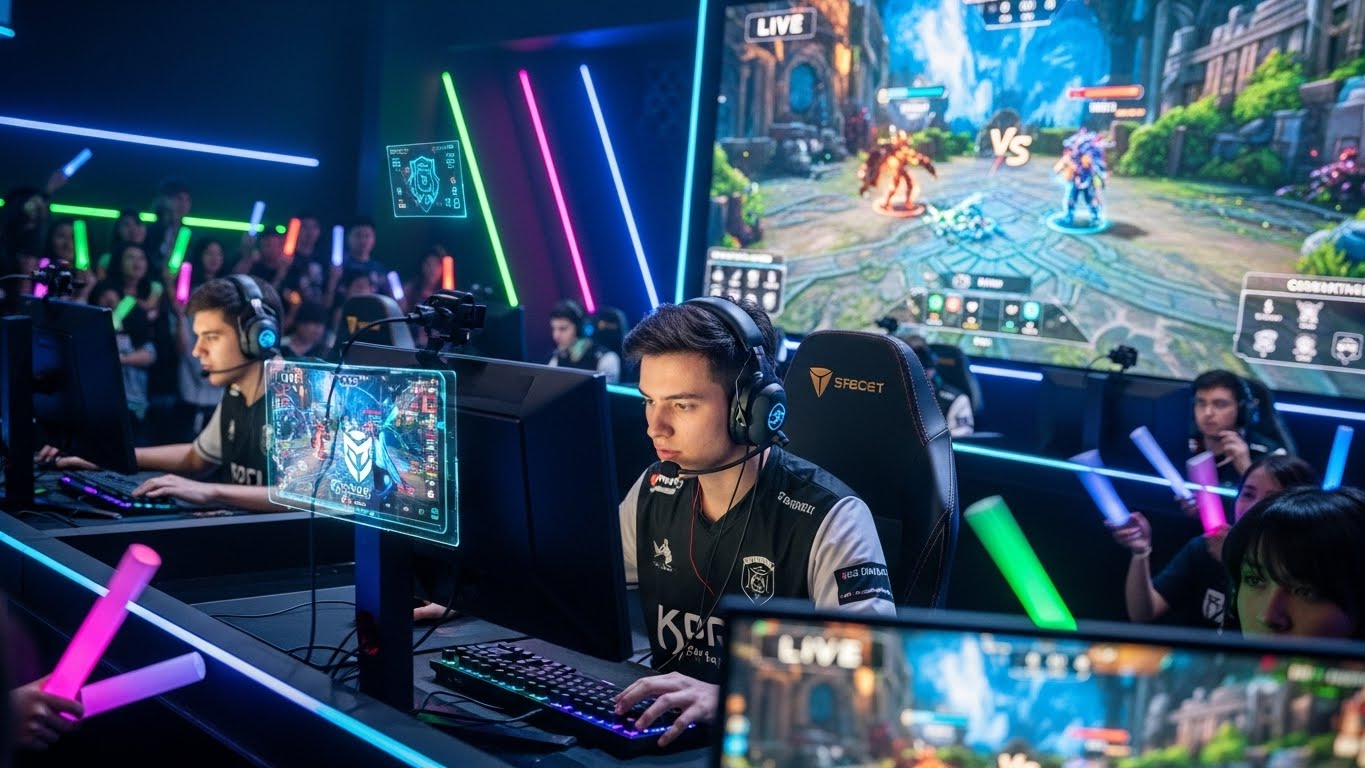
The emergence of Esports organizations, similar to traditional sports teams, has also contributed to this professionalization. Teams like Cloud9, Team Liquid, and Fnatic have become household names in the Esports world, attracting fans, sponsors, and even investors. These organizations not only compete in tournaments but also develop their own content, manage streaming channels, and host events. Players sign contracts, have coaches and analysts, and undergo rigorous training schedules, mirroring the dedication and commitment required in traditional sports.
One of the most notable trends in Esports is the growing number of women entering the competitive scene. While Esports has historically been male-dominated, female players and content creators have made significant strides in recent years. From professional players to influencers and casters, women are increasingly represented in Esports, helping to break down gender stereotypes and create a more inclusive environment for future generations.
The Global Impact and Viewership of Esports
The global impact of Esports is undeniable. According to recent statistics, the global Esports audience exceeded 450 million in 2020, and this number is expected to continue growing as more countries invest in Esports infrastructure and educational programs. Esports’ broad appeal lies in its ability to transcend cultural and geographical barriers. Unlike traditional sports, which may require physical attributes or resources, Esports is accessible to anyone with a computer and an internet connection.
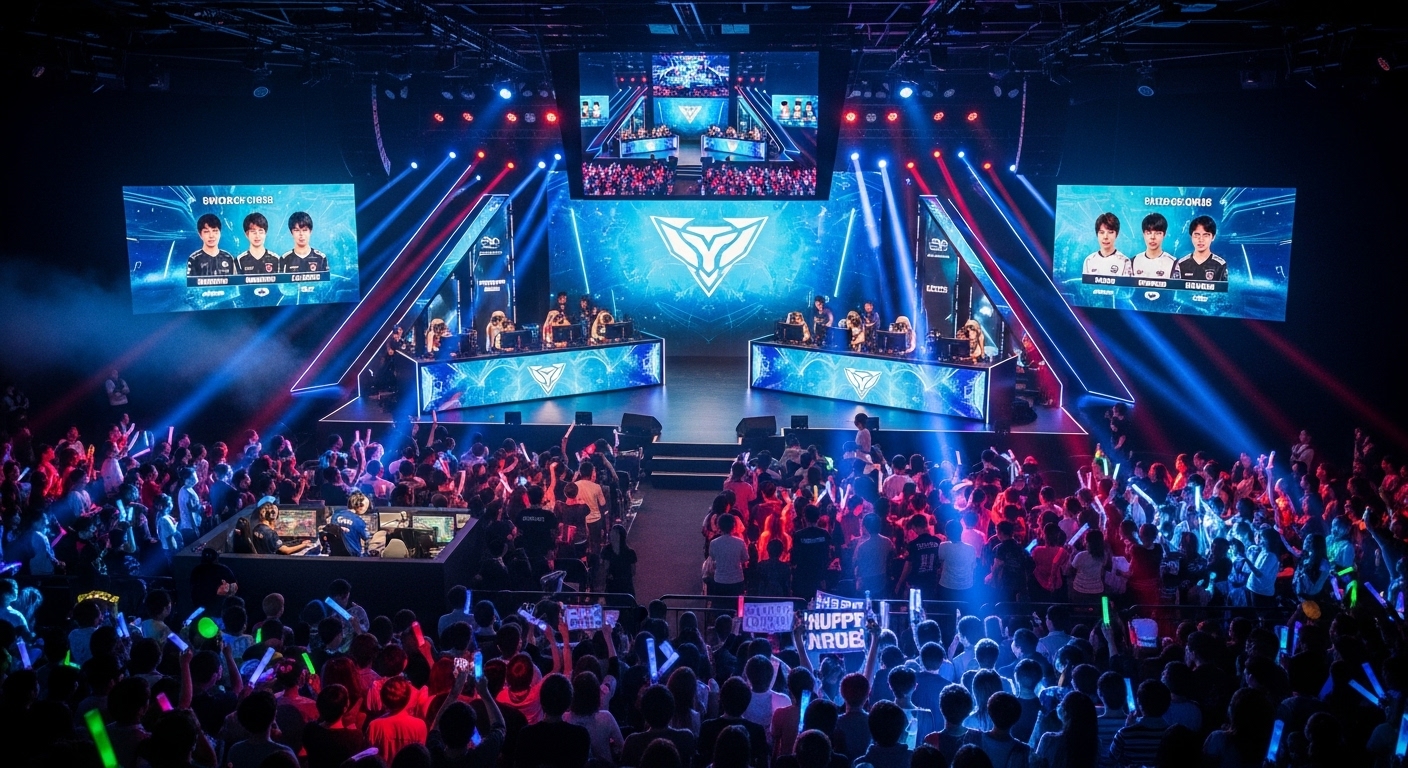
Major tournaments attract millions of live viewers across platforms like Twitch, YouTube, and Facebook Gaming, with some events boasting viewership figures that rival traditional sports finals. The League of Legends World Championship regularly attracts over 100 million viewers, while The International for Dota 2 has a similarly massive following. Esports tournaments are no longer confined to digital platforms; many are held in sold-out arenas and broadcast on television in various countries. The accessibility of Esports allows fans from all walks of life to tune in and engage with the competition, making it one of the most inclusive forms of entertainment worldwide.
In addition to viewership, Esports is gaining traction as a potential venue for advertising and marketing. Brands are increasingly targeting the Esports demographic—typically younger, tech-savvy, and engaged—in a way that’s more direct and relevant than traditional advertising channels. Companies are sponsoring teams, tournaments, and individual streamers, seeing Esports as a way to reach a global audience that is deeply invested in gaming culture.
Esports and Education: Cultivating Talent and Careers
Esports has become a significant part of the education sector, particularly at the collegiate level. Universities and colleges across the world are offering Esports scholarships, providing students with opportunities to pursue their academic and competitive gaming careers simultaneously. Many institutions have even established Esports programs, with dedicated teams, coaches, and facilities to help students develop their skills in both gaming and team management.
These programs not only support aspiring professional players but also help to cultivate talent for other areas of the Esports industry, such as broadcasting, coaching, event management, and marketing. Students involved in Esports have the chance to gain valuable skills that extend beyond the game itself, such as teamwork, communication, leadership, and strategic thinking.
As Esports continues to grow, it is expected to become even more integrated into educational curriculums, with more high schools and universities introducing Esports as part of their extracurricular activities. The potential for Esports to open new career pathways for students is undeniable, and it is likely that we will see further investment in Esports education in the years to come.
The Economic Impact of Esports
The economic impact of Esports is vast and continues to grow. According to recent reports, the global Esports industry is expected to reach nearly $1.5 billion by 2023. This economic boom is fueled by a combination of factors, including sponsorship deals, media rights, advertising, and merchandise sales. Esports has become a highly profitable business, benefiting not only professional teams and players but also companies in technology, media, and even tourism.
One of the major revenue streams for Esports is sponsorship. Major brands from various industries, including tech giants like Intel and Nvidia, sportswear brands like Nike and Adidas, and even energy drinks like Monster and Red Bull, have all invested heavily in Esports. These partnerships help fund tournaments, provide equipment and resources for teams, and promote the global growth of Esports.
Furthermore, Esports has driven job creation in many sectors, from event organizers and broadcast personnel to graphic designers and social media managers. As the industry continues to expand, it will likely create even more opportunities in related fields, contributing to the global economy and transforming entertainment as we know it.
Challenges and Opportunities for Esports
While Esports is experiencing rapid growth, it also faces challenges. One of the primary issues is the lack of regulation and standardized practices across different regions and tournaments. As Esports continues to grow, it is important for governing bodies to create clear guidelines for player contracts, tournament formats, and anti-doping policies. Additionally, player welfare is becoming a pressing concern. The intense training schedules, long hours of gaming, and pressure to perform at the highest level can take a toll on players’ physical and mental health. Addressing these issues will be critical for ensuring the long-term sustainability of Esports as a professional industry.
Another challenge lies in the perception of gaming as a form of entertainment. Despite Esports’ mainstream success, some critics still regard it as a pastime rather than a legitimate career or sport. Overcoming this stigma and gaining broader recognition will be essential for Esports to further establish itself as a global force in entertainment.