




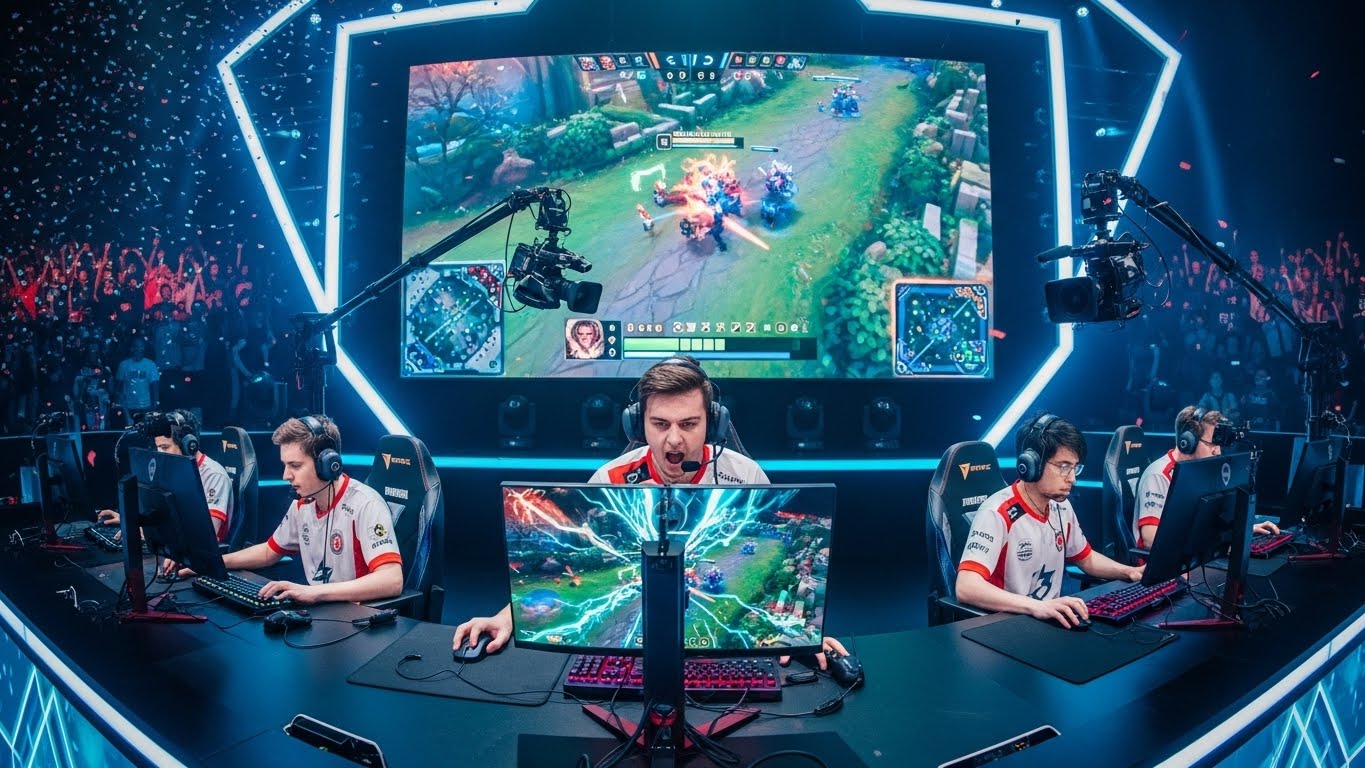
Introduction: The Digital Revolution of Sports
Esports, or competitive video gaming, has evolved from a niche hobby into a global phenomenon. Over the past two decades, millions of players and viewers have engaged with esports, transforming it into a multi-billion-dollar industry. Unlike traditional sports, esports thrives entirely in the digital world, bringing together skill, strategy, and technology in ways that were unimaginable a generation ago. Today, esports is not just about playing games; it is about entertainment, culture, career opportunities, and global competition.
What makes esports extraordinary is its ability to unite people from diverse backgrounds. Whether you are in Asia, Europe, or the Americas, esports tournaments attract audiences in the tens of millions, proving that passion for gaming transcends borders. This blog explores the evolution of esports, its cultural impact, the professionalization of players, and what the future holds for this exciting digital arena.
The Evolution of Competitive Gaming
Competitive gaming is not a new concept. Even in the 1980s, arcade games such as Pac-Man and Space Invaders drew players together for high-score competitions. However, esports as we know it began to take shape with the rise of online multiplayer games in the late 1990s and early 2000s. Titles like StarCraft, Counter-Strike, and Warcraft III became the foundation for organized competitive play.
The early 2000s also saw the formation of the first professional gaming leagues. Players began traveling to tournaments, sponsors started supporting teams, and online communities flourished. By the 2010s, games such as League of Legends, Dota 2, and Overwatch had created massive global followings. Esports tournaments moved into large arenas, attracting tens of thousands of fans, and broadcasting matches online to millions more. The evolution of esports reflects not only technological advancements but also a cultural shift in the perception of gaming.
Why Esports Captures Global Attention
Esports has grown rapidly due to its unique combination of accessibility, skill, and entertainment. Unlike traditional sports, esports does not require expensive facilities, equipment, or physical attributes. All that is needed is a computer, console, or mobile device and an internet connection. This accessibility allows millions of players worldwide to participate in competitive gaming, leveling the playing field and expanding the global talent pool.
Another factor is the blend of strategy and entertainment. Every esports game presents unique mechanics and challenges. Players demonstrate not only physical dexterity but also critical thinking, teamwork, and split-second decision-making. Spectators enjoy the suspense and drama of matches, celebrating extraordinary plays and clever strategies. This combination of skill and entertainment has created an intensely passionate and loyal audience.
The Professional Esports Athlete
The perception of gamers as casual or lazy has shifted dramatically. Professional esports players are now considered athletes in their own right, dedicating countless hours to training and perfecting their craft. Unlike traditional sports where physical strength may dominate, esports athletes rely on reflexes, mental acuity, and strategic thinking. The life of a professional player involves rigorous practice, team coordination, and meticulous study of game mechanics.
Training and Discipline
Professional players often train between six to twelve hours daily. They analyze gameplay, develop strategies with teammates, and refine mechanics through repetitive practice. Physical fitness is also emphasized because reaction time, focus, and stamina are directly affected by overall health. The professional esports lifestyle is demanding and requires dedication comparable to that of elite athletes in traditional sports.
Team Structures and Support
Esports organizations have evolved to include coaches, analysts, psychologists, and nutritionists. These support roles ensure players perform at peak levels, manage stress, and avoid burnout. Modern esports teams are structured similarly to professional sports teams, with clear hierarchies, training regimens, and long-term development plans.
Career Longevity
While esports careers are often shorter than traditional sports due to intense competition and rapid reflex demands, retired players have opportunities in coaching, streaming, content creation, and management. This ecosystem allows talent to remain involved in the industry, creating a sustainable career path beyond active competition.
Esports Tournaments: The Pinnacle of Competition
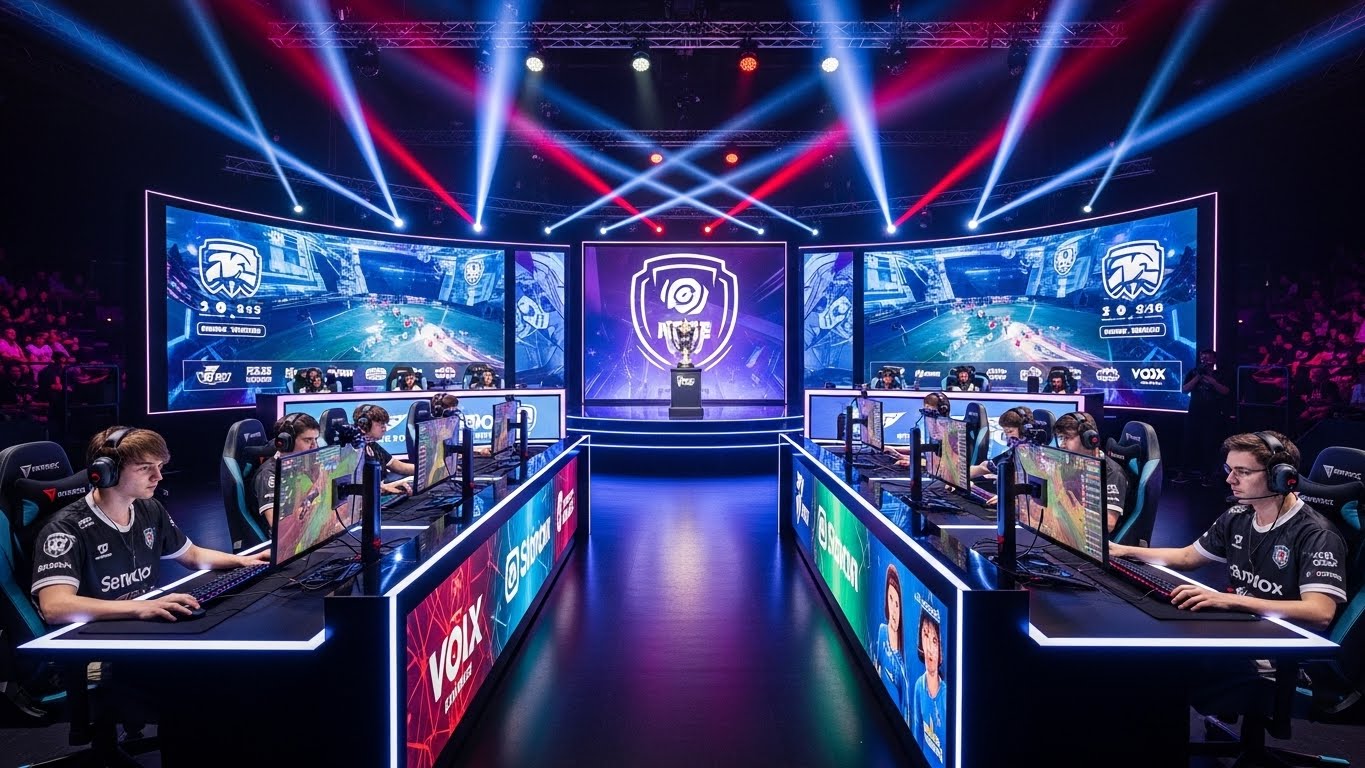
Esports tournaments are at the heart of the industry. Major competitions now rival traditional sports events in scale and production quality. Players from around the globe compete for substantial prize pools, team prestige, and personal recognition.
The Tournament Landscape
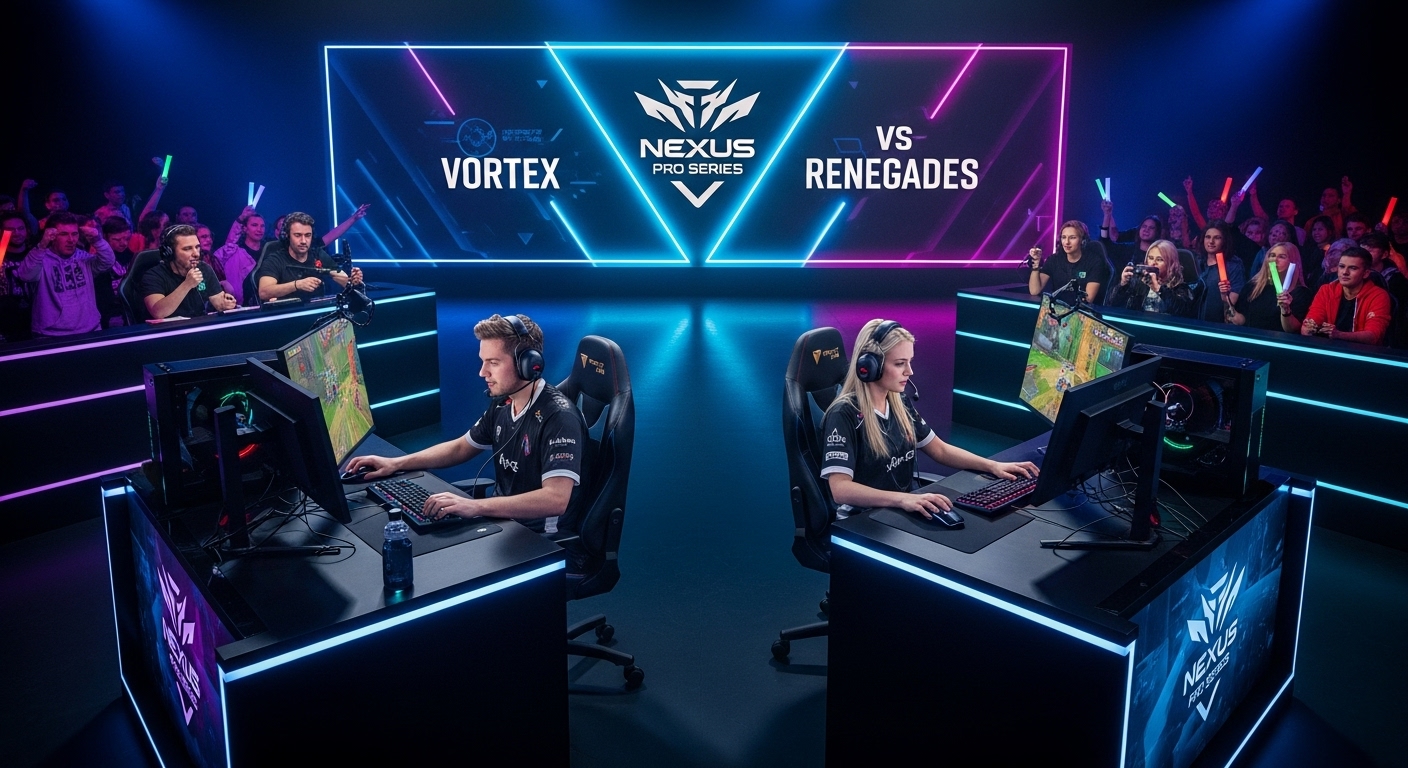
Tournaments range from small local events to massive international championships. Popular game genres include multiplayer online battle arenas, first-person shooters, sports simulations, and real-time strategy games. Events often last several days, featuring group stages, elimination rounds, and finals that generate high levels of excitement and engagement.
Audience Engagement
Spectators play a crucial role in esports. Live streaming platforms allow millions of viewers to watch matches in real time, interact with other fans, and support their favorite players. The sense of community and shared experience elevates tournaments into cultural events. Unlike traditional sports, online engagement and interactive features give esports a unique connection with its audience.
The Business of Esports
Esports is not just about playing games; it is a thriving global business. The industry generates revenue through sponsorships, advertising, media rights, merchandise, and event organization.
Sponsorships and Branding
Major companies recognize the potential of esports to reach young, tech-savvy audiences. Sponsorships fund player salaries, team infrastructure, and tournament organization. Gaming peripherals, energy drinks, and technology brands are among the most prominent investors, creating mutually beneficial partnerships.
Media and Broadcasting
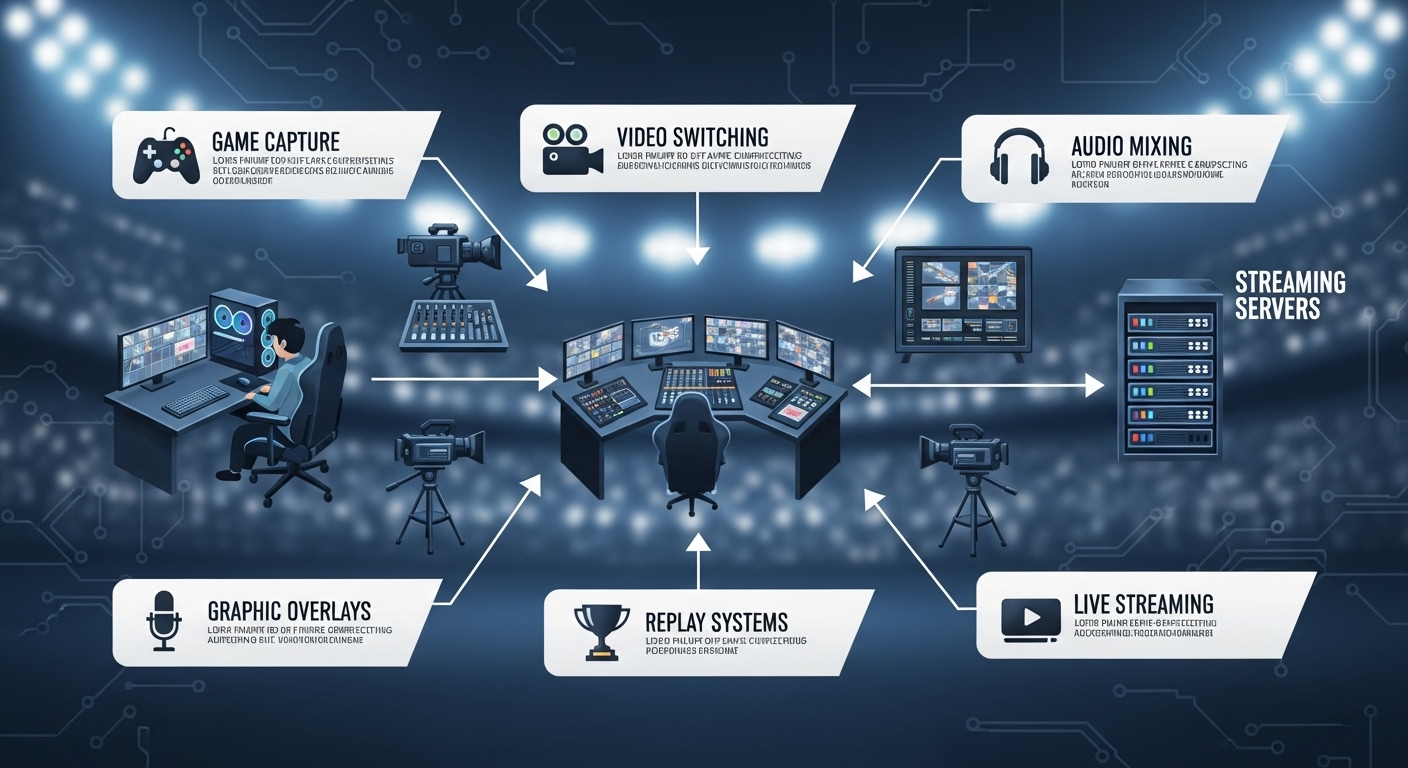
Streaming platforms serve as the primary medium for esports broadcasting. Professional commentary, instant replays, and expert analysis enhance the viewing experience. High-quality production has transformed esports from a niche hobby into mainstream entertainment.
Merchandising and Fan Engagement
Teams sell jerseys, branded accessories, and in-game items to connect with fans. Merchandising not only generates revenue but also strengthens team identity and fan loyalty. This strategy mirrors traditional sports while leveraging the unique digital culture of gaming.
Esports and Education: Nurturing the Next Generation
Esports is increasingly integrated into education systems. Schools and universities recognize its value for skill development, career opportunities, and community engagement.
Scholarships and Academic Programs
Colleges now offer scholarships for esports players, along with courses in game design, digital media, and esports management. These programs legitimize esports as a serious pursuit and provide students with pathways into the industry.
Developing Life Skills
Participating in esports fosters critical thinking, teamwork, communication, and strategic planning. Students learn to manage time effectively, make quick decisions under pressure, and collaborate with others toward shared goals. These transferable skills are valuable both inside and outside the gaming world.
The Future of Esports
The future of esports is bright and full of potential. Advances in technology, including virtual reality, augmented reality, and artificial intelligence, are likely to reshape competitive gaming. New genres, larger tournaments, and global collaborations will continue to expand the industry.
As gaming becomes an integral part of youth culture worldwide, esports is positioned to remain at the forefront of entertainment. It will continue to offer opportunities for careers, community building, and global connection. Esports is not merely a passing trend; it represents a fundamental shift in how people engage with sports, competition, and digital culture.
Conclusion: Esports as a Cultural Phenomenon
Esports has transformed the landscape of entertainment and competition. From humble beginnings as arcade challenges to today’s global tournaments, esports has established itself as a legitimate and respected industry. Professional players train like athletes, tournaments attract massive audiences, and the business ecosystem is booming.
Beyond economics and competition, esports represents a cultural movement. It unites people worldwide through shared experiences, celebrates creativity and skill, and offers new opportunities for education and career development. As technology continues to evolve, esports will only grow in influence and reach, securing its place as a defining feature of the modern digital age.
Esports is not just a game. It is a testament to human innovation, passion, and the limitless possibilities of the digital era.