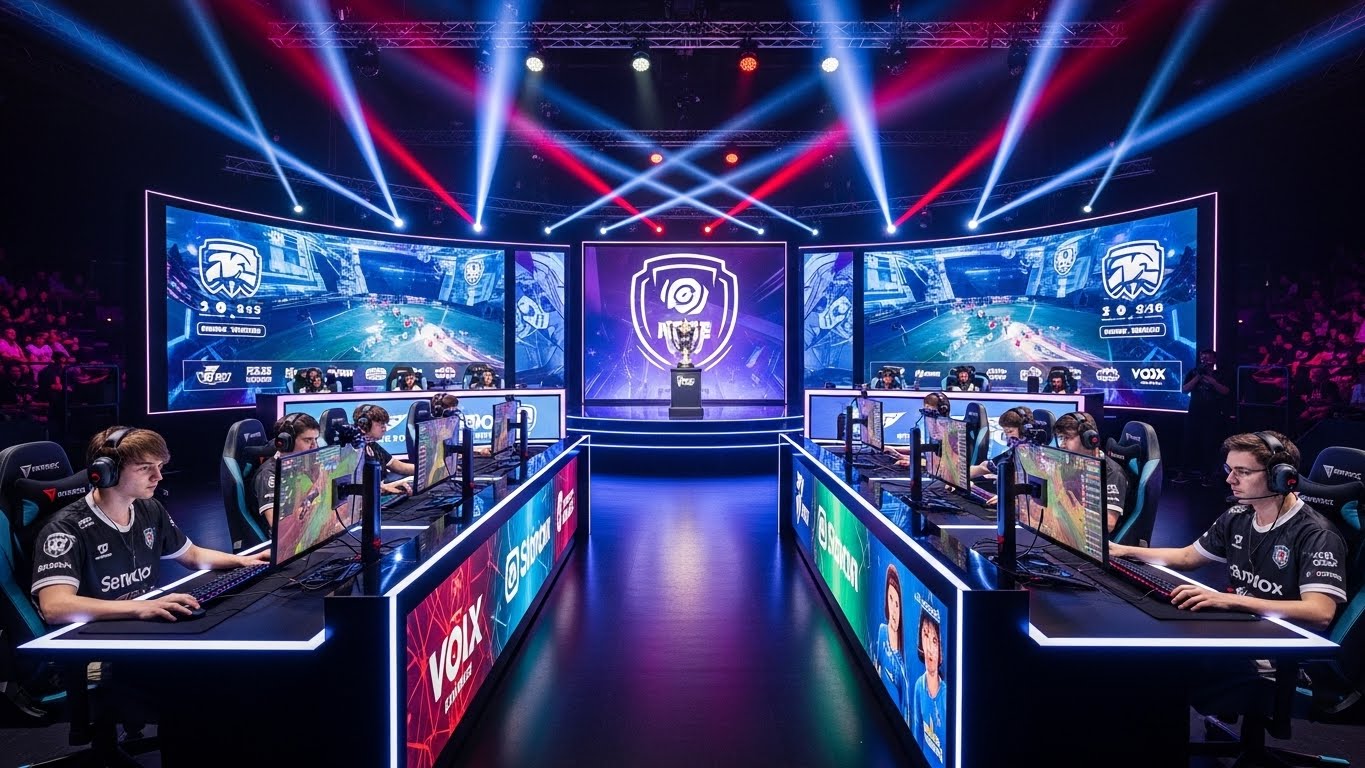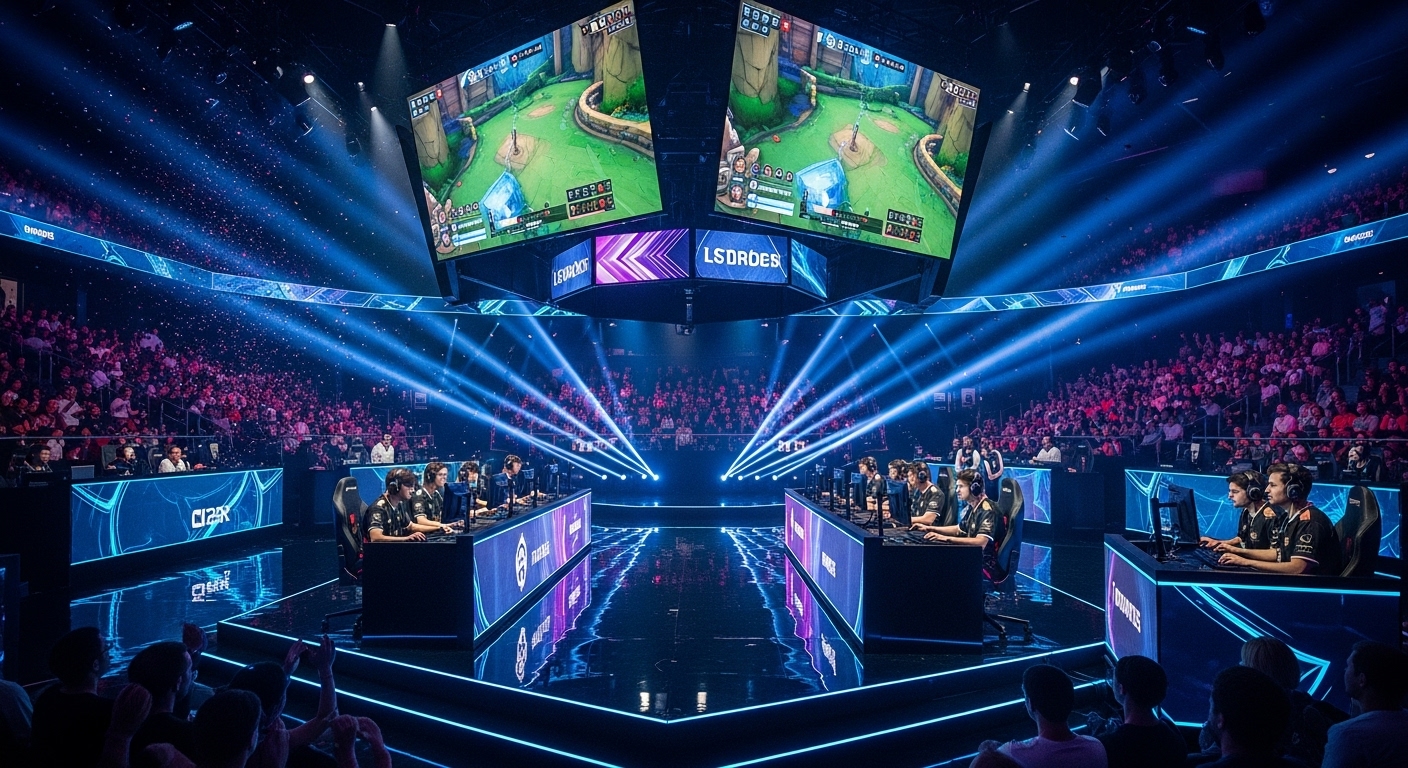






Esports, short for electronic sports, has evolved from a niche pastime into one of the most significant global entertainment industries of the 21st century. While gaming itself has a long history dating back to the early days of arcade machines and home consoles, esports, as a competitive and organized form of gaming, has its own unique trajectory. From modest beginnings in the 1990s and early 2000s to the present-day billion-dollar industry, esports has changed the way we view gaming, entertainment, and even sports. This blog delves into the history, rise, and future of esports, and explores its cultural and economic impact.
The Origins of Esports
The First Tournaments and Competitions
Though competitive gaming didn’t have a specific name back then, the first real esports events started to emerge in the 1990s. The competitive gaming scene was initiated through LAN (Local Area Network) parties and small tournaments in which players gathered in rooms to compete in games like Quake and StarCraft. These games, along with Warcraft and Age of Empires, became some of the early competitive titles, with tournaments often held at conventions or in small gatherings. These tournaments were grassroots efforts driven by passionate gaming communities rather than large, corporate-backed organizations.
In 1997, the first major esports event was held: the Red Annihilation tournament for Quake, which was notable not only for its size but also for the fact that the winner earned a Ferrari 328 GTS, a prize that captured the attention of both gamers and the media. This event is often regarded as one of the first truly large-scale esports competitions, setting the foundation for what would later grow into a multibillion-dollar industry.
Early Broadcasting and Growth
By the early 2000s, the landscape of competitive gaming began to shift. Games like Counter-Strike and Warcraft III dominated the competitive scene. At this point, there were still limited opportunities for players to earn money from their skills, but esports was becoming increasingly popular. The introduction of the World Cyber Games (WCG) in 2000 and Electronic Sports World Cup (ESWC) in 2003 were milestones that brought greater visibility to competitive gaming. These events provided more structure and organization to esports competitions, and began to attract larger audiences.
Although these tournaments were still a far cry from the scale of modern events, they laid the groundwork for the next phase in the evolution of esports. With the rise of streaming platforms like Twitch in the 2010s, esports would soon find its global audience and begin its rapid growth.
The Rise of Esports in the 2010s
The Role of Streaming Platforms
One of the key drivers of the esports boom was the emergence of live streaming. With platforms like Twitch (launched in 2011) and YouTube Gaming, gamers could broadcast their gameplay to a global audience. This created a new kind of entertainment where viewers could watch their favorite players compete, interact with streamers, and even engage in real-time chat. For players, streaming became a way to build a personal brand and attract sponsorships, while viewers could enjoy the thrill of watching esports live from their homes.
Streaming also provided a means for tournament organizers to broadcast events on a global scale. The ability to watch tournaments like the League of Legends World Championship, The International (Dota 2), and Counter-Strike: Global Offensive competitions online transformed esports into a spectator sport, similar to traditional sports. The availability of free access to these events helped build an audience, and over time, it became apparent that the esports ecosystem was self-sustaining.
The Professionalization of Esports
Esports transitioned from being a grassroots hobby into a professionalized industry during the 2010s. Several key factors contributed to this transformation. Major video game companies, such as Riot Games (the developer behind League of Legends) and Valve Corporation (the developer behind Dota 2), began investing in esports tournaments and leagues. These companies set up official leagues, such as the League of Legends Championship Series (LCS) and Dota 2 Pro Circuit, which offered regular, highly-structured competitions for top-tier players.
Sponsorships and endorsements from major brands, including Intel, Red Bull, and Coca-Cola, provided the financial backing necessary to expand esports on a global scale. The prize pools for major tournaments reached new heights. For example, The International (Dota 2) boasts one of the largest prize pools in the history of gaming, exceeding $40 million in some years.
This professionalization of esports also led to the establishment of esports organizations, where players could sign contracts, get paid salaries, and focus entirely on their gaming careers. These organizations began to hire coaches, analysts, and managers, just like traditional sports teams. As a result, esports began to resemble traditional professional sports more and more.
The Development of Esports Leagues and Tournaments
Throughout the 2010s, esports tournaments grew significantly in both size and visibility. As more games became popular in the competitive scene, the need for professional leagues and tournaments intensified. Several major events emerged, providing both the structure and the prestige associated with top-tier competitions. These tournaments not only attracted large audiences but also created an ecosystem in which players, coaches, analysts, and teams could thrive.
Games like League of Legends, Dota 2, Counter-Strike: Global Offensive, and Overwatch became staples of the esports scene, and each developed their own annual tournaments, such as the League of Legends World Championship, The International, ESL One, and Overwatch League. These events often filled large arenas, and viewers could watch matches online or on TV, a testament to esports’ growing cultural relevance.
One of the most notable events was The International in Dota 2, where the prize pool ballooned due to crowd-funded contributions, and the event became a cultural phenomenon. The growing prominence of these tournaments was evidence that esports had fully entered the mainstream.
The Cultural Impact of Esports
Changing Attitudes Towards Gaming
One of the most significant cultural shifts surrounding esports has been the changing attitudes toward gaming. In the past, video games were often viewed as a frivolous hobby or a waste of time. However, esports has transformed gaming into a legitimate profession, and many players are now seen as athletes and celebrities in their own right. Esports stars like Lee “Faker” Sang-hyeok and Johan “N0tail” Sundstein are household names in the gaming world, and they command the same level of recognition and respect as traditional athletes.
Esports has also helped normalize competitive gaming among younger generations, with gaming becoming a socially acceptable pastime for people of all ages. Many children and teenagers today aspire to become professional esports players, just as they might aspire to play in the NFL, NBA, or other traditional sports leagues.
Esports in Popular Media
Esports has increasingly made its mark on popular media, with coverage in mainstream outlets and even television. Networks like ESPN and TBS have aired esports tournaments, while streaming services like Netflix and Amazon Prime Video have created documentaries and series about esports players and teams. This exposure has helped legitimize esports in the eyes of the general public.
Esports-themed content is now a fixture in pop culture. For instance, the League of Legends animated series, “Arcane,” received widespread acclaim for its storytelling, animation, and the portrayal of its esports-driven world. This series, along with other esports-related media, helped bridge the gap between gaming and entertainment.
The Globalization of Esports
Esports is a truly global phenomenon. With players, teams, and tournaments spanning multiple continents, esports has brought together communities from around the world. Games like League of Legends have an international player base, and competitions like The International have become global events, with fans tuning in from every corner of the globe.
The International aspect of esports is one of its most fascinating aspects. While traditional sports are often tied to national borders, esports allows players from different countries to compete on equal footing. This has led to a diverse and inclusive environment, where players from different cultures, backgrounds, and regions come together to compete in tournaments.
The Economics of Esports
Revenue Streams in Esports
As esports has grown in popularity, it has also become a major economic force. Esports generates revenue from a variety of sources, including sponsorships, advertising, media rights, merchandise, and ticket sales. Major esports tournaments and leagues are backed by some of the biggest brands in the world, with companies like Intel, Samsung, Coca-Cola, and Mercedes-Benz partnering with teams and events.
Media rights and broadcasting deals are another key source of revenue. Broadcasting esports tournaments on platforms like Twitch, YouTube, and Facebook Gaming has allowed organizers to monetize content through ads and subscription-based services. This has led to significant growth in the number of people watching esports, contributing to the financial success of the industry.
Esports also generates revenue from ticket sales and merchandise. With esports events becoming larger and more spectacular, the sale of tickets for live events has become a significant income stream. Additionally, the sale of team jerseys, memorabilia, and other merchandise has provided an additional source of income for esports teams and players.
The Economic Impact on Local Economies
Esports events, particularly large tournaments, have become major events that can boost local economies. Cities that host major esports tournaments can experience a significant influx of tourism, with fans traveling from all over the world to watch their favorite teams play. Local businesses, including hotels, restaurants, and transportation services, benefit from the increased demand during these events.
For example, BlizzCon, the annual event hosted by Blizzard Entertainment, brings tens of thousands of visitors to Anaheim, California, every year. This influx of fans supports the local economy and highlights the symbiotic relationship between esports and tourism.
Career Opportunities in Esports
Esports has opened up a wide array of career opportunities. While professional players remain the stars of the scene, there are countless other roles that contribute to the ecosystem. Coaches, analysts, broadcasters, content creators, social media managers, and event organizers all play crucial roles in the success of esports organizations and tournaments.
The industry has also led to the rise of a new kind of celebrity. Streamers and content creators can make significant earnings through sponsorships, advertising, and donations. Players who once competed in small tournaments now have the opportunity to sign lucrative contracts, stream their games for millions of viewers, and grow their personal brand.
The Future of Esports
Advancements in Technology
The future of esports will likely be shaped by technological advancements. Virtual reality (VR) and augmented reality (AR) have the potential to revolutionize how we experience esports events. Imagine watching a live esports match where the players are physically present in a VR arena, and the viewer can interact with the action in real time. These technologies may become a key part of the esports experience in the coming years.
Additionally, advancements in gaming hardware and software will continue to push the boundaries of what is possible in esports. More powerful gaming computers, advanced AI for training players, and better network infrastructure will all contribute to the growth and development of the industry.
The Integration of Esports into Traditional Sports
As esports continues to gain popularity, there is potential for closer integration with traditional sports. Some sports teams, such as the Philadelphia 76ers and Paris Saint-Germain, have already invested in esports organizations. The possibility of esports becoming part of major sporting events, such as the Olympics, is also being discussed, with some arguing that esports could eventually be recognized as a legitimate Olympic sport.
Continued Global Expansion
Esports is still growing, and its influence is expected to continue expanding worldwide. With the rise of mobile gaming, even more regions, especially in developing countries, are being introduced to the competitive gaming scene. As internet infrastructure improves globally, esports will have an even wider reach, allowing players and fans from previously underserved areas to join the global esports community.
Conclusion
Esports has come a long way from its humble beginnings in the 1990s. Today, it stands as a global entertainment powerhouse, with millions of players, fans, and spectators involved in the scene. The rise of esports has created a unique blend of gaming, competition, and entertainment, and its cultural and economic impact continues to grow. With advancements in technology and the continued globalization of the industry, the future of esports looks brighter than ever. Whether you’re a casual gamer, an aspiring professional player, or just a fan of the competition, there has never been a better time to get involved in the world of esports.