




Introduction: The Digital Revolution of Competition
A few decades ago, the idea of playing video games professionally seemed like a fantasy. Gaming was considered a hobby — something to unwind with after work or school, not a viable career path. Fast forward to today, and Esports has evolved into a multibillion-dollar industry that rivals traditional sports in audience size, sponsorship, and prestige. What began as small gatherings of passionate players has transformed into a worldwide phenomenon, with sold-out arenas, live broadcasts, and superstar players who command massive followings.
Esports — short for electronic sports — refers to organized, competitive gaming events where professional players or teams compete against each other in various video games. The growth of Esports represents not just the evolution of entertainment, but also a cultural shift in how people view gaming, technology, and even athleticism.
This blog explores the origins, rise, and future of Esports — a digital movement that has reshaped the landscape of global entertainment.
The Origins: The Humble Beginnings of Competitive Gaming
The story of Esports begins long before streaming platforms and massive sponsorships. In the 1970s and 1980s, when video games were still in their infancy, competitions were small, local events often held in arcades or universities. One of the earliest recorded video game competitions took place in 1972 at Stanford University, where students competed in a game called Spacewar! for the prize of a year’s subscription to a magazine. It was a modest start, but it planted the seeds of what was to come.
During the 1980s, the rise of arcade games like Pac-Man, Donkey Kong, and Space Invaders led to competitive high-score challenges. Players competed to get their names on the leaderboard, and magazines featured the world’s top gamers. In 1980, Atari organized the Space Invaders Championship, which attracted more than 10,000 participants across the United States — a groundbreaking event that hinted at gaming’s future as a spectator sport.
However, the technological limitations of the time meant that these competitions remained local. Without the internet or online connectivity, global-scale tournaments were nearly impossible. The true transformation would come in the 1990s with the rise of personal computers and online multiplayer gaming.
The 1990s: The Birth of Modern Esports
The 1990s were a turning point for gaming. With the rapid development of personal computers, faster internet connections, and the rise of multiplayer games, Esports began to take on a more recognizable form. Games like Doom, Quake, and StarCraft allowed players to connect and compete across long distances.
In 1997, the Red Annihilation Quake Tournament was held, and its winner, Dennis “Thresh” Fong, famously took home John Carmack’s Ferrari as a prize. This event is often cited as the birth of professional Esports. Around the same time, South Korea was investing heavily in broadband infrastructure, leading to the explosive growth of PC bangs (internet cafes). StarCraft, a real-time strategy game, became a national obsession there, with televised matches and professional players earning sponsorships. South Korea effectively became the cradle of modern Esports.
The 1990s also introduced the concept of organized gaming leagues. Early networks like the Cyberathlete Professional League (CPL) and Major League Gaming (MLG) laid the groundwork for structured competition. Esports was no longer an underground hobby — it was becoming an organized, professional pursuit.
The 2000s: The Internet Age and the Explosion of Esports
The new millennium brought broadband internet to millions of households, revolutionizing gaming forever. Online multiplayer games flourished, and titles like Counter-Strike, Warcraft III, and Dota became global competitive staples. Players could now compete from their homes while building online reputations through forums and early streaming platforms.
The Rise of Online Tournaments
Websites and platforms dedicated to organizing online tournaments began to emerge, connecting gamers worldwide. This period saw the formation of legendary Esports organizations such as Fnatic, Team Liquid, and SK Gaming — teams that still compete at the highest levels today.
In 2003, Major League Gaming (MLG) was officially founded in North America, offering professional circuits for games like Halo and Call of Duty. Meanwhile, the World Cyber Games (WCG) and Electronic Sports World Cup (ESWC) created international competitions modeled after the Olympics, where players represented their countries.
The Emergence of Star Players
The early 2000s also introduced the concept of gaming celebrities. Players like Faker, Fatal1ty, and BoxeR became household names in the gaming world. They were pioneers — athletes of a new digital sport — and their success proved that gaming could be a legitimate profession.
By the end of the 2000s, Esports had established itself as a recognized entertainment form, but it was still far from mainstream. That would change dramatically in the next decade.
The 2010s: The Golden Era of Esports
The 2010s marked the explosion of Esports into the mainstream. The advent of streaming platforms, particularly Twitch, transformed Esports from a niche activity into a spectator phenomenon. Millions of fans could now watch their favorite players and tournaments live, creating an entirely new entertainment ecosystem.
The Rise of Streaming Culture
Streaming democratized gaming. Anyone could broadcast their gameplay, build an audience, and even make a career out of it. Esports organizations capitalized on this by hosting professional matches online, complete with commentators, analysts, and production value rivaling television broadcasts. The accessibility of streaming also blurred the lines between casual gaming and professional Esports, allowing fans to engage directly with players.
Major Titles that Defined the Decade
The 2010s saw the rise of Esports-defining games that became cultural landmarks:
- League of Legends (LoL): Released by Riot Games in 2009, it quickly became one of the most-watched Esports in history. Its annual World Championship attracts millions of viewers globally.
- Dota 2: Valve’s Dota 2 introduced The International, a tournament with record-breaking prize pools funded by the game’s community.
- Counter-Strike: Global Offensive (CS:GO): The successor to Counter-Strike continued to dominate the first-person shooter scene.
- Overwatch, Fortnite, and PUBG brought new genres and audiences, expanding the scope of Esports beyond traditional PC gaming.
Esports as a Career
During this decade, Esports became a viable career path for players, coaches, commentators, analysts, and production staff. Universities began offering scholarships for Esports athletes, and major brands started investing in sponsorships. What was once dismissed as “just playing games” had evolved into a full-fledged industry with professional infrastructure.
The Global Stage: Esports Meets the World
Esports is no longer confined to a single country or region. Today, it’s a global phenomenon with international tournaments, cross-continental leagues, and worldwide fanbases.
Stadiums and Live Events
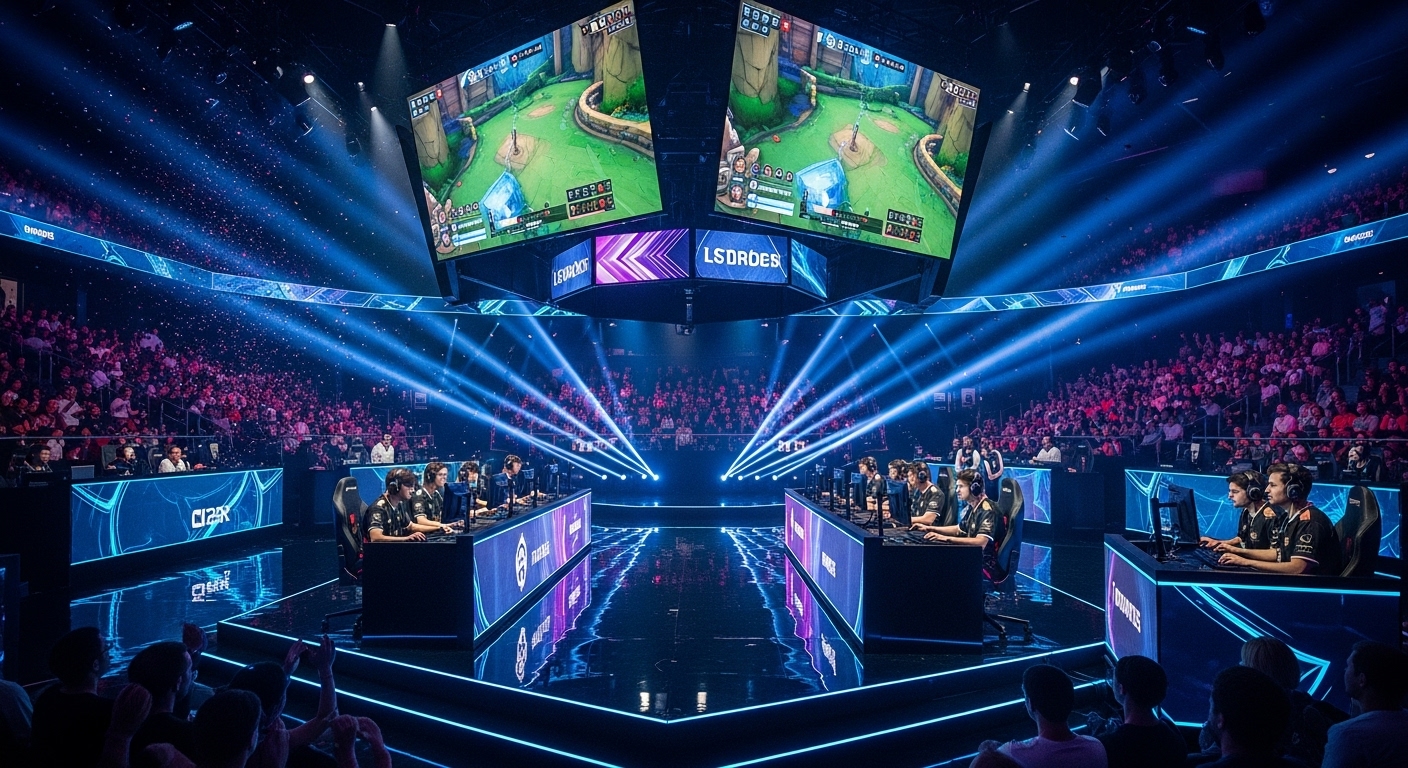
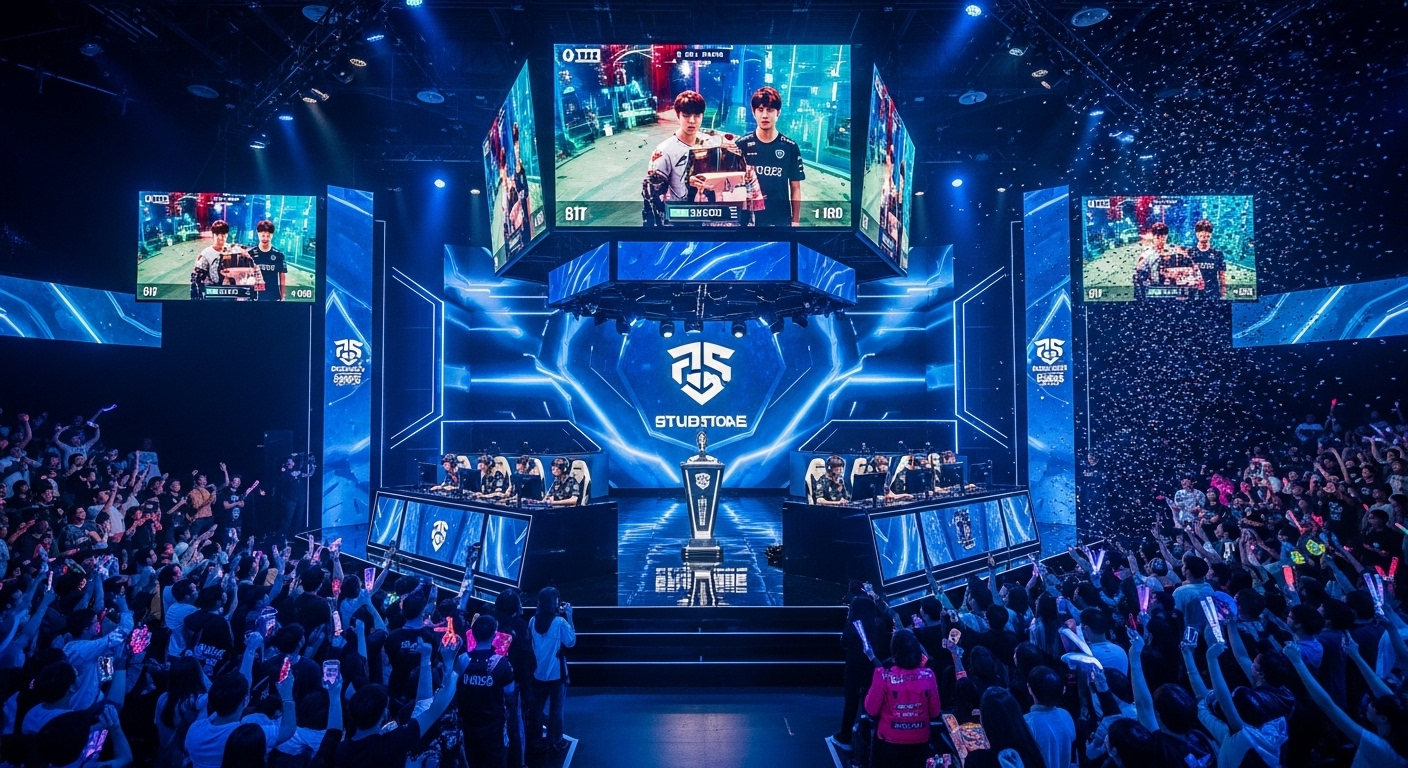
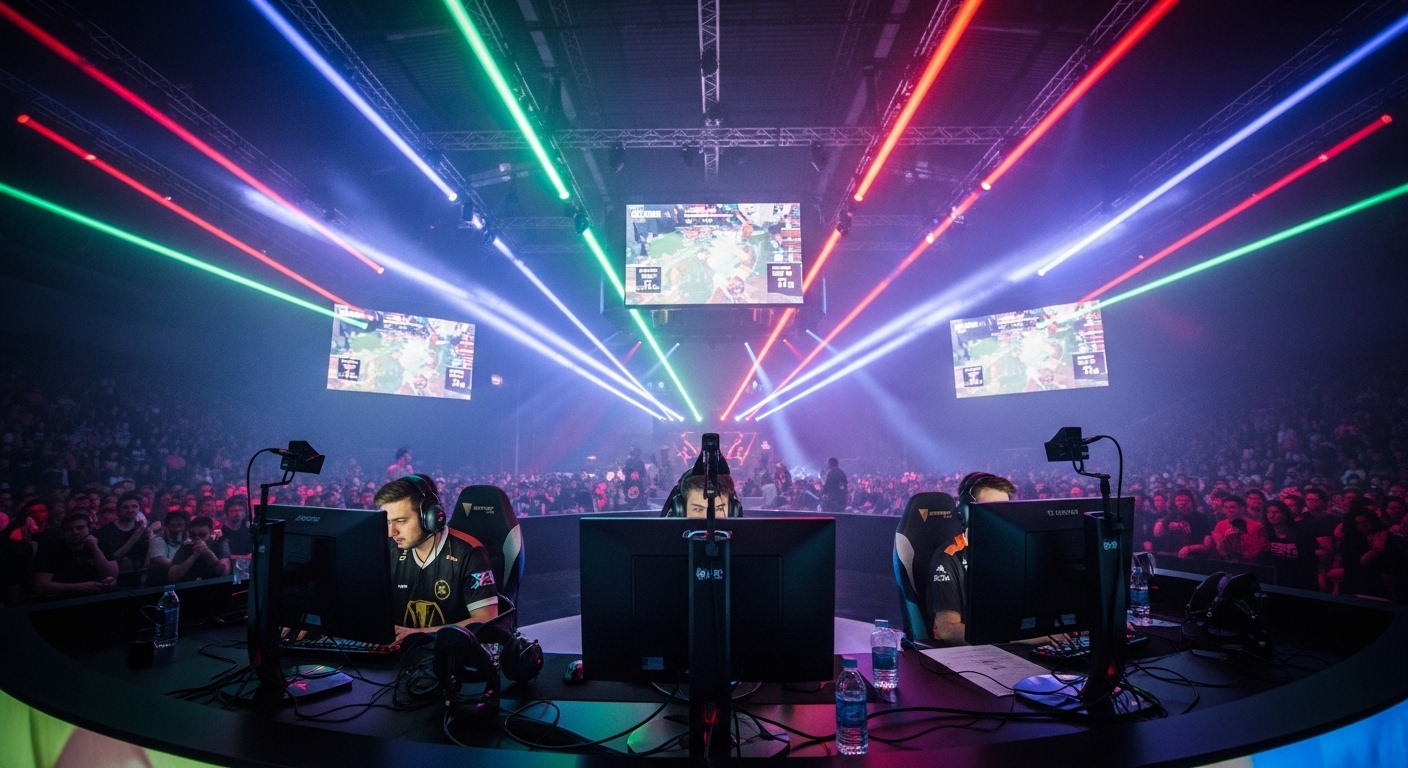
Modern Esports events fill arenas once reserved for concerts and sports championships. The League of Legends World Championship finals have been held in venues like Madison Square Garden and Beijing’s Bird’s Nest Stadium. Audiences cheer, wave team flags, and celebrate their favorite players just like in any major sporting event. Massive LED screens, professional commentators, and high-end production create a thrilling live experience.
The Economics of Esports
The Esports industry has grown into a billion-dollar ecosystem. Revenue streams include sponsorships, media rights, merchandise, advertising, and ticket sales. Major corporations, including automobile, beverage, and tech brands, sponsor teams and tournaments. In some regions, professional Esports players even receive government recognition and visas as athletes.
The Role of Media and Broadcasting
Traditional media outlets and sports networks now cover Esports regularly. Channels that once broadcast football or basketball matches now dedicate airtime to tournaments like CS:GO Majors and Valorant Champions. This media exposure has legitimized Esports in the eyes of the general public, bridging the gap between digital and traditional sports.
The Players: The New Age of Digital Athletes
Professional gamers are not just skilled players; they are athletes of the digital age. Their training, discipline, and mental preparation rival those of traditional sports players.
Training and Lifestyle
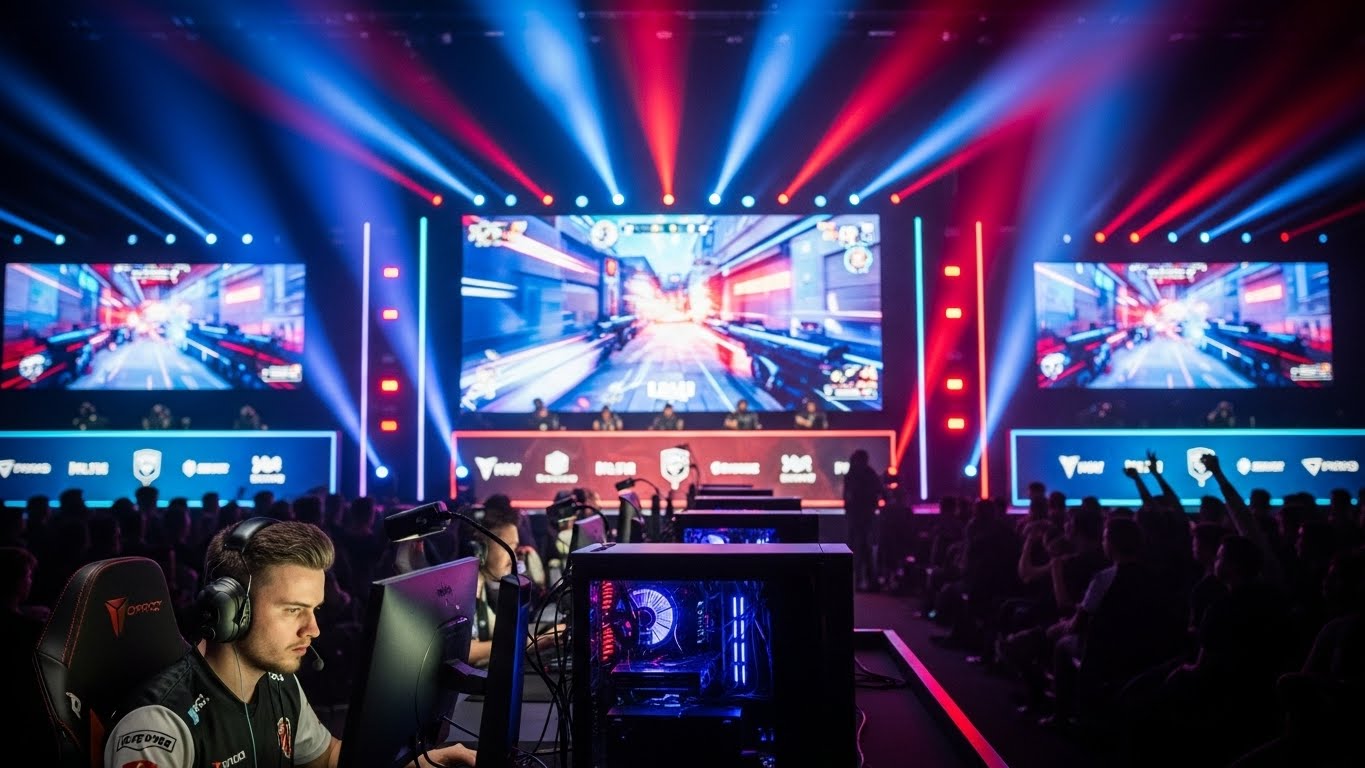
A typical professional Esports player practices for 8–12 hours a day. Teams often live in training houses or facilities where they practice strategies, review gameplay footage, and work with coaches, nutritionists, and psychologists. Reaction time, hand-eye coordination, communication, and teamwork are crucial.
Mental Health and Burnout
However, the intensity of competition has also raised concerns about mental health. The pressure to perform, long hours, and online scrutiny can lead to burnout. Many organizations now focus on wellness programs to support players’ mental and emotional well-being.
From Players to Personalities
Many Esports players transition into streaming or content creation after retirement. Their established fanbases allow them to continue influencing the gaming community, shaping the culture of Esports beyond the professional stage.
The Cultural Impact of Esports
Esports has transcended gaming — it’s a cultural movement that influences fashion, music, and youth identity.
A New Generation of Fans
Younger generations identify more with digital entertainment than traditional media. For many, watching a League of Legends final is as exciting as watching the Super Bowl. Esports has become a unifying experience, connecting fans across cultures and languages through shared passion.
Crossovers with Traditional Sports
Traditional sports organizations have embraced Esports. Football clubs like FC Barcelona, Paris Saint-Germain, and Manchester City have launched Esports divisions. The NBA created the NBA 2K League, blending virtual and physical sports fandoms. This crossover has expanded Esports’ legitimacy and brought in audiences who might not have otherwise engaged with gaming.
The Rise of Esports Fashion and Branding
Players and teams have become style icons. Esports jerseys, streetwear collaborations, and gaming-themed fashion lines have blurred the boundaries between sports apparel and urban culture. Esports events often feature musical performances, celebrity appearances, and collaborations that mirror major entertainment festivals.
Challenges Facing the Esports Industry
Despite its explosive growth, Esports faces significant challenges that must be addressed for sustainable development.
Player Welfare and Regulation
Unlike traditional sports, Esports lacks a global regulatory body. This creates inconsistencies in player contracts, prize distribution, and labor rights. Some players face exploitation or unfair conditions. Establishing stronger regulations and standardized contracts will be crucial for the industry’s maturity.
Cheating and Integrity Issues
Esports is vulnerable to cheating, hacking, and match-fixing. With significant money at stake, maintaining fair play and integrity is an ongoing challenge. Tournament organizers invest heavily in anti-cheat software and monitoring, but scandals occasionally surface.
Representation and Diversity
Another major issue is diversity. While the gaming community is vast and inclusive, professional Esports still struggles with gender and cultural representation. Efforts to encourage women and underrepresented groups in competitive gaming are growing but still face societal and structural barriers.
Sustainability and Career Longevity
Esports careers are often short-lived. The intense competition and rapid evolution of games can make it difficult for players to sustain long careers. Developing educational programs and career transition paths for retired players is increasingly important.
The Future of Esports: What Lies Ahead
The next decade promises even greater transformation. Esports is expected to continue merging with emerging technologies and expanding into new frontiers.
Integration with Emerging Technologies
Virtual reality (VR) and augmented reality (AR) have the potential to redefine how Esports are played and experienced. Imagine spectators immersing themselves directly into the game environment or interacting with players in real-time through holographic projections.
Artificial intelligence (AI) is also shaping Esports analytics, providing teams with advanced tools to analyze strategies, player behavior, and opponent weaknesses. Machine learning algorithms can predict outcomes, assist in coaching, and optimize performance.
Education and Academic Growth
Universities around the world are establishing Esports programs, not just for players but for careers in event management, broadcasting, marketing, and game design. This academic integration will professionalize the industry even further.
Esports in the Olympics?
A long-debated question is whether Esports should be part of the Olympic Games. While the International Olympic Committee has acknowledged the potential of Esports, concerns about violent content and standardization remain. Nonetheless, the inclusion of competitive gaming in events like the Asian Games signals growing acceptance of Esports as a legitimate sporting discipline.
Conclusion: The Game Has Only Just Begun
The journey of Esports from obscure tournaments to global spectacles mirrors the evolution of digital culture itself. What started as friendly battles among friends has become a global celebration of skill, technology, and creativity. Esports has broken boundaries — between countries, generations, and even definitions of sport.
As technology continues to advance and new generations of gamers rise, Esports will only grow more influential. It represents the fusion of competition and innovation, showing that human passion for excellence can thrive in both physical and virtual arenas. Whether you’re a player, a fan, or an observer, one thing is certain: Esports isn’t the future — it’s the now.