




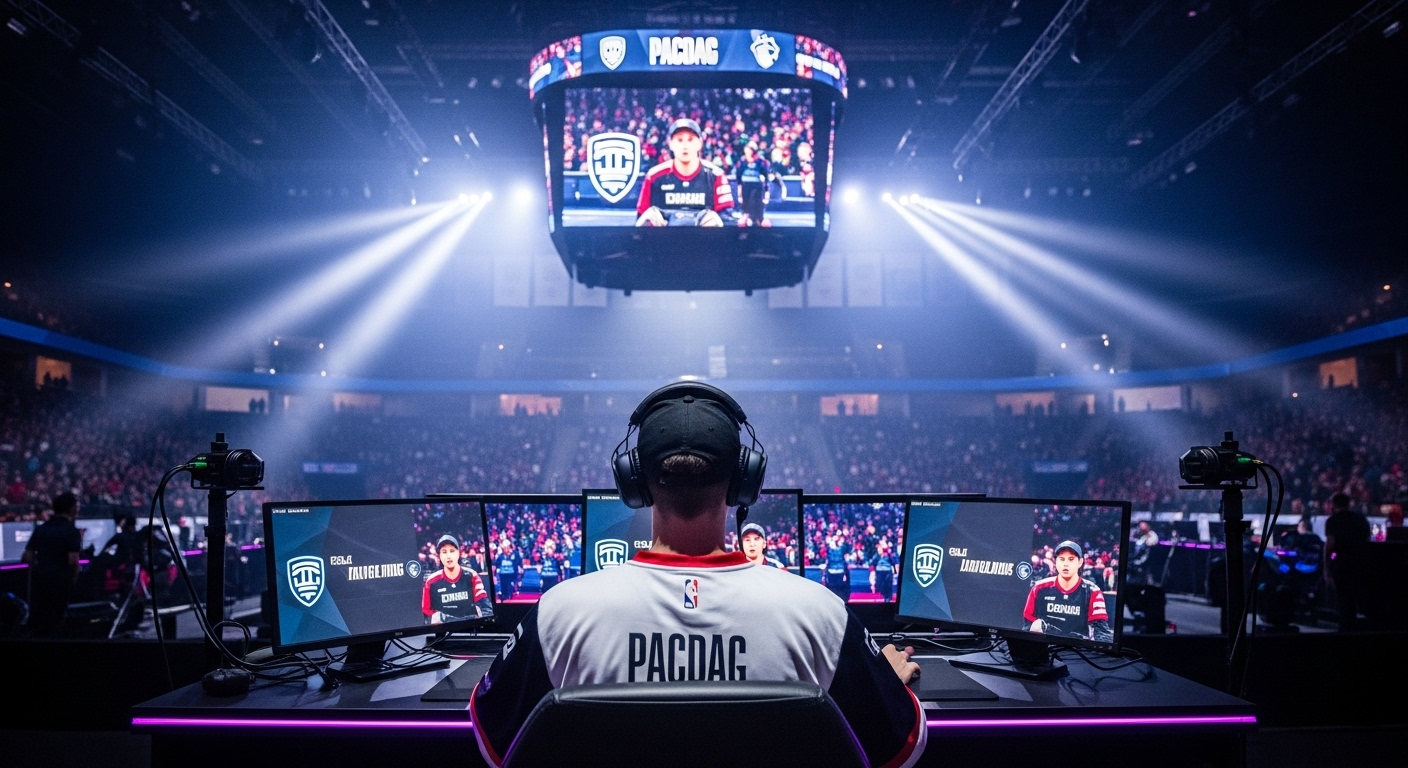
Esports, a term that once referred to niche gaming tournaments, has exploded into a multi-billion-dollar industry. What began as small-scale competitions between amateur players has evolved into a global spectacle, drawing millions of viewers, professional teams, and sponsorship deals from some of the biggest names in business. In this blog post, we’ll explore the rapid growth of esports, the factors driving its success, and what the future holds for this digital revolution.
The Evolution of Competitive Gaming
The origins of esports can be traced back to the early days of multiplayer video games. Titles like Quake and StarCraft laid the groundwork for competitive gaming in the late 1990s and early 2000s. At the time, tournaments were modest events, often held in local arenas with limited coverage. However, as the internet began to connect players across the globe, the concept of competitive gaming expanded.
The real turning point for esports came with the rise of streaming platforms like Twitch. In 2011, Twitch revolutionized how people consumed gaming content. Instead of just playing games, players could now broadcast their gameplay to a global audience in real-time. This accessibility attracted not only casual gamers but also viewers who tuned in to watch professional players compete at the highest level.
The Global Growth of Esports
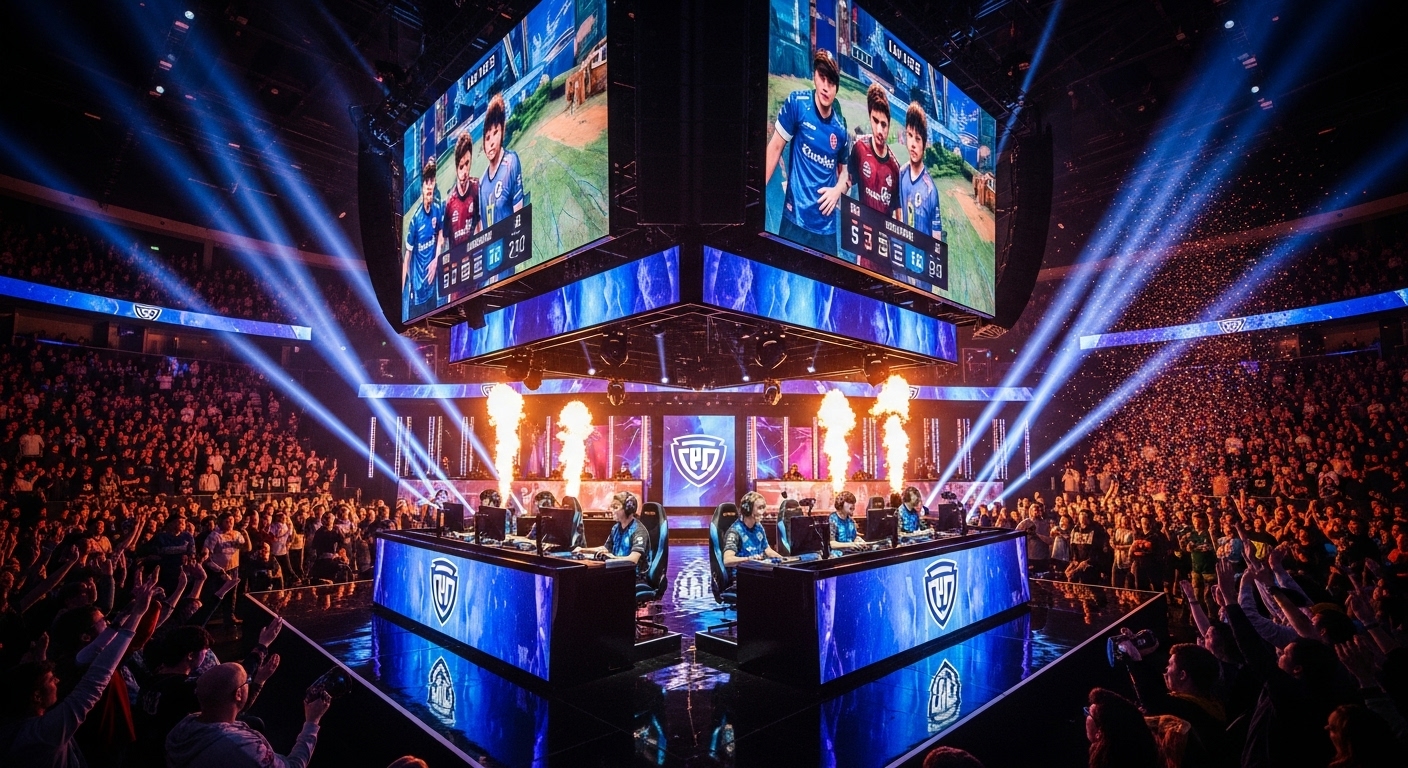
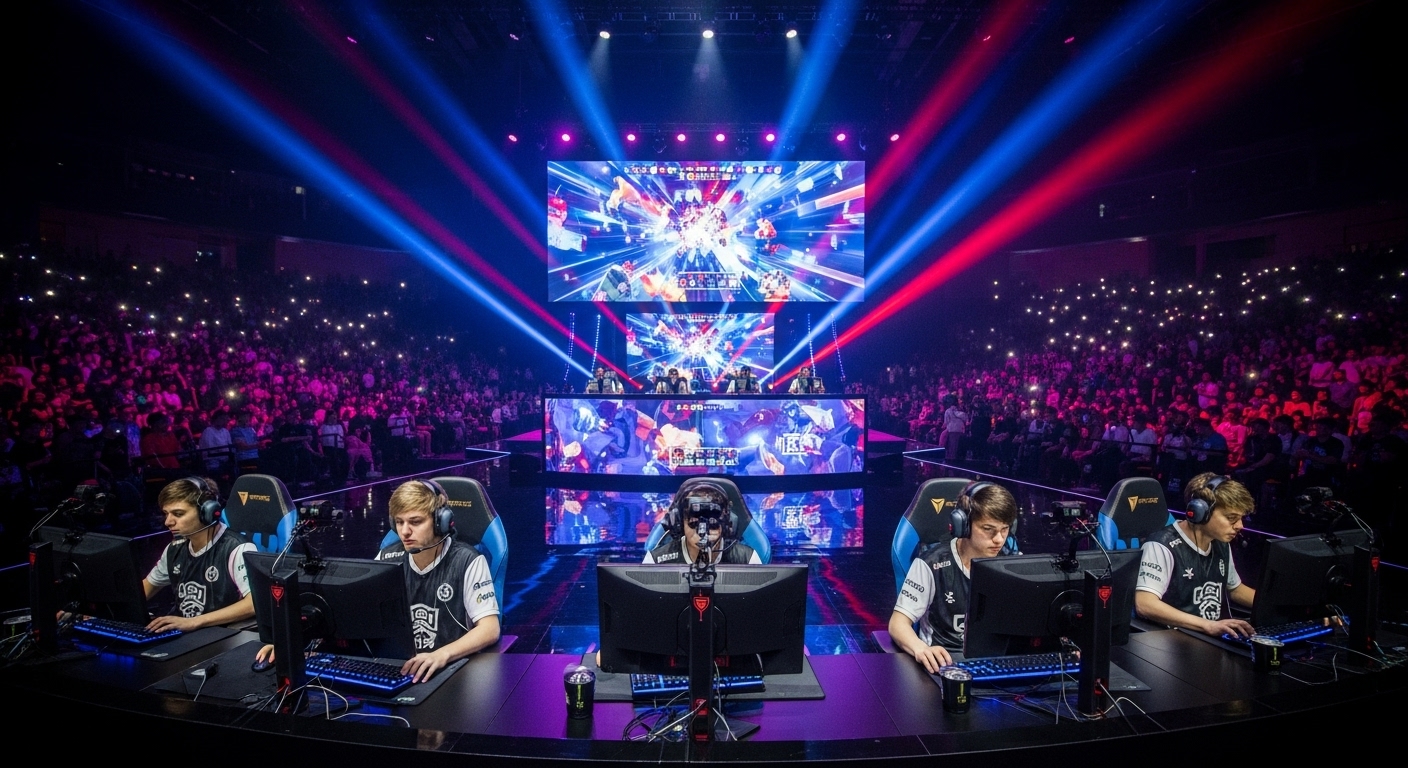
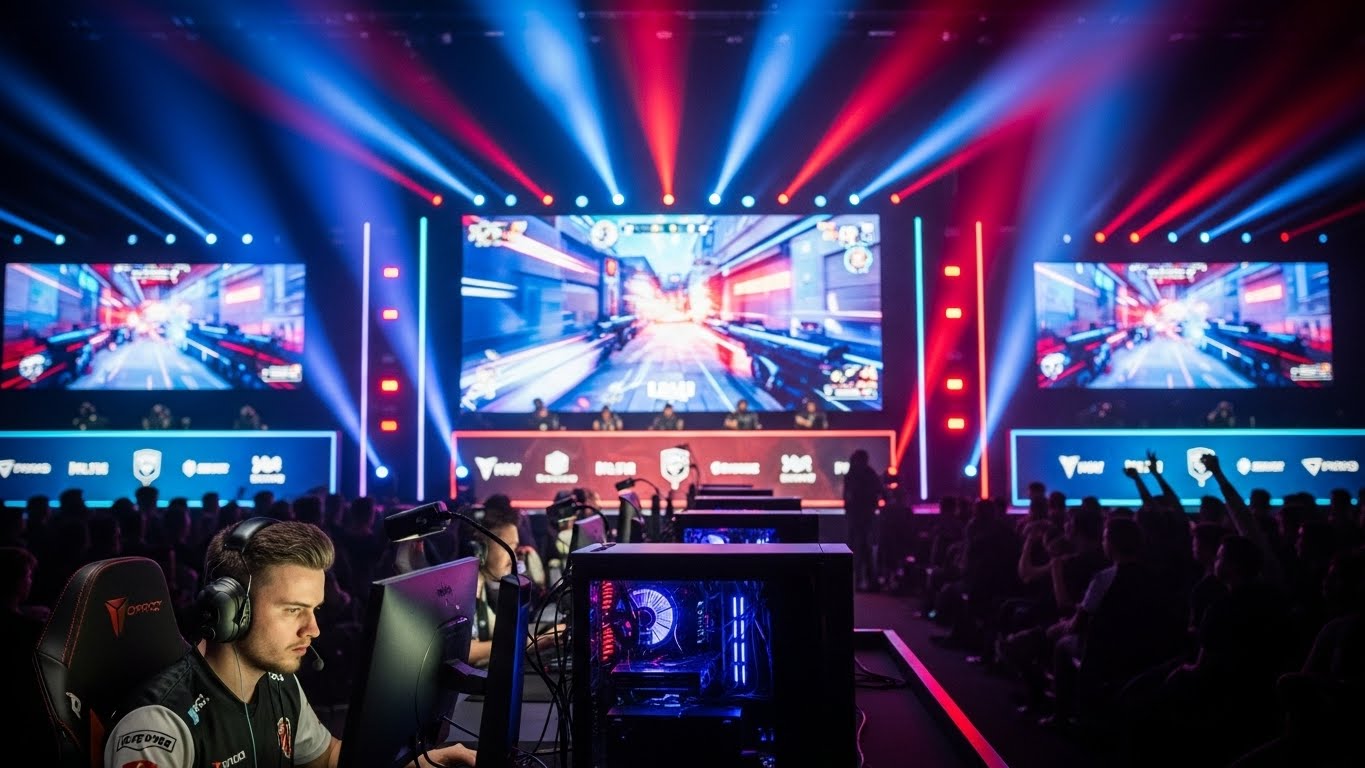
Esports has grown into a global phenomenon, with competitive gaming being enjoyed by millions of people worldwide. Major events, such as The International for Dota 2 or the League of Legends World Championship, draw huge crowds to arenas and attract millions of online viewers. Esports is no longer just for enthusiasts—it has entered the mainstream, with traditional media outlets and sports organizations recognizing its cultural significance.
One of the reasons for esports’ rise is its accessibility. Unlike traditional sports, which require physical infrastructure and equipment, all you need for esports is a computer or a console. This means players from across the globe, regardless of location or economic background, can participate in competitive gaming.
Professional Leagues and The Esports Economy
As esports has matured, professional leagues have become a central component of the ecosystem. These leagues function much like traditional sports leagues, with organized teams, sponsors, coaches, and broadcast rights. Titles like Overwatch, Counter-Strike: Global Offensive, and Fortnite have become household names, attracting teams and investors from all over the world.
The economic impact of esports is immense. Sponsorships from major brands such as Coca-Cola, Intel, and Mercedes-Benz have helped fuel the growth of esports leagues and tournaments. The total value of the esports industry is estimated to surpass $1.6 billion by 2026, driven by not just sponsorships but also advertising, merchandise sales, and media rights.
The salaries of professional esports players can rival those of athletes in traditional sports. Top-tier players in games like League of Legends or Dota 2 can earn substantial sums from tournament winnings, sponsorships, and streaming revenue. Additionally, many esports organizations are now investing in player development, hiring coaches, analysts, and psychologists to improve the overall performance and well-being of their teams.
The Role of Streaming and Content Creation
One of the driving forces behind esports’ rise is the role of content creators and streamers. Platforms like Twitch, YouTube Gaming, and Facebook Gaming have enabled gamers to build massive followings. Popular streamers such as Ninja and Shroud have millions of followers, not just from their gameplay, but from their personalities and interactions with fans. For many viewers, watching someone like Pokimane or Aphromoo play a game is as exciting as watching a professional sports match.
Content creation in esports goes beyond just playing games. Streamers and professional players often engage with their communities through live Q&A sessions, behind-the-scenes content, and sponsorship deals. This level of interaction has helped foster a sense of connection between players and fans, making esports more accessible and inclusive.
The Impact of Esports on Traditional Sports
In recent years, traditional sports organizations have started recognizing the potential of esports. Former professional athletes have invested in esports teams, and some leagues have even launched their own esports divisions. For example, NBA 2K has its own esports league, the NBA 2K League, and Formula 1 has ventured into the world of esports with its F1 Esports Series.
This intersection of esports and traditional sports is significant for several reasons. It validates esports as a legitimate form of competition, and it highlights the growing interest in digital sports among younger audiences. In a world where millennials and Gen Z are spending more time online than ever before, esports represents an avenue for traditional sports to connect with a new generation of fans.
The Social and Cultural Impact of Esports
Esports has become more than just a form of entertainment; it’s a social and cultural movement. Fans gather to watch live tournaments, often celebrating their favorite teams or players in much the same way sports fans cheer for their local or national teams. Esports has cultivated its own culture, with players, teams, and fans creating their own languages, memes, and rituals.
Moreover, esports has also broken down barriers. It provides an opportunity for players from different backgrounds, genders, and countries to come together in a shared digital space. Esports communities are often diverse, and the online nature of the games means that players are judged based on skill and teamwork rather than physical attributes.
The Future of Esports
The future of esports is incredibly bright. As the industry continues to grow, we can expect to see more mainstream integration, larger tournaments, and even more professional opportunities for players and teams. One key area of development is the role of mobile gaming in esports. Games like PUBG Mobile and Free Fire have already made significant strides in bringing esports to mobile devices, and this trend is expected to continue, particularly in emerging markets where smartphones are more accessible than high-end gaming PCs.
Furthermore, advancements in virtual reality (VR) and augmented reality (AR) technology could change the way we experience esports. Imagine watching a match in a virtual arena where you feel as though you’re sitting in the stands or even inside the game itself. This could bring a whole new level of immersion and interactivity to the esports experience.
Another promising development is the growing integration of esports in education. Colleges and universities are increasingly offering esports scholarships, and some are even building dedicated esports arenas on their campuses. This shift signifies that esports is not only a form of entertainment but also a legitimate career path, with opportunities in areas like broadcasting, coaching, event management, and game design.
Conclusion
Esports is no longer just a hobby; it’s a global industry that has changed the landscape of entertainment and competition. From its humble beginnings as a niche interest, esports has become a dominant force in the world of sports and media. With its rapidly growing fan base, lucrative sponsorships, and exciting developments on the horizon, esports is well-positioned to continue its upward trajectory.
For those who haven’t yet fully embraced the world of esports, now is the time. Whether as a player, a fan, or even an aspiring content creator, there’s a place for everyone in this fast-paced, ever-evolving industry. As esports continues to break barriers and redefine what it means to be an athlete, there’s no telling just how far it can go.