




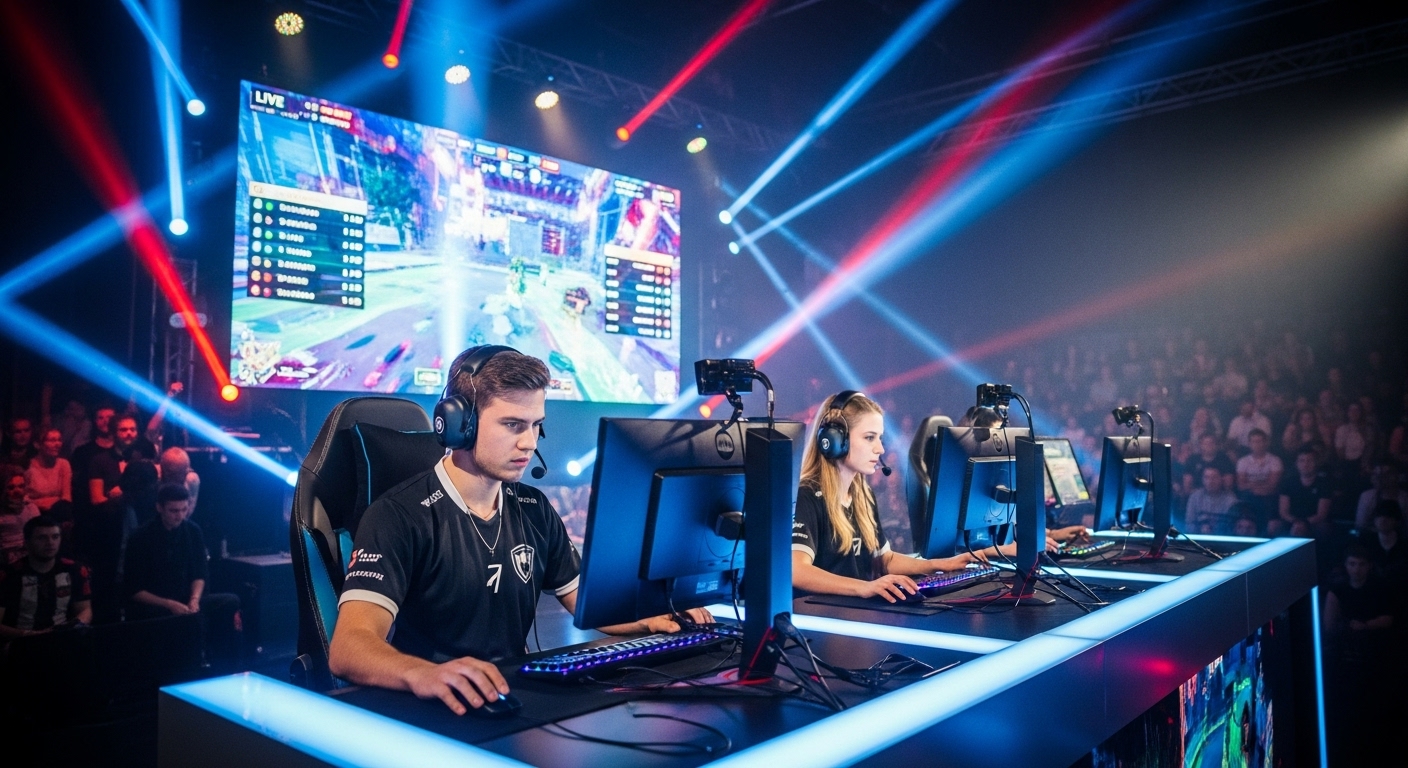
Esports, or electronic sports, have become one of the most explosive and influential cultural revolutions of the 21st century. What began as small gaming tournaments in the early 2000s has transformed into a billion-dollar global industry, captivating millions of fans, athletes, sponsors, and investors worldwide. The growth of Esports tells a story not only about gaming but also about technology, globalization, and the evolution of entertainment itself.
1. Understanding Esports: More Than Just Gaming
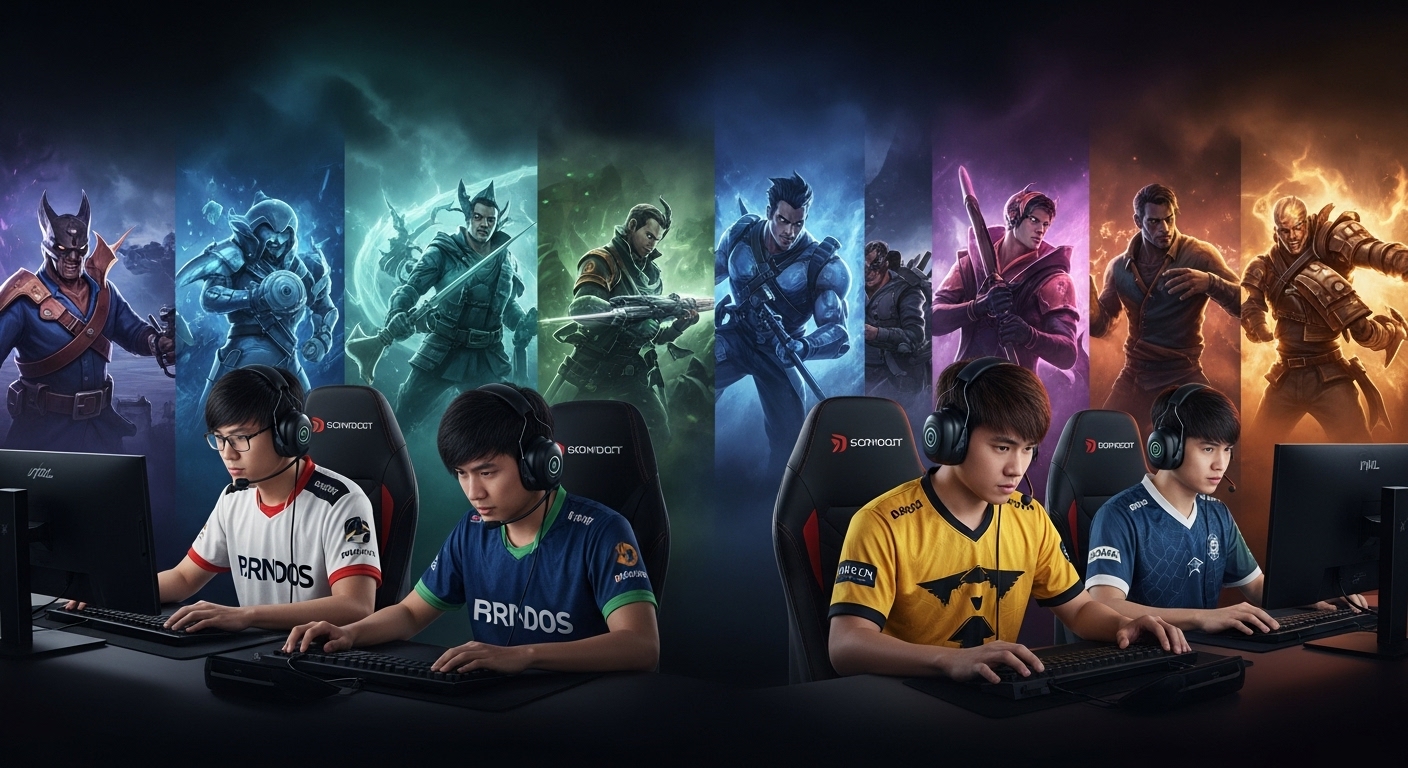
Esports refers to organized competitive gaming events where professional players compete individually or in teams across various video games. These competitions can range from local tournaments to massive international championships filling entire stadiums. Games like League of Legends, Counter-Strike, Dota 2, Valorant, Fortnite, and Call of Duty have become staples of Esports culture.
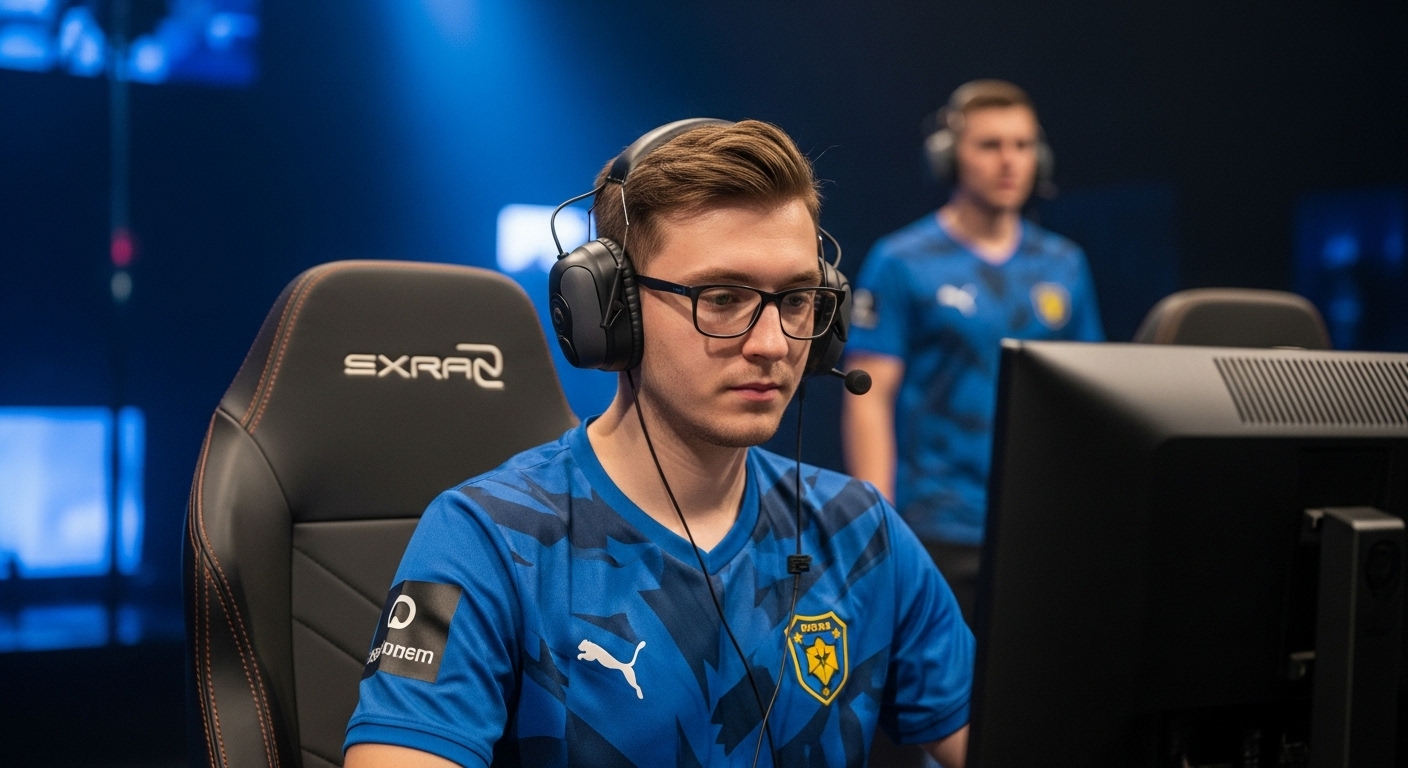
The key difference between casual gaming and Esports lies in the structure and professionalism. Esports players undergo rigorous training, follow strict schedules, analyze their performance with coaches, and compete under sponsorship contracts—mirroring the lifestyle of traditional athletes.
In today’s digital age, Esports bridges the gap between virtual and real competition, blending entertainment, technology, and athleticism in ways that redefine modern sports.
2. The Early Days: From LAN Parties to Online Leagues
The roots of Esports stretch back to the 1970s and 80s, when early video game competitions began appearing on arcade machines. One of the first recorded Esports events was the 1980 Space Invaders Championship, which attracted over 10,000 participants in the United States. However, Esports as we know it today began taking shape in the late 1990s and early 2000s with the rise of the internet.
LAN (Local Area Network) parties became the birthplace of many early tournaments. Games like Quake, StarCraft, and Counter-Strike 1.6 built passionate competitive communities. South Korea was especially instrumental in turning gaming into a professional pursuit. With dedicated Esports TV channels and government support, South Korea became the world’s first Esports powerhouse, inspiring the rest of the globe to follow.
By the mid-2000s, global competitions such as the World Cyber Games (WCG) and Major League Gaming (MLG) began organizing professional events, laying the foundation for the thriving Esports ecosystem we see today.
3. The Golden Era of Competitive Gaming
The 2010s marked the golden age of Esports. With the rise of high-speed internet, live streaming platforms like Twitch and YouTube Gaming, and powerful gaming hardware, Esports exploded in popularity. Titles such as League of Legends, Dota 2, and Counter-Strike: Global Offensive became synonymous with professional gaming culture.
In 2011, the Dota 2 International offered a groundbreaking $1 million prize pool, a figure that shocked the industry. By 2019, the same tournament had grown to over $34 million in total prizes, funded by community contributions through in-game purchases. Similarly, League of Legends World Championships began drawing millions of live viewers across the world, comparable to traditional sports events.
This era also witnessed the formation of gaming franchises and professional leagues. Riot Games launched the League Championship Series (LCS), Blizzard introduced the Overwatch League, and Activision pushed competitive Call of Duty to mainstream audiences. Esports was no longer a side hobby—it had become a legitimate career path and entertainment industry.
4. The Role of Streaming Platforms
Streaming platforms revolutionized how Esports was consumed and monetized. Before streaming, fans had limited ways to watch their favorite players outside of live events. Twitch, launched in 2011, changed everything. It allowed anyone to broadcast gameplay live, turning gaming into an interactive spectator sport.
Esports athletes became celebrities, building personal brands that rival traditional sports stars. Streaming created direct relationships between players and fans, fueling loyalty and engagement. Viewers could donate, subscribe, and chat in real time, creating a dynamic ecosystem of entertainment.
YouTube Gaming and Facebook Gaming soon joined the competition, providing alternative avenues for content creators. This digital ecosystem not only fueled Esports’ popularity but also attracted major sponsors, advertising deals, and non-endemic brands entering the space for the first time.
5. The Economics of Esports
Esports is more than passion; it’s business. The industry generates billions of dollars annually through sponsorships, media rights, advertising, merchandise, ticket sales, and in-game purchases. Major companies like Intel, Red Bull, Coca-Cola, and Mercedes-Benz have invested heavily in Esports partnerships, recognizing its vast youth audience.
Prize pools have skyrocketed, but the real money lies in brand deals, broadcasting rights, and content creation. Organizations such as FaZe Clan, Team Liquid, Cloud9, and T1 have built vast ecosystems of players, content creators, and media ventures. These teams function much like sports franchises, with management teams, marketing departments, and dedicated fanbases.
However, Esports still faces challenges in establishing consistent profitability. While audience numbers rival traditional sports, monetization models are still developing. Many organizations rely heavily on sponsorships, while long-term sustainability will depend on balancing revenue between team operations, player welfare, and fan engagement.
6. The Rise of Esports Athletes
Professional gamers are now recognized as true athletes. Their training involves not just gaming but also physical fitness, diet management, and mental health care. Reaction speed, hand-eye coordination, and strategic thinking are critical to success. Top players spend 8–12 hours daily honing their skills, reviewing match footage, and collaborating with coaches.
Esports has even led to the creation of specialized training facilities and gaming houses, where teams live, train, and compete together. Universities worldwide now offer Esports scholarships, treating gaming talent with the same seriousness as traditional athletic ability.
Legends like Faker (League of Legends), s1mple (Counter-Strike), and N0tail (Dota 2) have achieved superstar status. Their influence extends beyond gaming, inspiring younger generations to pursue Esports professionally.
7. The Spectator Experience
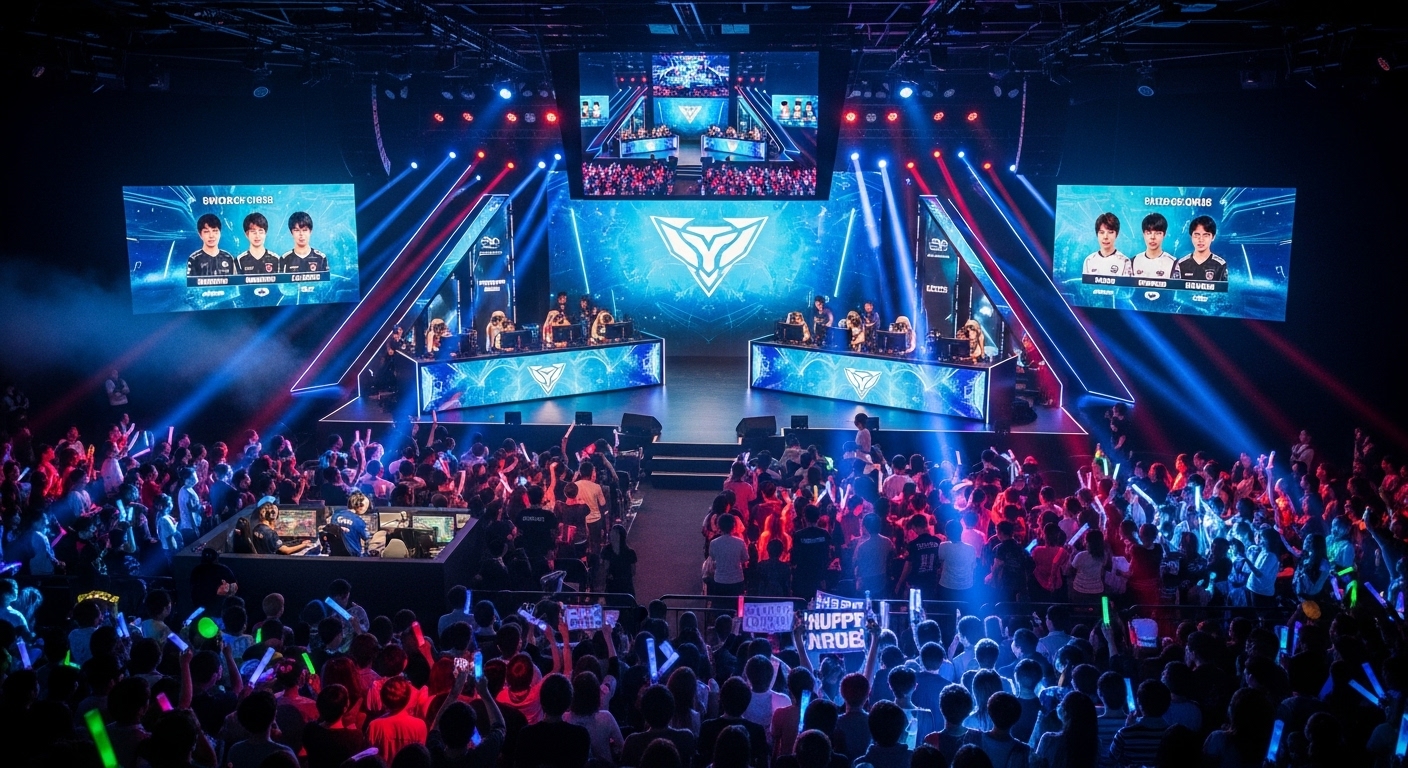
One of the most exciting elements of Esports is the spectator experience. Esports events combine the thrill of live sports with the creativity of gaming. The atmosphere at tournaments like The International, EVO Championship Series, and League of Legends Worlds is electric. Audiences cheer, chant, and wave team banners, turning gaming into a global celebration.
The production quality of these events rivals major sporting championships. Advanced AR and VR technologies are used to enhance broadcasts, creating immersive experiences. Commentators, known as “casters,” bring charisma and storytelling flair to matches, elevating Esports from simple gameplay to captivating narratives.
8. Esports and Traditional Sports: A New Rivalry
As Esports grew, comparisons with traditional sports became inevitable. While physicality differs, the mental endurance, teamwork, and dedication are strikingly similar. Esports tournaments often attract more viewers than some professional sports events.
Traditional sports franchises have taken notice. The NBA launched its official NBA 2K League, and football clubs like Manchester City, PSG, and FC Barcelona have Esports divisions representing their brand in virtual arenas. Even the International Olympic Committee has begun exploring Esports integration into future Olympic events, signaling a massive cultural shift in how society perceives digital competition.
9. Diversity and Inclusion in Esports
Despite its progress, Esports faces ongoing challenges related to diversity and inclusion. The gaming community has historically been male-dominated, but growing awareness has opened the door for female gamers and marginalized groups. Women like Sasha “Scarlett” Hostyn and Geguri have shattered stereotypes by excelling in male-dominated scenes.
Organizations and initiatives promoting diversity, such as Women in Games and AnyKey, work to create safer and more inclusive spaces. Additionally, accessibility technology now allows differently-abled players to compete, demonstrating that gaming can be one of the most inclusive sports in the world.
10. Esports Education and Career Opportunities
The rise of Esports has created a new generation of career paths beyond playing professionally. Aspiring individuals can work as shoutcasters, analysts, event organizers, game designers, marketing specialists, and content creators. Universities now offer specialized Esports programs focusing on business, psychology, media production, and management.
Countries like South Korea, the United States, and China lead in integrating Esports education, recognizing its role in the modern digital economy. The professionalization of Esports ensures that the industry continues to grow sustainably while offering opportunities for both players and support staff.
11. Challenges Facing Esports
While the growth of Esports is remarkable, the industry is not without obstacles. Player burnout, lack of standardized regulations, and inconsistent pay structures are ongoing concerns. The average career span of a professional gamer is often shorter than that of traditional athletes due to physical and mental fatigue.
Another major issue is competitive integrity. Match-fixing, cheating, and doping scandals occasionally surface, damaging the industry’s reputation. To combat these issues, organizations such as the Esports Integrity Commission (ESIC) are working to standardize rules and enforce ethical practices across all leagues.
Sustainability is another pressing topic. The Esports ecosystem heavily depends on sponsorship revenue. Developing a self-sustaining model through ticket sales, merchandise, and media rights remains a long-term goal for many organizations.
12. The Future of Esports: Beyond the Screen
The future of Esports looks brighter than ever. With technological innovations like virtual reality, augmented reality, and cloud gaming, Esports will continue to evolve beyond traditional screens. The integration of artificial intelligence in training analysis and strategy formulation is already reshaping how teams prepare for tournaments.
Moreover, the metaverse promises to redefine the Esports experience entirely. Fans may soon watch games as avatars inside virtual arenas, interact with players in real time, and participate in digital fan zones. The blending of gaming, blockchain, and social media will create entirely new entertainment ecosystems.
Governments are also beginning to recognize Esports’ cultural and economic potential. Countries like China and the United Arab Emirates are investing heavily in Esports infrastructure, hosting international tournaments to attract tourism and global attention.
13. The Psychological and Social Impact of Esports
Esports also has profound social and psychological effects. It fosters community, teamwork, and problem-solving skills. Players learn to handle pressure, develop leadership qualities, and think strategically. However, the intense competition and exposure can also lead to stress, anxiety, and burnout.
The conversation around mental health in Esports is gaining traction. Organizations now employ psychologists and wellness coaches to support players’ emotional well-being. The recognition that Esports athletes face similar mental challenges as traditional sports players has encouraged the industry to prioritize player care and mental balance.
14. Esports and the Global Youth Culture
For Gen Z and younger millennials, Esports isn’t just a form of entertainment—it’s part of their identity. Esports influences fashion, music, memes, and lifestyle trends. Major events feature performances by global artists, creating a fusion of pop culture and gaming.
Brands understand that Esports represents the intersection of technology, creativity, and youth engagement. The global youth audience views Esports as authentic, participatory, and accessible—values that traditional media often struggles to replicate.
15. Conclusion: The Era of Digital Competition
Esports stands as one of humanity’s most fascinating cultural evolutions—a world where passion meets technology, and skill transcends physical boundaries. From small LAN gatherings to international stadiums, Esports has become a symbol of digital unity. It connects millions across continents, languages, and generations through a shared love for gaming and competition.
As Esports continues to mature, it will shape not only the future of sports but also the future of entertainment, education, and culture. The digital athletes of today are paving the way for a new era—one where the game never ends, and the world is the arena.