




Introduction: The Digital Arena That Changed Everything
Esports, once considered a niche hobby enjoyed by small groups of passionate gamers, has transformed into one of the world’s fastest-growing entertainment industries. What started as friendly competitions in living rooms and small internet cafés has evolved into a global phenomenon with professional players, massive tournaments, passionate fans, and enormous prize pools. Competitive gaming is no longer just a pastime; it is a disciplined profession, a cultural movement, and a global entertainment force. Esports has broken boundaries, redefined competition, and opened countless opportunities in the digital age, becoming a cornerstone of modern entertainment.
The Early Days of Competitive Gaming
The origins of esports can be traced back to the earliest days of video games. Simple arcade tournaments and friendly competitions laid the foundation for organized gaming events. As technology advanced and games with competitive elements became more common, players began forming communities around their favorite titles. The growth of the internet allowed gamers from around the world to challenge one another, creating a truly global environment. These early moments marked the beginning of esports, a movement that would soon expand far beyond what anyone imagined.
The Games That Defined a Generation
Esports spans a wide variety of genres, each offering unique styles of competition. Real-time strategy games tested decision-making and multi-tasking. First-person shooters demanded precision, quick reflexes, and teamwork. Multiplayer online battle arenas rewarded strategy, communication, and adaptability. Sports simulation games offered familiar competitive formats with virtual twists. Each of these game types contributed to the rise of esports, attracting players with diverse strengths and interests. As more gamers embraced competition, developers began designing games specifically for esports, ensuring balance, fairness, and spectator enjoyment.
The Rise of Professional Players
With growing popularity came the professionalization of esports. Players who demonstrated exceptional skill and commitment found opportunities to join teams, sign contracts, and train full-time. The life of a professional gamer requires dedication, discipline, and countless hours of practice. These athletes analyze gameplay, study opponents, and refine strategies much like professionals in traditional sports. Their commitment has elevated the level of competition, creating thrilling matches and unforgettable moments that fans around the world celebrate.
Training, Strategy, and the Esports Mindset
Behind every successful esports player is a rigorous training routine. Reflex drills, communication exercises, team scrims, and replay analysis are part of the daily grind. Players must learn to control emotions, manage stress, and remain focused under pressure. Mental strength is as important as mechanical skill. Strategic planning plays a huge role as teams develop playbooks, study opponents’ tendencies, and adjust tactics from match to match. The combination of skill, discipline, and strategy makes esports a complex and demanding pursuit.
The Evolution of Esports Events
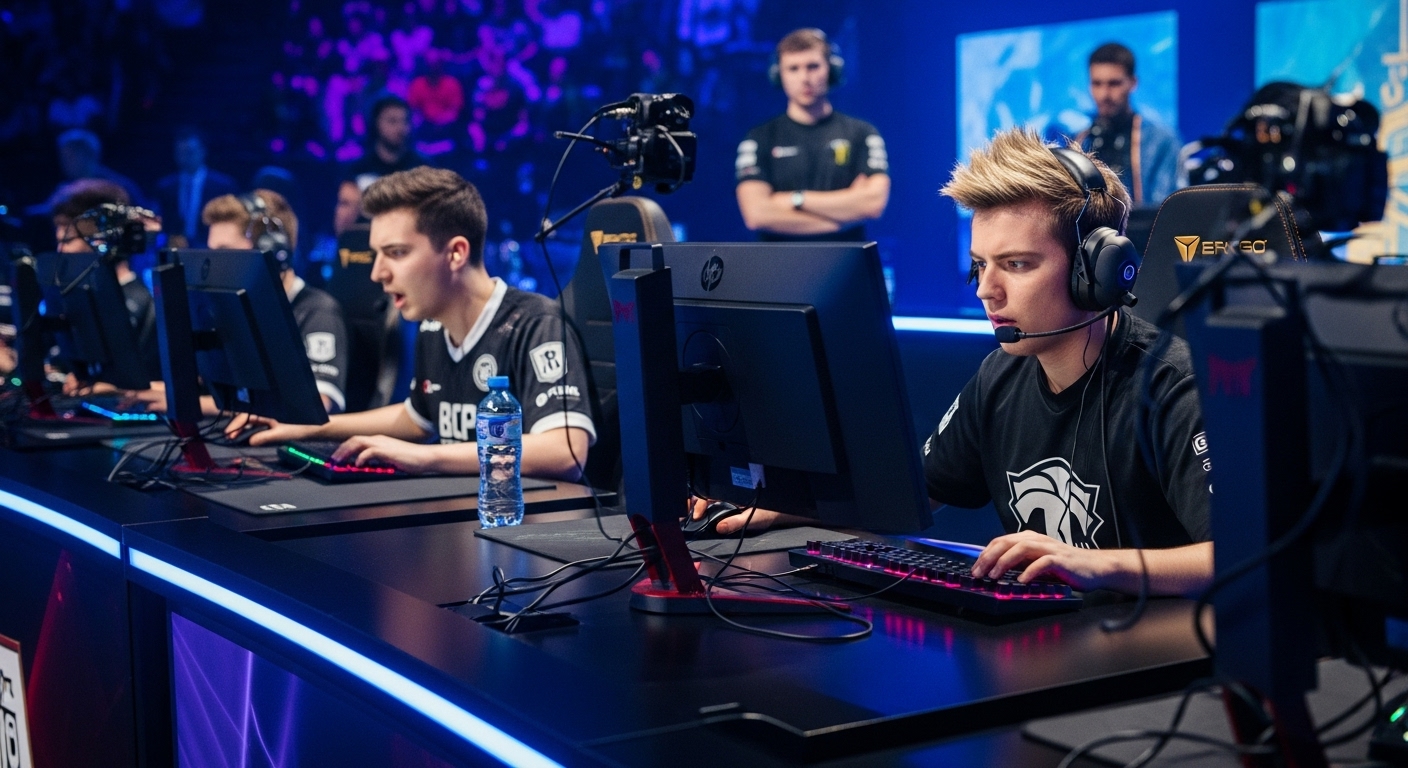
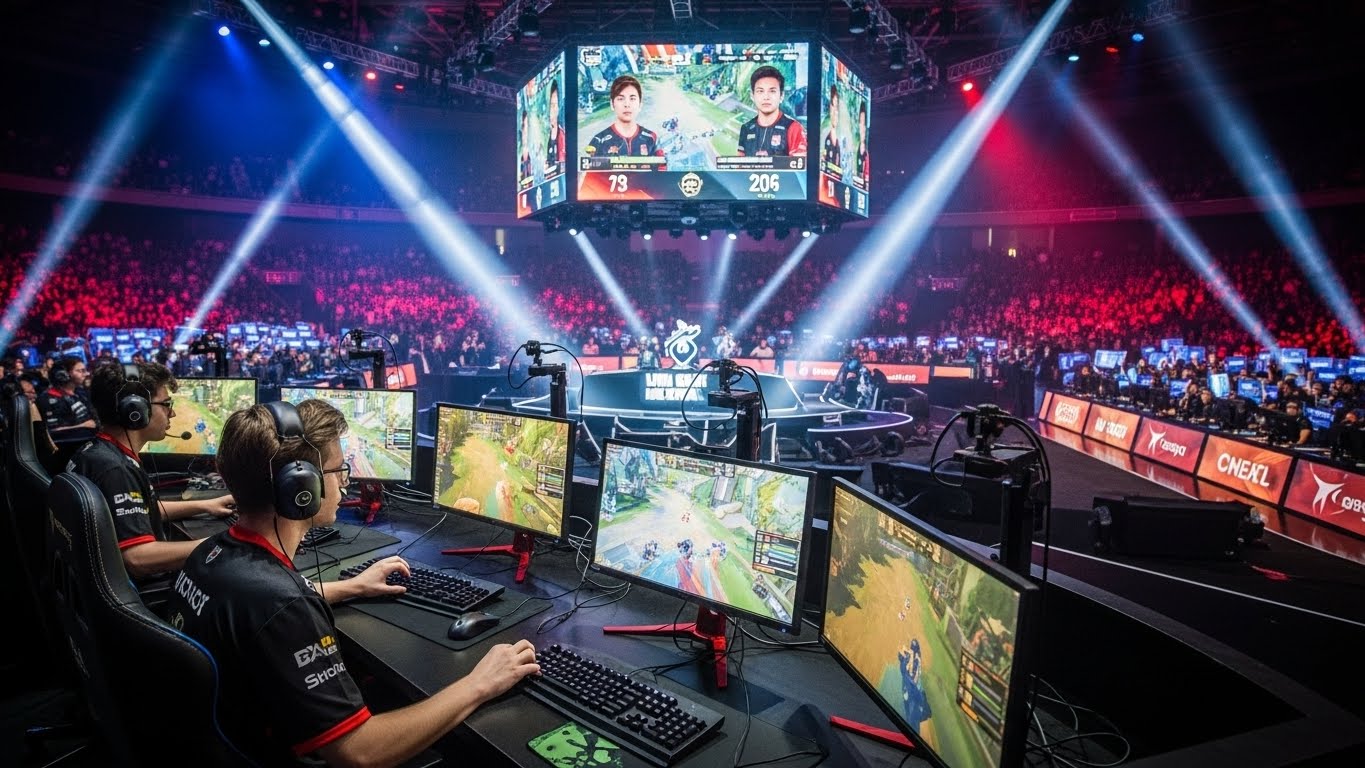
Esports competitions have grown far beyond local tournaments. Today’s major events draw massive audiences both online and in large venues filled with cheering fans. High-production stages, professional commentators, and exciting light displays create an atmosphere similar to traditional sports events. Teams walk onto stages with confidence, fans wave signs and banners, and matches become unforgettable spectacles. These events bring communities together, celebrating competitive gaming as both sport and entertainment.
Streaming and the Power of Digital Viewership
Streaming platforms revolutionized esports by giving players and fans a direct way to connect. Live broadcasts allow millions of people to watch tournaments, while streamers offer personal insights, tutorials, and entertainment. Viewers can engage in real time, cheering for favorite players, discussing strategies, and participating in digital fan communities. Streaming also opened new career paths, allowing gamers to build personal brands and earn income through content creation. This digital engagement has cemented esports as a major part of online culture.
Team Organizations and Esports Management
Esports teams function similarly to traditional sports organizations. They have coaching staff, analysts, managers, and support personnel who ensure players perform at their best. Sponsors and investors play a key role in supporting teams with training facilities, equipment, and financial backing. Professional organizations also focus on player wellness, mental health, and long-term career development. This structured environment allows players to focus on competition while teams build strong identities and loyal fan bases.
The Economic Impact of Esports
Esports has become a significant economic engine across industries. Prize pools continue to grow, drawing interest from both players and investors. Merchandise sales, sponsorships, advertising, media rights, and player endorsements contribute to an ever-expanding ecosystem. Local and global businesses benefit from esports events, generating opportunities for marketing, tourism, and technological advancement. The economic footprint of esports proves that competitive gaming is more than entertainment—it is a thriving and influential industry.
Esports in Education and Youth Development
The integration of esports into educational institutions has grown rapidly. Schools and universities now offer esports clubs, teams, and even scholarships. Students learn teamwork, strategy, critical thinking, and communication through structured competition. Esports encourages digital literacy and provides opportunities for careers in technology, media, and game development. For many young players, school esports programs offer a sense of belonging, motivation, and personal growth, proving that competitive gaming can be an empowering educational tool.
Esports and Mental Health Awareness
As esports grows, mental health has become a major focus. Competitive gaming demands long hours of practice, high pressure, and intense concentration, which can impact emotional well-being. Organizations now provide mental health support, wellness programs, and balanced training routines to ensure players maintain healthy lifestyles. Encouraging rest, exercise, and mental resilience has become essential in helping players perform their best while avoiding burnout. This emphasis on wellness reflects the growing maturity of the esports industry.
Women in Esports
Women have played an increasingly visible and important role in esports. Female players, streamers, analysts, and commentators are breaking barriers and inspiring future generations. Although challenges remain, the presence of women in esports continues to grow, bringing diversity, new perspectives, and fresh talent to the industry. Female-focused competitions, inclusive communities, and supportive organizations have created opportunities for women to thrive in competitive gaming, reshaping the future of esports with greater inclusivity.
The Global Community of Esports Fans
Esports fans form one of the most passionate communities in the world. Whether supporting local teams, cheering for favorite international players, or actively discussing strategies online, fans bring life and energy to the industry. Fan culture extends to art, memes, analysis videos, cosplay, and creative expressions that celebrate gaming. Esports communities cross borders, languages, and cultures, creating friendships and connections across continents. This global unity makes esports not just a sport but a shared digital culture.
The Future of Esports
The future of esports is filled with promise and innovation. Advancements in technology such as virtual reality, augmented reality, and more powerful gaming systems will reshape competitive possibilities. More games will be designed with esports in mind, offering fresh formats and new styles of competition. Esports may become a staple in mainstream entertainment, rivaling traditional sports in viewership and cultural impact. Youth participation will continue to expand, and educational programs will strengthen the pipeline of future talent. As esports evolves, it will remain at the forefront of digital culture, inspiring creativity, teamwork, and global connection.
Conclusion: A New Era of Competition and Community
Esports has surged from humble beginnings to become a global powerhouse of entertainment, competition, and culture. It brings together millions of players and fans, fosters opportunities for careers, fuels economic growth, and creates vibrant international communities. Esports challenges the traditional definition of sports by emphasizing digital skills, mental agility, and collaborative strategy. It has carved out a unique place in the modern world, proving that competition and passion can thrive in virtual environments just as powerfully as in physical arenas. As technology advances and global interest continues to grow, esports stands poised to shape the future of entertainment for generations to come.