




Introduction
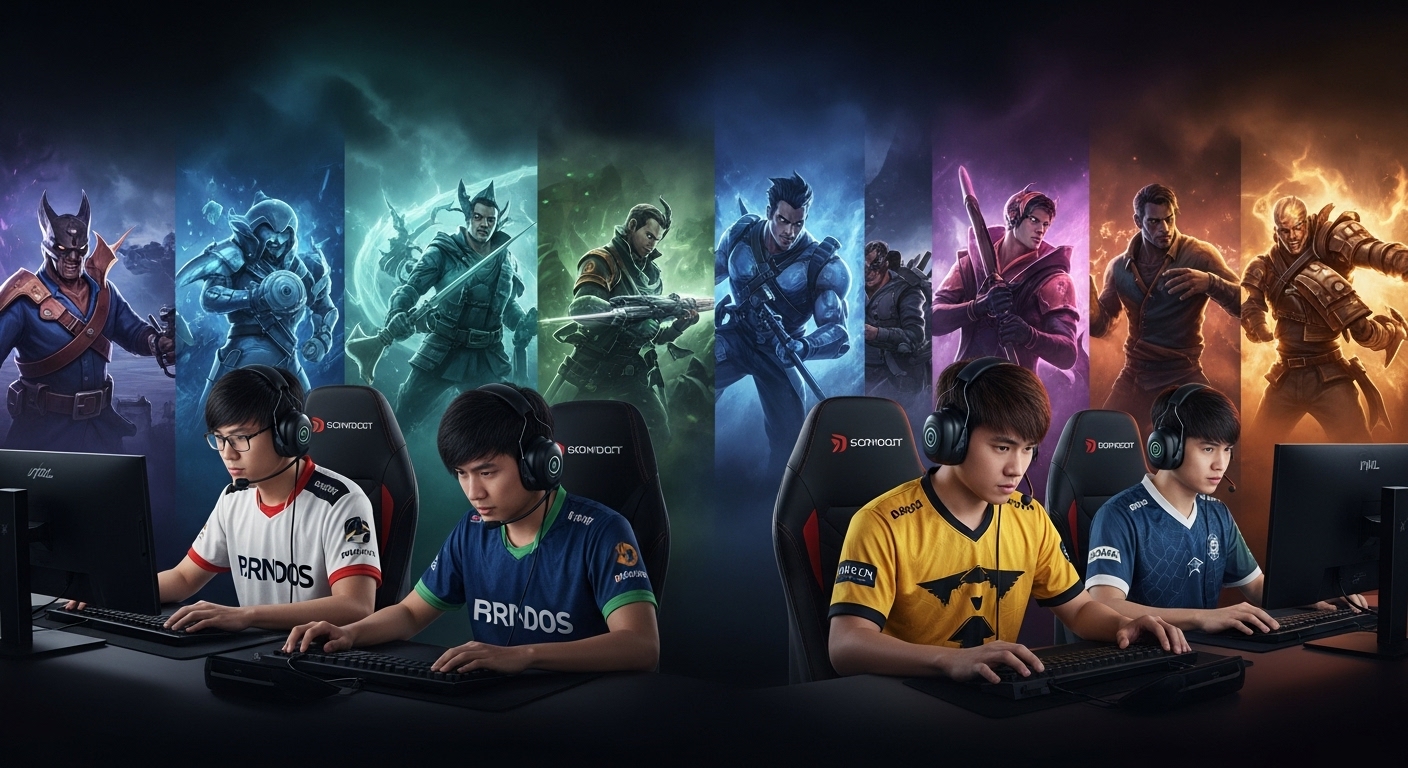
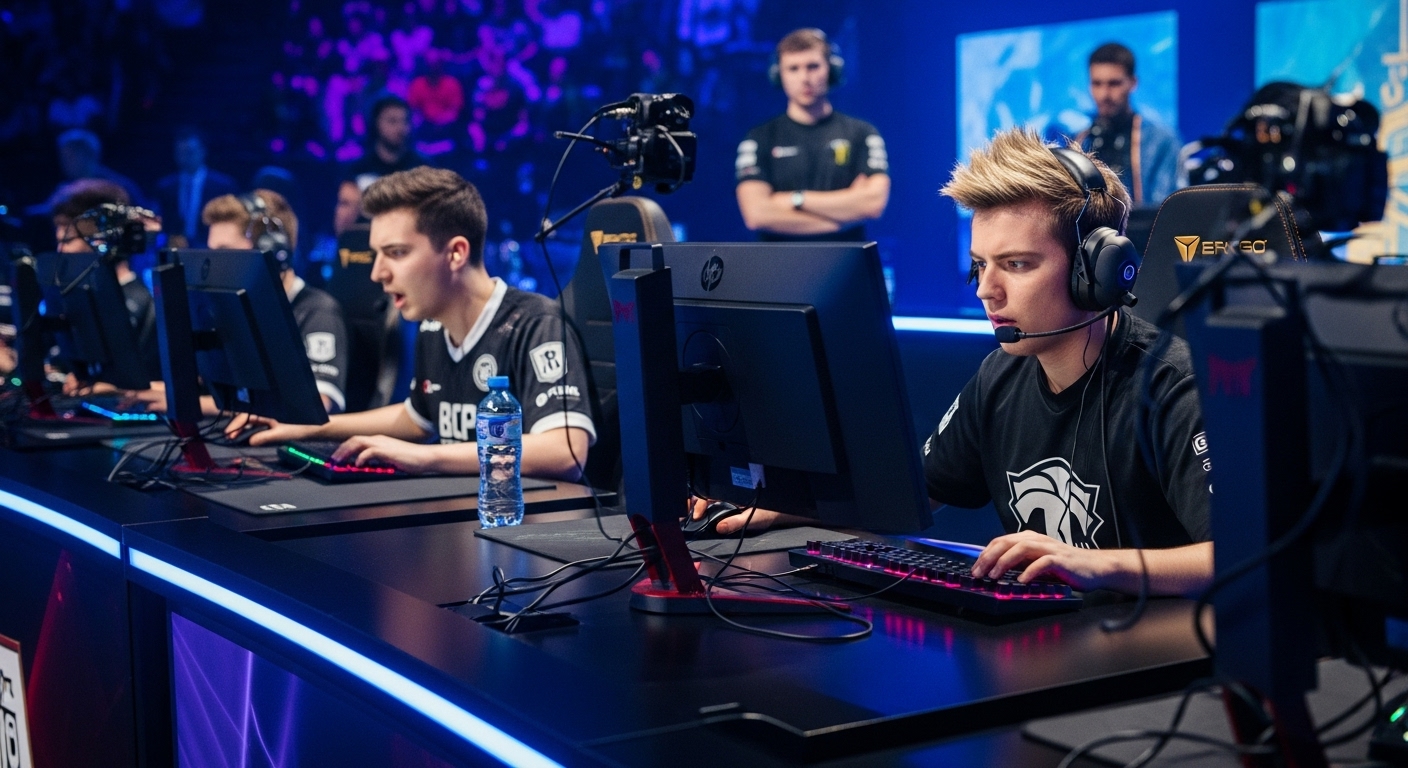
Esports, or electronic sports, has emerged as one of the most influential and rapidly growing entertainment industries of the twenty-first century. What began as casual competitions among friends has transformed into a global ecosystem featuring professional players, massive tournaments, international fanbases, and multi-million-dollar sponsorships. Today, esports rivals traditional sports in popularity, offering both players and audiences a unique blend of competition, strategy, and entertainment.
Esports is more than simply playing video games. It encompasses a professional infrastructure that includes teams, coaches, analysts, broadcasters, and event organizers. It has created new career paths, cultural communities, and entertainment experiences. The industry’s rapid growth reflects the power of digital platforms and the increasing value placed on interactive and skill-based competition in the modern era.
Early History of Competitive Gaming
The origins of competitive gaming date back to the 1970s and 1980s with the emergence of arcade games. Titles like Pong, Space Invaders, and Pac-Man encouraged players to compete for high scores. Arcades became social hubs, where players could challenge each other and gain recognition. These early competitions laid the groundwork for organized gaming culture.
During the 1990s, the introduction of multiplayer games such as Doom, Quake, and StarCraft allowed players to compete over local area networks and eventually online. This period marked the beginning of online competitive gaming, connecting players across cities, regions, and eventually the world. Gaming communities began forming through forums, message boards, and early gaming networks, fostering collaboration, rivalry, and cultural exchange.
Emergence of Modern Esports
The 2000s saw esports begin to take a more structured and professional form. Games like Counter-Strike, Warcraft III, and Halo established competitive ecosystems with formal tournaments and prize pools. Sponsorships and team organizations provided stability and legitimacy to players pursuing gaming as a career.
The rise of live streaming further fueled the growth of esports. Platforms allowed fans to watch competitions in real time, interact with players through chat, and participate in global communities. Streaming transformed competitive gaming from a participatory hobby into a spectator sport, attracting millions of viewers worldwide.
Iconic Esports Titles
Several games have played pivotal roles in shaping the esports industry. League of Legends, released in 2009, became a cornerstone of competitive gaming with its professional leagues, world championships, and extensive fan engagement. Dota 2 revolutionized esports with its massive prize pools and global tournaments, setting a standard for competitive stakes and visibility.
First-person shooters like Counter-Strike: Global Offensive and Overwatch introduced team-based strategic gameplay that appealed to a wide audience. Battle royale titles such as Fortnite brought a younger generation into esports while blending competition with social interaction and streaming entertainment. Each game contributes to the diversity of esports, catering to different styles of play, strategies, and audiences.
Structure of Esports Leagues
Professional esports operates through organized leagues and tournaments. Teams are often structured like traditional sports franchises, complete with managers, coaches, analysts, and support staff. Leagues such as the Overwatch League, League of Legends Championship Series, and Call of Duty League follow seasonal schedules, culminating in playoffs and championship events.
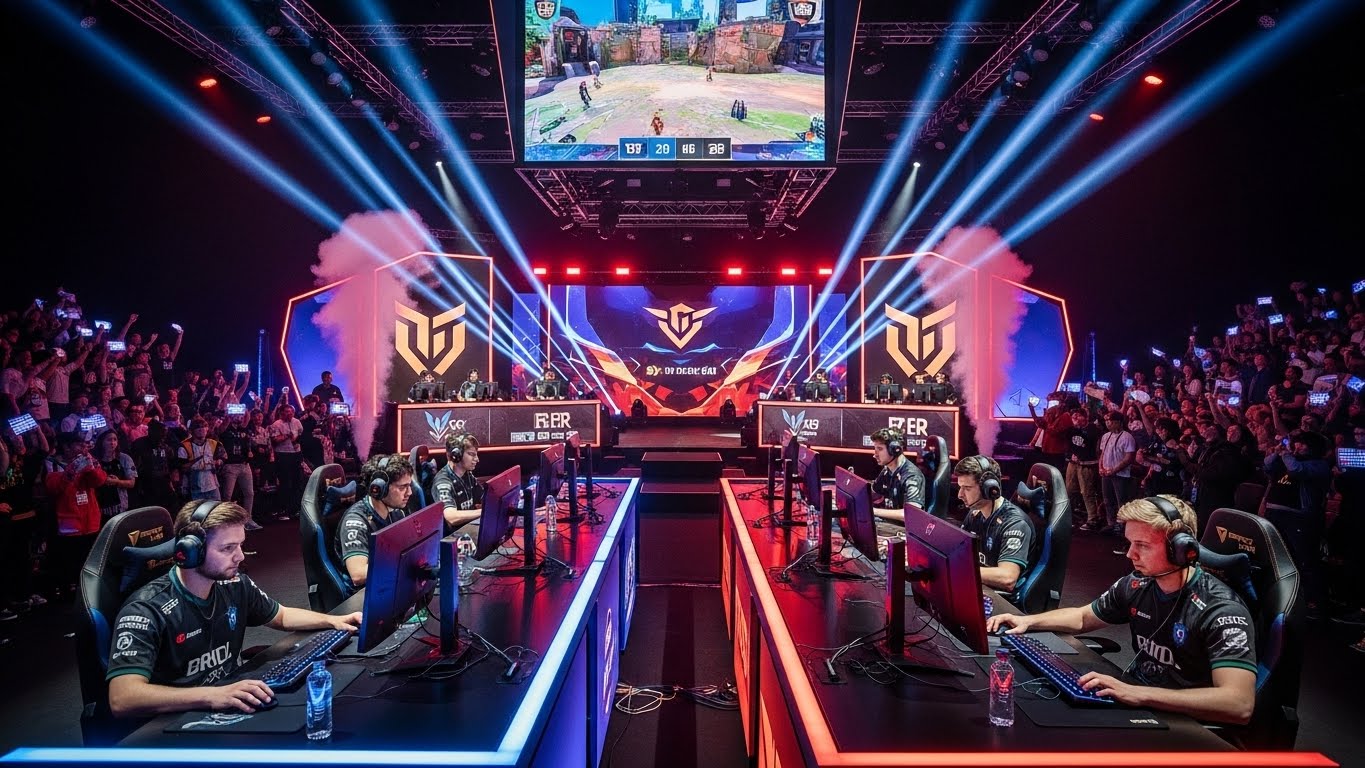
Tournaments range from online qualifiers to large-scale international competitions held in arenas or stadiums. Prize pools can reach millions of dollars, attracting elite talent and global attention. The structured nature of these leagues professionalizes gaming, offering stability for players and creating consistent content for audiences.
The Role of Streaming Platforms
Streaming platforms are central to the growth of esports. Twitch, YouTube Gaming, and other services enable fans to watch live competitions, interact with players, and participate in communities. Streamers often become celebrities themselves, building personal brands, influencing gaming culture, and connecting with audiences in real time.
The interactivity of streaming distinguishes esports from traditional sports. Fans can engage directly with players, comment in live chats, and even affect the outcome of some events through interactive content. This level of engagement fosters a sense of community and immersion, strengthening loyalty and enthusiasm among viewers.
Careers in Esports
Esports offers diverse career opportunities beyond professional play. Coaches and analysts develop strategies and optimize team performance. Managers oversee logistics, contracts, and sponsorships. Broadcasters and commentators provide coverage and entertainment, engaging audiences with play-by-play analysis.
Content creators and influencers produce supplementary content, including tutorials, commentary, and lifestyle videos that enhance fan engagement. Additional roles exist in marketing, event management, production, and game development. This ecosystem provides sustainable career paths for individuals passionate about gaming and digital media.
Economics of Esports
The financial impact of esports is significant and growing rapidly. Revenue comes from sponsorships, advertising, ticket sales, merchandise, media rights, and streaming subscriptions. Major brands recognize the opportunity to reach a highly engaged, younger demographic through esports partnerships.
Prize money in tournaments has grown exponentially. Events like The International for Dota 2 have offered prize pools exceeding tens of millions of dollars, funded in part by community contributions. Esports revenue demonstrates its legitimacy as an industry and underscores its potential for continued expansion.
Cultural Influence of Esports
Esports transcends geographic and cultural boundaries. Players and fans from around the globe connect online, creating communities centered on shared interests. Countries like South Korea, China, and the United States have become hubs for professional esports, producing world-class players and highly competitive teams.
Esports has influenced fashion, music, and digital media trends. Professional players have become cultural icons, and their influence extends into pop culture, marketing, and social media. Gaming has become a lifestyle, with its own norms, rituals, and identity markers, reflecting a broader digital culture.
Esports and Traditional Sports
Esports has influenced traditional sports by introducing digital engagement strategies, live streaming, and interactive fan experiences. Sports organizations now invest in esports teams or leagues to reach younger audiences. Virtual competitions complement physical sports, providing alternative ways for fans to connect with their favorite athletes and teams.
Crossover events between esports and traditional sports leagues have emerged, creating unique marketing opportunities and interactive experiences. This blending demonstrates how esports is reshaping the entertainment landscape and challenging conventional definitions of sports.
Educational Impact of Esports
Educational institutions are increasingly embracing esports. High schools and universities offer programs, scholarships, and competitive teams, recognizing the value of gaming in developing strategic thinking, teamwork, leadership, and digital literacy.
Collegiate esports leagues provide students with opportunities to compete professionally while pursuing education. Academic recognition legitimizes esports as a career pathway and fosters the next generation of players, analysts, and industry professionals.
Technology Driving Esports
Technology is fundamental to esports performance and entertainment value. High-speed internet, gaming peripherals, powerful computers, and broadcasting equipment ensure seamless competition. Analytics tools allow teams to review gameplay, develop strategies, and optimize performance.
Virtual reality, augmented reality, and artificial intelligence are beginning to expand the possibilities of esports, offering immersive and interactive experiences. These technological advancements enhance both player performance and audience engagement, making esports a dynamic and evolving field.
Challenges in Esports
Despite its growth, esports faces significant challenges. Player health, including mental health, physical fitness, and burnout, is an ongoing concern. Online harassment and toxicity in gaming communities require proactive solutions. Regulatory issues, contract disputes, and inconsistent rules across leagues also present obstacles.
The industry must balance rapid growth with ethical considerations, including fair pay, inclusivity, and player welfare. Addressing these challenges is essential to sustaining long-term growth and ensuring esports remains a positive force in entertainment and sports culture.
The Future of Esports
The future of esports promises continued expansion and innovation. Advances in virtual reality and augmented reality will create more immersive experiences, while artificial intelligence may facilitate personalized gameplay and adaptive competitions. Global connectivity will enable even greater audience participation and engagement.
Esports will continue to intersect with traditional sports, entertainment, and digital media, creating hybrid experiences and cross-industry collaborations. New markets, sponsorships, and revenue streams will strengthen the industry, while educational programs and professional infrastructure will cultivate talent. The evolution of esports reflects broader trends in digital culture and interactive entertainment.
Conclusion
Esports has transformed from a niche hobby into a global phenomenon with far-reaching cultural, economic, and technological impact. It offers opportunities for careers, community building, and entertainment while challenging traditional notions of sports and competition. The industry’s growth demonstrates the power of digital platforms, global connectivity, and interactive engagement.
As esports continues to evolve, it will shape the future of gaming, sports, and entertainment. Its blend of strategy, skill, technology, and cultural influence ensures its place as one of the most dynamic and exciting industries of the modern era. Esports is more than a game—it is a cultural movement, a professional ecosystem, and a reflection of humanity’s passion for competition, innovation, and connection.