




Introduction
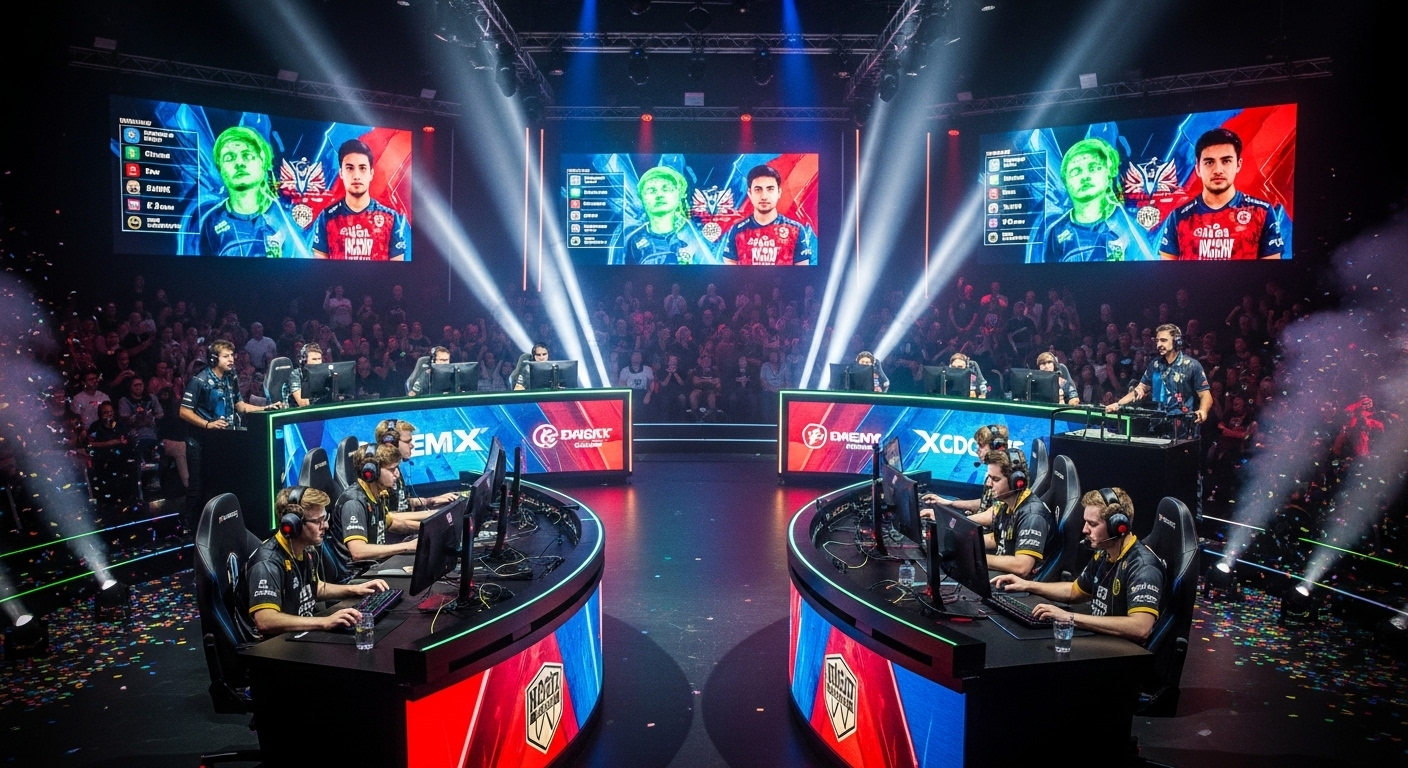
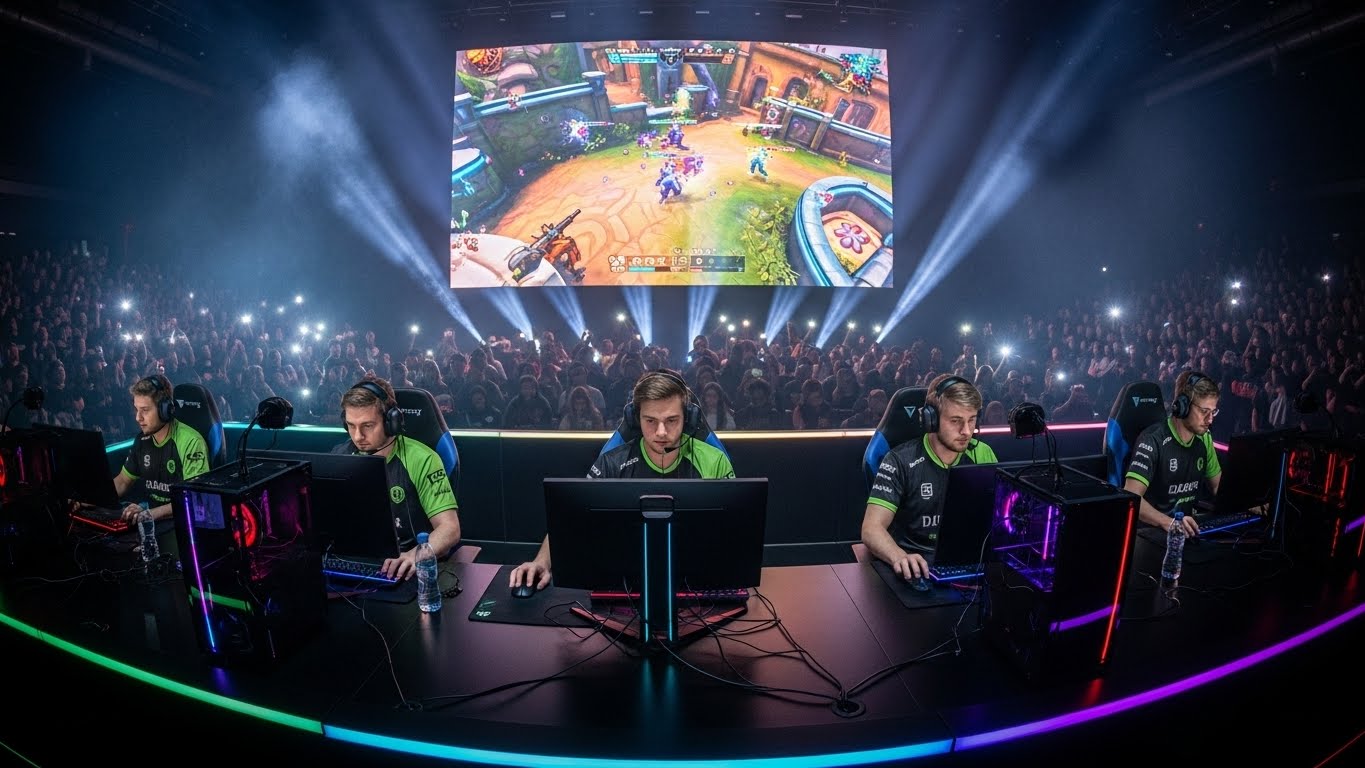
Esports, or electronic sports, have become one of the fastest-growing industries in the world today. Once considered a niche hobby, esports has transformed into a global phenomenon, with millions of viewers and participants around the globe. This digital form of competition has created a whole new realm for professional gaming, where individuals and teams compete for prestigious titles and lucrative prizes. As gaming culture continues to evolve, esports has gained legitimacy not only as a form of entertainment but also as a career path for many young players. In this blog post, we’ll explore the evolution of esports, its current state, the impact it has on various industries, and what the future holds for this rapidly growing sector.
The Birth of Esports: From Arcades to Online Tournaments
Esports did not emerge overnight; it has been a gradual evolution that began with the advent of video games themselves. The first inklings of competitive gaming can be traced back to the late 1970s and early 1980s, when arcade gaming started to take off. Competitive gaming events were rare, but they did exist in a small, informal capacity. The most iconic of these early events was the “Space Invaders Championship” held in 1980, where players competed for high scores. However, it wasn’t until the late 1990s and early 2000s, with the rise of the internet and multiplayer games, that esports began to take shape as we know it today.
Games like “StarCraft,” “Quake,” and “Warcraft III” were among the first to pave the way for professional competitive gaming. These games introduced online multiplayer features, allowing players from around the world to compete against one another in real-time. The first major esports tournaments began to take place, with players earning cash prizes and sponsors becoming involved. In the years that followed, the formation of large esports leagues such as the “Electronic Sports World Cup” (ESWC) and “Major League Gaming” (MLG) solidified the competitive gaming scene and set the foundation for what would become a global industry.
The Evolution of Esports: Growing in Popularity
Over the past two decades, esports has exploded in popularity, both in terms of viewership and participation. By the early 2010s, streaming platforms like Twitch and YouTube Gaming had revolutionized how fans consumed gaming content. With millions of viewers tuning in to watch their favorite players and teams battle it out live, the esports industry began to attract major sponsorships, partnerships, and investment. What started as an underground scene for enthusiasts has now become a multi-billion-dollar industry.
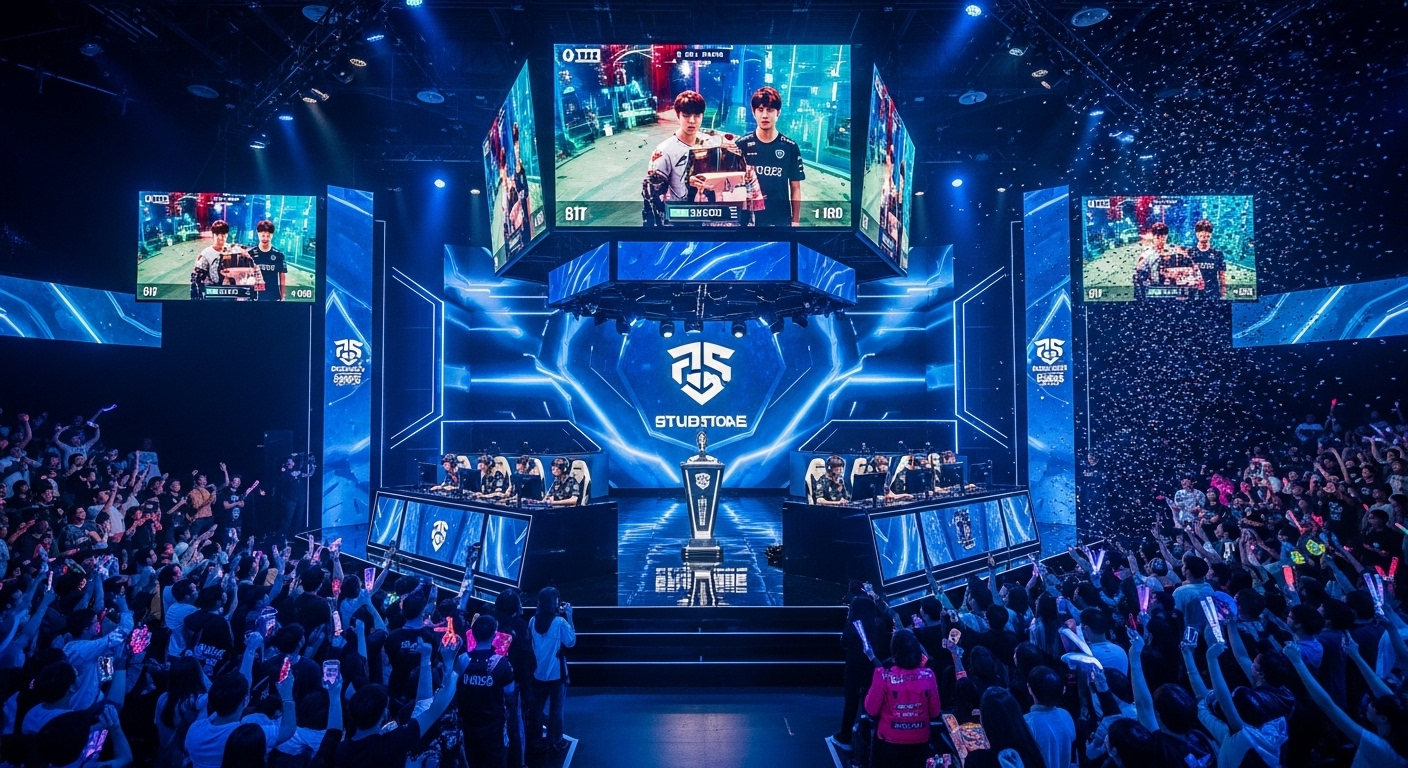
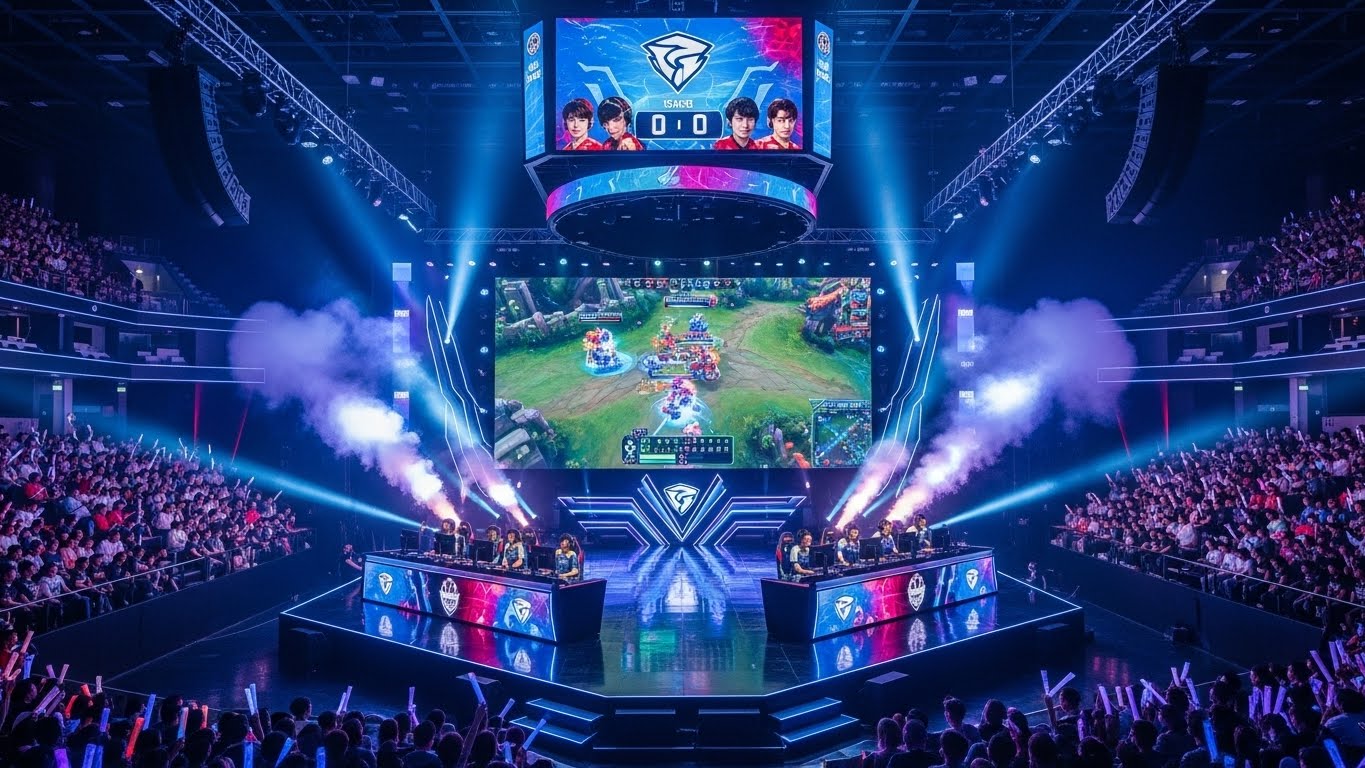
The key factor in esports’ growth has been its ability to offer a blend of entertainment, competition, and community. Major tournaments like “The International” (Dota 2), the “League of Legends World Championship,” and “Overwatch League” attract millions of viewers every year. These events showcase the incredible skill of professional gamers while providing fans with a thrilling, high-stakes atmosphere. Esports fans not only watch the games but also actively engage with the content, creating an online culture of fan interaction and support for their favorite teams and players.
Esports and the Rise of Streaming Platforms
The rise of streaming platforms such as Twitch, YouTube Gaming, and Facebook Gaming has had a transformative effect on the esports ecosystem. These platforms have provided gamers with an outlet to stream their gameplay, build fanbases, and connect with viewers in real-time. For esports players, streaming has become an essential part of their careers, allowing them to generate additional income and grow their brand. Many professional players, such as Ninja (Tyler Blevins) and Shroud, have built massive followings through live streaming and content creation, further cementing their place in the mainstream entertainment landscape.
For fans, these platforms offer an unprecedented level of access to their favorite players, teams, and tournaments. Whether it’s watching a high-level match or interacting with streamers through live chat, streaming has become an essential part of the esports experience. The ability to watch esports tournaments live, interact with other fans, and support players in real-time has transformed how people experience competitive gaming.
Esports as a Professional Career
One of the most exciting aspects of esports is the fact that it offers a viable career path for talented individuals. In the past, professional gaming was viewed as a hobby or a passion project. Today, it is a legitimate career, with players, coaches, analysts, and content creators earning lucrative salaries through sponsorships, tournament earnings, and streaming. The best players in the world can earn millions of dollars annually, not only through tournament winnings but also from brand endorsements and partnerships with gaming companies.
For aspiring esports players, the road to success can be long and challenging. The competition is fierce, and players must dedicate countless hours to mastering their craft and improving their gameplay. However, for those who make it to the top, the rewards can be significant. Organizations such as Cloud9, Team Liquid, and FaZe Clan offer professional contracts to talented players, providing them with the support and resources necessary to compete at the highest level.
Moreover, esports has expanded beyond individual players, creating a whole industry of coaches, analysts, content creators, and event organizers. This means that careers in esports are not limited to just being a professional gamer. People can now pursue careers in various areas of esports, from management and marketing to broadcasting and event production.
Esports and the Global Impact
Esports is a truly global phenomenon, with players and fans from every corner of the world participating in the industry. Tournaments attract competitors from diverse backgrounds, creating a truly international stage for competition. The international nature of esports has led to a vibrant and diverse fanbase, with different cultures and regions adding their own unique flavor to the scene. Countries like South Korea, China, and the United States have become major hubs for esports, with regional leagues, tournaments, and dedicated training facilities becoming more common.
Moreover, esports has also made its mark on the educational sector. Many colleges and universities now offer esports scholarships, allowing students to pursue their education while competing at the highest level. Esports programs in schools and universities are growing rapidly, with collegiate leagues and competitions providing young gamers with the chance to develop their skills and earn a degree at the same time. This trend has helped validate esports as a legitimate activity and is further fueling its growth in mainstream society.
The Future of Esports: What Lies Ahead
The future of esports looks incredibly promising. As technology continues to advance, esports will only become more immersive and accessible. Virtual reality (VR) and augmented reality (AR) could revolutionize the way esports tournaments are played and experienced by viewers. Imagine watching a game from the perspective of a player, or interacting with the gameplay in real-time – the possibilities are endless.
In addition, the mainstream adoption of esports in the Olympics could further elevate the profile of competitive gaming. Discussions around the inclusion of esports in the 2024 Paris Olympics are already underway, and if esports is officially recognized as an Olympic sport, it would mark a historic milestone for the industry.
Moreover, the continued growth of mobile gaming is also expected to play a significant role in the expansion of esports. Mobile esports, with games like “PUBG Mobile” and “Clash Royale,” is already experiencing a surge in popularity, particularly in regions like Southeast Asia and India. The accessibility and convenience of mobile gaming make it an ideal platform for new and emerging esports communities.
The Social Impact of Esports
Esports has had a profound social impact, bringing together communities from all walks of life. It has fostered inclusivity and diversity, with players from different genders, ages, and backgrounds participating in the scene. Esports has become a space where people can connect, share their passion for gaming, and form lasting friendships. It also plays an important role in breaking down stereotypes, as more women and underrepresented groups enter the competitive gaming scene.
In addition, esports provides opportunities for social engagement through live streaming, online forums, and social media. Fans can interact with their favorite players, discuss gameplay strategies, and participate in esports events and tournaments. These social aspects have helped to build a vibrant and supportive global esports community that continues to grow every year.
Conclusion
Esports has come a long way from its humble beginnings in the 1980s. What was once a niche interest has grown into a global, multi-billion-dollar industry with professional players, major sponsorships, and a passionate fanbase. Esports offers not only entertainment but also a viable career path for players and industry professionals alike. As technology advances and new innovations are introduced, the future of esports looks even brighter. Whether it’s the expansion of mobile gaming, the rise of VR and AR, or the potential inclusion of esports in the Olympics, esports is poised to continue its meteoric rise in the coming years. For anyone with a passion for gaming, esports represents a world of possibilities that is just beginning to be explored.