




Introduction
Esports, or competitive video gaming, has grown from a niche hobby into a global phenomenon that rivals traditional sports in influence, viewership, and cultural impact. What began as casual competitions among friends or small local tournaments has now become a multi-billion-dollar industry with professional leagues, international championships, and millions of spectators worldwide. Esports has transformed the way people play, watch, and interact with games, creating a vibrant ecosystem where skill, strategy, and entertainment converge. Beyond gaming, esports is redefining competition, careers, and the very notion of community in the digital age.
The Evolution of Esports
The roots of esports trace back to the 1970s and 1980s, when simple arcade games like Space Invaders and Pac-Man were played competitively in small-scale tournaments. The late 1990s and early 2000s introduced titles such as StarCraft, Counter-Strike, and Warcraft, which laid the foundation for organized competitive gaming. These games required strategy, teamwork, and skill, attracting dedicated players and the beginnings of spectator audiences.
With the advent of high-speed internet and live streaming, esports expanded globally. Online multiplayer games allowed players from different continents to compete in real time, and streaming platforms provided instant access for audiences to watch matches. This evolution transformed esports from small communities into a mainstream entertainment phenomenon, establishing the groundwork for professional leagues and international tournaments.
Competitive Gaming: Beyond Reflexes
Esports is not just about fast reflexes or mechanical skill. It requires strategic thinking, teamwork, and mental resilience. Players must analyze maps, understand game mechanics, anticipate opponents’ moves, and coordinate with teammates under high-pressure conditions. Each decision can mean the difference between victory and defeat.
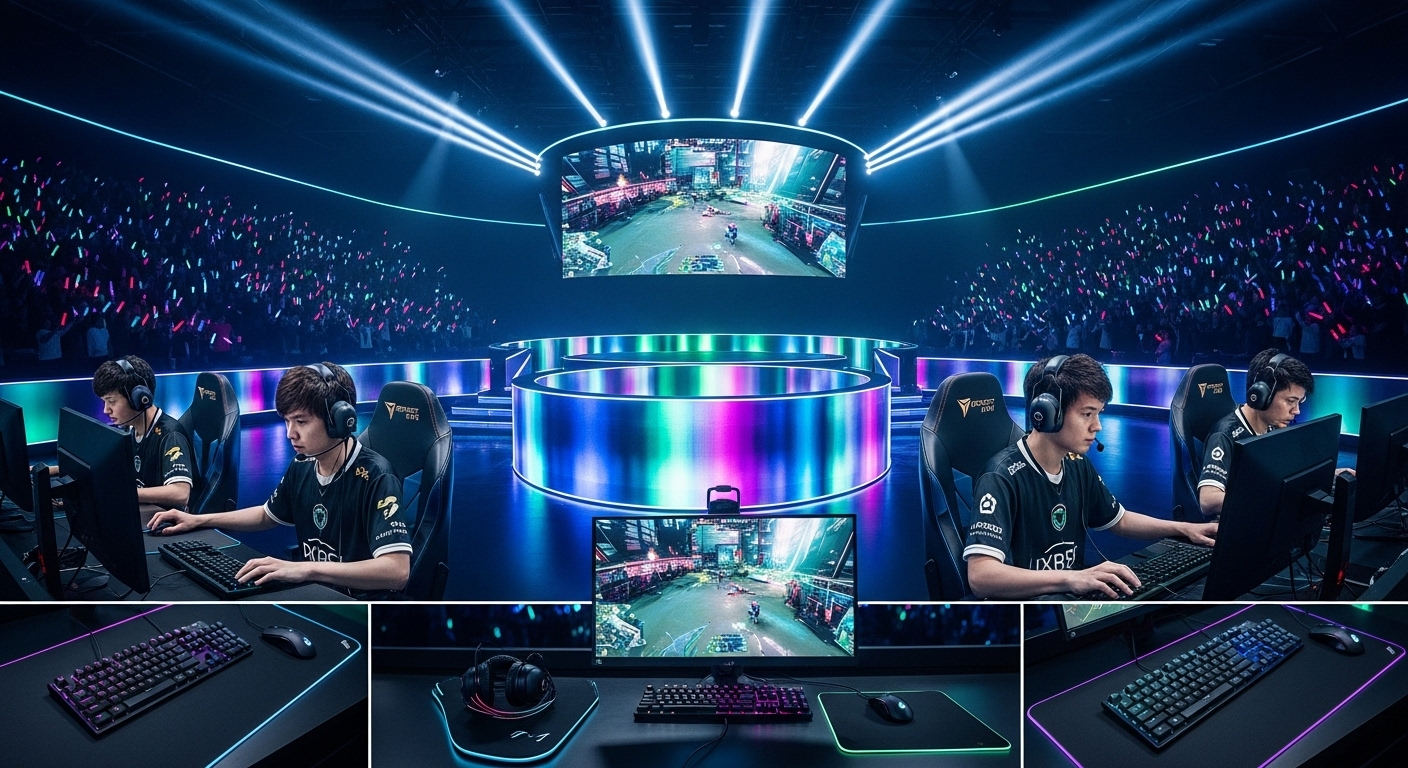
Different genres of esports demand different skill sets. First-person shooters focus on precision and reaction time, while multiplayer online battle arenas emphasize strategy, resource management, and team coordination. Fighting games test timing, reading opponents, and executing combos with accuracy. Across all genres, esports challenges both the mind and the body, combining mental acuity with dexterity and endurance.
The Rise of Professional Esports
Esports has evolved into a professional career path. Professional players train rigorously, often following daily schedules similar to those of traditional athletes. Teams employ coaches, analysts, nutritionists, and psychologists to ensure peak performance. Players compete in regional and international leagues, often earning substantial salaries, sponsorship deals, and tournament winnings.
Universities and colleges have begun offering esports scholarships, providing pathways for students to pursue education while competing at a professional level. Professionalization has legitimized esports, creating opportunities not just for players but also for commentators, event organizers, content creators, and analysts who contribute to the industry’s growth.
Spectatorship and Esports Culture
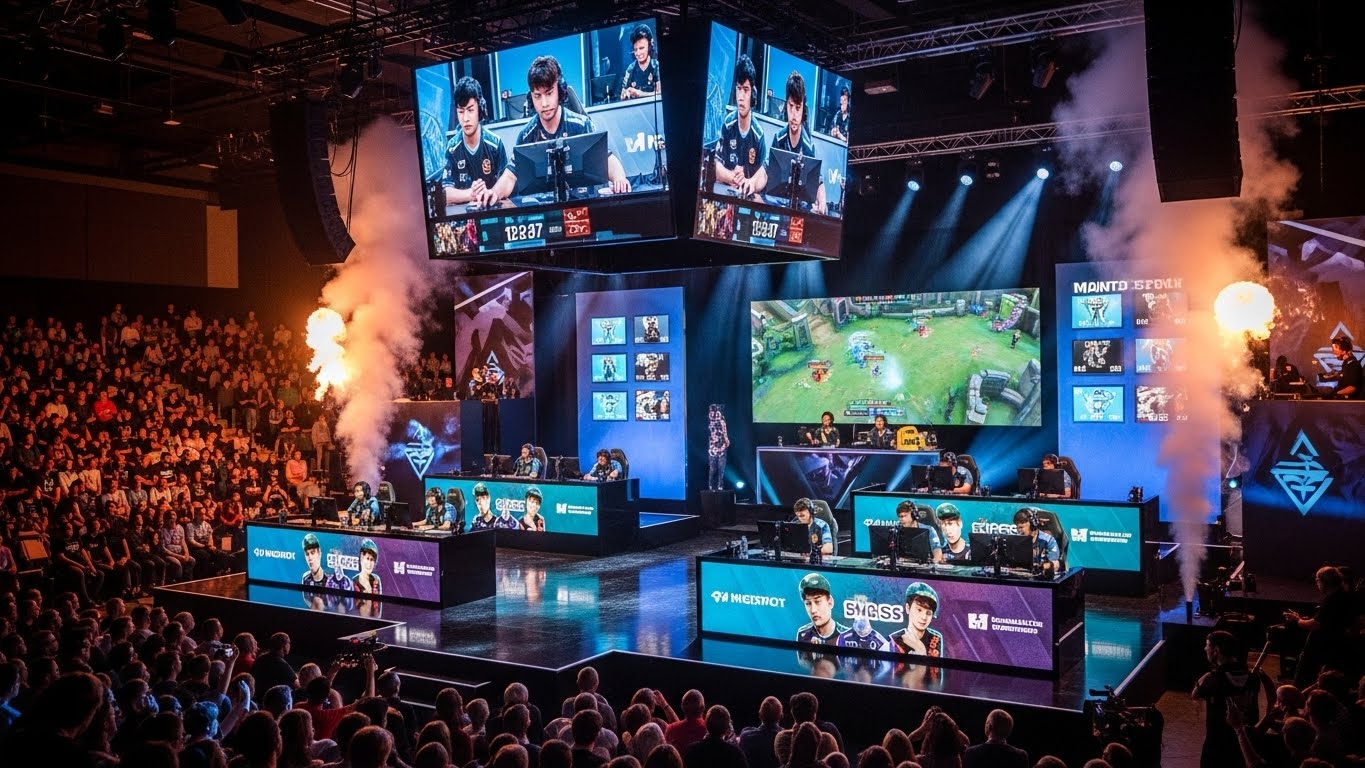
Spectating is a core element of esports. Millions of fans worldwide tune into live streams, tournaments, and highlight reels. Platforms such as Twitch and YouTube have transformed viewership, allowing audiences to interact with players, participate in discussions, and engage with communities in real time.
Professional commentary, high-quality production, and tournament analysis enhance the viewing experience. Fans dissect strategies, predict plays, and celebrate extraordinary performances, creating a culture of engagement that mirrors traditional sports fandom. The community-driven aspect of esports fosters social connections, making spectatorship an interactive and immersive experience.
Streaming and Content Creation
Streaming has been pivotal in the growth of esports. Players broadcast gameplay, share tips, and engage with fans, creating personalities that extend beyond the games themselves. Content creation—including tutorials, highlight reels, interviews, and behind-the-scenes footage—keeps audiences engaged between tournaments.
The combination of gameplay, commentary, and social interaction has fueled the popularity of esports content. Audiences feel connected to players and teams, forming communities that enhance loyalty and engagement. Streaming has not only elevated the visibility of esports but also created an entirely new form of digital entertainment.
Economic Impact of Esports
Esports has become a significant economic force. Revenue streams include sponsorships, advertising, merchandise, media rights, ticket sales, and in-game purchases. Major brands recognize the marketing potential of esports, targeting engaged, tech-savvy audiences with campaigns and partnerships.
The economic impact extends to game development, event management, technology services, and content creation. Esports has created jobs, entrepreneurial opportunities, and entire industries, illustrating how competitive gaming has evolved into a multifaceted economic ecosystem.
Community and Social Engagement
At its core, esports thrives on community. Players, fans, and content creators connect over shared interests, forming networks that transcend geography, language, and culture. Online forums, fan groups, and live events foster interaction, collaboration, and discussion.
Community involvement also drives innovation. Feedback from players and fans informs game design, tournament formats, and broadcasting strategies. Unlike traditional sports, esports audiences are active participants, shaping the culture and development of the industry itself.
Cognitive and Psychological Benefits
Engaging in esports can enhance cognitive abilities such as problem-solving, strategic thinking, and multitasking. Many games demand rapid decision-making, pattern recognition, and adaptability, skills that carry over into real-world situations.
Esports also encourages resilience and emotional intelligence. Players learn to manage pressure, handle losses, and refine strategies based on experience. Team-based games cultivate communication, collaboration, and leadership skills, demonstrating that esports offers more than entertainment—it contributes to personal growth and social development.
Educational Opportunities in Esports
Esports is increasingly recognized as a tool for education. Schools and universities implement esports programs to teach teamwork, strategy, digital literacy, and leadership. Scholarships provide access to higher education while supporting competitive play.
Educational esports extends into media production, broadcasting, event organization, and technology development. Students gain practical experience in a growing industry, preparing them for diverse careers in gaming, technology, and entertainment. Esports bridges learning and play, showing that gaming can be both enjoyable and educational.
Diversity and Inclusion
Esports has the potential to be more inclusive than traditional sports. Players of different genders, cultures, and backgrounds can compete on equal footing. Many organizations promote gender equality, accessibility, and anti-toxicity initiatives to foster inclusive environments.
Diversity enriches competitive play and creativity. Different perspectives influence strategies, game design, and content creation, making esports a culturally rich and globally representative industry. Inclusive practices help ensure that esports is welcoming and sustainable for all participants.
Challenges Facing Esports
Despite its growth, esports faces challenges. Player burnout, mental health issues, toxic behavior in communities, and cheating are ongoing concerns. Professional players often endure long hours of training, intense scrutiny, and high-pressure competition, making wellness initiatives crucial.
The industry must also address regulation, ethical sponsorship, and fair competition. Establishing standards for tournaments, ensuring integrity, and promoting healthy communities are essential for the long-term credibility and sustainability of esports.
The Future of Esports
The future of esports is dynamic and promising. Advances in virtual reality, augmented reality, and artificial intelligence will create increasingly immersive experiences. Cross-platform play and mobile esports will expand accessibility, allowing more players and viewers to engage globally.
Esports will continue to blend entertainment, education, and professional competition. Technological innovation and global connectivity will foster new forms of gameplay, spectating, and community interaction. The digital arenas of esports will remain spaces for skill, creativity, and connection, shaping the future of competition in ways previously unimaginable.
Conclusion
Esports has transformed gaming into a cultural, professional, and economic powerhouse. It combines skill, strategy, and entertainment while fostering global communities and creating opportunities for careers and personal growth. Beyond the thrill of competition, esports reflects human ingenuity, collaboration, and the universal appeal of play.
As esports continues to evolve, it will redefine how people compete, connect, and consume entertainment. It is no longer just about playing games—it is about pushing boundaries, building communities, and celebrating achievement in the digital age. Esports demonstrates that competition, creativity, and connection can thrive in the virtual world, offering a glimpse into the future of entertainment, sports, and social interaction.