




Introduction to Esports
Esports, short for electronic sports, has evolved into one of the most fascinating and dynamic industries of the modern age. What began as small-scale gaming tournaments in arcades and college campuses has now transformed into a global phenomenon, captivating millions of fans and generating billions in revenue. Esports represents more than just video gaming—it is the intersection of competition, entertainment, technology, and culture. It has redefined what it means to be an athlete, what it means to be a fan, and even how people view sports in the digital age.
From competitive titles like League of Legends and Counter-Strike to the fast-growing scenes of Valorant, Fortnite, and Dota 2, esports has built a digital ecosystem where players compete for fame, glory, and massive prize pools. The growth of esports reflects a broader shift in how people engage with entertainment, emphasizing community, accessibility, and global connectivity.
The Early Foundations of Esports
The story of esports can be traced back to the early days of video gaming. In the 1970s and 1980s, gaming competitions were mostly informal gatherings organized around arcade cabinets and early home consoles. The very first recorded video game competition took place in 1972 at Stanford University, where students competed in Spacewar!. Although modest in scale, it marked the beginning of organized video game competitions.
By the 1990s, with the rise of games like Street Fighter II and Quake, professional gaming began to take form. The introduction of broadband internet and online multiplayer capabilities further transformed the landscape. Players could now compete with others across the world without being in the same room. This period also saw the rise of the first dedicated esports organizations and leagues, paving the way for the structured tournaments and global audiences we see today.
The Technological Revolution and Streaming
One of the defining factors behind the meteoric rise of esports is technology. The advancement of high-speed internet, better gaming hardware, and streaming platforms has turned gaming from a hobby into a spectacle. The introduction of live streaming changed everything. Suddenly, anyone with an internet connection could watch their favorite teams and players compete in real time, just like traditional sports.
Platforms dedicated to game streaming have allowed esports to reach audiences across continents, eliminating the need for traditional broadcasting networks. Viewers can engage with live chats, follow their favorite streamers, and even donate to support them. This level of interactivity has given esports an edge over many other entertainment forms, as it fosters a sense of community and participation that television cannot replicate.
Streaming also turned ordinary gamers into celebrities. Influential figures in gaming culture, such as professional players and content creators, have millions of followers. Their streams combine skill, entertainment, and personality, blurring the lines between athlete, entertainer, and influencer. This fusion has given esports a unique identity and appeal.
The Professionalization of Competitive Gaming
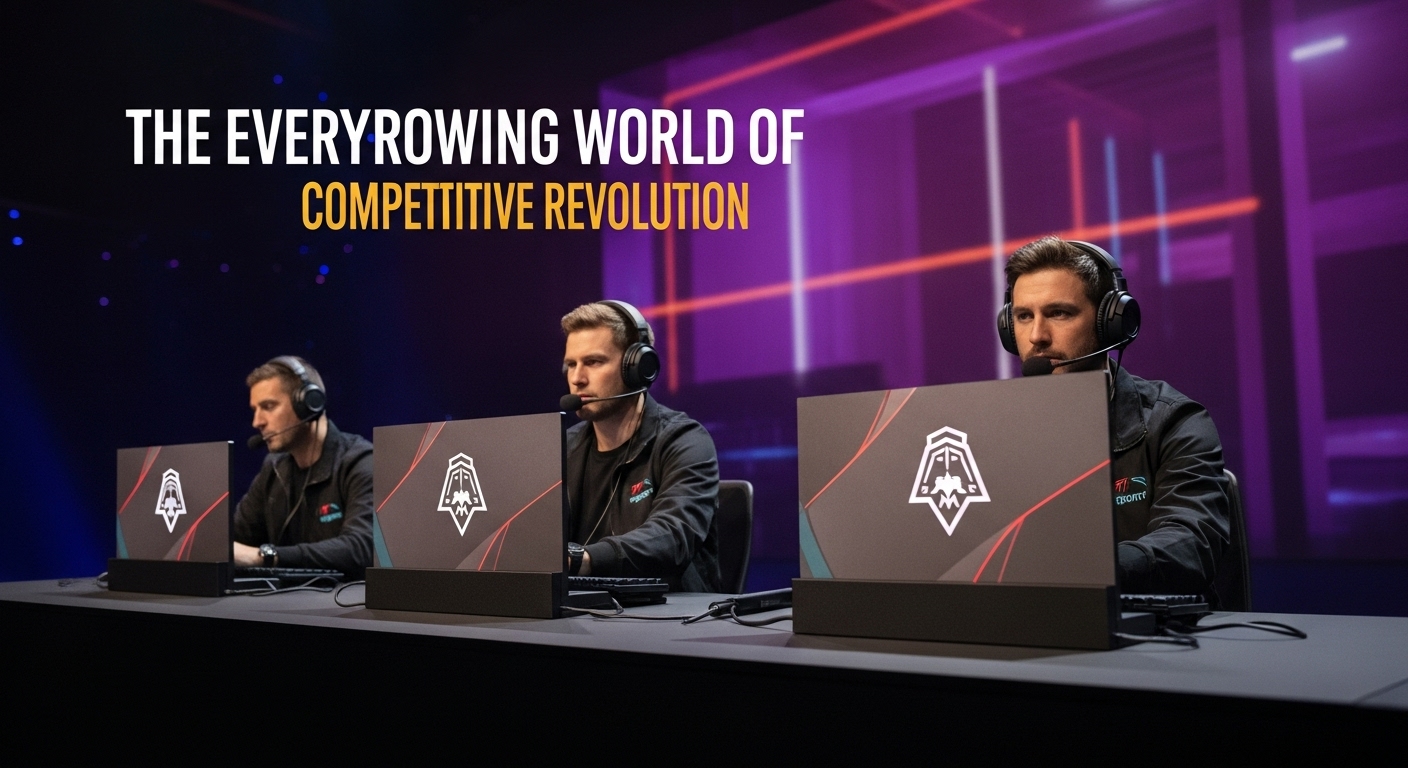
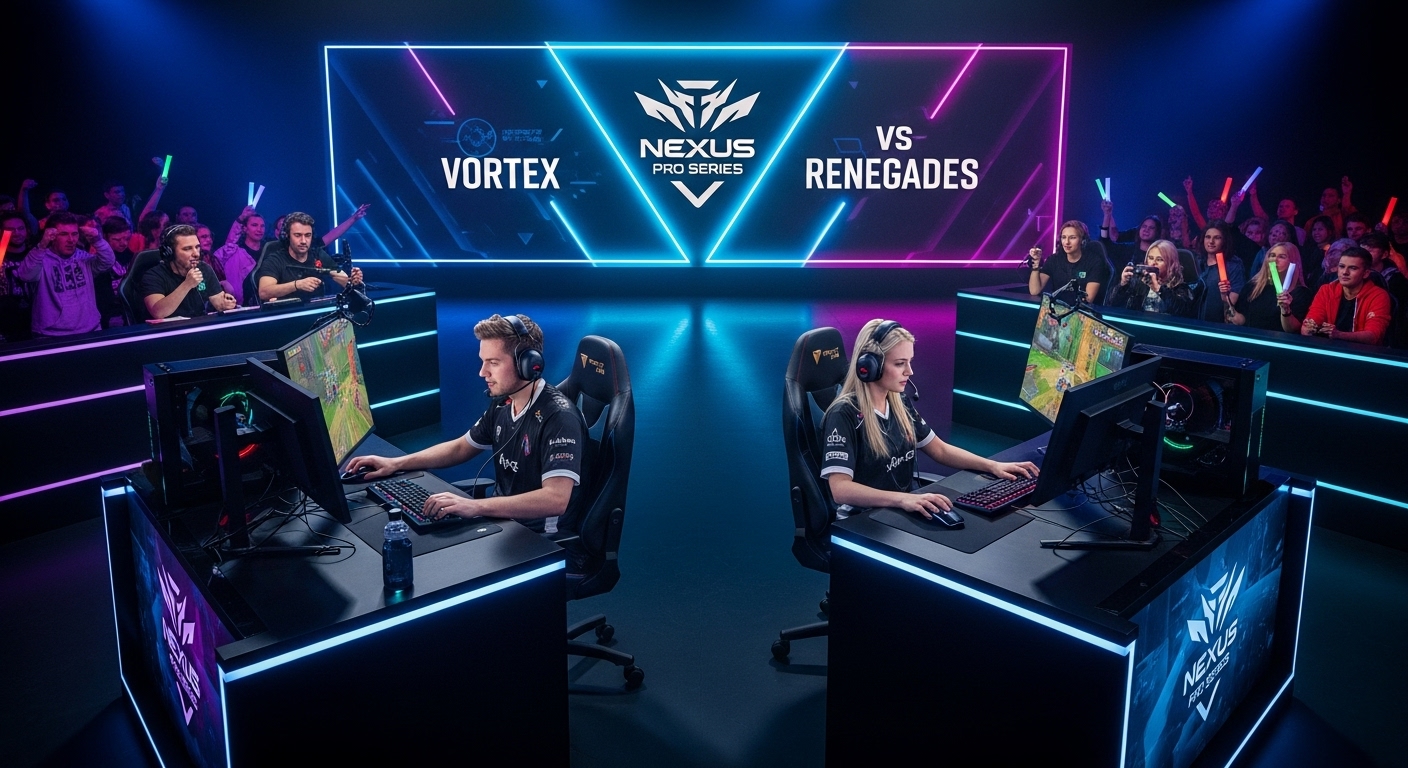
As esports grew, so did its structure. What was once casual competition evolved into organized leagues, professional teams, and corporate sponsorships. Major tournaments now fill arenas that once hosted traditional sports events, with massive screens, stage lighting, and cheering crowds. Players train for hours daily, guided by coaches, analysts, and nutritionists, just like traditional athletes.
The professional side of esports encompasses various disciplines. Teams are managed like businesses, with marketing departments, social media teams, and brand partnerships. Major franchises invest heavily in talent scouting and player development, building academy teams to nurture future stars. Esports organizations often operate like sports clubs, with global fanbases, merchandise sales, and dedicated headquarters.
Sponsorship and advertising have become vital components of esports’ economic structure. Major global brands—from technology companies to energy drink manufacturers—have entered the esports space, recognizing its massive youth appeal. Prize pools for tournaments have soared into the tens of millions of dollars, making professional gaming a lucrative career path for the most talented players.
The Culture and Community of Esports
At the heart of esports lies its vibrant community. Esports is not just about competition—it’s about connection. Fans rally behind teams and players with a level of passion comparable to that of football or basketball supporters. Online forums, social media, and live chats have created a digital culture where fans can discuss matches, share memes, and celebrate victories together.
What makes esports culture particularly unique is its inclusivity. Unlike traditional sports, esports is not limited by geography, physical ability, or access to facilities. Anyone with a computer or console and an internet connection can participate. This democratization of competition has allowed individuals from all backgrounds to rise to prominence purely based on skill.
The community aspect also extends to content creation. Streamers, YouTubers, and analysts contribute to the ecosystem by producing guides, commentary, and highlights. The creativity of fans—through art, music, and fan fiction—adds another layer of richness to the culture. Esports is as much about creativity and expression as it is about performance and strategy.
The Psychological and Strategic Depth of Esports
Beyond fast reflexes and sharp aim, esports demands an extraordinary level of mental discipline, teamwork, and strategy. Many competitive games are complex systems requiring deep understanding of mechanics, timing, and coordination. Players must make split-second decisions while maintaining communication and adapting to opponents’ strategies.
Just like chess or football, esports involves layers of tactical thinking. Teams analyze opponents’ playstyles, review match replays, and develop intricate game plans. Analysts study patterns, identifying weaknesses and tendencies. Coaches help players maintain composure under pressure and refine their decision-making processes.
Moreover, esports highlights the importance of mental health and emotional balance. With the intense training schedules and the stress of competition, burnout is a real concern. Many professional organizations now invest in mental health programs and psychological support for players. The recognition of mental well-being reflects the growing maturity of the esports industry as a legitimate professional field.
Esports and Education
One of the most exciting developments in recent years is the integration of esports into education. Schools and universities around the world are recognizing esports as a valuable avenue for developing teamwork, leadership, and problem-solving skills. Esports scholarships are becoming increasingly common, with institutions creating dedicated esports programs and facilities.
These academic initiatives highlight that esports is not merely entertainment—it is an educational and career pathway. Students can study subjects like game design, digital marketing, and event management while actively participating in collegiate competitions. This fusion of academics and gaming is helping to legitimize esports as a long-term career option, not just a youthful pastime.
The Globalization of Esports
Esports is truly global. From North America and Europe to Asia and the Middle East, competitive gaming transcends language and culture. Some of the most passionate esports communities are found in countries like South Korea, China, and the Philippines, where esports is often celebrated as a national pastime.
South Korea, in particular, is often referred to as the birthplace of modern esports. Games like StarCraft became cultural phenomena, and professional players were treated like rock stars. The country’s infrastructure, with dedicated gaming arenas and government support, set the standard for other nations to follow.
In Europe and North America, esports organizations have built strong regional leagues and international events, such as the League of Legends World Championship and The International for Dota 2. Meanwhile, emerging regions in Africa, South America, and the Middle East are rapidly building their own esports ecosystems, supported by young, tech-savvy populations.
The Economic Power of Esports
The business side of esports cannot be understated. The industry has grown into a multi-billion-dollar powerhouse driven by sponsorships, media rights, merchandising, and ticket sales. Major corporations invest heavily in esports as part of their marketing strategy, targeting a demographic that is young, digital-first, and globally connected.
Franchised leagues and tournaments mirror traditional sports in structure. Teams buy into leagues, share revenue, and compete for championships. Media networks and streaming services compete for broadcasting rights, knowing that esports events attract millions of viewers. The revenue from these deals supports players, organizers, and grassroots development.
Merchandising has also become a critical revenue stream. Jerseys, accessories, and collectibles allow fans to express their loyalty to teams and players. Event tickets sell out within minutes, proving that esports is not confined to screens—it has a physical presence that rivals traditional sporting events.
The Role of Women in Esports
The participation of women in esports has grown significantly, challenging long-held stereotypes about gaming being a male-dominated space. Female gamers, casters, and content creators are carving out strong presences in the community. While challenges like gender bias and harassment remain, initiatives promoting inclusivity are helping to create a more balanced ecosystem.
Organizations and tournaments dedicated to women’s esports provide platforms for showcasing talent and breaking barriers. Beyond competition, women are contributing as managers, coaches, analysts, and executives, shaping the future of the industry. This diversification not only strengthens the community but also enriches the culture with varied perspectives and creativity.
Esports and Traditional Sports: A New Relationship
Initially seen as rivals, esports and traditional sports are now developing a symbiotic relationship. Major sports franchises have invested in esports teams, recognizing the potential of engaging younger audiences. Sports titles like FIFA, NBA 2K, and Madden have created digital versions of traditional sports leagues, blurring the line between physical and virtual competition.
Traditional sports organizations are learning from esports’ innovative use of technology and fan engagement. Virtual events, live chat interactions, and digital content strategies are increasingly adopted by sports leagues to connect with fans in new ways. Conversely, esports benefits from traditional sports’ experience in player management, training, and event organization.
Challenges Facing the Esports Industry
Despite its success, esports faces several challenges. The rapid growth of the industry has brought issues like player burnout, inconsistent regulation, and unequal prize distribution. Many organizations are still working to establish stable career paths for players, ensuring fair contracts and sustainable working conditions.
Integrity is another concern. Issues like match-fixing, cheating, and doping have occasionally tarnished esports’ reputation. Governing bodies are emerging to enforce fair play and maintain professionalism, but consistent regulation across different countries remains a challenge.
Additionally, as esports becomes more commercialized, maintaining authenticity and community trust is essential. Fans value the grassroots origins of esports, and over-commercialization can alienate core supporters. Balancing growth with integrity will determine how the industry evolves in the coming decade.
The Future of Esports
The future of esports looks incredibly promising. With continuous technological advancements, such as virtual reality, augmented reality, and artificial intelligence, the possibilities for immersive and interactive competition are endless. Esports could soon evolve into experiences where players and fans interact in shared virtual arenas, creating new forms of entertainment never before imagined.
Moreover, the integration of esports into mainstream culture is accelerating. Schools, brands, and governments now recognize its legitimacy, and international events continue to attract global attention. As the line between physical and digital experiences continues to blur, esports stands at the forefront of a new era in sports and entertainment.
Conclusion
Esports has transformed from a niche pastime into a global cultural force that bridges technology, community, and competition. It represents the evolution of human creativity in the digital age—a testament to how innovation can redefine traditional concepts of sports and entertainment.
More than just a game, esports is a movement. It brings together millions of people across continents, transcending boundaries of language, culture, and geography. It celebrates skill, teamwork, and passion, proving that excellence can emerge from any screen, anywhere in the world.
As the next generation grows up immersed in digital worlds, esports will continue to shape how we play, connect, and dream. What began as pixels on a screen has become a universe of possibilities—and this universe is only just beginning to expand.