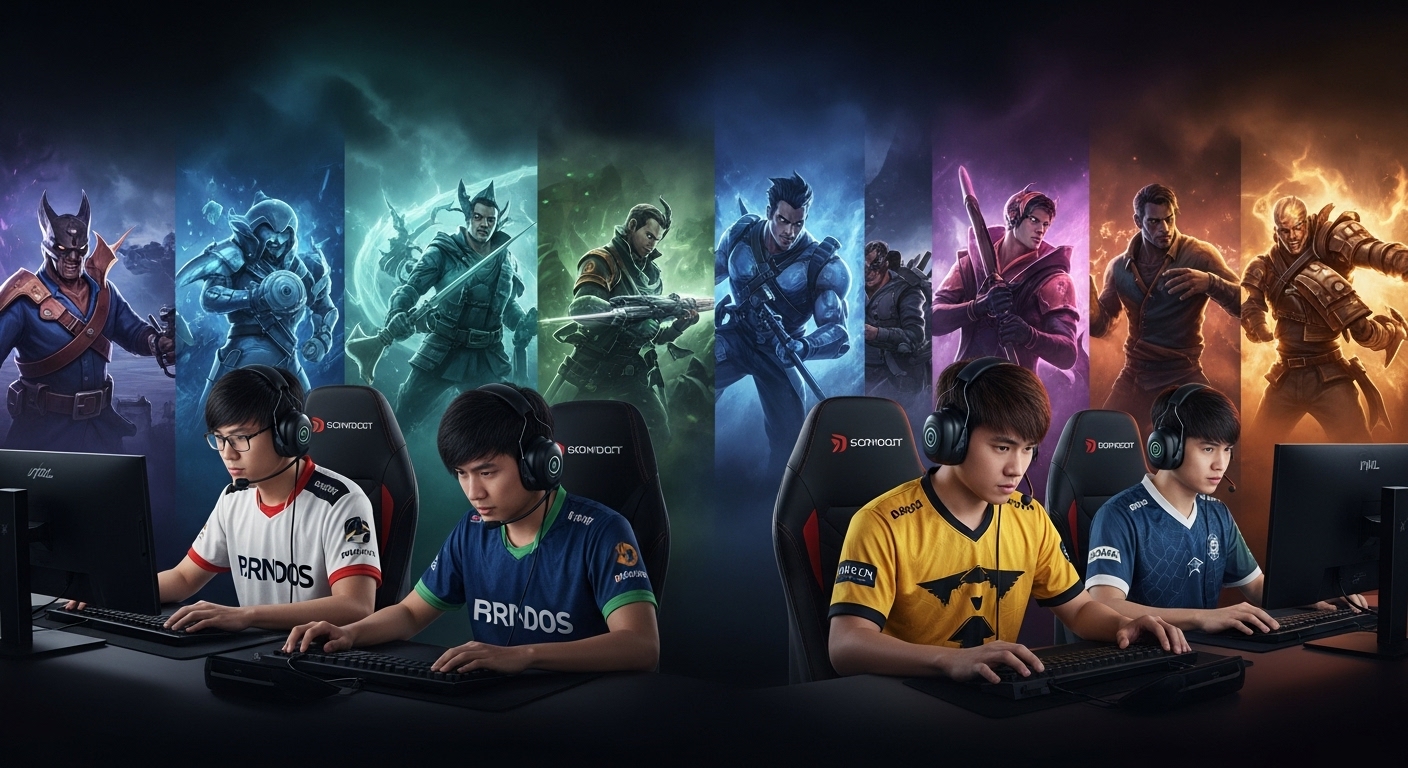






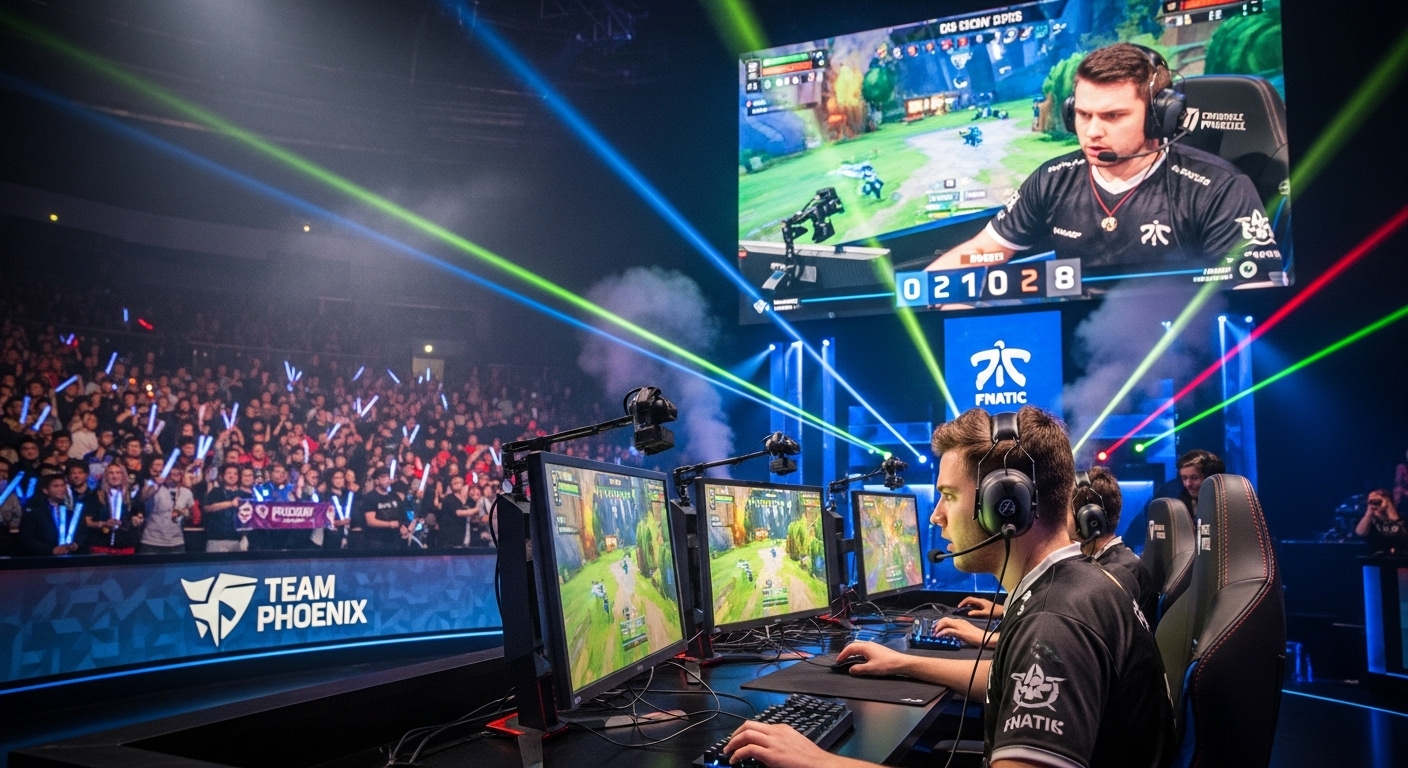
The world of competitive gaming has undergone a massive transformation over the past two decades. What started as casual gaming sessions among friends has now evolved into a global phenomenon known as esports. Esports, or electronic sports, refers to organized, multiplayer video game competitions, especially between professional players, individually or as teams. This rapidly growing industry is redefining what it means to compete in the digital age, influencing culture, technology, economics, and entertainment.
In this blog, we will explore how esports is reshaping competitive gaming through its history, rise to mainstream recognition, economic impact, technological innovations, cultural influence, and future potential.
The Origins of Competitive Gaming
Competitive gaming is not a new concept. Even before the term esports existed, players were already competing in video games. In the late 1970s and early 1980s, arcade games such as Space Invaders, Pac-Man, and Donkey Kong drew large crowds and saw local and national competitions. The 1990s introduced multiplayer PC games like Quake and StarCraft, which brought competitive gaming into home computers and began forming dedicated gaming communities.
However, the structure and scale of competitions were still limited. Events were often informal or localized, and prize pools were modest. With the advent of the internet and faster broadband connections in the 2000s, competitive gaming began to take a new shape. Online multiplayer games allowed players from different parts of the world to compete against each other in real time. This was the fertile ground from which modern esports would sprout.
The Rise of Esports as a Professional Industry
The 2010s marked the real turning point for esports. This decade saw the emergence of globally recognized games like League of Legends, Dota 2, Counter-Strike: Global Offensive, Overwatch, and Fortnite. These games brought in massive audiences, professional players, and significant investments.
One of the key drivers behind esports becoming a professional industry was the creation of large-scale tournaments with substantial prize money and sponsorship deals. For example, The International, a Dota 2 championship tournament, began offering prize pools in the millions of dollars, dwarfing many traditional sports competitions.
Moreover, esports organizations began to form professional teams with salaried players, coaches, analysts, and support staff. These teams operated much like traditional sports franchises, competing in leagues and tournaments worldwide. Streaming platforms such as Twitch and YouTube Gaming allowed fans to watch live matches and interact with players in real-time, creating a vibrant community and fanbase.
How Esports is Changing Competitive Gaming
Esports has redefined competitive gaming in several critical ways:
1. Expanding Accessibility and Participation
Unlike traditional sports that require physical spaces, equipment, and sometimes specific climates or seasons, esports can be played anywhere with an internet connection and a gaming device. This has democratized competitive gaming, allowing players from all backgrounds and regions to participate. Age, gender, and physical ability barriers are also much lower compared to many traditional sports, fostering inclusivity.
2. Professionalism and Career Opportunities
Esports has transformed gaming from a hobby into a legitimate career path. Professional players can earn salaries, sponsorships, streaming revenue, and prize money. Beyond players, careers have blossomed for coaches, analysts, shoutcasters (commentators), event organizers, marketing specialists, and content creators. The esports ecosystem provides diverse opportunities that were unheard of in gaming’s early days.
3. Technological Innovation and Immersion
Esports has driven the adoption of cutting-edge technology to enhance the competitive experience. High-performance gaming hardware, low-latency internet connections, advanced broadcasting technology, and real-time data analytics all contribute to a better viewer and player experience. Virtual reality (VR) and augmented reality (AR) are also starting to influence esports, promising even more immersive competitions in the future.
4. Influence on Traditional Sports
The rise of esports has not gone unnoticed by traditional sports leagues and organizations. Many have incorporated esports divisions or partnered with esports events to reach younger audiences. This cross-pollination has led to hybrid events and new formats that combine elements of physical and digital competition, further expanding what it means to be a competitive sport.
5. Shaping Global Culture and Community
Esports has fostered a vibrant global community united by shared passion and interests. Unlike traditional sports which often have regional fanbases, esports transcends geographical boundaries, connecting fans worldwide. Major esports events attract millions of viewers and generate intense excitement and fan engagement, rivaling or surpassing many traditional sports spectacles.
Economic Impact of Esports
The economic scale of esports is staggering and continues to grow year after year. Revenue streams include sponsorship deals, advertising, merchandise sales, ticket sales to live events, media rights, and game publisher investments. The global esports market is valued in the billions, and projections suggest it will continue to expand as the industry matures.
Sponsorship and advertising are major pillars of esports revenue. Brands from technology, energy drinks, apparel, and even traditional sports companies are investing heavily in esports marketing to reach younger, digitally native consumers. Esports players and teams have become influential brand ambassadors with millions of followers on social media and streaming platforms.
Live events and tournaments, once limited to small venues, now fill arenas and stadiums, generating substantial income through ticket sales and local economic boosts. These events also create jobs and opportunities in event management, production, hospitality, and more.
The Role of Streaming and Content Creation
One of the most significant factors in esports’ growth is the rise of game streaming platforms. Services like Twitch, YouTube Gaming, and Facebook Gaming have allowed players to broadcast their gameplay live to millions of fans. Streaming turns competitive gaming into a form of entertainment, blending the line between sports and media.
Content creators, whether professional players, commentators, or influencers, build large audiences by providing engaging content, tutorials, entertainment, and live interaction. This community-driven content ecosystem supports esports’ growth by increasing visibility, engagement, and monetization opportunities.
Streaming also empowers smaller tournaments and grassroots competitions by providing an accessible platform to reach global audiences without the need for expensive TV deals or infrastructure.
Challenges Facing Esports
Despite its rapid growth, esports faces several challenges as it seeks to establish itself as a sustainable industry on par with traditional sports.
1. Regulation and Governance
Esports currently lacks unified global governance. Different games and regions have their own tournament organizers, rules, and standards. This fragmentation can lead to inconsistencies in competition integrity, player rights, and dispute resolution. Establishing stronger regulatory frameworks will be critical for esports’ long-term credibility.
2. Player Well-being
The intense training regimens, travel schedules, and public scrutiny place immense pressure on esports players. Issues like burnout, mental health, and physical strain are increasingly recognized as serious concerns. The industry must develop better support systems to protect player welfare.
3. Inclusion and Diversity
While esports is more accessible than many traditional sports, challenges remain in creating truly inclusive environments. Gender disparity, harassment, and lack of representation in leadership roles are areas that require continued focus.
4. Sustainability of Revenue Models
Many esports revenue streams depend heavily on sponsorships and advertising, which can be volatile. Diversifying income through merchandise, media rights, and innovative fan engagement will be crucial to maintaining financial stability.
The Future of Esports and Competitive Gaming
Looking ahead, esports shows no signs of slowing down. Several trends will likely shape its future trajectory.
Expansion into New Genres and Platforms
While multiplayer online battle arena (MOBA), first-person shooter (FPS), and real-time strategy (RTS) games currently dominate esports, new genres such as fighting games, sports simulations, and even mobile games are growing rapidly. The accessibility of mobile gaming, in particular, opens competitive gaming to billions more players worldwide.
Integration with Emerging Technologies
Advancements in virtual reality, augmented reality, artificial intelligence, and 5G connectivity will enable new forms of esports experiences. Imagine fully immersive VR arenas, AI-driven training coaches, and near-instantaneous global competition without lag.
Increased Mainstream Acceptance
As esports continues to attract investment, media coverage, and audience engagement, it will gain further legitimacy as a sport. We may see esports included in multi-sport events and possibly future Olympic Games, symbolizing its recognition as a global competitive discipline.
Enhanced Fan Engagement and Community Building
Esports organizations will continue to innovate in fan interaction through personalized content, virtual meet-and-greets, fan voting, and interactive broadcasts. These efforts will deepen fan loyalty and create more meaningful connections between players and audiences.
Conclusion
Esports is more than just playing video games competitively; it represents a cultural and economic revolution in the way we think about competition, entertainment, and community. By breaking down barriers of geography, age, and physical ability, esports is making competitive gaming more accessible and inclusive than ever before.
The professionalism, technological innovation, and global reach of esports are transforming it into a legitimate industry with significant impact on media, sports, and culture. While challenges remain, the future of esports looks bright, full of exciting possibilities and continued growth.
Competitive gaming as we knew it has been redefined. Esports is not just a niche pastime but a dynamic, influential force shaping the future of how we compete, connect, and celebrate human skill and creativity in the digital age.