





Introduction: The Rise of Competitive Gaming
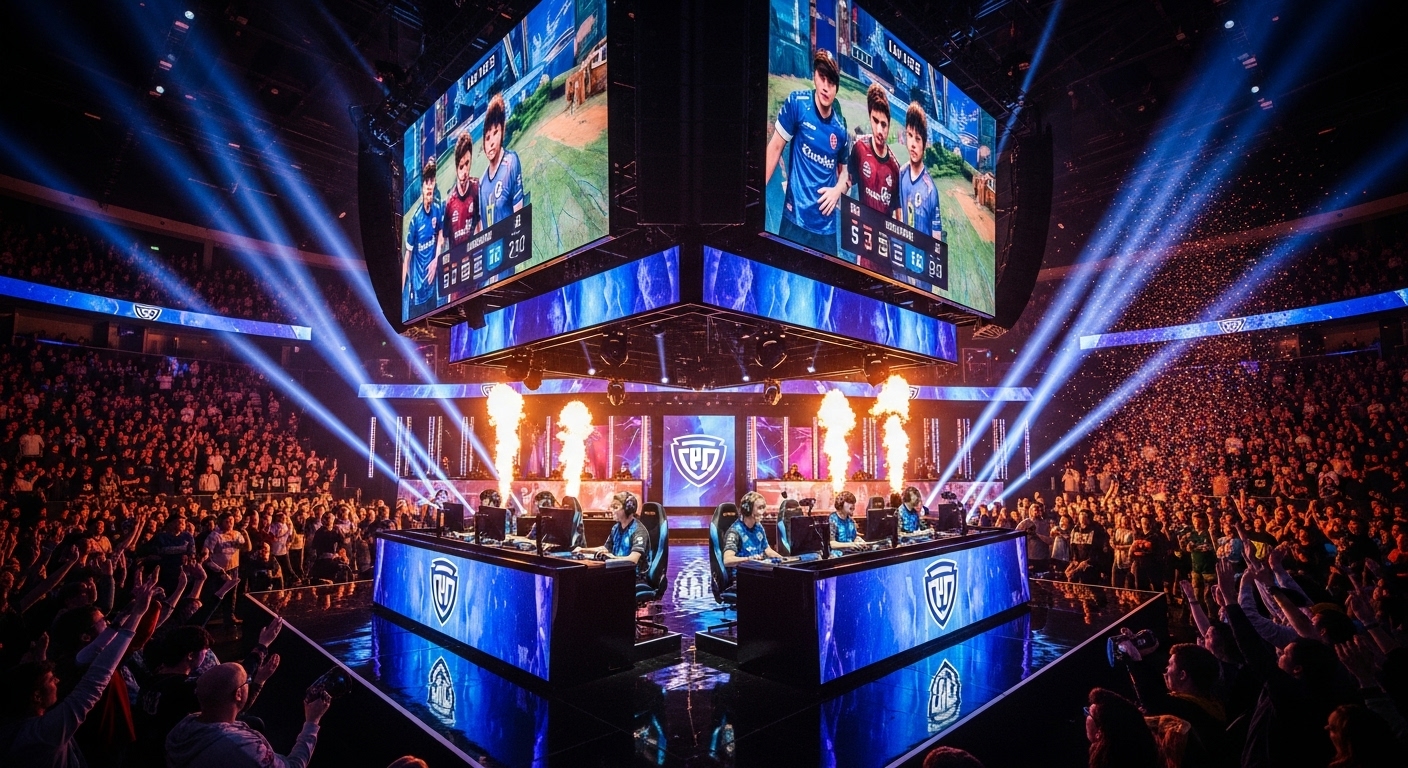
In the modern digital age, the world of gaming has expanded far beyond casual entertainment. What began as simple pixelated competitions between friends has evolved into a professional, billion-dollar industry known as esports. Short for electronic sports, esports represents the competitive side of video gaming where skilled players and teams compete for fame, fortune, and glory. With millions of fans, international tournaments, and sponsorship deals rivaling those of traditional sports, esports has carved its place as a legitimate and influential force in global entertainment.
From Arcades to Arenas: The Origins of Esports
The concept of competitive gaming can be traced back to the early 1970s when the first known video game tournament took place at Stanford University. The event, centered around the game “Spacewar,” marked the birth of organized gaming competition. In the following decades, arcade gaming in the 1980s fueled a culture of high scores and bragging rights. Titles like Pac-Man, Donkey Kong, and Street Fighter set the stage for what would later become esports.
The 1990s saw the arrival of networked gaming and the internet, which allowed players to compete against opponents from around the world. Games like Quake, StarCraft, and Counter-Strike became pioneers of online competition. What was once a niche activity became a structured form of entertainment with tournaments, sponsors, and dedicated fans.
The Evolution of the Esports Industry
As technology advanced, so did the scope and scale of esports. The 2000s introduced high-speed internet, improved gaming hardware, and online streaming platforms. This combination ignited a revolution in how esports were played and viewed. Competitive gaming transformed from small-scale local events to global championships attracting millions of spectators.
Major tournaments such as The International for Dota 2, the League of Legends World Championship, and the Overwatch League helped elevate esports into mainstream recognition. Prize pools soared, with some events offering tens of millions of dollars in rewards. This financial growth not only attracted professional gamers but also investors, advertisers, and large corporations eager to be part of the movement.
The Role of Streaming and Content Platforms
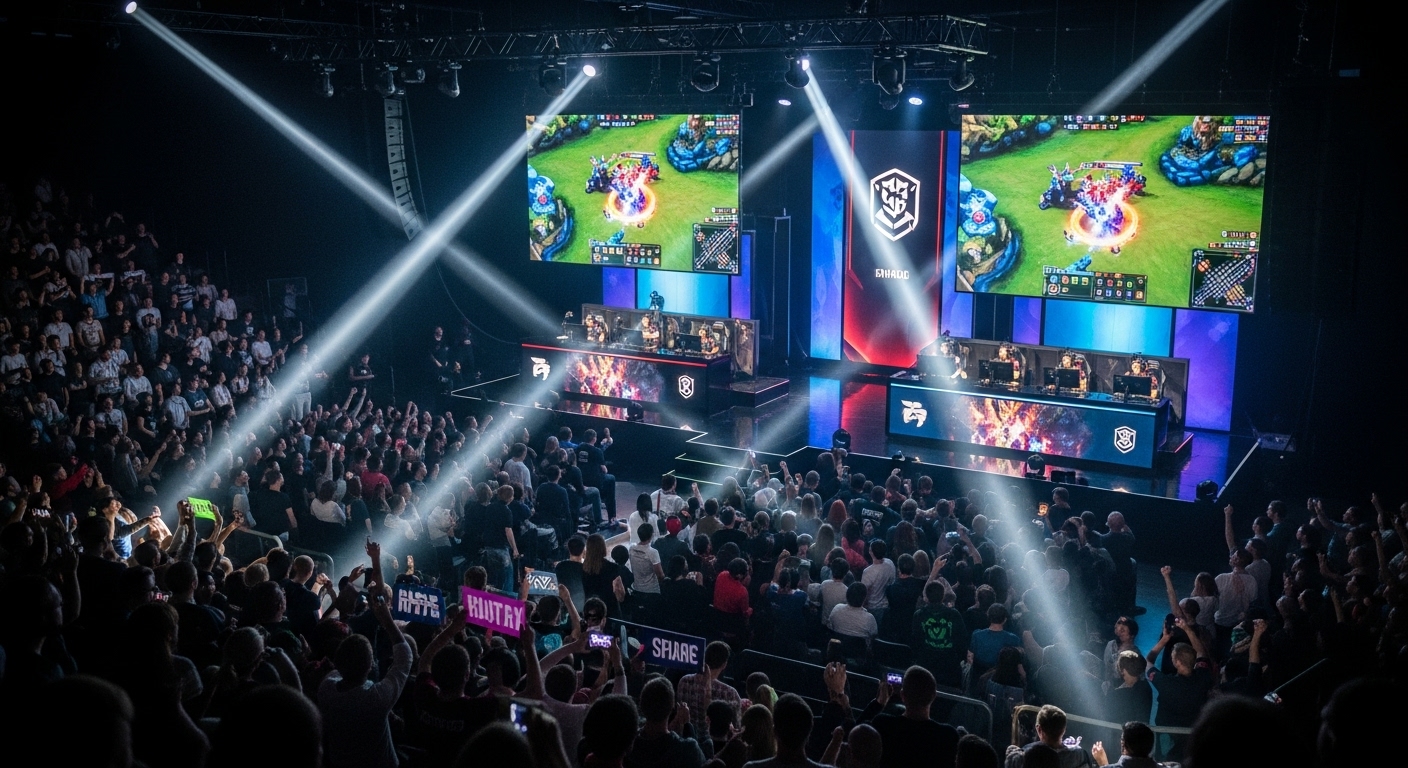
One of the most significant factors driving esports’ global popularity is the rise of live-streaming platforms. Viewers can now watch tournaments, follow their favorite players, and engage with gaming content anytime, anywhere. Streaming has transformed esports from a niche subculture into a mainstream form of entertainment comparable to traditional sports broadcasts.
The interactive nature of these platforms allows fans to connect with players and teams, fostering strong communities and fan loyalty. Esports stars have become influencers, content creators, and brand ambassadors, expanding their influence beyond the digital battlefield. The line between player and entertainer has blurred, creating a new type of celebrity in the modern era.
Professionalism and Structure in Esports
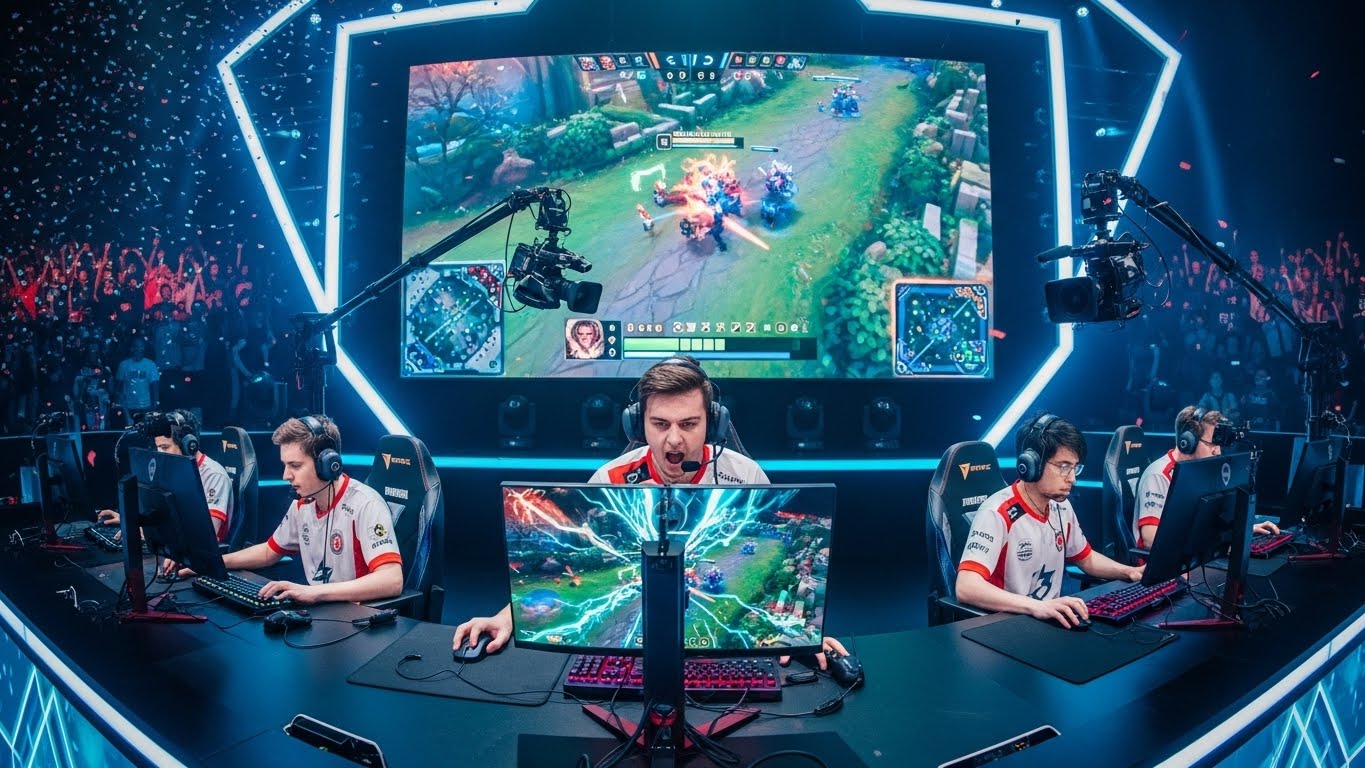
Esports today mirrors the structure of traditional sports. Teams are backed by organizations that manage contracts, training, and sponsorships. Coaches, analysts, and managers work behind the scenes to optimize performance. Players adhere to rigorous schedules, balancing practice, strategy sessions, and fitness training to stay at their peak.
The establishment of professional leagues has brought stability and credibility to esports. Franchised leagues such as the Call of Duty League and the League of Legends Championship Series have standardized rules, team ownership, and revenue-sharing models. This structure ensures sustainability and long-term growth for the industry.
Esports as a Career Path
For many young gamers, esports represents not just a passion but a viable career path. The opportunities extend far beyond playing professionally. Careers in casting, event organization, marketing, game development, and content creation have emerged alongside the rise of competitive gaming. Universities across the world have begun offering scholarships for esports athletes, and educational institutions are introducing programs focused on gaming and digital media.
However, like any competitive profession, success in esports demands dedication, discipline, and resilience. Players often train for long hours, face intense pressure, and must adapt to constantly evolving game mechanics. The lifespan of a professional player can be short, making career planning and adaptability essential.
Global Community and Cultural Impact
Esports transcends borders, uniting players and fans from diverse cultures and backgrounds. It has become a universal language of competition and collaboration. Major events draw massive audiences from Asia, Europe, North America, and beyond. Countries like South Korea, China, and the United States are considered powerhouses in the esports arena, but the influence extends globally.
Esports has also played a role in promoting diversity and inclusion within gaming communities. As the industry matures, more initiatives are emerging to encourage participation from underrepresented groups. The message is clear: esports is for everyone, regardless of age, gender, or nationality.
Economic Growth and Sponsorships
The economic footprint of esports is vast and rapidly expanding. With sponsorships, advertising, ticket sales, and merchandise, the industry generates billions in annual revenue. Brands that once focused on traditional sports have shifted their attention to esports audiences, recognizing the immense marketing potential.
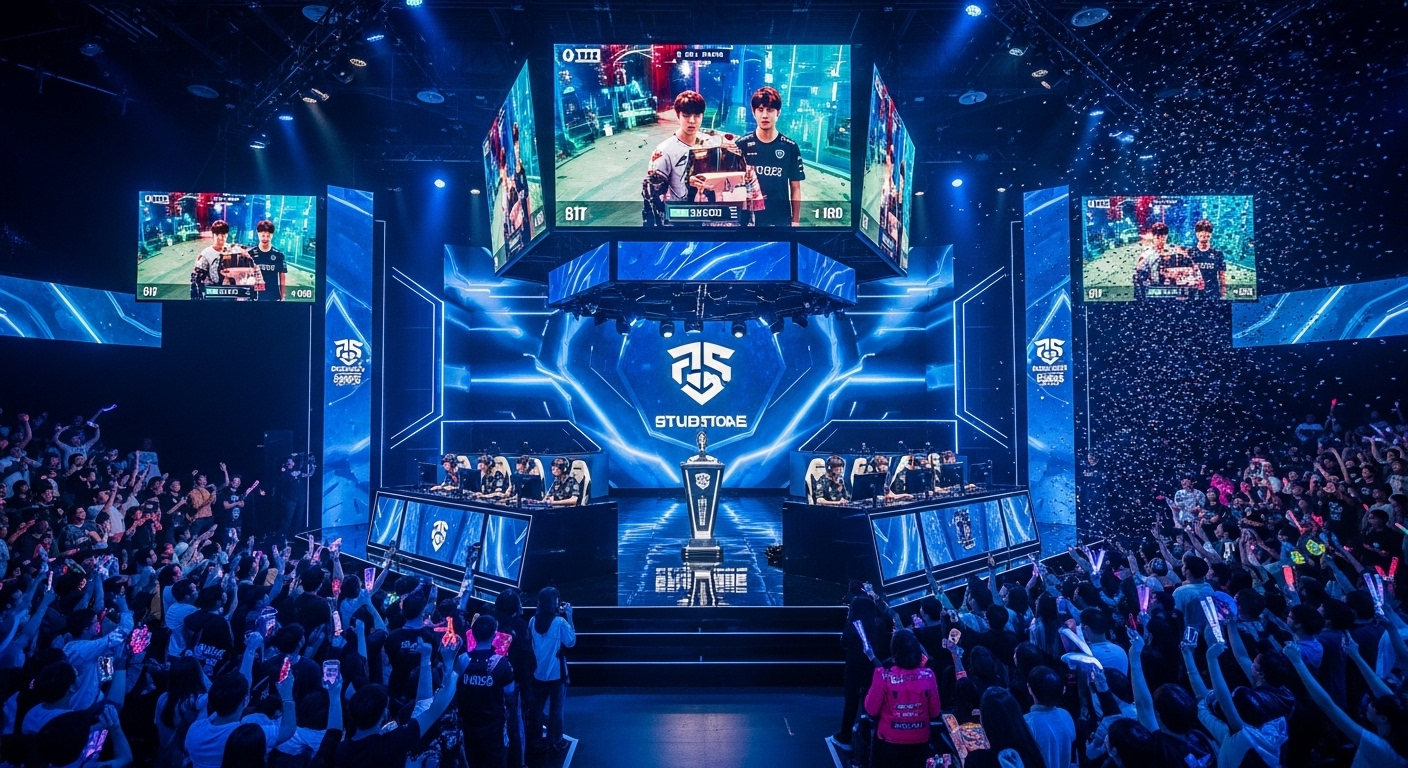
From energy drinks to tech giants, companies are eager to associate with esports’ youthful and tech-savvy demographic. This has led to an influx of financial support that continues to fuel the industry’s growth. Cities now host large-scale esports tournaments, boosting tourism and local economies.
Technology’s Influence on Esports Development
Technology remains at the core of esports evolution. High-performance gaming equipment, advanced graphics, and seamless internet connectivity have enhanced the competitive experience. Virtual reality and augmented reality are now being explored as future avenues for esports, promising even more immersive experiences for players and spectators.
Artificial intelligence and data analytics are also transforming how teams prepare and perform. Coaches can analyze player behavior, strategies, and opponent patterns with precision, leading to data-driven decision-making. The blend of technology and competition continues to push the boundaries of what esports can achieve.
Esports and Education
The recognition of esports in education marks a major cultural shift. Schools and universities are beginning to acknowledge the value of gaming as a tool for learning teamwork, strategic thinking, and problem-solving. Esports programs teach students not only about competition but also about communication, leadership, and technology integration.
Several institutions now provide esports scholarships, offering talented gamers an opportunity to pursue higher education while competing at collegiate levels. This combination of academics and gaming helps bridge the gap between passion and profession.
Challenges Facing the Esports Industry
Despite its rapid rise, esports faces challenges that must be addressed for sustainable growth. Issues such as player burnout, unequal pay, and lack of regulation in some regions remain significant. The mental health of players is also a growing concern, given the demanding nature of competition and public exposure.
Another challenge lies in maintaining integrity. With the high stakes involved, incidents of cheating, match-fixing, and betting controversies have occasionally tainted the image of esports. Strong governance and transparent systems are essential to preserving trust among fans and participants.
The Future of Esports
The future of esports looks promising, driven by innovation, inclusivity, and expanding audiences. Mobile gaming, cloud technology, and cross-platform play will further democratize access to competitive gaming. As virtual and augmented reality become mainstream, new genres of esports will likely emerge.
Traditional sports organizations are also integrating esports into their ecosystems. Football clubs, basketball teams, and even Olympic committees are exploring partnerships with esports entities. The blending of physical and digital competition could redefine entertainment in the coming decades.
Moreover, the role of artificial intelligence, machine learning, and virtual reality will open new frontiers for both gameplay and audience interaction. The esports experience of tomorrow may involve immersive 3D arenas, real-time tactical overlays, and personalized fan engagement like never before.
Conclusion: The New Age of Digital Competition
Esports is more than just gaming—it is a cultural revolution. It represents creativity, teamwork, and innovation in the digital era. What was once considered a hobby has transformed into a global industry that inspires millions, drives economies, and bridges cultures.
As technology continues to advance, the boundaries between the real and virtual worlds will continue to blur. Esports stands at the forefront of this evolution, shaping the future of entertainment, communication, and competition. The journey from the dimly lit arcades of the past to the grand arenas of today symbolizes more than progress—it represents humanity’s endless pursuit of connection and excellence in the digital age.