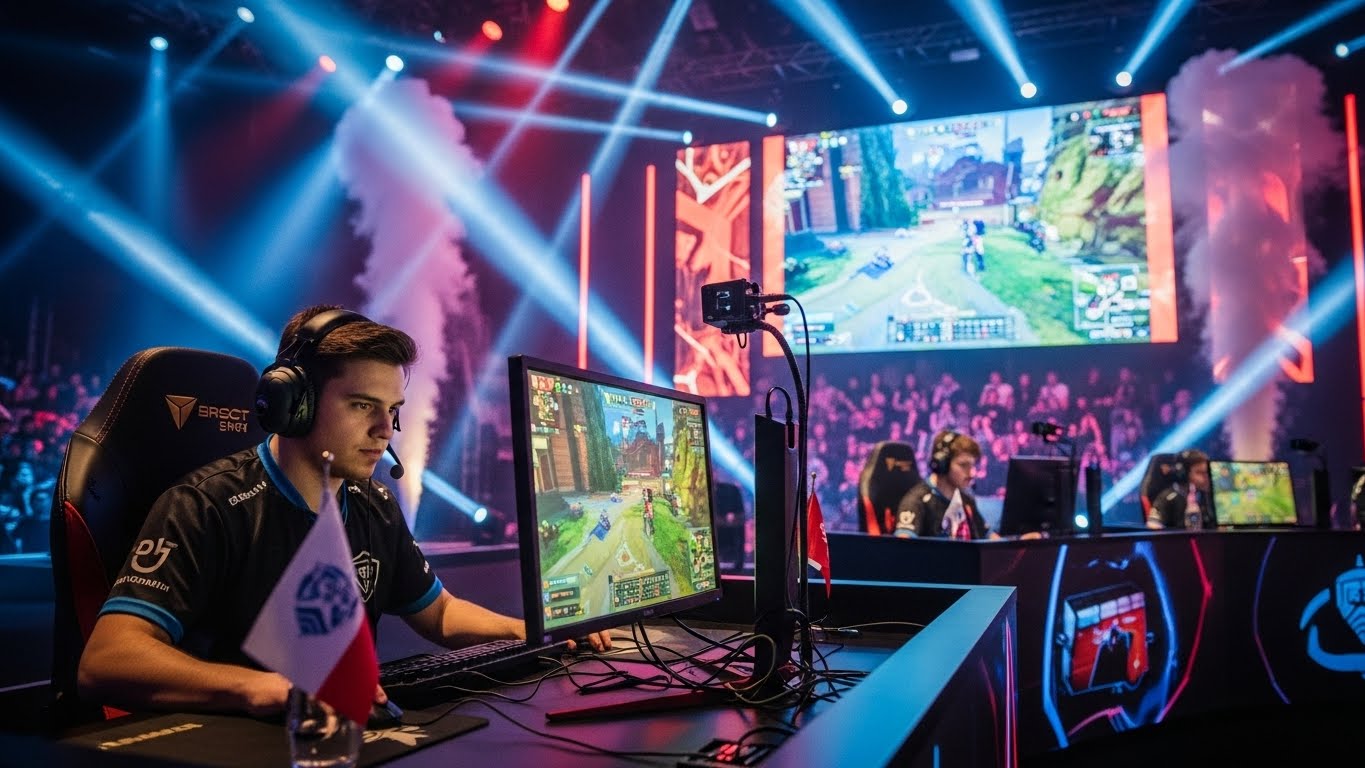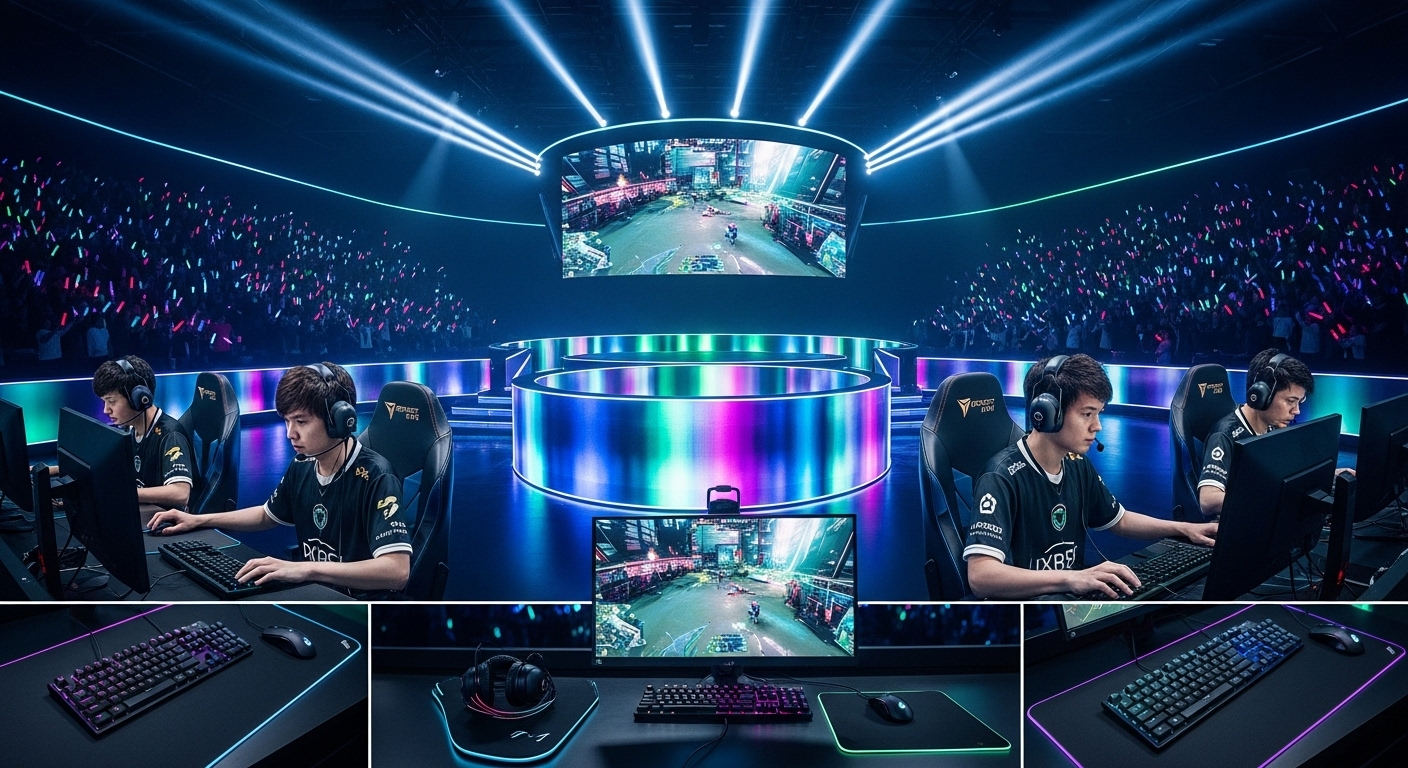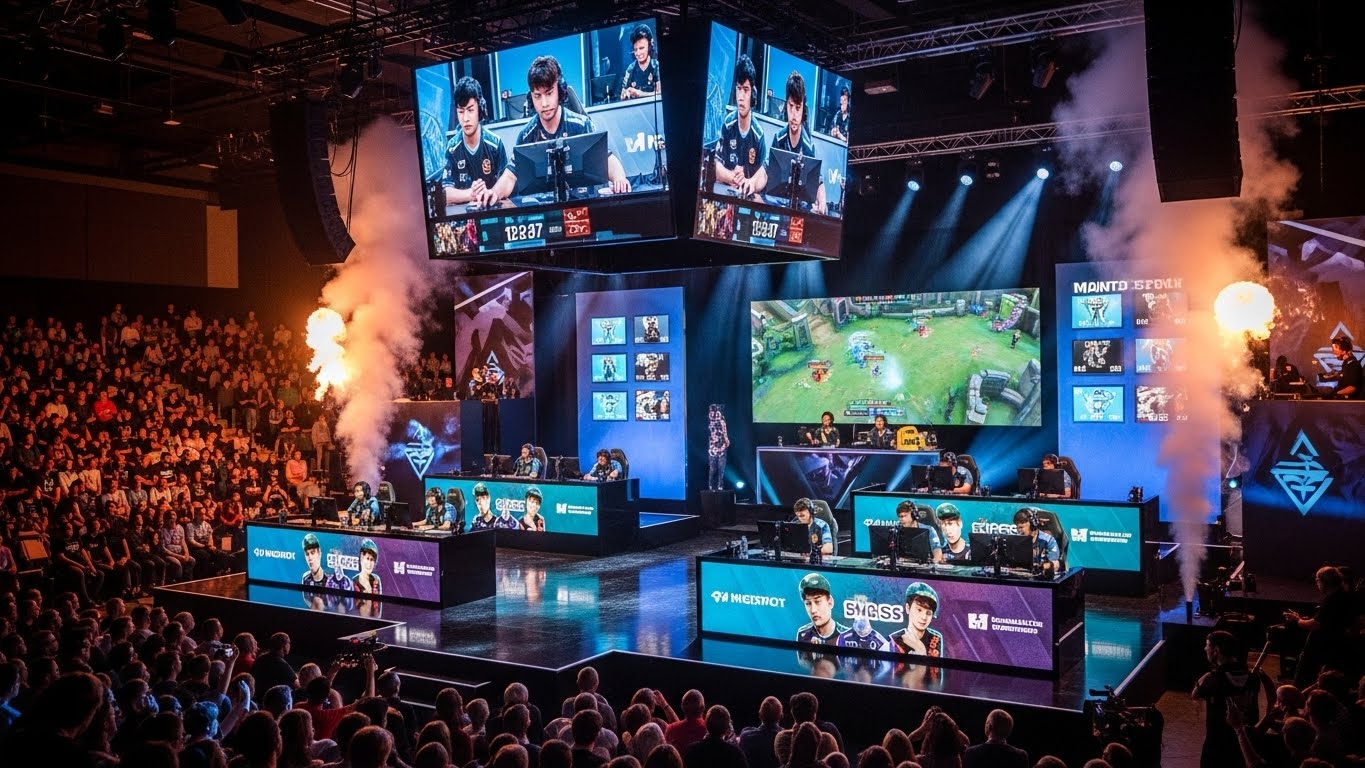





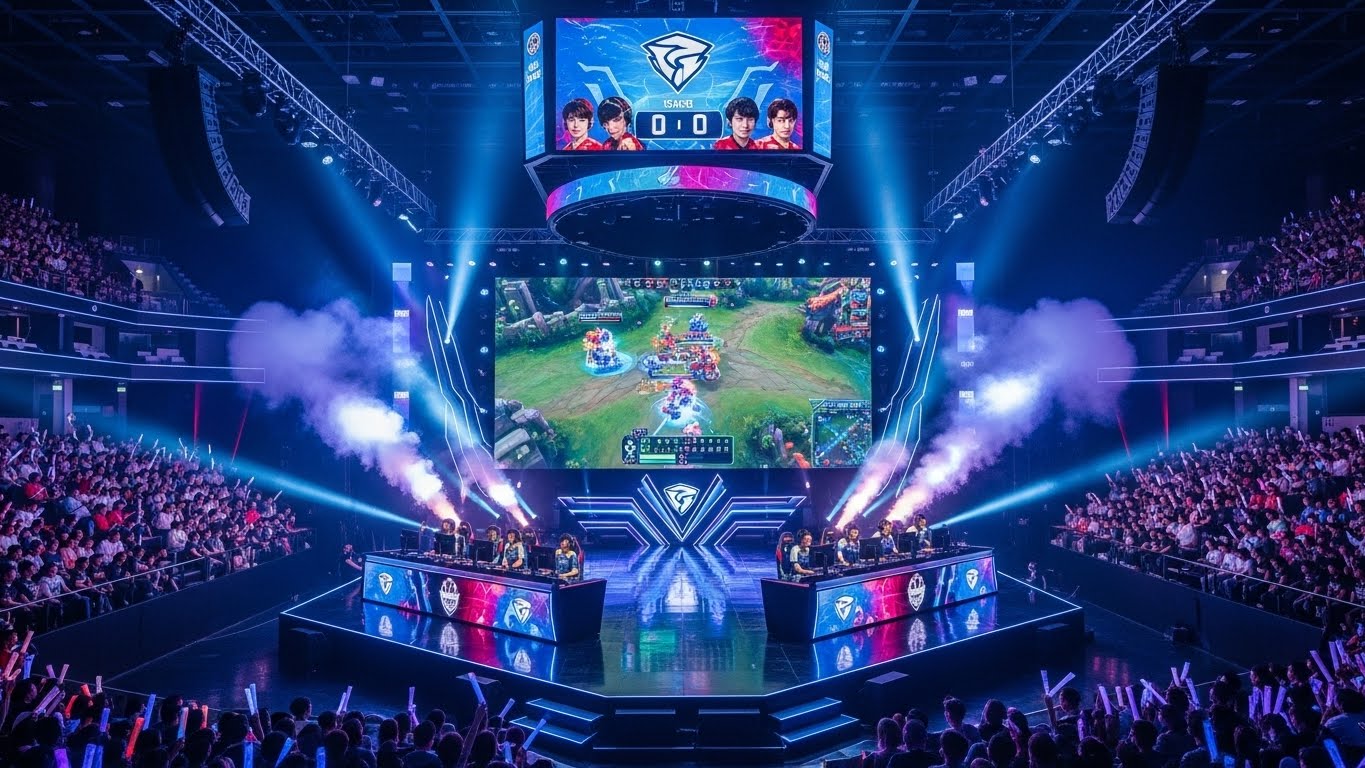
Esports has evolved from a niche activity for gamers to a global phenomenon, drawing millions of viewers, high-profile sponsors, and large-scale events. In recent years, esports has gained massive traction, attracting both seasoned players and casual spectators. With its ever-growing presence in the entertainment industry, esports is reshaping how we perceive gaming, competition, and even professional sports. This blog post delves into the history, growth, and future of esports, exploring why it has become such a powerful force in modern entertainment.
What is Esports?
Esports, short for electronic sports, refers to organized multiplayer video game competitions, particularly between professional players, individually or as teams. Unlike casual gaming, esports involves competitive play at a high level, where participants compete for monetary rewards, sponsorships, and often a dedicated fanbase. The games played in esports range from first-person shooters (FPS) like Call of Duty and Counter-Strike to real-time strategy (RTS) games such as StarCraft, and multiplayer online battle arena (MOBA) games like League of Legends and Dota 2.
What sets esports apart from traditional gaming is the level of professionalism, organization, and scale. Esports competitions have been growing rapidly and are now broadcast to millions of viewers online through platforms such as Twitch, YouTube Gaming, and Facebook Gaming.
The Birth and Early Years of Esports
The roots of esports can be traced back to the early 1990s, when multiplayer games like Street Fighter and Doom allowed gamers to compete against one another. However, it wasn’t until 1997 that the first real esports tournament, the Red Annihilation tournament for Quake, took place. This event is often considered one of the pivotal moments in esports history. Over 2,000 players competed, and the prize for the winner was a Ferrari, a sign that esports was starting to evolve into a professional pursuit.
Throughout the late 1990s and early 2000s, games like StarCraft and Warcraft III further solidified the foundation of competitive gaming. The rise of online gaming platforms like Battle.net and the proliferation of broadband internet made it easier for players to compete against each other across the globe. Early esports events were often small, localized affairs, but they laid the groundwork for the massive tournaments and global leagues we see today.
Esports: A Global Industry
In the 2010s, esports started gaining mainstream recognition. The creation of large-scale esports leagues, such as the League of Legends Championship Series (LCS) and the Overwatch League, marked a turning point for the industry. With backing from big tech companies like Riot Games, Blizzard, and Valve, esports entered a new era of professionalism. The rise of streaming platforms like Twitch and YouTube also played a significant role in expanding esports’ reach. Gamers could now watch live tournaments and follow their favorite players in real-time, further blurring the lines between players and fans.
Esports events like The International (for Dota 2) and League of Legends World Championship began drawing massive crowds, with prize pools reaching millions of dollars. This not only attracted a new generation of fans but also helped validate esports as a legitimate form of entertainment. The industry now generates billions of dollars annually from media rights, sponsorships, merchandise, and ticket sales.
The 2020s marked another pivotal point for esports with major partnerships from non-endemic brands—companies not traditionally associated with gaming. Brands such as Coca-Cola, Mercedes-Benz, and Intel have partnered with esports leagues and tournaments, bringing their marketing muscle to the scene and elevating the profile of the industry. This influx of mainstream corporate sponsorships has helped establish esports as a force to be reckoned with in the broader entertainment and sports industries.
The Role of Technology in Esports
Esports is inherently tied to technology. Advances in both hardware and software have played a crucial role in the growth and evolution of the industry. The development of high-performance gaming PCs, professional-grade monitors, and high-speed internet has helped improve the quality of competitive gaming. Cloud gaming and virtual reality (VR) are also starting to play a role in how esports tournaments are held and experienced.
Esports players rely on top-tier equipment to give them the best chance of success. Many professional players invest in gaming peripherals—such as high-end mice, keyboards, and headsets—that offer precise control and speed. These tools allow them to react quicker than their competitors, a crucial element in high-level esports.
Moreover, the integration of artificial intelligence (AI) and machine learning in game design and analysis has further enhanced competitive gaming. AI can be used for player training, helping gamers analyze their own performances and identify areas for improvement. In some games, AI-controlled opponents and teammates are also utilized to simulate real-world scenarios, providing more diverse and challenging environments for players to train in.
The Growth of Esports Ecosystem
One of the most fascinating aspects of esports is its rapidly growing ecosystem. At its core, esports is about more than just the players; it’s about an entire community that supports and nurtures the industry. From game developers and professional teams to broadcasters, journalists, and content creators, the ecosystem of esports is complex and far-reaching.
The Players and Teams
The backbone of esports are its players and teams. Players, often recruited by professional organizations, compete in multiple tournaments throughout the year. These teams practice intensely, often participating in boot camps, strategy sessions, and scrimmages to hone their skills. Top-tier teams usually have coaches, analysts, and managers who ensure their players are at their best. Just like in traditional sports, success in esports can lead to lucrative contracts, sponsorship deals, and endorsement opportunities.
Top esports players have achieved celebrity status, with large fanbases and endorsement deals. Some, like Faker from League of Legends or Ninja from Fortnite, have transcended the gaming world and become household names. Their influence extends beyond just gaming culture and into mainstream media and advertising, contributing to the increasing visibility of esports.
Game Developers and Organizers
Game developers play a critical role in the success of esports. Developers like Riot Games (League of Legends), Blizzard Entertainment (Overwatch, StarCraft), and Valve (Dota 2, Counter-Strike: Global Offensive) design and manage the games that form the foundation of esports competitions. They also oversee the creation of in-game systems and tools that allow for fair and balanced competition. For many game developers, esports represents a significant part of their revenue model, with in-game purchases, merchandise, and tournament viewership all contributing to the bottom line.
Tournament organizers are another key component of the esports ecosystem. Large events like The International and League of Legends World Championships are produced by tournament organizers who oversee everything from ticket sales to event logistics. These tournaments are often held in massive arenas, drawing tens of thousands of live attendees while attracting millions of viewers online.
Broadcasters and Content Creators
Broadcasting and media play a central role in growing the esports fanbase. Platforms like Twitch and YouTube Gaming have become the go-to destinations for watching live esports tournaments. Many esports organizations and players also produce content that extends their brand, including live streams, YouTube videos, podcasts, and social media posts.
Professional casters, analysts, and influencers provide commentary, analysis, and entertainment, further enhancing the fan experience. These personalities bring a sense of excitement and storytelling to esports, making the experience more accessible and engaging for viewers.
Esports and Traditional Sports: A Parallel Evolution
The rise of esports has often been compared to the rise of traditional sports like football, basketball, and soccer. Much like traditional sports, esports features a competitive structure with players, teams, coaches, and leagues. In fact, many elements of traditional sports are mirrored in esports, from sponsorship deals and media rights to the creation of specialized training facilities for players.
In some cases, esports and traditional sports are beginning to overlap. Major sports franchises, such as the New York Yankees and Manchester City, have invested in esports teams. Esports athletes are also beginning to see the same kind of endorsement deals and media opportunities as traditional athletes. For example, Overwatch League teams have signed multi-million dollar sponsorships with global brands like Coca-Cola, Mercedes-Benz, and IBM, much like their counterparts in the NBA or NFL.
The Future of Esports
The future of esports looks incredibly promising, with continued growth expected in both viewership and revenue. The global esports market is projected to surpass $1.5 billion in revenue by 2025, a testament to the immense potential of the industry.
There are several factors that will contribute to the continued rise of esports. First, the increasing accessibility of gaming, through mobile gaming and cloud-based platforms, will bring more players and fans into the fold. Second, as the esports infrastructure becomes more established, we can expect more professional leagues, better organization of events, and increased media exposure. Third, the potential integration of virtual and augmented reality in esports could bring new experiences and gameplay mechanics, attracting even more players and viewers.
As esports continues to mature, it will likely gain further legitimacy as a professional sport and entertainment form. With the support of major brands, innovative technology, and a passionate community of fans, the future of esports seems bright, with boundless possibilities on the horizon.
Conclusion
Esports has come a long way since its humble beginnings in the 1990s. Today, it stands as a dominant force in the world of entertainment, captivating millions of fans, players, and sponsors alike. From its rapid growth to its expanding ecosystem, esports is rewriting the playbook for competitive gaming, blending traditional sports structures with cutting-edge technology.
The rise of esports is more than just a trend—it’s a cultural shift, a testament to how gaming has become a legitimate and influential part of our daily lives.