




Introduction
Esports, short for electronic sports, has transformed from a niche hobby into a global phenomenon. What began as small gatherings of gamers competing in local arcades or LAN centers has become a billion-dollar industry with massive audiences, sponsorships, and professional athletes. The journey of esports is not just about video games; it’s about culture, technology, competition, and the evolution of entertainment itself.
Over the past two decades, the world has witnessed a revolution in how people perceive gaming. No longer dismissed as a pastime for kids or computer enthusiasts, competitive gaming has reached the mainstream. Major tournaments fill arenas, millions tune in online to watch players battle for glory, and universities even offer scholarships for esports athletes. This transformation marks a new era where digital skill, strategy, and teamwork are celebrated on the same level as traditional sports.
The Origins of Esports
The story of esports dates back to the early 1970s, when the first known video game competition took place at Stanford University. Players competed in a game called Spacewar!, and the prize was a year’s subscription to Rolling Stone magazine. It was a humble beginning, but it set the foundation for something extraordinary.
As arcade gaming grew in the 1980s, competitive gaming began to gain popularity. Titles like Pac-Man, Donkey Kong, and Space Invaders attracted high-score chasers and public competitions. In 1980, Atari organized the Space Invaders Championship, which drew over 10,000 participants—a groundbreaking event at the time.
During the 1990s, the rise of the internet and personal computers sparked the next phase of competitive gaming. Classic titles such as Doom, Quake, and StarCraft brought players together across the globe. LAN parties became a popular way for friends to test their skills face-to-face, and organizations like the Cyberathlete Professional League (CPL) and Major League Gaming (MLG) laid the groundwork for structured tournaments.
The Explosion of Online Multiplayer Games
The early 2000s marked a turning point for esports, fueled by broadband internet and the rise of online multiplayer games. Titles such as Counter-Strike, Warcraft III, Halo, and Call of Duty created competitive ecosystems that connected players across continents. Online gaming communities flourished, giving rise to clans, teams, and professional organizations.
Asia, particularly South Korea, became the heart of the esports revolution. South Korea’s early investment in broadband infrastructure and gaming culture turned it into a global hub for competitive gaming. StarCraft became a national sensation, with professional players achieving celebrity status. Televised matches, live audiences, and corporate sponsorships propelled esports into the public eye, long before Western countries embraced it.
The success of South Korea’s esports scene inspired other nations to follow suit. Europe and North America began to develop their own leagues and tournaments, and global competitions emerged, drawing players from every corner of the world.
The Birth of Esports Superstars
With the rise of organized tournaments came the birth of esports superstars. Players like Lim “BoxeR” Yo-hwan in StarCraft or Jonathan “Fatal1ty” Wendel in first-person shooters became household names among fans. These pioneers demonstrated that gaming could be more than a hobby—it could be a legitimate career.
As teams and organizations formed, esports athletes began to train rigorously, following structured routines similar to traditional sports players. They practiced for hours daily, analyzed replays, and developed communication skills essential for team-based games. The professionalism of these players elevated the entire industry and set standards for future generations.
The Streaming Revolution
One of the most significant catalysts for esports’ modern growth was the rise of streaming platforms. Before live streaming, fans could only follow matches through recorded videos or limited coverage. The launch of platforms that allowed anyone to broadcast live gameplay changed everything.
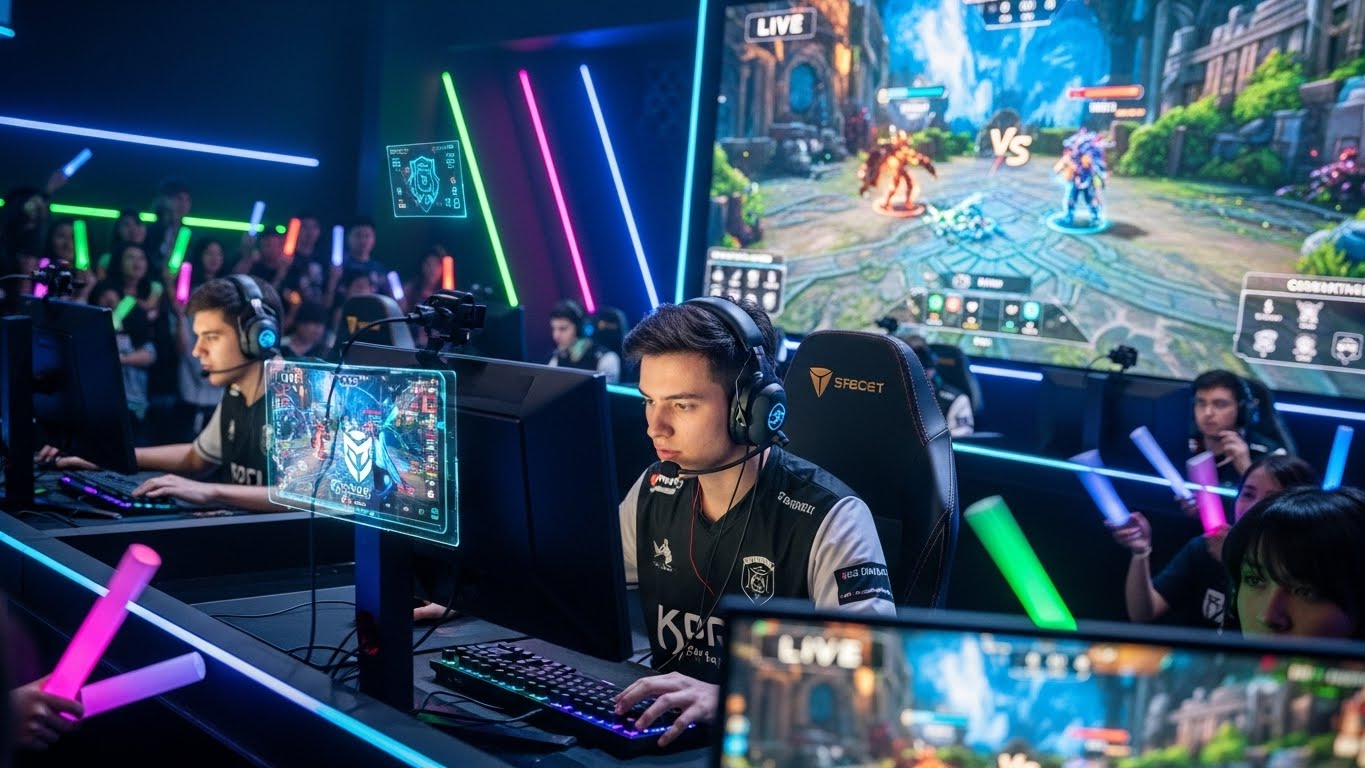
Now, fans could watch tournaments in real time, follow their favorite players, and even interact with them through chat. This direct engagement created an entirely new level of connection between esports professionals and their audiences. Major events like The International for Dota 2 and the League of Legends World Championship drew millions of viewers worldwide, rivaling traditional sports broadcasts.
Streaming also democratized esports. Aspiring players could showcase their skills online, build audiences, and attract sponsorships. The gap between professional and amateur gaming began to shrink, as visibility and accessibility increased dramatically.
The Economic Power of Esports
Today, esports is a multi-billion-dollar industry supported by sponsorships, advertising, merchandise, and media rights. Major companies—ranging from technology brands to food and beverage giants—invest heavily in esports events and teams. Prize pools for tournaments have reached astonishing levels, with some exceeding tens of millions of dollars.
The economic growth of esports has also created jobs beyond just professional gaming. There are opportunities for coaches, analysts, commentators, event organizers, and content creators. Universities around the world have started offering esports management and game design programs, recognizing its academic and professional potential.
In addition, esports has had a significant impact on the gaming hardware market. High-performance computers, monitors, peripherals, and accessories have become integral to the competitive gaming experience, driving innovation and consumer demand.
Esports as a Cultural Movement
Beyond its commercial success, esports has become a powerful cultural force. It brings together people of all ages, backgrounds, and nationalities through a shared love of games. Online communities thrive on discussion, creativity, and fandom, similar to what traditional sports enjoy.
Esports also celebrates diversity and inclusivity. Players from around the world compete on equal footing, regardless of physical ability or background. Women’s representation in esports continues to grow, with more female players, commentators, and organizers entering the scene.
Moreover, esports bridges generations. Parents and children now play and watch games together, while schools use gaming as a tool for teamwork, strategy, and problem-solving. The stigma once associated with gaming is slowly fading, replaced by recognition of its educational and social benefits.
The Role of Major Titles in Esports
Certain games have played defining roles in shaping esports. Titles like League of Legends, Counter-Strike: Global Offensive, Dota 2, Overwatch, Fortnite, and Valorant dominate the competitive scene. Each of these games offers unique gameplay mechanics, team dynamics, and communities that keep fans engaged year after year.
League of Legends stands as one of the most influential esports titles ever, boasting an international league system, structured seasons, and a world championship that fills stadiums. Dota 2 remains known for its massive prize pools and player-driven funding models. Meanwhile, Counter-Strike continues to be a cornerstone of tactical shooters, appreciated for its simplicity and depth.
The introduction of newer titles like Apex Legends and Valorant ensures that the scene stays dynamic, adapting to the changing tastes of gamers and technological trends. Each game brings new players, fresh strategies, and a growing fanbase, keeping the industry vibrant.
Esports Infrastructure and Global Tournaments
The infrastructure supporting esports has evolved dramatically. Professional organizations now mirror traditional sports franchises with dedicated management, training facilities, and sponsorship deals. Players live in team houses, train under coaches, and follow schedules designed to maintain peak performance.
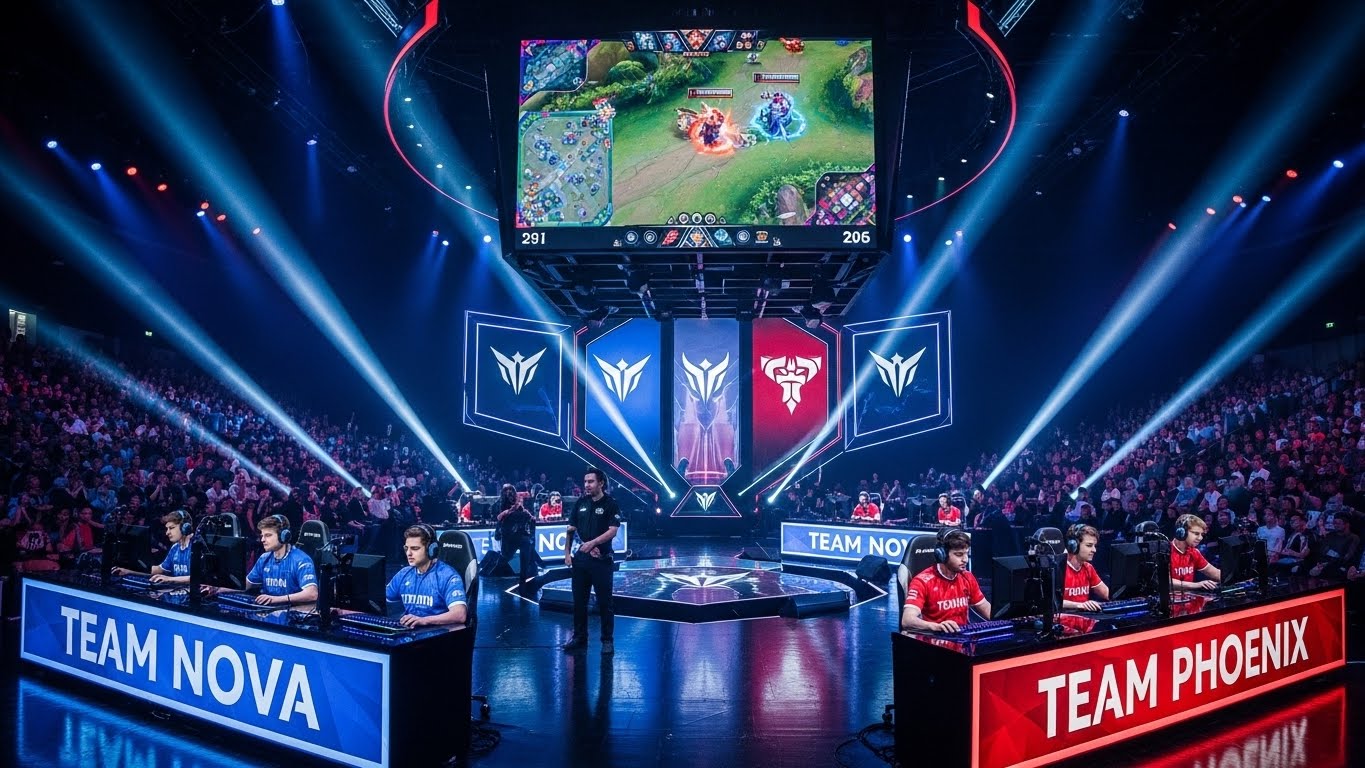
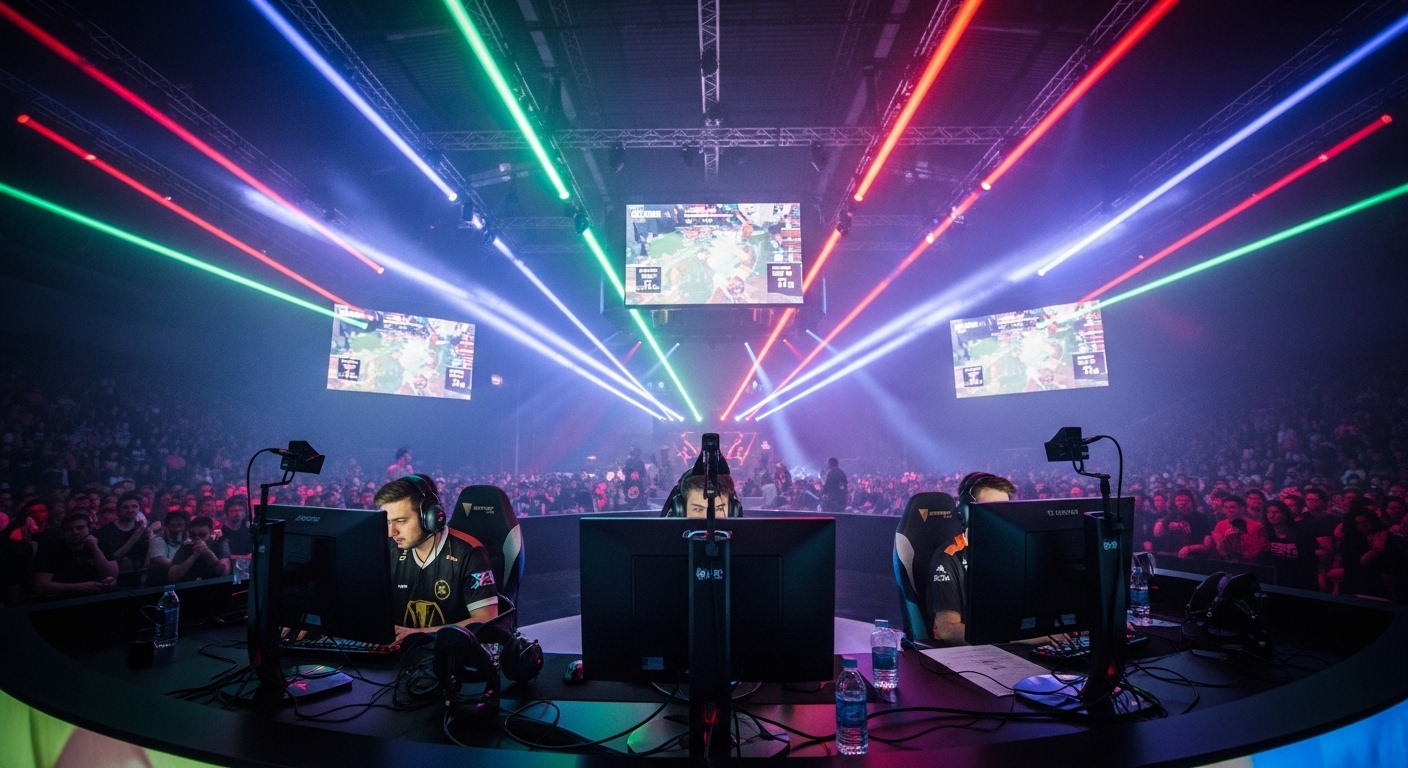
Major tournaments like The International, Overwatch League Finals, and League of Legends Worlds have become global spectacles. These events feature massive stages, high-quality production, and roaring crowds. Cities compete to host such events, recognizing the tourism and economic benefits they bring.
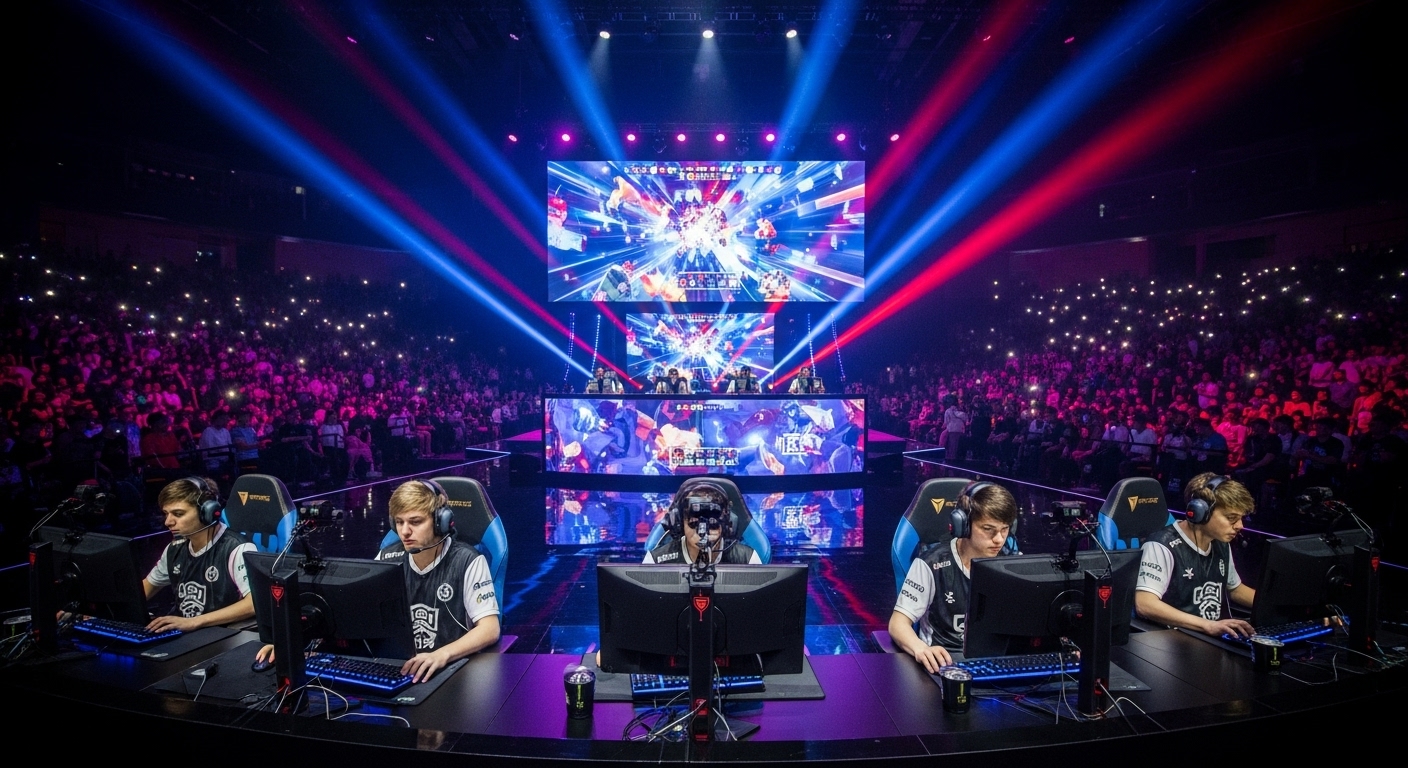
Esports arenas have emerged in major cities worldwide, built specifically for gaming competitions. These venues feature advanced technology, massive screens, and immersive sound systems that rival any concert or sporting event.
The Challenges Facing Esports
Despite its success, esports faces unique challenges. One of the most significant issues is player burnout. The intense training schedules, constant travel, and high-pressure environments can lead to mental and physical fatigue. Organizations are increasingly focusing on player wellness, hiring psychologists and physical trainers to support their teams.
Another concern is the lack of standardized regulation across games and regions. Unlike traditional sports with established governing bodies, esports is fragmented by publishers who control their game ecosystems. This creates inconsistencies in rules, prize distributions, and player rights.
Toxicity and online harassment also pose ongoing challenges. Developers and community leaders continue to work on improving player behavior and creating safer environments for competitors and fans alike.
The Future of Esports
The future of esports is filled with possibilities. As technology evolves, virtual reality (VR) and augmented reality (AR) could revolutionize how games are played and viewed. AI-driven analytics will enhance coaching, strategy, and even spectator experiences.
Esports is also expanding into mobile platforms, making competitive gaming accessible to billions of smartphone users worldwide. Mobile titles like PUBG Mobile, Free Fire, and Mobile Legends have already established large competitive ecosystems, especially in Asia and Latin America.
Traditional sports organizations are increasingly collaborating with esports teams, blending digital and physical competition. Major sports leagues invest in esports franchises, while athletes from basketball, soccer, and football show interest in gaming as fans and investors.
In the long term, esports may become part of major international sporting events, potentially joining the Olympic program. This step would mark a significant milestone in global recognition of esports as a legitimate form of competition.
The Human Side of Esports
At its core, esports is about people—the players who dedicate years to mastering their craft, the fans who passionately support their teams, and the communities that grow around shared experiences. Behind every tournament victory or highlight reel moment lies hours of teamwork, strategy, and perseverance.
The journey of an esports athlete is filled with sacrifice and passion. Many players start young, balancing studies and training, often facing skepticism from society. Yet, their success stories inspire millions who dream of turning their gaming passion into a career.
Beyond competition, esports fosters friendship and connection. Online teammates become real-world friends, communities unite around favorite games, and global audiences come together to celebrate a shared love for competition.
Conclusion
Esports is more than a trend; it is a cultural and technological milestone that defines the 21st century. It has redefined what competition means in the digital age and has given rise to a new generation of athletes, creators, and fans. What began as a simple pastime has evolved into an international movement that bridges borders and unites millions.
The future of esports is bright and boundless. As technology continues to evolve and society embraces gaming as a legitimate form of entertainment, the world of esports will only grow larger, more innovative, and more inclusive. It is not just the future of gaming—it is the future of sports itself.